
What Supplements Should a 70-Year-Old Man Take?
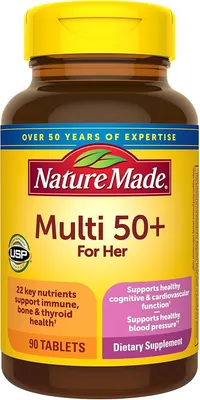
Nature Made Multi 50+
A sensible, widely available once-daily base layer for a man in his 70s who wants B12, vitamin D and general micronutrient coverage in one tablet rather than four bottles.
- Formulated for adults over 50, so the nutrient mix suits this age group
- One tablet a day is easier to stick with than a multi-bottle routine
- Nature Made is a mainstream brand stocked in most pharmacies and grocery stores
If you are a man in your early 70s, the useful supplement list is shorter than the pharmacy aisle suggests. For most men it comes down to vitamin D3 at 800–2,000 IU a day, vitamin B12 (2.4 mcg is the official requirement, though absorption gets less reliable with age), omega-3 fats supplying about 1,000 mg of EPA plus DHA on days you skip oily fish, and a men’s 50+ multivitamin as low-cost insurance. Calcium — 1,200 mg a day, ideally mostly from food — and magnesium at 420 mg round out what men this age most often miss. Just as important is what to leave on the shelf: iron without a diagnosed deficiency, and over-the-counter testosterone-boosting blends, which have little evidence behind them — real low testosterone belongs in a doctor’s office, not a supplement aisle.
What Changes in a Man’s Nutrition After 70
Nothing dramatic happens on a birthday, but several slow changes stack up by the eighth decade and explain why the supplement conversation differs at 70 versus 45.
Your stomach makes less acid. Atrophic gastritis — thinning of the stomach lining with reduced acid — affects an estimated 10–30% of adults over 50, and acid is what pries B12 loose from food. NIH’s Office of Dietary Supplements suggests adults over 50 get B12 from fortified foods or a supplement, since crystalline B12 doesn’t need acid for absorption.
Your skin makes less vitamin D. Older skin makes vitamin D less efficiently from sunlight, and men in their 70s spend less bare-skin time outdoors than at 30 — why the RDA rises from 600 IU at 51–70 to 800 IU after 70.
Appetite, protein and muscle drift down together. Smaller meals and dental or taste changes mean many men eat less protein just as they need more of it — and age-related muscle loss (sarcopenia) is a major driver of falls, frailty and lost independence after 70.
If you’re also shopping for a spouse or partner, the needs genuinely differ — bone loss timing, iron and hormone-related nutrients aren’t the same. We cover that in What Supplements Should a 70-Year-Old Woman Take?.
The Science (Simplified): What Supplements Do and Don’t Do
Here’s what the research shows, in the words of the trials themselves.
Multivitamins: modest, real, unglamorous. In Physicians’ Health Study II, 14,641 male physicians (average age 64) took a daily multivitamin or placebo for a median of 11.2 years. The multivitamin group had about 8% fewer total cancers — small but significant — while a companion analysis of the same trial found no reduction in cardiovascular events. A separate trial, COSMOS-Mind, found a modest cognition benefit over three years. Neither trial found anything dramatic, but both found something.
Vitamin D and omega-3: good for deficiency, not a shield against disease. The VITAL trial gave 25,871 U.S. adults 2,000 IU of vitamin D3 and 1 gram of marine omega-3 daily for 5.3 years, and neither significantly reduced cancer or major cardiovascular events — the honest context for any vitamin D claim: correcting a low level is worthwhile, but taking D3 to prevent cancer isn’t supported.
High doses can backfire. In the SELECT trial, 35,533 men took 400 IU of vitamin E daily, and the vitamin E group had a 17% higher relative risk of prostate cancer than placebo — more is not automatically better.
Practical Recommendations: A Core Plan for Men in Their 70s
Start with two or three items, not eight. Add one at a time, two weeks apart, so that if something upsets your stomach or your sleep you know exactly which bottle caused it.
| Nutrient | Typical daily amount for men 70+ | Notes |
|---|---|---|
| Vitamin D3 | 800–2,000 IU | RDA is 800 IU after 70; upper limit 4,000 IU |
| Vitamin B12 | 2.4 mcg RDA; supplements commonly 50–500 mcg | No established upper limit; higher if on metformin or a PPI |
| Omega-3 (EPA + DHA) | ~1,000 mg combined | Or two servings of oily fish per week instead |
| Calcium | 1,200 mg total per day | Food first; supplement only the shortfall |
| Magnesium | 420 mg total per day | Supplemental upper limit is 350 mg |
| Zinc | 11 mg | Upper limit 40 mg; more blocks copper absorption |
| Protein (not a pill) | 1.0–1.2 g per kg body weight | ~68–82 g for a 150-lb man |
A men’s 50+ multivitamin
A once-daily multivitamin for adults over 50 covers B12, vitamin D and modest amounts of most other micronutrients in one tablet. Nature Made Multi 50+ — also sold as Multi for Him 50+ — is a reasonable, widely stocked example. Check that its vitamin D is D3 and its iron is minimal or absent, the standard for men’s 50+ formulas. Treat it as a floor, not a ceiling: cheap insurance against small gaps, not a fix for a diagnosed deficiency.
Vitamin D3, 800–2,000 IU with a meal
The RDA after 70 is 800 IU (20 mcg) daily; the upper intake level is 4,000 IU. Most men do well on 1,000–2,000 IU with a fat-containing meal. Get a 25-hydroxyvitamin D blood test before going higher, and take it only under medical supervision if you have a history of kidney stones or high blood calcium.
Vitamin B12, especially on metformin
The RDA is only 2.4 mcg, but absorption — not intake — is the problem after 70; doses of 100–500 mcg are safe (no established upper limit) and cover poor absorption. If you take metformin or a long-term proton pump inhibitor, ask your doctor to check a B12 level rather than guess. Cyanocobalamin — the cheap, common form in most multivitamins — works as well as methylcobalamin; NIH says no B12 form has been shown to outperform another.
Omega-3s on the days you don’t eat fish
Aim for about 1,000 mg of combined EPA and DHA — read the EPA/DHA line, not the “total fish oil” number, since a 1,000 mg softgel often provides only around 300 mg of actual EPA plus DHA. Nordic Naturals Ultimate Omega delivers 1,280 mg of omega-3s — about 1,100 mg of it EPA plus DHA — in two concentrated softgels. Fish oil has a mild blood-thinning effect — worth a conversation with your doctor if you take warfarin, apixaban, clopidogrel or daily aspirin.
Calcium, magnesium and protein
Men 71+ need 1,200 mg of calcium and 420 mg of magnesium daily (see table), food first — megadosing calcium has been linked to constipation and kidney stones without added bone benefit. More important than either: the PROT-AGE consensus recommends 1.0–1.2 g of protein per kilogram of body weight daily — roughly 68–82 g for a 150-pound man — plus two resistance-training sessions a week.
Prostate support
Saw palmetto is the most popular single-ingredient prostate supplement, and the evidence is weak: CAMUS found it — even escalating to 960 mg a day — no better than placebo over 72 weeks in 369 men. Life Extension Ultra Prostate Formula combines a modest 320 mg of saw palmetto with beta-sitosterol (which has shown modest benefit for urinary symptoms in some trials) and four other ingredients at published doses. Give it 8–12 weeks, stop if nothing changes, and never let a supplement substitute for a doctor’s evaluation of new or worsening symptoms. More in Best Prostate Supplements for Men Over 50.
If your main complaint is fatigue
Persistent tiredness in a 70-something man is usually a medical finding — anemia, low B12, an underactive thyroid, sleep apnea or depression — not a nutrition gap, and a blood panel finds it in a week. Correcting a real deficiency can genuinely help; chasing energy with caffeine-and-herb “proprietary blends” mostly just raises your heart rate and blood pressure.
What a 70-Year-Old Man Probably Doesn’t Need
This is where most money gets wasted.
Iron, unless a blood test says otherwise
The RDA for adult men is just 8 mg — men don’t have the monthly losses that make deficiency common in younger women. Unexplained iron deficiency after 50 needs a medical workup, not self-treatment that can mask digestive-tract bleeding. Excess iron also builds up in men with hereditary hemochromatosis, so choose a men’s or 50+ multivitamin without iron unless your doctor says otherwise.
Testosterone boosters
Over-the-counter “T boosters” don’t contain testosterone — they contain herbs and minerals that Cleveland Clinic says have little evidence of raising testosterone or energy in men with normal levels for their age. Suspected low testosterone calls for a blood test, not a shelf purchase. Prescription testosterone therapy itself isn’t risk-free in older men: the 2023 AGS Beers Criteria advises avoiding androgens unless moderate-to-severe hypogonadism is confirmed, citing cardiac risk.
High-dose vitamin E and megadose zinc
The SELECT trial’s 17% higher prostate-cancer risk at 400 IU of vitamin E daily (see above) is a reminder that more isn’t always better. Same logic for zinc: RDA 11 mg, upper limit 40 mg (see table) — chronic intake above that blocks copper absorption. The small amounts in a standard multivitamin aren’t the concern; standalone high-dose capsules and daily megadosing are.
What to Look For on the Label
Supplements in the U.S. are regulated as food, not drugs — the FDA doesn’t approve them for safety or effectiveness before sale, so quality control is on you.
- Third-party testing: Look for USP Verified, NSF Certified for Sport, or a ConsumerLab approval — these confirm a product contains what the label says, in the stated amount, without contaminants like lead.
- Active amounts, not headline amounts: read the EPA/DHA lines on fish oil, not the “total fish oil” number — and if a softgel smells strongly fishy, it’s likely rancid. On vitamin D, confirm it says D3.
- Red flags: claims to “cure,” “reverse” or “restore” anything; before-and-after photos; “clinically proven” with no study named; results promised in days. Legitimate labels are boring.
Interactions Every Man Over 70 Should Know About
By 70, most men take at least one prescription, and older adults average about four (Johns Hopkins Medicine). See Is It Safe to Take 5 or More Supplements at Once? if you’re stacking several.
- Statins: CoQ10 is often suggested for muscle aches, but evidence is mixed — small trials show benefit, larger analyses don’t. Tell your doctor about the pain regardless, and avoid red yeast rice, which contains a statin-like compound (monacolin K) that stacks unpredictably on top of a prescription statin.
- Blood thinners (warfarin, apixaban, clopidogrel, daily aspirin): fish oil, high-dose vitamin E, ginkgo, garlic and ginger all nudge bleeding risk up. Vitamin K in a multivitamin works against warfarin — stay consistent and tell the clinic managing your INR.
- Blood pressure medications: potassium and salt substitutes with ACE inhibitors, ARBs or spironolactone can push potassium dangerously high; licorice root raises blood pressure.
- Diabetes medications: cinnamon, berberine and chromium may lower glucose enough to matter on insulin or a sulfonylurea; metformin lowers B12 over time.
- Reduced kidney function or surgery: magnesium, potassium, phosphorus and high-dose vitamin D need your doctor’s clearance if eGFR is low; many surgeons ask patients to stop fish oil, vitamin E, garlic and ginkgo one to two weeks beforehand — ask yours.
The 2023 Beers Criteria also advises avoiding the start of aspirin for primary prevention at 70 and older — worth revisiting if you began one at 55 out of habit.
When to Talk to Your Doctor
Consult your doctor or pharmacist before starting anything new — and make an appointment rather than guessing if any of the following apply.
Bring the bottles. A “brown bag review” — carrying every prescription, OTC product and supplement to one appointment — catches duplications no memory-based list will; most chain pharmacies do it free. Mention testosterone, saw palmetto or any high-dose supplement specifically; saw palmetto can lower PSA and affect prostate-screening results.
Ask for these tests: complete blood count, vitamin B12, 25-hydroxyvitamin D, ferritin, kidney function (eGFR, creatinine) and thyroid function — six routine results that turn guesswork into a targeted plan.
Go sooner, not later, if you have: new or worsening urinary symptoms; fatigue lasting weeks; unexplained weight loss; new shortness of breath on stairs; blood in the stool or black stools; new muscle pain after starting a statin; or numbness and tingling in the hands or feet.
The bottom line: a 70-year-old man’s supplement plan should be short, tested for quality and cross-checked against his prescriptions. Vitamin D, B12, omega-3s and a 50+ multivitamin cover the ground for most men — protein and strength training do more than any of them — and what you skip protects you just as much as what you take.
Sources:
- NIH ODS — Vitamin D Fact Sheet — RDA 800 IU after 70, 600 IU at 51–70, upper limit 4,000 IU.
- NIH ODS — Vitamin B12 Fact Sheet — 2.4 mcg RDA, atrophic gastritis in 10–30% of adults over 50, no B12 form shown superior.
- NIH ODS — Calcium Fact Sheet — 1,200 mg/day RDA for men 71+; excess linked to constipation, kidney stones.
- NIH ODS — Magnesium Fact Sheet — 420 mg/day RDA for men 51+; 350 mg supplemental upper limit.
- NIH ODS — Iron Fact Sheet — 8 mg RDA for adult men; hemochromatosis/overload caution.
- NIH ODS — Zinc Fact Sheet — 11 mg RDA, 40 mg upper limit, copper interference at high intakes.
- NIH ODS — Omega-3 Fatty Acids Fact Sheet — EPA/DHA amounts, fish servings, bleeding risk.
- PHS II cancer trial (JAMA, 2012) — 14,641 physicians, 11.2-yr median, ~8% fewer cancers.
- PHS II cardiovascular trial (JAMA, 2012) — same cohort, no reduction in cardiovascular events.
- COSMOS-Mind (Alzheimer’s & Dementia, 2022) — 2,262 adults, 3 yrs; modest cognition benefit from a multivitamin.
- VITAL trial (NEJM, 2019) — 25,871 adults; D3 plus omega-3 didn’t reduce cancer/cardiovascular endpoints.
- SELECT trial (JAMA, 2011) — 35,533 men; 400 IU/day vitamin E linked to 17% higher prostate-cancer risk.
- CAMUS trial (JAMA, 2011) — 369 men; saw palmetto to 960 mg/day, no benefit over placebo.
- AGS 2023 Updated Beers Criteria — avoid androgens without confirmed hypogonadism; avoid starting aspirin for primary prevention at 70+.
- PROT-AGE Study Group (JAMDA, 2013) — 1.0–1.2 g protein per kg body weight daily for older adults.
- Mayo Clinic — Fish Oil — bleeding risk with anticoagulants/antiplatelets; side effects.
- Cleveland Clinic — CoQ10 and Statins — small trials suggested benefit; larger meta-analyses found none.
- Cleveland Clinic — Do Testosterone Supplements Really Work? — little evidence for OTC T-boosters at normal levels.
- Johns Hopkins Medicine — Polypharmacy in Adults 60 and Older — average medication counts in older adults.
- FDA — Dietary Supplements: Information for Consumers — not FDA-approved for safety/effectiveness before sale.
- USP Verified Mark — what third-party USP verification tests for.
Products We Recommend
- Formulated for adults over 50, so the nutrient mix suits this age group
- One tablet a day is easier to stick with than a multi-bottle routine
- Nature Made is a mainstream brand stocked in most pharmacies and grocery stores
- Available in a men's version (Nature Made Multi for Him 50+)
- A multivitamin covers gaps at modest doses; it won't correct a diagnosed deficiency on its own
- Contains vitamin K, which matters if you take warfarin — check with the clinic managing your INR
- Tablet size can be a problem if swallowing pills is difficult
- Doesn't include meaningful omega-3s, so you may still need fish oil
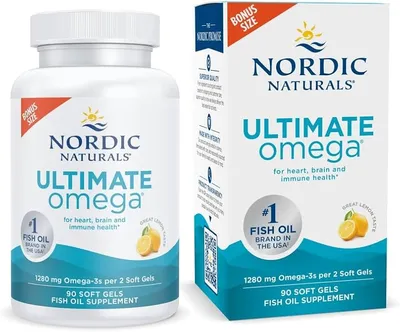
- Concentrated formula delivers 1,280 mg of omega-3s — about 1,100 mg of EPA plus DHA — in two softgels
- Nordic Naturals is an established, widely reviewed omega-3 brand
- Useful on the days you don't eat oily fish
- Mild blood-thinning effect — needs a doctor's sign-off if you take warfarin, apixaban, clopidogrel or daily aspirin
- Fish oil can cause burping or reflux in some men
- Costs more than basic fish oil per bottle
- In the VITAL trial, 1 g/day of marine omega-3 did not reduce major cardiovascular events, so expectations should stay modest
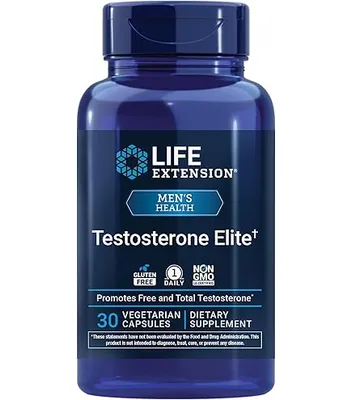
- Combines several commonly used prostate ingredients in one product
- Publishes exact per-ingredient amounts (320 mg saw palmetto, 180 mg beta-sitosterol and four more) rather than a proprietary blend
- Beta-sitosterol, one of the six ingredients, has shown modest benefit for urinary symptoms in some trials
- Reasonable to trial for 8–12 weeks alongside medical follow-up
- Contains 320 mg of saw palmetto CO2 extract; the CAMUS trial found saw palmetto extract — even escalating to 960 mg/day — no better than placebo over 72 weeks
- Saw palmetto can slightly lower PSA readings, which can complicate prostate screening
- Should never replace medical evaluation of new or worsening urinary symptoms
- Multi-ingredient formulas make it hard to know what, if anything, is helping
Frequently Asked Questions
What is the best vitamin for a 70 year old man?
Vitamin D3 is the most commonly needed single supplement, because older skin makes less vitamin D from sunlight and the RDA rises to 800 IU a day after age 70. Vitamin B12 runs a close second, since reduced stomach acid makes food-bound B12 harder to absorb in an estimated 10–30% of adults over 50. A men's 50+ multivitamin such as Nature Made Multi 50+ covers both at modest doses in one tablet.
Should a 70 year old man take a multivitamin every day?
For most men, yes — as inexpensive insurance rather than a treatment. In Physicians' Health Study II, 14,641 male physicians averaging 64 years old took a daily multivitamin or placebo for a median of 11.2 years, and the multivitamin group had about 8% fewer total cancers with no change in cardiovascular events. Choose an iron-free 50+ formula and look for USP Verified or NSF certification on the label.
What supplements help with energy for a 70 year old man?
Correcting a genuine deficiency helps; stimulant blends mostly don't. Low vitamin B12, low vitamin D, anemia, an underactive thyroid, sleep apnea and depression are the usual reasons a man in his 70s feels persistently tired, and all of them are found with a simple blood panel and a conversation with your doctor. Ask for that workup before spending money on "energy" formulas with proprietary blends.
Should a 70 year old man take iron supplements?
Not without a blood test showing deficiency. The RDA for adult men is only 8 mg, and unexplained iron deficiency in a man over 50 can be a sign of bleeding in the digestive tract that needs investigating rather than covering up. Excess iron also builds up in men with hereditary hemochromatosis, so choose an iron-free multivitamin unless your doctor advises otherwise.
How much vitamin D should a 70 year old man take daily?
The RDA after age 70 is 800 IU (20 mcg) per day, and most men do well on 1,000–2,000 IU of vitamin D3 taken with a meal containing fat. The tolerable upper intake level for adults is 4,000 IU a day, so ask for a 25-hydroxyvitamin D blood test before going higher. Men with a history of kidney stones or high blood calcium should only take vitamin D under medical supervision.