
Do Any Supplements Actually Help Tinnitus? An Honest Look
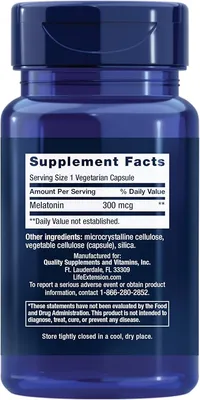
Life Extension Melatonin 300mcg
Not a tinnitus treatment — but a low, physiologic dose that may improve sleep quality if tinnitus is keeping you up at night.
If you’ve searched for a tinnitus supplement, you’ve probably seen big promises attached to ginkgo, zinc, B12, magnesium, or “tinnitus relief” formulas with a dozen ingredients. The honest answer is a disappointing one: no supplement has reliable evidence behind it for treating tinnitus itself. The American Academy of Otolaryngology’s own clinical practice guideline actually recommends against dietary supplements for persistent, bothersome tinnitus.
That doesn’t mean nothing here is worth a conversation with your doctor. Two situations are genuine exceptions: a real vitamin B12 or zinc deficiency, and melatonin’s effect on sleep quality — not the tinnitus sound itself. Here’s what the evidence actually shows, supplement by supplement, and what’s worth trying instead.
The Honest Short Answer
Tinnitus — ringing, buzzing, or hissing that only you can hear — affects roughly 10-25% of adults, and it becomes more common with age and hearing loss, according to the National Institute on Deafness and Other Communication Disorders (NIDCD). With so many people looking for relief, tinnitus has become one of the most heavily supplemented conditions on the shelf.
Here’s the short version:
- Ginkgo biloba: no evidence it helps when tinnitus is the main complaint.
- Zinc: no evidence of benefit, unless you’re genuinely deficient.
- Vitamin B12: only relevant if you’re deficient — otherwise not a tinnitus treatment.
- Melatonin: may improve sleep with tinnitus, not the tinnitus itself.
- Magnesium and multi-ingredient “tinnitus formulas”: no reliable evidence either way.
None of this means you’re out of options. It means the options that actually help aren’t sitting on a supplement shelf.
Why Tinnitus Supplements Are a Minefield
Tinnitus is distressing enough that people will try almost anything, and the supplement industry knows it. Because tinnitus severity naturally rises and falls on its own, it’s easy to start a supplement during a bad stretch, feel better as symptoms ease on their own, and credit the pill.
That pattern is exactly why controlled research matters more than testimonials. When researchers actually test tinnitus supplements against placebo, the results are consistently underwhelming. It’s also why the American Academy of Otolaryngology’s clinical practice guideline specifically recommends against dietary supplements for adults with persistent, bothersome tinnitus — not because no one has looked, but because the studies that exist don’t show a reliable benefit.
Part of the problem is regulatory. Dietary supplements don’t have to prove they work before they’re sold. A company can market a “tinnitus relief” formula based on a plausible-sounding ingredient list without ever running the kind of controlled trial that would test whether it actually helps. That’s very different from how a prescription medication reaches the market.
This matters for your wallet as much as your ears. “Tinnitus relief” supplements are rarely cheap, and many combine six or eight ingredients at doses too low to matter — banking on the placebo effect and the natural ups and downs of the condition. Before spending money on any of them, it helps to look at the evidence for each ingredient on its own.
The Supplement-by-Supplement Evidence
Ginkgo Biloba
Ginkgo biloba is the single most-marketed tinnitus supplement, based on an old theory that it improves blood flow to the inner ear. It’s a reasonable-sounding idea, but a Cochrane review of the research found no evidence that ginkgo helps when tinnitus is a person’s primary complaint.
That distinction matters. Some earlier, smaller studies that seemed to show benefit often included people with other conditions, not tinnitus as the main problem. When researchers isolate people whose main complaint is tinnitus itself, ginkgo doesn’t separate from placebo.
Zinc
Zinc plays a real role in nerve and auditory function, which is part of why it gets recommended for tinnitus. But a Cochrane review found no evidence that zinc supplements improve tinnitus in adults generally.
The theory becomes plausible only in a narrow case: genuine zinc deficiency. If a blood test shows your zinc is actually low, correcting that is reasonable for your overall health. Taking zinc supplements when your levels are already normal simply hasn’t been shown to quiet tinnitus.
Vitamin B12
B12 absorption naturally declines after age 60, and common medications — metformin and acid-reducing drugs among them — can deplete it further. That matters for nerve health broadly, and low B12 is worth ruling out with a simple blood test.
Here’s the honest caveat: correcting a real B12 deficiency supports your nervous system, but B12 is not a tinnitus treatment. If your levels are already normal, taking more B12 isn’t likely to change your tinnitus at all. Nature Made Vitamin B12 1000mcg is a reasonable, affordable option if bloodwork shows you’re low, while Thorne Methylcobalamin uses the active, more bioavailable form of B12 — worth considering if absorption itself is the concern. Our B12 supplement comparison covers the different forms in more depth.
Melatonin
Melatonin doesn’t quiet tinnitus, but it may help with something tinnitus makes worse: sleep. Small studies suggest people with tinnitus sleep more soundly when taking melatonin, likely because it improves sleep quality generally rather than acting on the tinnitus itself.
That’s not nothing. Poor sleep tends to make tinnitus feel louder and harder to tune out the next day, so better sleep can improve how tinnitus feels day to day even without changing the sound. Life Extension Melatonin 300mcg uses a low, physiologic dose, which fits this use case better than the much higher doses sold for jet lag. See our guide on whether melatonin is safe for seniors before starting any dose.
Magnesium and Multi-Ingredient Formulas
Magnesium shows up in most “tinnitus support” formulas alongside zinc, B vitamins, and ginkgo, but there’s no reliable evidence that it reduces tinnitus loudness or distress. The same goes for most branded multi-ingredient tinnitus supplements — combining several unproven ingredients doesn’t create evidence where none exists for the individual pieces.
If you’re already taking magnesium for sleep or muscle cramps, there’s no reason to stop. Just don’t expect it, or any combination formula, to be the thing that quiets your ears.
What Actually Helps
The interventions with real evidence behind them aren’t in the supplement aisle. The starting point for almost everyone with bothersome tinnitus is a hearing evaluation, because tinnitus is so often connected to some degree of hearing loss.
Hearing aids often reduce how noticeable tinnitus is, even in people who didn’t realize their hearing had declined. By amplifying outside sound, hearing aids give the brain something else to focus on besides the internal ringing, and for many people that alone makes a meaningful difference.
Sound therapy works on a similar principle. Background noise, a white noise machine, or the masking features built into many modern hearing aids give your brain competing sound so the tinnitus is less noticeable, especially at night or in quiet rooms.
For many people, tinnitus also becomes less bothersome over time through a process called habituation — the brain gradually learns to filter out the sound, much like you stop noticing a ceiling fan running in the background. Sound therapy and cognitive behavioral therapy (CBT) both work partly by supporting this natural process rather than fighting the tinnitus directly.
CBT is one of the best-supported treatments for tinnitus-related distress. It doesn’t eliminate the sound, but it changes your relationship to it — reducing the anxiety, sleep disruption, and attention-grabbing quality that make tinnitus hard to live with. Mayo Clinic’s overview of tinnitus notes that treating an identifiable underlying cause is often the most effective path — which is exactly why a hearing evaluation comes first, not last.
Red Flags: When Tinnitus Needs a Doctor Promptly
Most tinnitus is a nuisance, not an emergency. But a few patterns deserve a prompt doctor visit rather than a wait-and-see approach:
- One-sided tinnitus — ringing in only one ear, rather than both, can signal something localized that needs evaluation.
- Pulsatile tinnitus — a whooshing or thumping sound that syncs with your heartbeat, rather than a steady tone, has different causes and needs its own workup.
- Sudden hearing loss or dizziness alongside tinnitus — this combination needs timely medical attention, not a supplement trial.
It’s also worth a pharmacist review of your medications. High-dose aspirin and other NSAIDs, some diuretics, and certain antibiotics can contribute to or worsen tinnitus. If you take any of these regularly, ask your doctor or pharmacist whether they could be a factor — and never stop a prescribed medication on your own without talking to them first. If supplements are already part of a bigger medication routine, our guide to supplement and medication interactions is a good place to start.
The Bottom Line
If you take one thing from this: no supplement has reliable evidence for treating tinnitus itself, and that includes the ones marketed specifically for it. Ginkgo biloba and zinc haven’t held up in Cochrane reviews, and magnesium and multi-ingredient formulas don’t have the evidence to back their claims either.
The exceptions are narrow and worth a conversation with your doctor: correcting a genuine B12 or zinc deficiency confirmed by bloodwork, and using melatonin for sleep quality rather than as a tinnitus cure. Beyond that, the interventions that actually help — a hearing evaluation, hearing aids, sound therapy, and CBT — aren’t supplements at all.
Tinnitus is frustrating precisely because there’s no pill that fixes it. But there are real, evidence-based ways to make it far less disruptive to your life, and that’s a better use of your time and money than another bottle on the shelf.
Products We Recommend
Frequently Asked Questions
Does ginkgo biloba help tinnitus?
Probably not, based on the best evidence available. Ginkgo biloba is the most heavily marketed supplement for tinnitus, but a Cochrane review found no evidence that it helps when tinnitus is someone's main complaint. Some people feel better while taking it, which may simply reflect how much tinnitus naturally fluctuates day to day rather than a true effect from the supplement. If you're considering it anyway, mention it to your doctor or pharmacist, especially if you take other medications.
Can a vitamin deficiency cause tinnitus?
A true deficiency can contribute to it, though most people with tinnitus aren't actually deficient. Vitamin B12 absorption naturally declines after age 60, and common medications like metformin and acid-reducing drugs can deplete it further. If bloodwork confirms a real B12 or zinc deficiency, correcting it supports nerve health and is worth doing — but B12 and zinc supplements aren't a general tinnitus treatment for people whose levels are already normal. A simple blood test is the only way to know whether deficiency is part of your picture.
Does zinc help tinnitus?
Not for most people. A Cochrane review found no evidence that zinc supplements improve tinnitus in adults generally. The theory behind zinc is plausible mainly for people with an actual zinc deficiency, since zinc plays a role in nerve and auditory function — but taking extra zinc when your levels are already normal hasn't been shown to help. A blood test for zinc deficiency is a more useful first step than guessing with a supplement.
Does melatonin help tinnitus?
Not directly, but it may help you sleep better despite the tinnitus. Small studies suggest people with tinnitus sleep more soundly when taking melatonin, likely because it improves sleep quality generally rather than quieting the tinnitus itself. That still matters, since poor sleep tends to make tinnitus feel louder and harder to cope with the next day. Think of melatonin as a sleep aid you're using alongside tinnitus, not a tinnitus treatment.
Does magnesium help tinnitus?
There's no good evidence that it does. Magnesium is often included in 'tinnitus formula' supplements alongside zinc, B vitamins, and ginkgo, but there isn't reliable research showing it reduces tinnitus loudness or bothersomeness. It's generally well tolerated at normal doses and may support sleep or muscle relaxation for some people, but don't expect it to quiet the ringing. Save your money unless you have another reason to take it.
Why is there no cure for tinnitus?
Because tinnitus usually isn't one problem with one fix — it's the brain's response to changes in hearing, most often some degree of hearing loss or damage to the inner ear's hair cells. Once that change happens, the auditory system can generate a persistent internal sound as it adjusts, and that process isn't easily reversed with a pill. That's part of why supplements marketed as tinnitus 'cures' don't hold up in real research. Treatment instead focuses on managing the perception and impact of tinnitus — through hearing correction, sound therapy, and approaches like cognitive behavioral therapy — rather than eliminating the underlying sound.
When should I see a doctor about tinnitus?
See a doctor promptly if your tinnitus is in one ear only, pulses in rhythm with your heartbeat, or started along with sudden hearing loss or dizziness — these patterns need timely evaluation rather than a wait-and-see approach. It's also worth a visit for tinnitus that's new, worsening, or affecting your sleep, mood, or concentration. Bring a list of your medications, since some — including high-dose aspirin or other NSAIDs, certain diuretics, and some antibiotics — can contribute to tinnitus and might be adjustable. A hearing evaluation is usually the most useful first step.