
What Vitamins Help with Excessive Bruising in Your 70s?
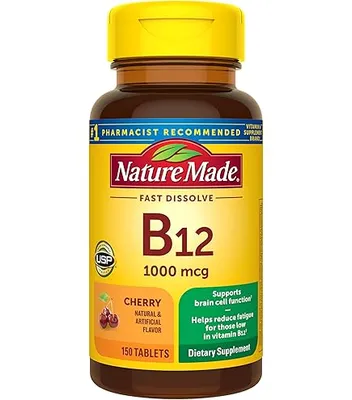
Nature Made Vitamin C 1000mg
A sensible, inexpensive choice if your diet is genuinely low in fruit and vegetables and your doctor has confirmed a vitamin C shortfall — not something to start on the assumption that bruising means deficiency.
- USP Verified — independently tested for purity and potency
- 1,000mg per tablet — clinically relevant dose
- Very affordable at under $0.10 per day
If you have started noticing purple patches on your forearms and hands that you cannot explain, the honest answer is that a vitamin deficiency is rarely the cause. After 70, most easy bruising traces back to skin that has thinned with age and to common medications — blood thinners, daily aspirin, and corticosteroids. That said, three nutrients do matter: vitamin C (75–90 mg daily), vitamin K (90–120 mcg daily), and zinc (8–11 mg daily). Fixing a real shortfall may help. Loading up past that has not been shown to.
The Detailed Answer
Here’s what the research actually shows: nutrition is a small piece of the bruising picture after 70, and it is worth looking at only after the bigger causes have been ruled out. Below is the honest order of likelihood, then the three nutrients that genuinely matter and how much of each you need.
Start with the most likely cause: skin, sunlight, and medications
The classic pattern after 70 — flat purple patches on the backs of the hands and the forearms, appearing after a knock so minor you don’t remember it — has a name: actinic purpura, sometimes called senile purpura. Decades of sun exposure weaken the collagen that cushions small blood vessels, and the fat layer under the skin thins, so vessels tear easily and blood spreads under the surface. It is cosmetic, not dangerous, and no vitamin reverses it.
Medications are the second big driver. Warfarin, apixaban, rivaroxaban, clopidogrel, and daily low-dose aspirin all make bleeding under the skin more visible. Oral and inhaled corticosteroids thin the skin further. Regular NSAIDs such as ibuprofen and naproxen — which the Beers Criteria flags as higher-risk in adults over 65 — add to the effect. Fish oil, high-dose vitamin E, ginkgo, and garlic supplements can also nudge bleeding time. Before you buy anything, go through your full medication and supplement list with your pharmacist.
Vitamin C: the one deficiency clearly linked to bruising
Vitamin C is required to build collagen, the protein that gives blood vessel walls their strength. In genuine deficiency — scurvy — easy bruising, bleeding gums, and poor wound healing are hallmark signs. It is uncommon but not extinct, and the NIH Office of Dietary Supplements notes that older adults with limited, repetitive diets, heavy alcohol use, or smoking are among those at risk.
The recommended intake is 75 mg a day for women and 90 mg a day for men, with an extra 35 mg for people who smoke. That is one orange plus half a cup of red pepper. If you eat almost no fruit or vegetables, a supplement is reasonable — something like Nature Made Vitamin C 1000mg, which is USP Verified and costs about $12, delivers far more than you need but stays under the 2,000 mg daily upper limit. What the evidence does not show is that extra vitamin C reduces bruising in people whose levels are already normal.
Vitamin K: important for clotting, risky to self-prescribe
Vitamin K is the cofactor your liver needs to make several clotting factors. True deficiency does cause bruising and bleeding, but it is rare in adults who eat normally; the adequate intake is 90 mcg a day for women and 120 mcg for men, and a single cup of cooked kale or spinach clears that several times over.
The warning matters more than the recommendation. Vitamin K directly opposes warfarin, and a new supplement can drop your INR and raise clot risk within days. Prolonged antibiotic courses or fat-malabsorption conditions can lower vitamin K, but that is a diagnosis your doctor makes with a blood test — not a guess you make at the pharmacy shelf. Do not start vitamin K on your own if you take any anticoagulant.
Zinc: worth checking if your diet is limited
Zinc supports collagen formation and wound repair, and deficiency is associated with slow healing and fragile skin. Intake needs are modest — 8 mg a day for women, 11 mg for men — but appetite loss, restricted diets, and certain medications make low-grade shortfalls more common after 70.
If you and your doctor decide to supplement, a well-absorbed form at a sensible dose is the way to go. Thorne Zinc Picolinate 30mg is NSF Certified for Sport and runs about $14, and 30 mg sits below the 40 mg daily upper limit. Long-term zinc above that limit can interfere with copper absorption, so it is not a supplement to take indefinitely without a reason.
| Nutrient | Daily target after 70 | Best food sources | Main caution |
|---|---|---|---|
| Vitamin C | 75 mg (women) / 90 mg (men) | Citrus, peppers, broccoli, strawberries | Upper limit 2,000 mg; high doses upset some stomachs |
| Vitamin K | 90 mcg (women) / 120 mcg (men) | Kale, spinach, broccoli, Brussels sprouts | Interacts directly with warfarin |
| Zinc | 8 mg (women) / 11 mg (men) | Oysters, beef, poultry, beans, nuts | Upper limit 40 mg; long-term excess lowers copper |
What you probably don’t need
Bruise-specific supplements marketed with arnica, bromelain, or bioflavonoid blends have thin evidence in older adults, and “proprietary blend” labels hide how much of anything you are actually getting. Neither does a multivitamin fix actinic purpura. The bottom line: test before you treat, and treat the medication list first.
Related Questions
Why do I bruise so easily in my 70s when I never used to?
The change is usually structural rather than nutritional. Sun-damaged collagen and a thinner layer of fat under the skin leave small blood vessels unprotected, so ordinary contact — a doorframe, a grocery bag, a blood draw — causes visible bleeding. Adding a blood thinner, daily aspirin, or a steroid on top of that makes the change feel sudden even when it built up over years.
Can taking vitamin C actually make bruises heal faster?
If your vitamin C level is low, correcting it supports collagen repair and may improve how quickly skin bounces back. If your level is already adequate, there is no good evidence that extra speeds healing. For a look at forms, doses, and third-party testing, see our roundup of the best vitamin C supplements for adults over 70.
Which medications and supplements make bruising worse?
Anticoagulants, antiplatelet drugs, corticosteroids, and regular NSAIDs are the main prescription culprits. On the supplement side, fish oil, high-dose vitamin E, ginkgo biloba, and concentrated garlic can add to bleeding tendency, especially when stacked with a blood thinner. Our guide to supplements and medication interactions walks through the combinations worth reviewing with your pharmacist.
What else should I be taking after 70 if bruising isn’t a deficiency?
The nutrients that most often fall short after 70 are vitamin B12, vitamin D, and calcium — none of which are bruising-related, but all of which matter for nerve function, bone strength, and balance. A good starting point is our overview of the essential vitamins for adults over 50, then a conversation with your doctor about which ones your bloodwork actually supports.
When to Talk to Your Doctor
Bruising is one symptom where a prompt appointment is genuinely the right move rather than a cautious formality. Call your doctor — don’t wait for the next routine visit — if you notice any of the following:
- Bruises appearing suddenly, in numbers, with no injury you can recall
- Frequent or unusually large bruises, or one that keeps enlarging
- Bruising alongside bleeding gums, frequent nosebleeds, or blood in urine or stool
- A bruise that shows no improvement after two weeks
- New bruising that started within weeks of a new medication
- Bruising with unusual fatigue, fever, weight loss, or night sweats
These patterns can point to low platelets, a clotting disorder, liver disease, or a blood cancer, and they are worth checking. A basic workup is inexpensive: a complete blood count with platelets, a PT/INR, liver function tests, and — if your diet has been limited — vitamin C, vitamin K, and zinc levels.
Also talk to your doctor or pharmacist before starting any supplement discussed here, particularly if you take warfarin, apixaban, rivaroxaban, clopidogrel, or daily aspirin. Bring the actual bottles or a photo of the labels. Worth considering in the meantime: long sleeves and padded sleeves for gardening and housework, good lighting on stairs and in hallways, and daily sunscreen on the hands and forearms, which may slow further collagen loss.
Sources:
- Vitamin C — Fact Sheet for Health Professionals, NIH Office of Dietary Supplements — Supports the 75/90 mg daily recommendations, the extra 35 mg for smokers, the 2,000 mg upper limit, and the link between deficiency (scurvy) and easy bruising.
- Vitamin K — Fact Sheet for Health Professionals, NIH Office of Dietary Supplements — Supports the 90/120 mcg adequate intake, the role in clotting factor synthesis, and the warfarin interaction.
- Zinc — Fact Sheet for Health Professionals, NIH Office of Dietary Supplements — Supports the 8/11 mg daily recommendations, the 40 mg upper limit, and the copper-depletion risk of long-term high intake.
- Easy bruising: Why does it happen? — Mayo Clinic — Supports thinning skin, loss of the protective fatty layer, and medications (blood thinners, aspirin, corticosteroids, NSAIDs) as the leading causes of bruising in older adults, and lists warning signs.
- Bruises — Cleveland Clinic — Supports red-flag symptoms and when bruising warrants medical evaluation.
- American Geriatrics Society 2023 Updated AGS Beers Criteria for Potentially Inappropriate Medication Use in Older Adults — Supports the statement that regular NSAID use is flagged as higher-risk in adults over 65.
Products We Recommend
- USP Verified — independently tested for purity and potency
- 1,000mg per tablet — clinically relevant dose
- Very affordable at under $0.10 per day
- No artificial colors, flavors, or preservatives
- Tablets are large — may be difficult for some to swallow
- Ascorbic acid form is not buffered and may cause stomach upset
- Tablet form only — no chewable, gummy, or capsule option
- Far more vitamin C than the daily requirement for most adults
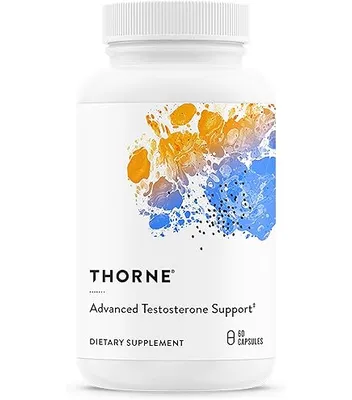
- Zinc picolinate — one of the best-absorbed zinc forms
- 30mg dose sits below the 40mg daily upper limit
- NSF Certified for Sport — rigorous third-party testing
- Free of soy, gluten, dairy, and artificial additives
- Higher price per serving than basic zinc gluconate
- Capsule form only — no chewable or liquid option
- Does not include copper, which matters for long-term use
- 30mg is more than many adults need daily
Frequently Asked Questions
What vitamin deficiency causes easy bruising in older adults?
Vitamin C deficiency is the one most clearly linked to bruising, because vitamin C is needed to build the collagen that supports small blood vessels. Severe deficiency, known as scurvy, causes easy bruising along with bleeding gums and slow wound healing. Vitamin K and zinc deficiencies can also contribute, but all three are uncommon in adults who eat a varied diet.
How much vitamin C should someone in their 70s take for bruising?
The recommended daily intake is 75 mg for women and 90 mg for men, plus an extra 35 mg for people who smoke — amounts easily met by one orange and half a cup of red pepper. Supplements commonly provide 500 to 1,000 mg, which is safe below the 2,000 mg daily upper limit but has not been shown to reduce bruising in people whose levels are already normal. Ask your doctor to check your level before assuming a deficiency.
Is easy bruising in your 70s a sign of something serious?
Usually not — the most common cause is actinic purpura, the flat purple patches on sun-exposed forearms and hands caused by thinning skin. It becomes concerning when bruises appear suddenly and in numbers with no injury, are unusually large or keep enlarging, or come with bleeding gums, nosebleeds, or blood in urine or stool. Those patterns deserve a prompt doctor visit and a blood count.
Can I take a vitamin K supplement if I'm on a blood thinner?
Not without your prescriber's direction. Vitamin K directly counteracts warfarin and can lower your INR within days, raising your risk of a clot. If a blood test shows you are genuinely low in vitamin K, your doctor can correct it while adjusting your anticoagulant dose and monitoring you.
Does zinc help bruises heal faster?
Zinc supports collagen formation and wound repair, so correcting a genuine deficiency may improve healing. Daily needs are modest at 8 mg for women and 11 mg for men, and supplements should stay below the 40 mg upper limit, since long-term excess zinc interferes with copper absorption. There is no good evidence that extra zinc speeds bruise healing in people with normal levels.