
Are Electrolyte Drinks Safe for Seniors? What to Know Before You Sip
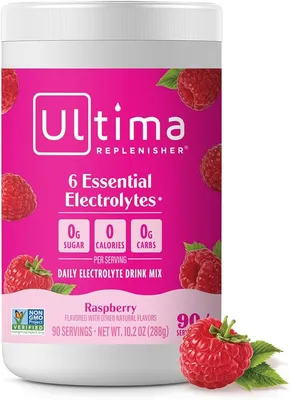
Ultima Replenisher Electrolyte Powder
Worth considering for adults who want an everyday-friendly powder with about 55 mg of sodium and 0 g of sugar per scoop — among the lower-sodium options in this category — but confirm the current numbers on the label before making it a habit.
- A scoopable powder makes it easy to use a half serving
- Widely available in variety packs so you can test flavors before committing
Here’s what the research actually shows: for most healthy adults over 60, drinking an electrolyte mix now and then is not risky — but the sodium on the label is what deserves a second look. Federal guidance puts the daily sodium ceiling at less than 2,300 mg, and the American Heart Association suggests 1,500 mg as the ideal target for most adults, particularly anyone treating high blood pressure. A single sports-style electrolyte serving can hand you anywhere from a third to two-thirds of that in one glass, depending on the formula. And if you take a diuretic, an ACE inhibitor or ARB, a potassium-sparing pill, or your kidney function is reduced, this becomes a conversation to have with your doctor or pharmacist before you buy — because on most days, plain water and ordinary food already do the job.
The Detailed Answer
Electrolyte drinks are not a single product with a single safety profile. They are a category that runs from nearly salt-free flavored powders to concentrated rehydration mixes built for endurance athletes. Whether one is safe for you at 62, 78 or 90 depends far less on your age than on three things: how much sodium is in the serving, how well your kidneys clear potassium, and which prescriptions are in your medicine cabinet.
Sodium is the first number to check
The Dietary Guidelines for Americans and the FDA advise adults to stay under 2,300 mg of sodium per day. The American Heart Association goes further, recommending an ideal limit of 1,500 mg a day for most adults, especially those with high blood pressure.
Electrolyte servings vary enormously — some contain well under 100 mg of sodium, while mixes designed for heavy sweat losses can carry 1,000 mg or more in a single stick. That upper end is not automatically dangerous, but for someone taking a blood-pressure medication or managing heart failure, it is a meaningful amount of salt arriving in liquid form, where it is easy to overlook.
A practical habit: read the Nutrition Facts panel, not the front of the package. Look at sodium per serving, then at how many servings you would realistically drink in a day. Adding 2,000 mg of sodium to an already salty diet can work against a medication your doctor prescribed specifically to lower your blood pressure.
Potassium, kidneys, and the medications that change the math
Kidney function tends to decline gradually with age, and the CDC reports chronic kidney disease is far more common after 65 — affecting roughly one in three adults in that age group. Kidneys are what remove excess potassium from the blood, so when they are working at reduced capacity, added potassium is no longer harmless.
The NIH Office of Dietary Supplements notes that potassium supplements can raise blood potassium to unsafe levels in people taking ACE inhibitors (such as lisinopril), ARBs (such as losartan), or potassium-sparing diuretics (such as spironolactone), and in people with reduced kidney function. High blood potassium — hyperkalemia — can cause muscle weakness and irregular heart rhythms, and it often produces no warning symptoms at all.
For reference, the recommended daily intake of potassium is 3,400 mg for men and 2,600 mg for women, mostly from food. If you have kidney disease or take any of the medications above, an electrolyte product’s potassium line matters as much as its sodium line.
The opposite problem: drinking only water
There is a real risk on the other side, and it is one reason electrolyte drinks exist. Hyponatremia — blood sodium below 135 mmol/L — becomes more common with age and is a known side effect of thiazide diuretics, SSRIs and some other medications. Drinking large volumes of plain water during illness, heat or heavy sweating can dilute sodium further, causing confusion, headache, unsteadiness or falls that are easy to mistake for something else.
The American Geriatrics Society Beers Criteria specifically flags drugs that can cause or worsen hyponatremia in older adults and advises monitoring sodium levels when they are started. If you take one of those medications, a modest amount of sodium with your fluids during a hot day may be sensible — which is exactly the conversation to have with your pharmacist rather than guessing.
So when is an electrolyte drink actually worth it?
Worth considering for: vomiting or diarrhea, a fever, heavy sweating during outdoor work or exercise, a hot day when you’ve been outside for hours, or the day before and after a procedure that required fasting. Cleveland Clinic recommends an electrolyte drink for significant sweating, fluid loss from vomiting or diarrhea, or extended time exercising or in the sun; for shorter, lower-intensity activity, plain water is enough.
Probably not needed for: normal days indoors, light activity, or as a daily habit “just in case.” That habit mostly adds sodium, sugar or sweeteners and cost.
Three brands readers ask about most illustrate how much this varies. Ultima Replenisher’s standard powder runs about 55 mg of sodium and 0 g of sugar per scoop; LMNT Recharge runs about 1,000 mg of sodium, 200 mg of potassium and 0 g of sugar per stick; Liquid I.V.’s original Hydration Multiplier lands in between — our earlier review lists it at about 500 mg of sodium and 370 mg of potassium per packet — and its standard version contains added sugar.
Related Questions
Is it OK for a 78-year-old to take electrolytes?
Age alone is not a reason to avoid them. What matters at 78 is kidney function (an eGFR from a recent blood test), blood pressure, and whether there is heart failure or a diuretic in the picture. A person with normal kidney function and no blood-pressure medication can usually use a standard electrolyte mix during illness or heat without trouble; someone on furosemide, spironolactone or a low-sodium heart-failure diet should get a specific green light from their prescriber first.
Do electrolyte tablets work for people in their 60s?
Yes — the physiology of sodium, potassium and water absorption does not change fundamentally with age, and small amounts of glucose or sodium help the gut absorb water more efficiently than water alone. What changes is the margin for error: less kidney reserve and more medications. If you want a comparison of formulas by sodium, sugar and third-party testing, our review of the best electrolyte supplements for seniors breaks down the labels side by side.
Why do I get dehydrated more easily than I used to?
Thirst sensation blunts with age, so the signal that used to send you to the sink arrives later or not at all, and total body water declines as well. The National Institute on Aging recommends drinking on a schedule rather than waiting to feel thirsty. We cover the mechanics in more depth in why you get more dehydrated as you age.
Can electrolyte drinks interact with my blood pressure medication in hot weather?
Indirectly, yes — and heat is the complicating factor. Diuretics increase fluid and sodium loss, some blood-pressure medications blunt the body’s ability to cool itself, and adding a high-sodium drink can push blood pressure up while adding a high-potassium one can be a problem alongside an ACE inhibitor or ARB. Our guide to heat and your medications after 50 lists the drug classes most affected.
When to Talk to Your Doctor or Pharmacist
Before you make electrolyte drinks a regular habit, talk to your doctor or pharmacist if any of the following applies:
- You have chronic kidney disease or a reduced eGFR. Both sodium and potassium need a specific limit set by your kidney team.
- You take a diuretic, ACE inhibitor, ARB, potassium-sparing agent, or have heart failure. Ask what daily sodium and potassium ceiling applies to you, in milligrams.
- You have high blood pressure that is not yet controlled. A 1,000 mg sodium drink can offset real progress.
- You take an SSRI, SNRI, carbamazepine or a thiazide. These are associated with low sodium; your doctor may want a blood test rather than a supplement.
- You have diabetes. Some mixes contain added sugar; ask whether a sugar-free version fits your plan.
- New confusion, unusual weakness, dizziness or swelling appears. These can signal a sodium or potassium problem and deserve same-week attention, not a different drink mix.
Bring the actual container or a photo of the label to the appointment. A pharmacist can read the sodium and potassium per serving against your medication list in about two minutes — the fastest safety check available to you.
The bottom line: electrolyte drinks are a tool for specific situations, not a daily vitamin. Used occasionally, with the label read and your medications considered, they are safe for most adults over 60. Used daily and unexamined, they are mostly an expensive way to add salt.
Sources:
- FDA — Sodium in Your Diet — Supports the recommendation to keep sodium below 2,300 mg per day for adults.
- American Heart Association — How much sodium should I eat per day? — Supports the 1,500 mg ideal daily sodium limit for most adults, especially with high blood pressure.
- NIH Office of Dietary Supplements — Potassium Fact Sheet for Health Professionals — Supports potassium intake recommendations (3,400 mg men / 2,600 mg women) and interactions with ACE inhibitors, ARBs and potassium-sparing diuretics.
- CDC — Chronic Kidney Disease Data and Research — Supports the prevalence of chronic kidney disease among adults aged 65 and older.
- Mayo Clinic — Hyponatremia — Supports the definition of hyponatremia (blood sodium below 135 mmol/L) and its risk factors including diuretics, older age and excessive water intake.
- American Geriatrics Society 2023 Updated AGS Beers Criteria — Supports the caution about medications that can cause or worsen hyponatremia in older adults and the advice to monitor sodium.
- Cleveland Clinic — Dehydration — Supports guidance that electrolyte replacement is most useful when fluid losses are large, such as illness or heavy sweating.
- National Institute on Aging — Getting Enough Fluids — Supports blunted thirst with age and the advice to drink on a schedule rather than waiting for thirst.
- Cleveland Clinic — Hyperkalemia (High Potassium) — Supports symptoms and cardiac risks of elevated blood potassium, including that it can be symptomless.
- FDA — Dietary Supplements — Supports the statement that dietary supplements are not pre-approved by the FDA, which is why third-party testing matters.
- Ultima Replenisher — Lemonade Electrolyte Powder Drink (manufacturer product page) — Supports the sodium (55 mg), potassium (250 mg) and zero-added-sugar figures cited for Ultima Replenisher.
- LMNT — Recharge Electrolyte Drink (manufacturer product page) — Supports the sodium (1,000 mg), potassium (200 mg) and zero-sugar figures cited for LMNT Recharge.
Products We Recommend
- A scoopable powder makes it easy to use a half serving
- Widely available in variety packs so you can test flavors before committing
- Sodium and potassium per serving should be verified against your medication list
- Formulas and flavor lineups change, so past label information may be out of date
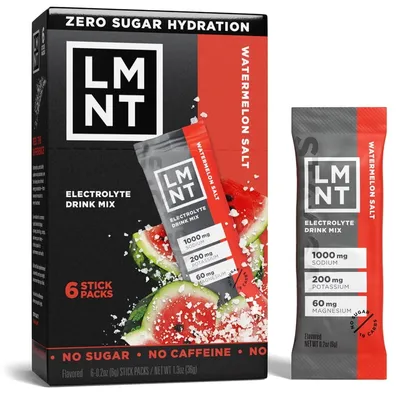
- Single-serve sticks make the dose consistent and portable
- Useful during prolonged heat exposure or heavy sweating
- Runs about 1,000 mg of sodium per stick — check with your doctor or pharmacist if you have hypertension or heart failure
- Premium price per serving compared with plain water plus food
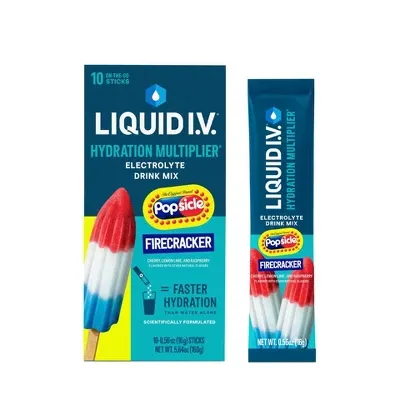
- Easy to find in most pharmacies and grocery stores
- Convenient single-serve packets for travel or sick days
- The standard version contains added sugar — check the panel if you have diabetes
- Best kept for real fluid losses rather than daily sipping, since each packet adds sodium and sugar
Frequently Asked Questions
Can a 90-year-old take electrolyte tablets?
Often yes, but it depends on kidney function and medications rather than age. At 90, reduced kidney reserve is common, so a doctor or pharmacist should confirm the sodium and potassium amounts are appropriate — especially with a diuretic, an ACE inhibitor or an ARB. If the pharmacist agrees, a cautious approach is half a serving in a full glass of water, on hot days or during illness only.
How many electrolyte drinks a day is too much after 60?
There is no single number, but the daily sodium ceiling is a useful guide: under 2,300 mg per day, or 1,500 mg for most adults with high blood pressure. If one serving contains 1,000 mg of sodium, two servings plus a normal diet will exceed both targets. For most people over 60, one serving on a genuinely hot or ill day is plenty.
Are sugar-free electrolyte powders better if I have diabetes?
Sugar-free versions avoid the glucose load, which many people with diabetes prefer, and they still deliver sodium and potassium. However, a small amount of glucose actually helps the intestine absorb sodium and water, so during vomiting or diarrhea a formula with some sugar may rehydrate more effectively. Ask your doctor which trade-off fits your blood sugar targets.
Should I drink electrolytes instead of water during a heat wave?
Water should still be the base; electrolytes are an addition when sweating is heavy or prolonged. Drinking only large volumes of plain water during heavy sweating can dilute blood sodium, which is a known risk in older adults, particularly those on thiazide diuretics or SSRIs. A reasonable pattern is water throughout the day plus one electrolyte serving after extended time outdoors.
Do I need a third-party tested electrolyte product?
Third-party testing — NSF Certified for Sport, USP Verified, or ConsumerLab results — confirms that what's on the label is in the package, which matters because supplements are not pre-approved by the FDA. It is a reasonable tiebreaker between two similar products. Also avoid anything listing a "proprietary blend," since that hides the actual milligrams of sodium and potassium you are drinking.