
Testosterone Replacement Therapy (TRT): A Complete Guide for Men Over 50
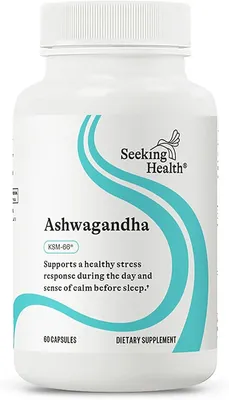
Jarrow Formulas KSM-66 Ashwagandha 600mg
Best supplement option for men with borderline testosterone who want natural support before considering TRT.
- Most-studied ashwagandha extract for testosterone support
- 17% testosterone increase in randomized controlled trial (Lopresti 2019)
Testosterone replacement therapy (TRT) is a medical treatment that restores testosterone to normal levels in men whose blood tests confirm clinically low levels — generally total testosterone below 300 ng/dL on two separate morning draws, combined with symptoms. It’s not the same as taking a testosterone booster supplement, and it’s not the same as anabolic steroids used for bodybuilding. TRT is a legitimate, well-studied medical treatment for a diagnosable hormonal deficiency. Whether it’s right for you is a decision to make with your doctor, based on your specific numbers, symptoms, and health profile.
This article is for educational purposes. TRT is a prescription medical treatment with real benefits and real risks. Do not self-prescribe testosterone. All treatment decisions should be made with a qualified physician — ideally an endocrinologist or urologist experienced in testosterone management.
What Is Testosterone Replacement Therapy?
TRT delivers exogenous (external) testosterone to your body to replace what your testes are no longer producing in adequate amounts. The goal is normalization — bringing your levels back into the healthy range (typically 450-700 ng/dL), not pushing them to supraphysiological levels.
This distinction matters because it separates TRT from testosterone abuse. Bodybuilders who inject testosterone use doses 5-10 times higher than TRT, aiming for levels of 2,000-3,000+ ng/dL. TRT aims for the middle of the normal range — where a healthy 30-year-old’s levels would sit. The dosing, monitoring, and medical supervision are entirely different from performance-enhancing use.
TRT has been prescribed and studied since the 1940s. It’s not experimental. Major medical organizations — including the American Urological Association (AUA), the Endocrine Society, and the European Association of Urology — have published clinical guidelines for its appropriate use. The stigma around testosterone treatment has faded considerably as the medical evidence has grown.
When Is TRT Appropriate?
TRT isn’t for every man who feels tired or notices he’s not recovering from workouts like he used to. It’s for men with a specific medical condition: hypogonadism (clinically low testosterone).
The Diagnostic Criteria
The Endocrine Society guidelines require both of the following:
-
Total testosterone consistently below 300 ng/dL — confirmed by at least two separate morning blood draws (testosterone peaks between 7-10 AM and can be 20-30% lower in the afternoon). A single low reading isn’t enough because testosterone fluctuates day to day based on sleep, stress, illness, and other factors.
-
Symptoms consistent with low testosterone — fatigue that doesn’t improve with adequate sleep, decreased libido, erectile dysfunction, loss of muscle mass or strength despite exercise, increased body fat (especially visceral fat), depressed mood, difficulty concentrating, or reduced bone density.
Both criteria matter. Some men have testosterone at 250 ng/dL and feel perfectly fine — they may not need treatment. Other men at 320 ng/dL have significant symptoms — they may benefit from it. The number and the clinical picture together guide the decision.
Additional Blood Work
A thorough evaluation includes more than just total testosterone:
- Free testosterone — the biologically active form. Some men have normal total T but low free T because of high SHBG (sex hormone-binding globulin), which increases with age. Low free T with symptoms can warrant treatment even if total T is borderline.
- LH (luteinizing hormone) — helps distinguish primary hypogonadism (testes aren’t producing enough) from secondary (the brain isn’t signaling properly). This affects treatment approach.
- DHEA-S — your other major androgen precursor. Low levels may contribute to symptoms.
- Estradiol — men convert some testosterone to estrogen. Baseline levels help guide monitoring.
- CBC (complete blood count) — hemoglobin and hematocrit baseline, since TRT increases red blood cell production.
- PSA — prostate-specific antigen baseline before starting therapy.
- Thyroid function — because hypothyroidism mimics many low-T symptoms.
Your doctor should rule out other causes of your symptoms before attributing everything to low testosterone. Thyroid dysfunction, depression, sleep apnea, and chronic illness can all produce overlapping symptoms.
TRT Options Compared
TRT comes in several delivery forms. Each has distinct advantages and disadvantages. The “best” option depends on your lifestyle, preferences, and how your body responds.
Testosterone Gels/Creams (Daily Application)
Gels (AndroGel, Testim) and compounded creams are applied daily to the shoulders, upper arms, or thighs. The testosterone absorbs through the skin over several hours.
Pros: Steady daily absorption produces relatively stable blood levels. Easy to adjust dosing. Non-invasive — no needles. You can stop immediately if needed.
Cons: Must apply daily without missing doses. Risk of transference to women, children, or pets through skin contact (must wash hands thoroughly, cover the application site, and avoid skin-to-skin contact for several hours). Absorption varies between individuals — some men don’t absorb enough through the skin to reach therapeutic levels. More expensive than injections, especially brand-name gels.
Typical dosing: 50-100mg of testosterone daily, adjusted based on blood levels.
Testosterone Injections (Weekly or Biweekly)
Injectable testosterone (typically testosterone cypionate or enanthate) is injected intramuscularly or subcutaneously, usually once weekly or every two weeks.
Pros: Highly effective — absorption is reliable and predictable. Most affordable form of TRT (generic testosterone cypionate is quite inexpensive). No transference risk. Less frequent dosing than daily gels.
Cons: Requires self-injection (most men learn quickly, but some are uncomfortable with needles). Blood levels peak 24-48 hours after injection and decline until the next dose, creating a “roller coaster” effect — especially with biweekly injections. Weekly or twice-weekly injections produce more stable levels than every-two-weeks protocols.
Typical dosing: 100-200mg of testosterone cypionate per week (or equivalent), adjusted based on blood levels.
Testosterone Pellets (Every 3-6 Months)
Small pellets (Testopel) are implanted under the skin of the hip or buttock in a minor office procedure. They release testosterone slowly over 3-6 months.
Pros: Most convenient — no daily or weekly dosing. Very stable blood levels once the pellets stabilize. No transference risk.
Cons: Requires an office procedure for implantation (local anesthesia, small incision). Pellet extrusion (pellets working their way out) occurs in a small percentage of patients. Dosing is harder to fine-tune — once the pellets are in, you’re committed to that dose for months. More expensive per procedure.
Typical dosing: 600-1,200mg implanted every 3-6 months, depending on metabolic rate.
Testosterone Patches (Daily)
Transdermal patches (Androderm) deliver testosterone through the skin over 24 hours.
Pros: Steady daily delivery. Easy to use.
Cons: Skin irritation at the application site is common (up to 30% of users). Patches can fall off during sweating or physical activity. Limited dose adjustment. Visible on the body. Less commonly prescribed now that gels and injections have become preferred.
Which Form Do Most Men Choose?
Injections and gels account for the vast majority of TRT prescriptions. Injections are the most popular among men who prioritize effectiveness and cost. Gels are preferred by men who want to avoid needles and prefer daily convenience. Pellets are a niche option for men who want maximum convenience and stable levels. Patches have largely fallen out of favor.
Benefits of TRT (What the Evidence Shows)
The most comprehensive evidence comes from the Testosterone Trials (TTrials) — a coordinated set of 7 randomized, placebo-controlled trials led by Snyder et al. (2016, 2018), involving 790 men aged 65 and older with confirmed low testosterone. These trials measured the effects of 1 year of testosterone gel versus placebo on multiple outcomes.
Sexual Function
The Sexual Function Trial showed that testosterone significantly improved all aspects of sexual activity — desire, erectile function, and overall sexual activity. The improvement in desire was the most consistent finding. Approximately 20% more men in the testosterone group reported meaningful improvement compared to placebo.
Energy and Vitality
The Vitality Trial found a modest but statistically significant improvement in energy and mood. Men on testosterone reported less fatigue and more vitality than placebo. The effect was real but smaller than many men expect — TRT improves energy, but it won’t make you feel 25 again.
Body Composition
TRT consistently produces favorable body composition changes across studies. A 2016 meta-analysis found that TRT increases lean muscle mass by 2-5 pounds and decreases fat mass by a similar amount over 6-12 months. The effect on visceral fat is particularly relevant — reducing belly fat improves metabolic health broadly.
Bone Density
The Bone Trial showed that testosterone increased bone mineral density and estimated bone strength, particularly in the spine and hip. This is clinically important because men over 50 are at meaningful risk for osteoporosis — often unrecognized because osteoporosis is incorrectly thought of as a women’s-only condition.
Mood and Cognitive Function
The TTrials found a modest improvement in mood, particularly in men with mild depressive symptoms. The cognitive function results were mixed — a slight improvement in some verbal memory measures but not others. TRT may help mood, but it’s not an antidepressant.
What TRT Does NOT Do
TRT doesn’t reverse aging, cure chronic disease, or replace the need for exercise and healthy habits. A sedentary man on TRT who eats poorly and sleeps 5 hours will get less benefit than an active man on TRT who takes care of himself. Testosterone therapy works best when combined with the lifestyle foundations — resistance training, adequate sleep, stress management, and proper nutrition.
Risks and Side Effects
Every medical treatment has trade-offs. TRT is no exception. Understanding the risks helps you make an informed decision with your doctor.
Polycythemia (Elevated Red Blood Cells)
TRT stimulates erythropoiesis — red blood cell production. In some men, hemoglobin and hematocrit rise above safe levels, increasing blood viscosity and theoretically the risk of blood clots. This is the most common side effect requiring intervention. Your doctor will monitor CBC regularly (typically every 3-6 months). If hematocrit exceeds 54%, dose adjustment or therapeutic phlebotomy (blood donation) may be needed.
Sleep Apnea
TRT can worsen existing obstructive sleep apnea. If you have untreated sleep apnea, it should be addressed before or simultaneously with starting TRT. Get screened if you snore heavily, gasp during sleep, or feel unrested despite adequate hours.
Fertility Suppression
This is a critical consideration for any man who may want children in the future. Exogenous testosterone suppresses the hypothalamic-pituitary-gonadal axis, which dramatically reduces or eliminates sperm production. TRT is effectively a male contraceptive in many cases. Sperm production usually recovers after stopping TRT, but recovery can take 6-12 months and may be incomplete, especially after prolonged use. If fertility is a concern, discuss alternatives with your doctor — clomiphene citrate or hCG can raise testosterone while preserving fertility.
Prostate Monitoring
Older concerns that TRT causes prostate cancer have not been supported by current evidence. The 2023 TRAVERSE trial and other large studies found no increased incidence of prostate cancer with TRT. However, testosterone does stimulate prostate tissue growth, so PSA levels should be monitored regularly. TRT is generally not recommended in men with active or untreated prostate cancer.
The Cardiovascular Question — Resolved
For years, the biggest controversy around TRT was cardiovascular safety. Two small, flawed studies in 2010 and 2014 raised alarm about increased heart attack and stroke risk with TRT. These studies had significant methodological problems, but they generated widespread concern.
The 2023 TRAVERSE trial (Lincoff et al.) definitively addressed this. TRAVERSE was the largest, most rigorous cardiovascular safety study of TRT ever conducted — 5,246 men aged 45-80 with hypogonadism and cardiovascular risk factors, followed for an average of 33 months. The result: TRT did not increase the risk of major adverse cardiovascular events (heart attack, stroke, or cardiovascular death) compared to placebo.
This was a landmark finding. It doesn’t mean TRT is risk-free — the polycythemia and other monitoring requirements remain — but it removes the cardiovascular risk as a primary argument against treatment.
TRT vs. Testosterone Supplements
This is one of the most common sources of confusion, so let’s be direct.
TRT delivers actual testosterone into your body. If your levels are 200 ng/dL, TRT can bring them to 500-700 ng/dL. It’s a direct replacement of what your body isn’t making enough of.
Testosterone supplements — ashwagandha, DHEA, zinc, fenugreek, tongkat ali — work indirectly. They support your body’s own testosterone production by reducing cortisol (ashwagandha), providing hormone precursors (DHEA), filling nutritional gaps (zinc), or reducing SHBG (tongkat ali). The result is typically a 10-20% increase from your baseline. If your baseline is 250 ng/dL, a 15% boost gets you to approximately 288 ng/dL — still well below the normal range.
What this means practically:
- If your testosterone is 350-500 ng/dL (borderline) and you have mild symptoms, supplements plus lifestyle optimization may be sufficient. Ashwagandha KSM-66 has the strongest evidence in this space — a 17% increase in the Lopresti 2019 trial. See our full guide on natural testosterone boosting and the ashwagandha testosterone evidence.
- If your testosterone is consistently below 300 ng/dL with symptoms, supplements are unlikely to bring you into the normal range. TRT is the appropriate medical intervention.
They’re different tools for different situations. Supplements aren’t “lesser TRT,” and TRT isn’t “supplements that actually work.” They address different degrees of the same problem.
What to Expect: The First 6 Months
Improvements from TRT don’t happen overnight. Different systems respond on different timelines, and understanding this prevents frustration and premature conclusions about whether it’s “working.”
Weeks 1-3: Subtle Changes
Most men don’t notice dramatic changes in the first few weeks. Some report a mild improvement in energy or mood, but this can be placebo effect. Blood levels are still stabilizing, especially with gels. Be patient.
Weeks 3-6: Libido and Energy
This is when most men notice the first reliable changes. Sexual desire often increases noticeably. Morning erections may return or become more frequent. General energy and sense of vitality typically improve. Mood may begin to lift, particularly if low testosterone was contributing to depressive symptoms.
Weeks 6-12: Momentum Builds
Erectile function continues to improve. Energy levels become more consistently elevated. Some men notice early body composition changes — slightly less belly fat, slightly more muscle definition, especially if they’re resistance training. Sleep quality may improve. Mental clarity and motivation often improve in this window.
Months 3-6: Body Composition and Strength
This is when visible changes accelerate. Muscle mass increases and fat mass decreases — typically 2-5 pounds of each over this period. Strength gains in the gym become noticeable. Waistline may decrease. Face and body may look somewhat leaner.
Months 6-12: Full Effect
Body composition changes continue. Bone density improvements become measurable (though you won’t feel these). Sexual function reaches its maximal improvement. Most benefits plateau by 9-12 months. At this point, your doctor will have dialed in your optimal dose based on blood work and symptom response.
What This Timeline Requires
Patience and consistent monitoring. You’ll need blood work at 6 weeks, 3 months, 6 months, and then every 6-12 months ongoing. Your doctor will check total and free testosterone, CBC (for polycythemia), PSA, estradiol, and metabolic markers. Dose adjustments are common in the first 6 months.
When Supplements Are the Better Choice
TRT isn’t always the answer. Here are scenarios where natural testosterone support through supplements and lifestyle changes is the more appropriate starting point.
Borderline Testosterone (300-500 ng/dL)
If your levels are in the gray zone — below optimal but not clinically deficient — lifestyle optimization and supplements are the logical first step. Many men in this range can push their levels up 50-100 ng/dL through resistance training, sleep improvement, weight loss, and stress management alone. Adding ashwagandha or DHEA (with blood work guidance) can provide additional support. If these strategies don’t resolve symptoms after 3-6 months, then TRT becomes a reasonable next step.
Fertility Concerns
If you want to father children now or in the foreseeable future, TRT is problematic because it suppresses sperm production. Supplements like ashwagandha, zinc, and DHEA don’t carry this risk. Your doctor may also consider clomiphene citrate — a prescription medication that raises testosterone while preserving (and sometimes enhancing) fertility.
Preference to Avoid Medication
TRT is a commitment. Once you start, your body reduces its own testosterone production, making you dependent on continued treatment. Some men prefer to optimize naturally first, accepting a smaller increase in exchange for maintaining their body’s own production. This is a valid choice, especially for men with borderline levels and mild symptoms.
Unresolved Lifestyle Factors
If you’re sleeping 5 hours, carrying 40 extra pounds, chronically stressed, sedentary, and drinking heavily — supplements or TRT won’t overcome those headwinds. Fix the foundations first. You may be surprised how much your testosterone improves without any supplementation at all. For a full protocol, see our natural testosterone optimization guide.
The Bottom Line
TRT is a well-studied, effective treatment for men with clinically confirmed low testosterone. It can meaningfully improve energy, sexual function, body composition, bone density, and quality of life. The 2023 TRAVERSE trial put the cardiovascular safety concern largely to rest. The real risks — polycythemia, fertility suppression, sleep apnea worsening, and the commitment to ongoing treatment — are manageable with proper monitoring but deserve honest consideration.
The decision framework is straightforward: get accurate blood work (two morning draws), assess your symptoms honestly, optimize your lifestyle first (exercise, sleep, weight, stress), try supplements if your levels are borderline, and pursue TRT if levels are truly low and symptoms persist. No man should suffer unnecessarily with hypogonadism when effective treatment exists — but no man should start lifelong hormone therapy without thorough evaluation and informed consent.
This is a conversation to have with your doctor. Bring your questions. Bring this article if it helps. And make the decision that’s right for your body, your goals, and your life.
Products We Recommend
- Most-studied ashwagandha extract for testosterone support
- 17% testosterone increase in randomized controlled trial (Lopresti 2019)
- May affect thyroid hormone levels — not suitable for thyroid conditions
- A 10-20% boost, not TRT-level restoration
- Addresses age-related DHEA decline directly
- GMP-certified facility with third-party testing
- Hormone precursor — requires doctor monitoring
- Only beneficial if DHEA-S levels are low
Frequently Asked Questions
What testosterone level qualifies for TRT?
Most endocrinology guidelines define low testosterone as a total testosterone level consistently below 300 ng/dL, confirmed by at least two morning blood draws (testosterone peaks in the morning and declines throughout the day). However, the number alone doesn't determine treatment — you also need to have symptoms. A man at 280 ng/dL who feels fine may not need TRT, while a man at 320 ng/dL with significant fatigue, muscle loss, and low libido may benefit from it. Free testosterone levels matter too, since some men have normal total T but low free T due to high SHBG.
How long does it take for TRT to work?
Improvements happen on different timelines. Libido and energy often improve within 3-6 weeks. Mood and sense of well-being typically improve within 6-12 weeks. Body composition changes (increased muscle, decreased fat) take 12-16 weeks to become noticeable, with full effects at 6-12 months. Bone density improvements take even longer — 6-12 months minimum. Most men notice the first meaningful changes around the 4-6 week mark.
Does TRT increase the risk of heart attack or stroke?
The 2023 TRAVERSE trial — the largest and most rigorous cardiovascular safety trial of TRT ever conducted — followed 5,246 men for an average of 33 months and found no increased risk of major cardiovascular events compared to placebo. This was a landmark finding that addressed years of conflicting smaller studies. TRT does increase red blood cell production (polycythemia), which requires monitoring, but the cardiovascular fear that dominated the conversation for a decade appears to have been overblown.
Can you stop TRT once you start?
You can stop, but there are consequences. TRT suppresses your body's natural testosterone production through negative feedback on the hypothalamic-pituitary-gonadal axis. When you stop, it takes weeks to months for your natural production to recover — and in some men, especially older men or those on TRT for years, recovery may be incomplete. This is why TRT is generally considered a long-term commitment. Discuss the timeline and exit strategy with your doctor before starting.
What is the difference between TRT and testosterone boosters?
TRT is a prescription medical treatment that delivers actual testosterone into your body, typically raising levels from below 300 to 500-800 ng/dL — a normalization of 50-200%. Testosterone supplements (ashwagandha, DHEA, zinc, fenugreek) work indirectly by supporting your body's own production or reducing factors that suppress it, producing modest increases of roughly 10-20%. They're fundamentally different tools for different situations. Supplements suit men with borderline levels who want optimization. TRT is for men with clinically low levels who need restoration.