
Does Local Honey Actually Help with Allergies? (What the Research Says)
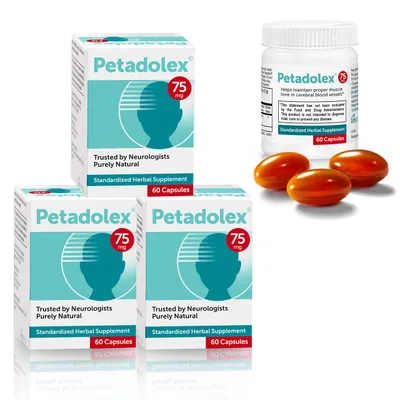
Linpharma Petadolex
PA-free butterbur — the supplement with the strongest single-supplement evidence in allergy research.
Local honey for allergies is one of the most-shared “natural remedies” — and one of the most consistently misunderstood. The idea sounds plausible. The mechanism doesn’t actually work the way people think. The trials are mostly negative. And the one positive trial used a very specific preparation that almost no one buys.
This guide explains what the research actually shows, why local honey usually doesn’t help, what would have to be true for it to work, and what evidence-based alternatives actually do help.
The 30-second answer
- Most trials: local honey doesn’t reduce hay fever symptoms more than placebo.
- The one positive trial: used birch pollen honey (artificially enriched with birch pollen), not generic local honey — n=44, 5 months before pollen season, in confirmed birch-allergic patients.
- Why the popular mechanism fails: plants that produce honey are bee-pollinated. Plants that cause hay fever are wind-pollinated. The pollens are almost completely different.
- Safe to try: generally yes (never to infants under 12 months). Just don’t expect allergy benefit from generic local honey.
- What actually works: PA-free butterbur, quercetin + bromelain, vitamin C, nasal steroid sprays, saline rinses, allergy immunotherapy from an allergist.
Now the detail.
The mechanism people imagine
The popular theory: bees collect pollen from local plants, that pollen ends up in local honey, and eating local honey daily exposes your immune system to small doses of local pollen — gradually desensitizing you so you stop reacting.
This sounds like oral immunotherapy. And oral immunotherapy is real — it’s how grass and ragweed sublingual immunotherapy tablets work. So the underlying logic isn’t crazy.
The problem is what’s actually IN local honey.
Why pollen biology breaks the mechanism
Plants are pollinated in two main ways:
Entomophilous (bee-pollinated) — plants like clover, blackberry, fruit trees, lavender, alfalfa. They produce nectar to attract bees, and the bees carry pollen as they move between flowers. Honey is made from nectar; the small amounts of pollen in honey come almost entirely from these bee-pollinated plants.
Anemophilous (wind-pollinated) — plants like grass, ragweed, oak, maple, birch, pine, and most weeds. They release massive amounts of light pollen into the air to be carried by wind. They don’t produce nectar (no need to attract pollinators). Bees don’t visit them.
Almost all hay fever is caused by wind-pollinated plants. Grass pollen, ragweed, tree pollens — these dominate seasonal allergy testing results. They make up the vast majority of clinically significant pollen allergies.
Honey contains pollen from the wrong plants. The pollens that end up in your local honey are clover, blackberry, fruit trees — bee-pollinated plants that very few people are allergic to. The pollens making you sneeze (grass, ragweed, oak) are barely present.
Some wind-pollinated pollen does contaminate honey through atmospheric drift, but the amounts are tiny, inconsistent, and below thresholds that would produce immunological desensitization.
What the trials actually show
Negative trials (the majority):
The 2002 Rajan study in Annals of Allergy, Asthma & Immunology randomized patients with confirmed seasonal rhinitis to one of three groups: local honey, pasteurized national-brand honey, or placebo (corn syrup with honey flavoring). All three groups consumed 1 tablespoon daily for the duration of pollen season. Result: no difference in symptom scores among the three groups.
Several smaller observational studies have shown similar null results. Generic local honey at typical eating doses does not reliably reduce allergy symptoms.
The positive Finnish trial (Saarinen 2011):
This is the trial that gets cited every spring. Read it carefully:
- 44 patients with confirmed birch pollen allergy (skin testing positive)
- Three groups: (1) honey deliberately enriched with birch pollen, (2) regular honey, (3) standard allergy medication only
- The pollen-enriched honey group consumed 1 tablespoon daily for 5 months before birch pollen season began
- Results: birch pollen honey group reported 60% fewer symptoms, used half the antihistamine, had twice as many symptom-free days
The critical detail most summaries miss: the active ingredient was the deliberately added birch pollen, not the honey itself. The trial was effectively a low-dose oral immunotherapy study using honey as the delivery vehicle. Regular generic local honey wouldn’t replicate these results.
This study is sometimes used to claim “honey works for allergies.” What it actually showed is that pollen-enriched honey works for the specific pollen used — like a research-grade sublingual immunotherapy preparation, not something you can buy at a farmers market.
What would have to be true for local honey to work
For local honey to actually treat your allergies through immunotherapy:
-
The honey would need to contain meaningful amounts of the pollens you’re allergic to — typically wind-pollinated species (grass, ragweed, trees) that aren’t reliably present in honey.
-
The dose would need to be measured and consistent — actual sublingual immunotherapy uses precise, escalating doses over months.
-
The protocol would need to last 3-5 years — that’s the duration for established sublingual immunotherapy to produce lasting tolerance.
-
You’d need to know your specific allergens — via formal skin or IgE blood testing.
These conditions are rarely met by buying generic local honey. The closest commercial approximation is FDA-approved sublingual immunotherapy tablets (Grastek for grass, Ragwitek for ragweed, Odactra for dust mites) — administered under allergist supervision with proper dosing.
Is local honey worth eating anyway?
Local honey is fine as a food. It’s not magic, but it has some general health properties:
- Mild antimicrobial effects in topical applications (well-established for medical-grade Manuka honey)
- Soothing for cough in adults and children over 1 year
- Some antioxidant content — modest amounts of polyphenols
- Better flavor profile than industrial honey for most cooking applications
Calorie content: about 64 calories per tablespoon, mostly fructose and glucose. If you’re managing diabetes or weight, factor this into your overall sugar intake.
Safety: never give honey to infants under 12 months due to infant botulism risk. This is absolute. If you have severe bee venom allergy, talk to your allergist before consuming raw or unfiltered honey.
So eat local honey if you enjoy it. Just don’t substitute it for evidence-based allergy treatment, and don’t be disappointed when generic local honey doesn’t reduce your hay fever symptoms.
What actually works for seasonal allergies
The evidence-based hierarchy for adults over 50:
1. Foundation: nasal steroid spray. Flonase (fluticasone) or Nasonex (mometasone), used daily through allergy season. The single most effective intervention for moderate-to-severe symptoms. Available OTC.
2. Primary anti-allergy supplement:
- Petadolex (PA-free butterbur) — matched cetirizine in BMJ trials. 75mg twice daily.
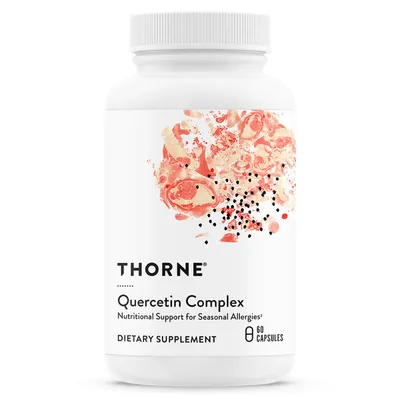
- OR quercetin 250-500mg twice daily (paired with bromelain) — preventive mast cell stabilizer.
3. Baseline support: vitamin C 1,000mg twice daily + bromelain 500mg twice daily. Modest effects individually but cost-effective and additive.
4. As-needed: second-generation antihistamines (loratadine, cetirizine, fexofenadine) for breakthrough symptoms. Avoid first-generation antihistamines (Benadryl, Chlor-Trimeton) if you’re over 65 — Beers Criteria.
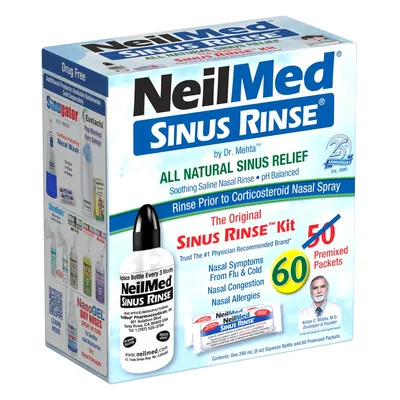
5. Environmental: saline nasal rinse 1-2x daily, HEPA air purifier in bedroom, shower before bed during pollen season.
6. Disease-modifying treatment: allergy immunotherapy (shots or sublingual tablets) from an allergist, for adults with significant ongoing symptoms. The only treatment that changes your underlying allergic response.
For the full framework, see our pillar guide on the best supplements for seasonal allergies.
The simple answer
Generic local honey doesn’t reliably help allergies — the trials are mostly negative, and the mechanism doesn’t work the way it’s popularly described. The one positive trial used a research-grade pollen-enriched honey not available commercially.
Eat local honey if you enjoy it. Use evidence-based supplements (butterbur, quercetin, vitamin C, bromelain) and standard treatments (nasal steroid spray, saline rinse) for actual allergy symptom control. If your symptoms are significant, see an allergist about formal immunotherapy.
Products We Recommend
Frequently Asked Questions
Why doesn't local honey work for allergies the way people think it does?
The mechanism people imagine — eating local honey exposes you to small amounts of local pollen, which gradually desensitizes your immune system — has a fundamental problem. The plants that produce honey are pollinated by bees (entomophilous plants like clover, blackberry, fruit trees), while the plants that cause most hay fever are pollinated by wind (anemophilous plants like grass, ragweed, oak, maple). Bees don't visit wind-pollinated plants because those plants don't produce nectar. So local honey contains pollen from clover and wildflowers, not the ragweed and grass and tree pollens that actually trigger your allergies. The pollens that show up in your honey are typically NOT the pollens making you sneeze. Even when small amounts of allergenic pollen do contaminate honey (through wind drift), the doses are too small and inconsistent to produce real desensitization. True oral immunotherapy uses precisely measured allergens, daily dosing, and 3-5 years of treatment under medical supervision.
What did the Finnish birch pollen honey trial actually show?
The 2011 Saarinen study in International Archives of Allergy and Immunology randomized 44 patients with confirmed birch pollen allergy to one of three groups: (1) honey artificially enriched with birch pollen, (2) regular honey without added birch pollen, or (3) regular allergy medication only. The birch-pollen-enriched honey group consumed 1 tablespoon daily for 5 months before birch pollen season began. Results: the birch pollen honey group reported 60% fewer symptoms during pollen season compared to control, used about half as much antihistamine, and had twice as many symptom-free days. The regular honey group also showed some benefit but less than the birch-enriched group. The catch: the active ingredient was the deliberate birch pollen content, not the honey itself. This was effectively a low-dose oral allergen administration, similar to sublingual immunotherapy — using honey as the delivery vehicle. Generic 'local honey' that doesn't contain measured birch pollen wouldn't replicate these results. The study has been cited widely but rarely with full context — most people read 'honey helps allergies' and miss that the trial used a specific pollen-enriched preparation.
Is there any version of honey that does work for allergies?
Honey deliberately enriched with the specific allergen you're sensitive to MIGHT work, but you'd need to know your specific allergens (via skin or blood IgE testing) and find a honey product enriched with those specific pollens. This is not a commercially available product in the US for most allergens. The Saarinen study used pharmacy-prepared birch pollen honey for research purposes — not something you can buy at a farmers market. The only allergy honey products generally available are 'allergy relief' branded honeys that don't have controlled allergen content and don't replicate the trial protocol. If you're motivated to try the approach, talk to an allergist about formal sublingual immunotherapy (SLIT) — there are FDA-approved tablets for grass and ragweed allergens that work through the same mechanism with measured dosing and clinical evidence. SLIT works; generic honey doesn't reliably.
Could local honey help allergies through some other mechanism besides desensitization?
Possibly, but the evidence is weak. Theoretical alternative mechanisms: (1) Honey contains small amounts of antioxidants and polyphenols that could have mild anti-inflammatory effects. (2) Some honeys contain trace amounts of bee-derived compounds (royal jelly, propolis) that have immune-modulating effects in cell studies. (3) Soothing effect on irritated throat tissues from post-nasal drip. None of these have robust clinical evidence specifically for allergy symptom reduction. Most controlled trials of honey for allergies show no benefit beyond placebo when generic local honey is used. The 2002 Rajan trial (Annals of Allergy, Asthma & Immunology) specifically tested local honey versus pasteurized national-brand honey versus placebo (corn syrup with honey flavoring) in patients with confirmed seasonal rhinitis — no difference among the three groups. Honey may have other health benefits (mild antimicrobial effects, soothing for cough), but allergy symptom reduction isn't one of them.
Is local honey safe to try for allergies even if it doesn't work?
Generally yes, with two cautions. First, never give honey to infants under 12 months — risk of infant botulism from Clostridium botulinum spores. This is well-established and absolute. Second, if you have a severe allergy to bee stings or venom, talk to your allergist before consuming raw or unfiltered local honey — there's a small theoretical risk of cross-reactivity to bee proteins in unprocessed honey. Beyond these, local honey is fine to eat as a food. It's high in sugar (about 17g per tablespoon, mostly fructose and glucose), so factor into overall sugar intake if you're managing diabetes or weight. Most adults can use 1-2 tablespoons daily without issues. Just don't expect it to control your hay fever — and don't substitute it for evidence-based allergy treatment if your symptoms are significant.
What actually works for allergies if local honey doesn't?
Several evidence-based options. The strongest single supplement: PA-free butterbur (Petadolex), 75mg twice daily — matched cetirizine head-to-head in BMJ-published trials. The best preventive baseline: quercetin 250-500mg twice daily paired with bromelain, started 2-4 weeks before allergy season. The most cost-effective adjunct: vitamin C 1,000mg twice daily — reduces blood histamine 40% at clinical dose. The most effective single OTC medication: nasal steroid spray (Flonase/fluticasone, Nasonex/mometasone) used daily through allergy season. The best lifestyle intervention: saline nasal rinse (NeilMed, Navage) once or twice daily during pollen season. The treatment that actually modifies your underlying allergy: formal allergy immunotherapy — shots or sublingual tablets — administered by an allergist over 3-5 years. For most adults, a combination of nasal steroid spray + butterbur or quercetin + saline rinses + environmental controls provides excellent symptom relief. See our [pillar guide on best supplements for seasonal allergies](/supplements/allergies/best-supplements-seasonal-allergies/) for the complete framework.
Does any 'natural' allergy treatment work, or is it all marketing?
Several natural approaches have real clinical evidence. The strongest are: (1) Butterbur (Petadolex) — multiple RCTs vs. cetirizine and fexofenadine showing equivalent efficacy. (2) Quercetin — mast cell stabilizer with mechanistic and clinical support. (3) Saline nasal irrigation — Cochrane reviews show meaningful symptom reduction. (4) Vitamin C at 1,000-2,000mg daily — reduces blood histamine. (5) HEPA air purification for indoor allergens. The natural approaches that DON'T have good evidence: local honey (covered above), apple cider vinegar (zero clinical evidence), most homeopathic allergy remedies, megadose vitamins beyond vitamin C, and most 'allergy support' herbal blends with proprietary formulas. The pattern: specific compounds at specific doses work; vague 'immune boosting' or 'natural antihistamine' marketing usually doesn't. The strongest natural approaches often complement (rather than replace) standard treatments like nasal steroid sprays and second-generation antihistamines.