
Why Are My Seasonal Allergies Worse After 50? (And What Actually Helps)
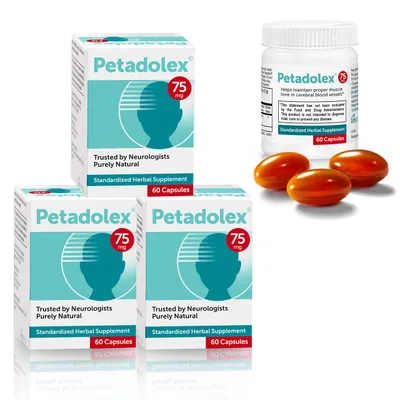
Linpharma Petadolex
PA-free butterbur — strongest single-supplement evidence in allergy research, matched cetirizine in BMJ trials.
If your allergies feel worse than they used to — longer reactions, more congestion, symptoms in seasons that never bothered you before — you’re not imagining it. Seasonal allergies genuinely change after 50. The biology shifts, the medications get trickier, and the strategies that worked at 35 often don’t hold up at 60.
This guide explains why it happens, what’s actually different in your body, and what the evidence supports doing about it.
The 30-second answer
- Immune balance shifts with age. Th1/Th2 regulation tilts toward Th2 — the allergy-promoting side — through immunosenescence.
- Mast cells become more reactive. They release histamine harder and settle slower, so reactions feel longer and more intense.
- Histamine breakdown slows. The enzyme DAO declines with age and with estrogen drop, so histamine lingers in tissues.
- 5-10% of adults develop new allergies after 50 — late-onset allergic rhinitis is real and increasingly common.
- Avoid Benadryl after 65 — Beers Criteria warns against first-generation antihistamines for cognitive and fall risk.
- What actually works: nasal steroid spray daily, PA-free butterbur or quercetin, saline rinses, and allergist consult if symptoms persist.
Now the detail.
What changes in your immune system after 50
The immune system doesn’t get weaker with age — it gets dysregulated. Researchers call this immunosenescence, and one of its hallmarks is a shift in the Th1/Th2 balance. Th1 responses fight viruses and intracellular pathogens. Th2 responses produce IgE antibodies and drive allergic reactions. Healthy young immune systems keep these in balance. Aging tilts the ratio toward Th2.
The practical consequence: your immune system becomes more inclined to mount allergic-type responses to environmental proteins, even ones that didn’t bother you before. Combined with cumulative lifetime pollen exposure, this is why a 55-year-old can suddenly develop seasonal allergies they never had as a child or young adult.
The shift typically becomes noticeable in the late 40s to mid-50s and continues gradually afterward. It’s not absolute — many people don’t develop new allergies — but it’s the underlying biology that makes new-onset allergies after 50 plausible rather than mysterious.
Why mast cells matter more as you age
Mast cells are the immune cells that store histamine and release it when triggered by allergen-bound IgE antibodies. They’re the engine of allergic reactions. Two age-related changes affect them:
Increased reactivity. Older mast cells appear to lower their threshold for activation. The same dose of allergen that triggered a moderate response at 30 may trigger a bigger response at 60. This isn’t fully understood mechanistically but is consistent with both animal models and human tissue studies.
Slower resolution. Once activated, older mast cells stay degranulated longer. Histamine and other mediators (leukotrienes, prostaglandins, tryptase) take longer to clear from tissues. Symptoms persist longer.
The implication for treatment: mast cell stabilization becomes more valuable than acute symptom blockade. Quercetin, cromolyn sodium (over-the-counter as nasal spray), and the avoidance of triggers all become more useful. Drugs that just block histamine receptors after release are working against a system that’s already over-firing.
The DAO and histamine breakdown story
After mast cells release histamine, two enzymes break it down: histamine N-methyltransferase (HNMT) intracellularly, and diamine oxidase (DAO) in the gut and tissue spaces. DAO is the more clinically relevant for allergy symptoms.
DAO declines with age. It also declines with estrogen drop — estrogen normally up-regulates DAO production. When DAO is low, histamine clears more slowly, prolonging tissue symptoms.
This is why menopause often coincides with worsening allergies in women. The estrogen drop reduces DAO, and the lower DAO lets histamine linger. Women who develop allergies in their late 40s and 50s often track this directly to perimenopause.
It’s also why some adults develop histamine intolerance — symptoms triggered by histamine-rich foods (aged cheese, wine, cured meats, fermented foods) that didn’t bother them before. The food load adds to the pollen load, and reduced DAO can’t keep up.
Practical responses: avoid known histamine-rich foods during peak allergy season, and consider supplemental DAO enzyme (Histamine Block, Daosin) if histamine intolerance symptoms are present. Evidence is limited but growing.
Hormonal influence beyond menopause
Estrogen isn’t the only hormone that interacts with allergies. Cortisol — your body’s natural anti-inflammatory hormone — declines with age and shifts its diurnal pattern. The morning cortisol peak that normally helps suppress overnight inflammation weakens, which is one reason morning allergy symptoms often worsen with age.
Testosterone in men also has mild immune-modulating effects. Andropause-related testosterone decline doesn’t have as direct a tie to allergies as the estrogen-DAO link, but it’s part of the broader hormonal shift that affects immune regulation in midlife.
The clinical bottom line: allergy patterns that emerge or worsen during midlife often have a hormonal component. This doesn’t mean hormone therapy is the answer for most people — but understanding the mechanism explains why allergies feel different, and why prevention strategies become more important than reactive treatment.
Why Benadryl is the wrong tool after 65
If you grew up using diphenhydramine (Benadryl) for allergies, here’s the update: the American Geriatrics Society includes diphenhydramine on the Beers Criteria — the formal list of medications to avoid in adults 65 and older. The reasons are well-documented:
- Strong anticholinergic effects — block acetylcholine, causing dry mouth, blurred vision, urinary retention, and constipation.
- Cognitive impairment — confusion, sedation, and impaired memory, which compound any existing cognitive concerns.
- Fall risk — sedation in older adults significantly increases fall risk.
- Cumulative anticholinergic burden — long-term cumulative use has been associated in observational studies with increased dementia risk (Gray et al., JAMA Internal Medicine, 2015).
Other first-generation antihistamines on the avoid list: chlorpheniramine, hydroxyzine, brompheniramine, doxylamine. These show up in many “PM” formulations of OTC drugs — read labels carefully.
Better options:
- Second-generation antihistamines — loratadine (Claritin), cetirizine (Zyrtec), fexofenadine (Allegra). Minimal anticholinergic effect, don’t readily cross blood-brain barrier.
- Nasal steroid sprays — Flonase (fluticasone), Nasonex (mometasone), Rhinocort (budesonide). More effective than oral antihistamines for moderate-to-severe symptoms, no systemic anticholinergic burden.
- Mast cell stabilizers — cromolyn sodium nasal spray (NasalCrom), quercetin supplements. Preventive rather than reactive.
If you’ve been using Benadryl for years, talk to your doctor or pharmacist about switching. Most people notice the cognitive fog clearing within days.
New environmental contributors
Beyond the internal biology, several external factors are loading older adults with more allergen exposure:
Longer pollen seasons. Climate research documents that North American pollen seasons have extended by 10-30 days in most regions over the past 30 years, with higher peak pollen counts. The cumulative seasonal exposure is meaningfully higher than a generation ago.
More indoor time. Adults over 50 typically spend more time indoors, where dust mites, pet dander, and mold can drive year-round symptoms that mimic seasonal allergies. Indoor allergens often go unrecognized because they don’t have a clear seasonal pattern.
Relocation. Many adults move in their 50s and 60s — to retirement areas, to be near grandchildren, or to different climates. Each new region exposes you to pollen species you’ve never been sensitized to, and new sensitization can develop within 1-3 years.
Housing changes. Energy-efficient sealed homes trap allergens. Newer carpeting, air conditioning systems, and weather-stripping that reduce ventilation also concentrate indoor allergens.
These environmental factors interact with the age-related biological changes — your immune system is more reactive, and you’re encountering more allergens for longer periods.
What actually works after 50
The hierarchy of evidence-based interventions, in order of impact:
1. Nasal steroid spray, daily through allergy season. The single highest-impact intervention for moderate-to-severe symptoms. Use Flonase or Nasonex once daily, ideally starting 1-2 weeks before your typical season begins. Available OTC.
2. Primary anti-allergy supplement, started before season:
- PA-free butterbur (Petadolex) 75mg twice daily — strongest single-supplement RCT evidence, head-to-head against cetirizine.
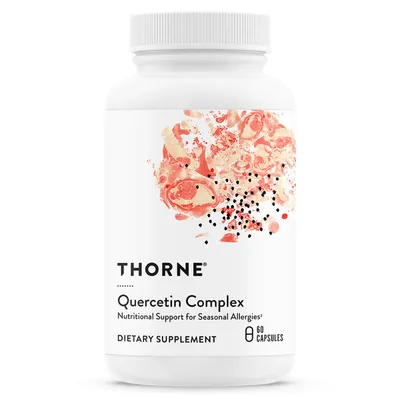
- OR quercetin 250-500mg twice daily with bromelain — preventive mast cell stabilizer, particularly relevant given the mast cell hyperreactivity discussed above.
3. Baseline support: vitamin C 1,000mg twice daily reduces blood histamine ~40% at clinical dose. Bromelain 500mg twice daily adds anti-inflammatory effect.
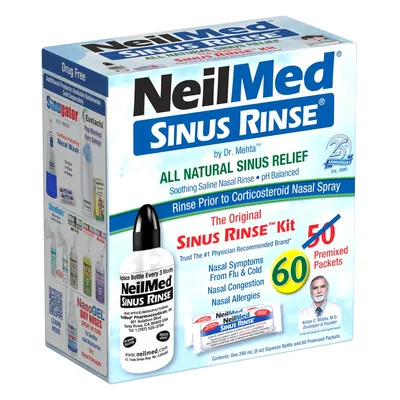
4. Environmental controls: saline nasal rinse (NeilMed, Navage) 1-2x daily during peak season. HEPA air purifier in bedroom. Shower before bed during pollen season to remove pollen from hair and skin.
5. As-needed second-generation antihistamines — loratadine, cetirizine, fexofenadine. NOT Benadryl or other first-generation if you’re 65+.
6. Allergist evaluation — if symptoms persist despite the above, formal testing identifies your specific triggers and opens the door to sublingual immunotherapy tablets (Grastek for grass, Ragwitek for ragweed, Odactra for dust mites). Three to five years of treatment can produce lasting tolerance — the only therapy that modifies your underlying allergic response rather than masking symptoms.
For the complete framework with specific product picks, see our pillar guide on the best supplements for seasonal allergies.
When to escalate
See a doctor if:
- Symptoms persist or worsen despite a full season of consistent treatment with the protocol above.
- You develop wheezing, chest tightness, or persistent cough — allergic rhinitis untreated raises asthma risk in older adults.
- You don’t know what you’re actually allergic to and want testing to guide treatment.
- You’re interested in formal immunotherapy (the only disease-modifying option).
- You develop new severe reactions — hives, swelling, breathing difficulty.
- Multiple medication interactions are complicating your treatment plan.
Allergist visits for established seasonal symptoms are typically covered by insurance, and one consult often saves years of trial-and-error self-treatment.
The simple answer
Allergies often worsen after 50 because immune regulation shifts toward Th2, mast cells become more reactive, histamine breakdown slows (especially after menopause), and cumulative environmental exposure rises. About 5-10% of adults develop new seasonal allergies in midlife.
The fix is not stronger first-generation antihistamines — Benadryl and similar drugs are explicitly to be avoided after 65. The fix is daily nasal steroid spray, evidence-based supplements like PA-free butterbur or quercetin, saline rinses, and a referral to an allergist if symptoms are significant.
You’re not imagining it. The biology really did change. And there’s a lot you can do about it.
Products We Recommend
Frequently Asked Questions
Can you really develop new allergies after 50, even if you never had them before?
Yes — and it's more common than most people realize. Roughly 5-10% of adults develop their first clinically significant seasonal allergies after age 50, a phenomenon clinicians call late-onset allergic rhinitis. Several mechanisms drive it: cumulative pollen exposure eventually crosses sensitization thresholds, immune regulation shifts in midlife, hormonal changes alter histamine metabolism, and relocation to new pollen environments exposes you to species you've never encountered. Climate change has also extended pollen seasons by 10-30 days in many U.S. regions and increased pollen counts overall, raising the cumulative dose. The classic story: a 55-year-old who never had allergies suddenly develops itchy eyes, sneezing, and post-nasal drip every spring. Skin or IgE blood testing usually confirms specific sensitivities. New-onset allergies after 50 are real, treatable, and not your imagination.
Why do my allergy reactions feel longer and more intense than they used to?
Two physiological changes drive this. First, mast cells — the immune cells that release histamine when they detect allergens — become more reactive with age and slower to return to baseline. Younger mast cells fire and settle quickly; older mast cells fire harder and stay activated longer. Second, the enzymes that break down histamine — particularly DAO (diamine oxidase) — decline with age and with estrogen drop after menopause. Less DAO means histamine lingers longer in tissues, prolonging symptoms. The combined effect: a single pollen exposure that would have caused 30 minutes of sneezing at 30 might cause 2-3 hours of congestion, post-nasal drip, and fatigue at 60. This isn't psychosomatic — it's measurable in tissue histamine levels and mast cell tryptase markers. The practical implication: prevention matters more after 50. Starting nasal steroid sprays and mast cell stabilizers (quercetin, cromolyn) 1-2 weeks BEFORE allergy season is much more effective than trying to treat symptoms after they've started.
Why does menopause seem to make my allergies worse?
Estrogen and histamine interact directly. Estrogen normally up-regulates DAO, the enzyme that breaks down histamine in tissues. As estrogen declines through perimenopause and menopause, DAO activity falls, and histamine accumulates more readily. Estrogen also influences mast cell stability — lower estrogen tends to make mast cells more reactive. The result: many women notice their allergies worsen during perimenopause (often ages 45-55) and continue at the higher level afterward. Some women also experience histamine intolerance symptoms beyond classic allergies — flushing, headaches, hives, and abdominal symptoms triggered by histamine-rich foods (aged cheese, wine, fermented foods). If your allergy timing tracks your menopause transition, this isn't coincidence. Hormone replacement therapy can sometimes improve symptoms, though that's a separate conversation with your doctor. Supplemental DAO enzyme (sold as Histamine Block, Daosin) has limited but growing evidence for histamine intolerance after menopause.
Why is Benadryl not a good choice for allergies after 65?
Diphenhydramine (Benadryl) is on the Beers Criteria — the geriatric medicine consensus list of medications to avoid in adults 65 and older. The reason: first-generation antihistamines have strong anticholinergic effects (drying out tissues by blocking acetylcholine), which in older adults cause cognitive impairment, confusion, falls from sedation, urinary retention, dry mouth, blurred vision, and constipation. Cumulative anticholinergic burden has been linked to increased dementia risk in long-term users. The American Geriatrics Society explicitly recommends against routine use of diphenhydramine, hydroxyzine, and chlorpheniramine in older adults. Better options: second-generation antihistamines — loratadine (Claritin), cetirizine (Zyrtec), fexofenadine (Allegra) — which don't cross the blood-brain barrier as readily and have minimal anticholinergic effects. Even better: nasal steroid sprays (Flonase, Nasonex) used daily through pollen season, which work better than oral antihistamines for moderate-to-severe symptoms with no anticholinergic burden.
Are there allergy medications that interact badly with common medications I might take after 50?
Yes, several worth knowing. Pseudoephedrine (Sudafed) raises blood pressure and heart rate — avoid if you're managing hypertension, on beta-blockers, or have a history of heart disease. Some second-generation antihistamines interact with grapefruit juice (loratadine, but cetirizine and fexofenadine are safe). Combining first-generation antihistamines with sedating medications (sleep aids, opioids, muscle relaxants) compounds CNS depression and fall risk. Nasal decongestant sprays (oxymetazoline, like Afrin) cause rebound congestion if used more than 3 days — a particular problem for older adults who can develop chronic dependency. Nasal steroid sprays are generally safe with most medications but check with your pharmacist if you're on oral corticosteroids or have glaucoma. The supplements butterbur (PA-free only) and quercetin are generally safe but butterbur should be avoided if you have liver disease or are on liver-affecting medications. Always check with a pharmacist before stacking allergy treatments with chronic medications.
What's the best treatment strategy for allergies after 50?
A staged approach works best. Foundation: nasal steroid spray daily through allergy season — Flonase (fluticasone) or Nasonex (mometasone). Use it preventively, not reactively, ideally starting 1-2 weeks before your typical allergy season. Add a primary anti-allergy supplement: PA-free butterbur (Petadolex 75mg twice daily) has the strongest single-supplement evidence — multiple BMJ-published trials matched it to cetirizine. Or quercetin 250-500mg twice daily paired with bromelain — best as a preventive mast cell stabilizer started 2-4 weeks before season. Add baseline support: vitamin C 1,000mg twice daily reduces blood histamine. Add environmental controls: saline nasal rinse 1-2x daily during peak season, HEPA air purifier in the bedroom, shower before bed to remove pollen. Use second-generation antihistamines (loratadine, cetirizine, fexofenadine) as needed for breakthrough symptoms — avoid first-generation in adults over 65. If symptoms are still significant after this protocol, see an allergist about sublingual immunotherapy tablets (Grastek for grass, Ragwitek for ragweed, Odactra for dust mites) — the only treatments that modify the underlying allergic response.
When should I see an allergist instead of just managing allergies myself?
Several signals indicate it's time. (1) Your symptoms persist or worsen despite consistent use of nasal steroid sprays, second-generation antihistamines, and saline rinses for at least one full allergy season. (2) Symptoms are interfering with sleep, work, or quality of life on more than half the days during your peak season. (3) You're developing asthma symptoms (wheezing, chest tightness, persistent cough) — allergic rhinitis untreated raises asthma risk. (4) You don't know what you're actually allergic to — skin or IgE blood testing identifies your specific triggers and guides treatment. (5) You're considering immunotherapy (allergy shots or sublingual tablets) — these require formal allergist diagnosis and supervision. (6) You've developed new severe reactions (hives, swelling, breathing difficulty) — these warrant urgent evaluation. (7) You have multiple medication interactions complicating treatment. Allergist visits are typically covered by insurance for established symptoms. The 3-5 year sublingual immunotherapy protocol can produce lasting tolerance — for many adults, that's worth far more than another decade of seasonal misery.