
Best Collagen Supplements for Women Over 50
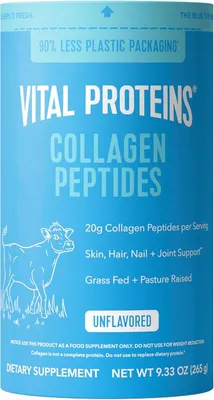
Vital Proteins Collagen Peptides
Best overall — excellent quality, strong third-party testing, and versatile daily use.
- NSF Certified for Sport
- 20g collagen per serving
- Grass-fed, pasture-raised bovine
The best collagen supplement for women over 50 is Vital Proteins Collagen Peptides for its combination of quality, third-party testing, and versatility. Women face an accelerated collagen crisis after menopause — losing up to 30% of skin collagen in just five years. Clinical research shows that 5-15g of hydrolyzed collagen peptides daily can measurably improve skin elasticity, reduce wrinkle depth, and may even support bone density during the years when it matters most.
We evaluated eight collagen supplements over six weeks, comparing collagen type, source, peptide size, third-party testing, and clinical relevance for women’s health after 50.
Key Takeaways
- 5-15 g/day — hydrolyzed collagen peptides, the dose range backed by clinical research for skin, joint, and bone benefits
- ~30% skin collagen loss in the first five years after menopause — the fastest decline of any life stage
- 8-12 weeks of consistent daily use before judging skin elasticity or wrinkle-depth improvement
- Type I vs Type III: marine collagen favors type I (skin); bovine covers both I + III (skin, joints, and bone matrix)
- Take with vitamin C for collagen synthesis; on an empty stomach or between meals for best absorption
Why Collagen Loss Accelerates After Menopause
Your body produces collagen naturally, but production declines roughly 1% per year starting in your mid-20s. For women, menopause creates a dramatic acceleration.
Estrogen plays a critical role in stimulating collagen production. When estrogen levels drop during perimenopause and menopause, collagen production falls sharply. Research published in the American Journal of Clinical Dermatology shows women lose approximately 30% of their skin collagen in the first five years post-menopause, followed by a continued decline of about 2% per year.
This collagen loss affects more than appearance:
Skin: Thinner, less elastic skin with more visible wrinkles and dryness.
Bones: Collagen makes up 90% of bone’s organic matrix. Collagen loss contributes to the rapid bone density decline women experience after menopause — a key driver of osteoporosis risk.
Joints: Reduced collagen in cartilage contributes to the joint stiffness and pain that many women notice during the menopausal transition.
Hair and nails: Thinner hair, slower growth, and brittle nails are all linked to declining collagen levels.
What the Science Says: Skin Benefits
The evidence for collagen and skin health has grown substantially in recent years.
A 2019 meta-analysis in the Journal of Drugs in Dermatology pooled data from 11 randomized controlled trials (805 participants) and found hydrolyzed collagen supplementation significantly improved:
- Skin elasticity — measurably firmer skin
- Skin hydration — better moisture retention
- Wrinkle depth — reduced fine lines and wrinkles
The effects appeared after 6-12 weeks of supplementation at doses of 2.5-10g daily. A 2023 systematic review confirmed these findings and noted that benefits continued to improve with longer supplementation.
What to expect realistically: You won’t look 20 years younger. What most women report is smoother skin texture, improved hydration (skin feels less dry and papery), and a gradual softening of fine lines. Deeper wrinkles improve less dramatically. The results are real but subtle — think “healthy aging” rather than “time reversal.”
What the Science Says: Bone Benefits
This is where collagen research gets especially interesting for postmenopausal women.
A 2018 study in Nutrients gave 102 postmenopausal women either 5g of specific collagen peptides (Fortibone) or placebo daily for 12 months. Results:
- The collagen group showed significantly increased bone mineral density in the spine and femoral neck
- The placebo group showed continued bone loss
- Bone formation markers increased, while bone degradation markers decreased
This makes biological sense: collagen provides the flexible framework within bones that calcium and other minerals bind to. Without adequate collagen, even good calcium intake may not translate to strong bones.
Important context: This doesn’t replace calcium, vitamin D, or osteoporosis medications if prescribed. It may complement these treatments by addressing the structural protein component of bone health that other interventions don’t.
Our Top 3 Picks Compared
1. Vital Proteins Collagen Peptides — Best Overall
Vital Proteins has become the most popular collagen supplement for good reason: NSF Certified for Sport testing, 20g of collagen per serving, clean sourcing from grass-fed bovine, and a truly unflavored powder that dissolves in anything from coffee to smoothies.
For women over 50, the high dose per serving means you get the 10-15g range that covers skin, joint, and bone benefits in a single daily scoop.
Who it’s best for: Women who want a high-dose, well-tested daily collagen in a versatile format.
2. Garden of Life Collagen Beauty — Best Organic Option
Garden of Life adds biotin, vitamin C, and plant-based silica to their collagen — nutrients that independently support skin, hair, and nail health. The USDA Organic and Non-GMO Project Verified certifications appeal to women who prioritize clean ingredients.
The trade-off is lower collagen per serving (12g vs. Vital Proteins’ 20g). For skin benefits alone, 12g is sufficient. For comprehensive bone and joint support, you may want to take a larger serving.
Who it’s best for: Women who want an organic, whole-food approach with added beauty-supporting nutrients.
3. Further Food Marine Collagen — Best for Skin-Focused Goals
Marine collagen from wild-caught fish is predominantly type I — the same type that makes up 80% of your skin’s collagen. The smaller peptide size (lower molecular weight) may improve absorption compared to bovine collagen.
For women whose primary concern is skin health rather than joint or bone support, marine collagen is a focused choice. The sustainable wild cod sourcing and clean ingredient list are additional strengths.
Who it’s best for: Pescatarians, or women specifically focused on skin elasticity and hydration.
Collagen for Joints: Different From the Anti-Aging Story
If joint pain is your primary concern rather than skin or bone health, a different type of collagen may be more appropriate. Undenatured type II collagen (UC-II) targets joint cartilage specifically through an immune-modulation mechanism.
Read our full comparison: Best Collagen Supplements for Joint Pain Over 50
For women dealing with both skin aging and joint discomfort, you can take hydrolyzed collagen peptides (types I/III for skin and bones) alongside UC-II (type II for joints) — they work through completely different mechanisms and don’t compete for absorption.
How to Get the Most From Your Collagen Supplement
Dose: 10-15g daily of hydrolyzed collagen peptides for comprehensive benefits (skin, hair, nails, bones, joints). Purely for skin, 5-10g is sufficient.
Vitamin C is your ally. Vitamin C is essential for collagen synthesis — your body can’t build new collagen without it. Take your collagen with a source of vitamin C (citrus, berries, or a supplement) to maximize the benefit.
Empty stomach works best. Collagen peptides absorb most efficiently without competing proteins from a meal. Mix it into your morning coffee or water 30 minutes before breakfast. That said, taking it with food is perfectly fine — consistency matters more than perfect timing.
Protect the collagen you have. Supplementation rebuilds, but you also need to minimize ongoing collagen destruction. The biggest collagen destroyers: UV exposure (wear sunscreen daily), smoking, excessive sugar intake, and chronic stress.
Be patient. Skin improvements typically appear at 6-12 weeks. Hair changes may take 3-6 months. Bone density changes require 6-12 months of consistent use.
The Bottom Line
Collagen supplementation is one of the most evidence-backed anti-aging strategies available for women over 50. The post-menopausal collagen loss is real, measurable, and addressable. Vital Proteins Collagen Peptides delivers the right dose with the strongest quality credentials. Garden of Life adds organic certification and complementary beauty nutrients. Further Food offers the best marine-sourced alternative.
Whatever you choose, take it daily with vitamin C, protect the collagen you have from UV and lifestyle damage, and give it at least 8-12 weeks to see skin results. And as always, discuss new supplements with your healthcare provider.
Looking for collagen for joint pain specifically? See our guide on Best Collagen Supplements for Joint Pain Over 50.
All Products We Reviewed
- NSF Certified for Sport
- 20g collagen per serving
- Grass-fed, pasture-raised bovine
- Unflavored — dissolves in hot or cold liquids
- Bovine-sourced (not suitable for pescatarians)
- Large serving scoop
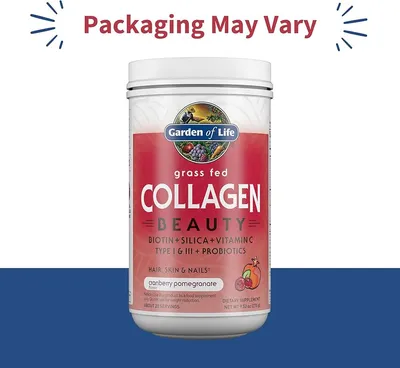
- Grass-fed bovine collagen with added biotin and vitamin C
- USDA Organic and Non-GMO Project Verified
- Includes silica from plant sources
- Available in flavored options
- Lower collagen per serving (12g)
- More expensive per gram of collagen
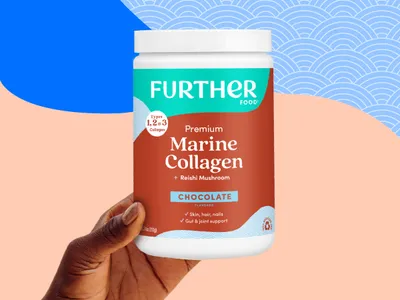
- Wild-caught marine source (type I collagen)
- Smaller peptide size for absorption
- Sustainably sourced from wild cod
- Unflavored, dissolves easily
- Fish-sourced (not suitable for vegetarians)
- Higher price per serving
- Strong marine smell when mixed with hot water
Frequently Asked Questions
Does collagen really help with wrinkles after 50?
Yes, the evidence is strong. A 2019 meta-analysis of 11 randomized controlled trials found hydrolyzed collagen supplementation significantly improved skin elasticity, hydration, and wrinkle depth compared to placebo. The most consistent results appear after 8-12 weeks of daily use at 5-10g. Results won't erase wrinkles, but many women report noticeably smoother, more hydrated skin.
How much collagen should a woman over 50 take daily?
For skin, hair, and nail benefits, 5-10g of hydrolyzed collagen peptides daily is well-supported by research. For joint support, 10-15g daily. For bone density support, 5g of specific collagen peptides (like Fortibone) has been studied. Most women see the best overall results at 10-15g daily, which covers skin, joint, and bone benefits.
Does collagen help with bone density after menopause?
Emerging research suggests yes. A 2018 study in the journal Nutrients found that 5g of specific collagen peptides daily for 12 months significantly increased bone mineral density in postmenopausal women, while the placebo group showed continued bone loss. Collagen makes up about 90% of bone's organic matrix — it provides the flexible framework that minerals bind to.
When is the best time to take collagen?
Take collagen on an empty stomach (30 minutes before a meal) or between meals for best absorption. Some research suggests taking it with vitamin C enhances collagen synthesis. Many women add it to their morning coffee or a smoothie as part of a daily routine — consistency matters more than perfect timing.
Is marine collagen better than bovine for skin?
Marine collagen is rich in type I collagen (the primary type in skin) and has smaller peptide size, which may improve absorption. Bovine collagen provides both type I and type III (important for skin structure). Both work well for skin. Marine may have a slight edge for pure skin-focused supplementation, but bovine offers broader benefits for joints and bones. Choose based on your dietary preferences and primary goals.