
Best B12 Supplements for Adults Over 50 (2026)
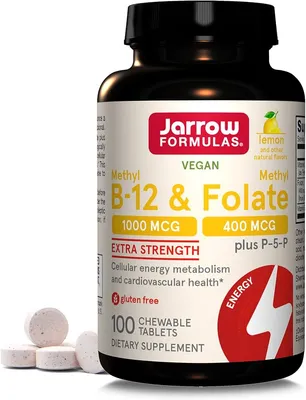
Jarrow Formulas Methyl B-12 1000mcg
Best overall — active methylcobalamin in a sublingual format designed for age-related absorption challenges.
- Methylcobalamin — active, bioavailable form
- Sublingual lozenge dissolves under the tongue for direct absorption
- Pleasant cherry flavor without artificial sweeteners
The best B12 supplement for adults over 50 is Jarrow Formulas Methyl B-12 1000mcg. It delivers methylcobalamin — the active form your body uses directly — in a sublingual lozenge that absorbs through the tissue under your tongue, bypassing the stomach entirely. This matters because up to 30% of adults over 50 have reduced stomach acid and intrinsic factor, making it harder to absorb B12 through normal digestion. For those who want the purest formula with NSF certification, Thorne Methylcobalamin is the premium pick.
We evaluated four B12 supplements across form (methylcobalamin vs. cyanocobalamin), delivery method (sublingual, oral, spray), third-party testing, and value for adults over 50 dealing with age-related absorption changes.
Why B12 Becomes Critical After 50
Vitamin B12 is involved in hundreds of biochemical processes — from producing red blood cells to maintaining the myelin sheath that protects your nerves to supporting DNA synthesis and cognitive function. Your body cannot make it. You must get it from food or supplements.
For most younger adults, dietary B12 from meat, fish, eggs, and dairy is sufficient. But after 50, a cascade of physiological changes makes food-sourced B12 increasingly unreliable.
Stomach acid decline. B12 in food is bound to proteins. Your stomach needs hydrochloric acid and the enzyme pepsin to free B12 from these proteins so it can be absorbed. After 50, the stomach lining gradually produces less acid — a condition called atrophic gastritis that affects an estimated 10-30% of older adults.
Intrinsic factor reduction. Even after B12 is freed from food proteins, it requires intrinsic factor — a protein produced by stomach lining cells — to be absorbed in the small intestine. Atrophic gastritis damages these cells, reducing intrinsic factor production alongside acid production.
Metformin use. Over 34 million Americans have type 2 diabetes, and metformin is the most commonly prescribed first-line medication. Long-term metformin use reduces B12 absorption by 10-30%, according to a 2016 study in the Journal of Clinical Endocrinology & Metabolism. If you take metformin and are over 50, B12 supplementation is especially important.
Proton pump inhibitors (PPIs). Acid-reducing medications like omeprazole (Prilosec) and esomeprazole (Nexium) further suppress the stomach acid needed for B12 liberation from food. Long-term PPI use is a recognized risk factor for B12 deficiency.
The National Academy of Medicine addressed this directly: they specifically recommend that adults over 50 obtain most of their B12 from supplements or fortified foods, because these forms contain free (unbound) B12 that does not require stomach acid to absorb.
Methylcobalamin vs. Cyanocobalamin: Which Form Is Better?
This is the most debated question in B12 supplementation, and the answer is more nuanced than most supplement marketing suggests.
Cyanocobalamin is synthetic, highly stable, and the form used in the vast majority of clinical trials proving B12 supplementation works. Your body converts it to the active forms (methylcobalamin and adenosylcobalamin) through a multi-step enzymatic process. It’s also the cheapest to manufacture.
Methylcobalamin is one of the two active coenzyme forms of B12. It’s used directly by your body without conversion, particularly for methionine synthase — a critical enzyme for DNA synthesis, methylation, and homocysteine metabolism.
For most healthy adults, both forms effectively raise blood B12 levels. A 2015 study in Clinical Pharmacology & Therapeutics found no significant difference in serum B12 levels between subjects taking cyanocobalamin versus methylcobalamin at equivalent doses over 16 weeks.
However, for adults over 50, methylcobalamin has theoretical advantages. The enzymatic conversion from cyanocobalamin to active forms requires adequate glutathione and certain reductase enzymes that may decline with age, chronic illness, or genetic polymorphisms (MTHFR variants affect approximately 10-15% of the population). By starting with the active form, you sidestep potential conversion bottlenecks.
Our recommendation: Methylcobalamin is the preferred form for adults over 50. It’s a modest price premium (often just a few dollars more per month) for the assurance that your body can use it directly.
Best Overall: Jarrow Formulas Methyl B-12 1000mcg
Jarrow Formulas combines the right B12 form with the right delivery method at the right price. Their Methyl B-12 is a cherry-flavored sublingual lozenge that dissolves under the tongue in 2-3 minutes, allowing methylcobalamin to absorb directly through the sublingual mucosa into the bloodstream.
This sublingual delivery is the key differentiator. A 2003 study published in the British Journal of Clinical Pharmacology demonstrated that sublingual B12 was as effective as intramuscular B12 injections at correcting deficiency — a remarkable finding that makes sublingual supplements a practical alternative to the B12 shots that many older adults receive at their doctor’s office.
The 1,000mcg dose is the sweet spot for daily supplementation in adults over 50. While the RDA for B12 is only 2.4mcg, the absorption rate for supplemental B12 decreases sharply at higher doses — your body absorbs roughly 50% of a 1mcg dose but only 1-2% of a 1,000mcg dose. That 1-2% of 1,000mcg still delivers 10-20mcg of absorbed B12, which is more than sufficient to maintain optimal levels and gradually correct mild deficiency.
At roughly $10 for a 100-count bottle, Jarrow delivers approximately 3 months of daily supplementation for the cost of a single B12 injection copay. The cherry flavor is pleasant without being artificial, and most users find the lozenges easy to incorporate into a morning routine.
The only notable downside is that the lozenges contain xylitol (a sugar alcohol used as a sweetener) and natural flavors. These are well-tolerated by the vast majority of people, but if you prefer an absolutely clean formula with zero additives, Thorne’s capsule is the better choice.
Who it’s best for: Most adults over 50, particularly those with digestive issues, low stomach acid, or anyone taking PPIs or metformin. The sublingual format maximizes absorption when oral absorption is compromised.
Best Budget: Nature Made Vitamin B12 1000mcg
Nature Made’s B12 carries USP Verification — the most rigorous third-party testing designation available for supplements in the United States. USP independently confirms that the product contains the labeled dose, dissolves properly, was manufactured under strict quality controls, and is free of harmful contaminants.
The time-release formulation is designed to provide a gradual release of B12 as the tablet moves through your digestive tract, potentially improving total absorption compared to a standard immediate-release tablet. While the clinical evidence for time-release B12 specifically is limited, the concept is pharmacologically sound for water-soluble vitamins.
At under $0.07 per day, this is the most affordable B12 supplement on our list. Nature Made is available at virtually every pharmacy and grocery store in the country, making it the easiest option to keep in stock.
The trade-offs are the form and delivery method. Cyanocobalamin requires enzymatic conversion to active B12, and the standard oral tablet relies on normal digestive absorption — stomach acid to free B12, intrinsic factor to carry it across the intestinal wall. If your digestive system works well, this is perfectly fine. If you have atrophic gastritis, take PPIs, or take metformin, a sublingual methylcobalamin (Jarrow) or spray (Garden of Life) that bypasses the gut is a safer bet.
Who it’s best for: Budget-conscious adults over 50 who have normal digestive function and want USP-verified assurance at the lowest possible cost.
Best Premium: Thorne Methylcobalamin
Thorne’s Methylcobalamin capsule represents the cleanest B12 formulation on our list. The ingredient list is strikingly short: methylcobalamin, hypromellose capsule, and leucine (an amino acid used as a flow agent). No flavors, no sweeteners, no fillers, no allergens.
The NSF Certified for Sport designation means every batch is independently tested for purity, potency, and the absence of over 270 prohibited substances. While you may not need competition-level testing, NSF certification also catches heavy metal contamination, microbial contamination, and label inaccuracies — quality concerns that affect the broader supplement market.
Thorne is one of the most prescribed supplement brands among integrative medicine and functional medicine physicians in the United States. If your doctor has recommended a specific B12 supplement, there’s a meaningful chance they mentioned Thorne.
The capsule format does mean this product relies on normal GI absorption rather than sublingual delivery. The methylcobalamin form helps — it’s already in the active state regardless of delivery route — but if you have significant digestive absorption challenges, the sublingual format of Jarrow or the spray format of Garden of Life has an edge.
At roughly $0.30 per day, Thorne is the most expensive B12 supplement on this list. Whether the premium formulation and NSF certification justify the 3-4x cost over Jarrow depends on how much you value ingredient purity and third-party testing.
Who it’s best for: Adults over 50 who want the purest possible methylcobalamin formula with the strongest third-party certification, and who have reasonable digestive absorption capacity.
Best Spray: Garden of Life Vitamin B12 Spray
Garden of Life’s B12 spray offers a delivery method that some adults over 50 find easier and more pleasant than pills or lozenges. Two sprays deliver 500mcg of methylcobalamin in an organic raspberry-flavored base. Four sprays provide the full 1,000mcg dose.
The spray format absorbs through the oral mucosa — similar in principle to sublingual absorption, but delivered across the broader surface area of the mouth rather than concentrated under the tongue. This bypasses the GI tract entirely, making it a strong choice for anyone with digestive absorption limitations.
The product is USDA Organic, Non-GMO Project Verified, and vegan. Garden of Life uses whole-food-cultured methylcobalamin, meaning the B12 is grown in a matrix of organic fruits and vegetables rather than isolated synthetically. Whether this whole-food approach improves absorption over isolated methylcobalamin is not conclusively established, but it aligns with a whole-food supplement philosophy.
The practical considerations: the spray bottle should be refrigerated after opening for optimal potency (not always convenient for travel), and the spray dosing is slightly less precise than a tablet or lozenge. You’re aiming for the back of the throat/under the tongue, and the actual delivered dose may vary slightly from spray to spray.
At roughly $0.23 per day (at 1,000mcg dosing), it’s priced between Jarrow and Thorne. The flavor is genuinely pleasant — organic raspberry without artificial aftertaste.
Who it’s best for: Adults over 50 who dislike swallowing pills and lozenges, want a fast and easy delivery format, and prefer organic/whole-food supplements.
How to Choose the Right B12 Supplement
Selecting the right B12 supplement comes down to four key questions:
How is your digestive health? If you take PPIs, H2 blockers, or metformin — or if you have diagnosed atrophic gastritis, celiac disease, Crohn’s disease, or have had gastric surgery — choose a sublingual lozenge (Jarrow) or oral spray (Garden of Life) that bypasses the GI tract. If your digestion is healthy, any delivery method works.
Does form matter for you? Methylcobalamin (Jarrow, Thorne, Garden of Life) is the active form your body uses directly. Cyanocobalamin (Nature Made) is synthetic and requires conversion. For most people over 50, methylcobalamin is worth the small price premium — but cyanocobalamin is well-proven and far better than no supplementation at all.
How important is third-party testing? USP (Nature Made) and NSF (Thorne) represent the gold standards. Jarrow and Garden of Life conduct third-party testing but don’t carry these specific certifications. If you prioritize verification, Nature Made and Thorne are the safest choices.
What’s your budget? Nature Made at $8 for 2-3 months is hard to beat on cost. Jarrow at $10 for 3+ months offers the best value for a methylcobalamin sublingual. Thorne and Garden of Life are premium-priced but offer distinct advantages (purity and delivery format, respectively).
One more consideration: get tested. A serum B12 test is inexpensive and available through any primary care physician. Levels below 200 pg/mL indicate deficiency; 200-400 pg/mL is a gray zone where symptoms may be present; above 400 pg/mL is generally adequate. If you’re in the deficient range, your doctor may recommend B12 injections initially, followed by high-dose oral or sublingual supplementation for maintenance. Methylmalonic acid (MMA) is a more sensitive marker — elevated MMA indicates functional B12 deficiency even when serum B12 appears normal.
The Connection Between B12 and Cognitive Health
B12’s role in brain health deserves special attention for adults over 50. Low B12 is associated with elevated homocysteine levels, and high homocysteine is an independent risk factor for cognitive decline and dementia.
A 2010 study from the University of Oxford, published in PLOS ONE, found that B vitamin supplementation (including B12) slowed brain atrophy by 30% over two years in older adults with mild cognitive impairment and elevated homocysteine. Among those with the highest homocysteine levels, brain shrinkage was slowed by a remarkable 53%.
This does not mean B12 prevents or treats dementia — the research is observational and associational, and clinical trials have produced mixed results. But maintaining adequate B12 levels is a low-risk, low-cost strategy that may support cognitive function as you age. If you’re experiencing unexplained memory issues or brain fog, a B12 and homocysteine blood test is a worthwhile early step before attributing symptoms to “normal aging.”
Consult your doctor if you suspect B12 deficiency, particularly if you experience neurological symptoms like tingling, numbness, or balance difficulties. Prolonged severe deficiency can cause nerve damage that becomes irreversible if not addressed in time.
Frequently Asked Questions
Why do adults over 50 need more vitamin B12?
After age 50, the stomach produces less hydrochloric acid and less intrinsic factor — a protein required for B12 absorption in the small intestine. This condition, called atrophic gastritis, affects 10-30% of adults over 50 and makes it increasingly difficult to absorb B12 from food, even from B12-rich diets. The National Academy of Medicine specifically recommends that adults over 50 get most of their B12 from supplements or fortified foods rather than relying on dietary sources alone.
What is the difference between methylcobalamin and cyanocobalamin?
Methylcobalamin is the active, bioavailable form of B12 that your body can use immediately without conversion. Cyanocobalamin is a synthetic form that must be converted to methylcobalamin or adenosylcobalamin in your body before it becomes active. Cyanocobalamin is more stable and cheaper to manufacture, and it has been used in most clinical trials. Both forms effectively raise blood B12 levels, but methylcobalamin may be preferable for older adults because it skips the conversion step — and the enzymes responsible for that conversion may become less efficient with age.
Is sublingual B12 better than regular oral B12?
Sublingual B12 dissolves under the tongue and is absorbed directly through the mucous membranes into the bloodstream, bypassing the stomach and intestinal absorption pathway entirely. This can be a meaningful advantage for adults with atrophic gastritis, low stomach acid, or digestive conditions that impair B12 absorption. A 2003 study in the British Journal of Clinical Pharmacology found that sublingual B12 was as effective as B12 injections at correcting deficiency, making it a practical alternative to shots for many people.
What are the symptoms of B12 deficiency?
B12 deficiency symptoms develop gradually and can mimic other conditions common in aging, which is why it’s often missed. Early symptoms include unexplained fatigue, weakness, and brain fog. As deficiency progresses, symptoms may include tingling or numbness in hands and feet (peripheral neuropathy), difficulty walking, memory problems, mood changes, and a swollen or inflamed tongue. Severe, prolonged deficiency can cause irreversible nerve damage. If you experience any combination of these symptoms, ask your doctor for a serum B12 and methylmalonic acid test.
How long does it take for B12 supplements to work?
If you’re deficient, you may notice improvements in energy and mental clarity within 1-2 weeks of starting supplementation. Neurological symptoms like tingling and numbness typically take 1-3 months to improve, though recovery depends on how long the deficiency persisted before treatment. Blood levels of B12 usually normalize within 4-8 weeks of consistent daily supplementation at 1,000mcg. If symptoms don’t improve after 2-3 months, consult your doctor — you may need B12 injections or evaluation for pernicious anemia.
The Bottom Line
B12 deficiency after 50 is common, consequential, and easily preventable. The combination of declining stomach acid, widespread metformin and PPI use, and reduced intrinsic factor production makes supplementation a smart default for virtually every adult over 50.
Jarrow Formulas Methyl B-12 is our top pick because it pairs the right form (methylcobalamin) with the right delivery method (sublingual) at a price that makes daily supplementation effortless. If purity and certification are your priority, Thorne Methylcobalamin is the premium standard.
Get your B12 level tested at your next doctor visit. If you’re below 400 pg/mL, start supplementing. If you take metformin, PPIs, or have any digestive condition, sublingual or spray delivery gives you the best chance of adequate absorption. Your brain, nerves, and energy levels will thank you.
All Products We Reviewed
- Methylcobalamin — active, bioavailable form
- Sublingual lozenge dissolves under the tongue for direct absorption
- Pleasant cherry flavor without artificial sweeteners
- Excellent value at roughly $0.08 per day
- Contains xylitol and natural flavors (minor for most people)
- Lozenge form takes 2-3 minutes to dissolve fully
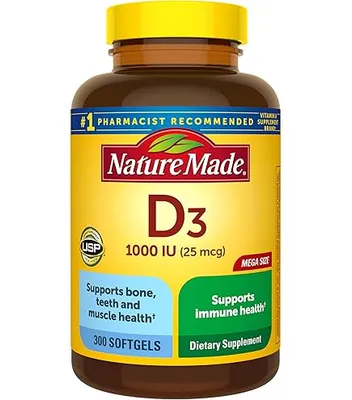
- USP Verified — independent purity and potency testing
- Time-release formulation for sustained absorption
- Number one pharmacist-recommended B12 brand
- Most affordable option at under $0.07 per day
- Cyanocobalamin form (requires conversion to active form)
- Standard oral tablet — relies on normal digestive absorption
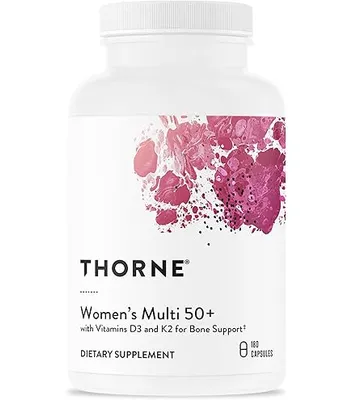
- Active methylcobalamin form — no conversion needed
- NSF Certified for Sport — strictest third-party testing
- No artificial fillers, flavors, or common allergens
- Trusted by integrative medicine physicians
- Higher price per serving than Jarrow or Nature Made
- Standard capsule — not sublingual
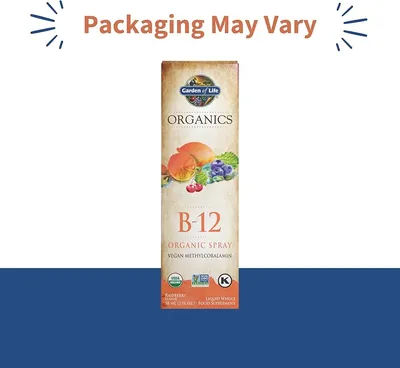
- Methylcobalamin oral spray — absorbs through mouth lining
- Bypasses GI tract entirely (ideal for absorption issues)
- Organic, Non-GMO Project Verified, vegan
- Pleasant raspberry flavor, easy to use
- Less precise dosing than tablets or capsules
- Must be refrigerated after opening for best potency
- Higher cost per serving than lozenges or tablets
Frequently Asked Questions
Why do adults over 50 need more vitamin B12?
After age 50, the stomach produces less hydrochloric acid and less intrinsic factor — a protein required for B12 absorption in the small intestine. This condition, called atrophic gastritis, affects 10-30% of adults over 50 and makes it increasingly difficult to absorb B12 from food, even from B12-rich diets. The National Academy of Medicine specifically recommends that adults over 50 get most of their B12 from supplements or fortified foods rather than relying on dietary sources alone.
What is the difference between methylcobalamin and cyanocobalamin?
Methylcobalamin is the active, bioavailable form of B12 that your body can use immediately without conversion. Cyanocobalamin is a synthetic form that must be converted to methylcobalamin or adenosylcobalamin in your body before it becomes active. Cyanocobalamin is more stable and cheaper to manufacture, and it has been used in most clinical trials. Both forms effectively raise blood B12 levels, but methylcobalamin may be preferable for older adults because it skips the conversion step — and the enzymes responsible for that conversion may become less efficient with age.
Is sublingual B12 better than regular oral B12?
Sublingual B12 dissolves under the tongue and is absorbed directly through the mucous membranes into the bloodstream, bypassing the stomach and intestinal absorption pathway entirely. This can be a meaningful advantage for adults with atrophic gastritis, low stomach acid, or digestive conditions that impair B12 absorption. A 2003 study in the British Journal of Clinical Pharmacology found that sublingual B12 was as effective as B12 injections at correcting deficiency, making it a practical alternative to shots for many people.
What are the symptoms of B12 deficiency?
B12 deficiency symptoms develop gradually and can mimic other conditions common in aging, which is why it's often missed. Early symptoms include unexplained fatigue, weakness, and brain fog. As deficiency progresses, symptoms may include tingling or numbness in hands and feet (peripheral neuropathy), difficulty walking, memory problems, mood changes, and a swollen or inflamed tongue. Severe, prolonged deficiency can cause irreversible nerve damage. If you experience any combination of these symptoms, ask your doctor for a serum B12 and methylmalonic acid test.
How long does it take for B12 supplements to work?
If you're deficient, you may notice improvements in energy and mental clarity within 1-2 weeks of starting supplementation. Neurological symptoms like tingling and numbness typically take 1-3 months to improve, though recovery depends on how long the deficiency persisted before treatment. Blood levels of B12 usually normalize within 4-8 weeks of consistent daily supplementation at 1,000mcg. If symptoms don't improve after 2-3 months, consult your doctor — you may need B12 injections or evaluation for pernicious anemia.