
Probiotics vs Digestive Enzymes: Which Do You Actually Need?
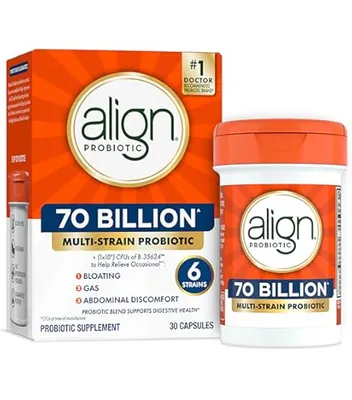
Align Extra Strength Probiotic
Best probiotic for IBS and digestive discomfort — the most evidence-backed strain for bloating, abdominal pain, and irregular bowel habits.
- Bifidobacterium longum 35624 — clinically studied for IBS symptoms
- Recommended by gastroenterologists more than any other probiotic
- Shelf-stable with no refrigeration needed
Probiotics and digestive enzymes both live in the “digestive health” aisle, but they do fundamentally different things inside your body. Probiotics are live bacteria that colonize your gut and reshape your microbiome over weeks and months — they change the environment. Digestive enzymes are proteins that break down the food you just ate into absorbable nutrients — they work within minutes. The confusion is understandable, because both can reduce bloating and improve digestion. But they solve different problems, and knowing which problem you have determines which supplement will actually help.
After reviewing the clinical evidence — including a major 2014 meta-analysis on probiotics for IBS, research on age-related enzyme decline, and the 2018 Ianiro review on enzyme supplementation — here is a clear breakdown of when each one works, when you need both, and which products deliver the best results for adults over 50.
What Are Probiotics?
Probiotics are live microorganisms — primarily bacteria, but also some yeasts — that provide health benefits when consumed in adequate amounts. The most common probiotic genera are Lactobacillus and Bifidobacterium, though specific strains within those groups matter far more than the genus name on the label.
Your gut contains trillions of bacteria collectively called the gut microbiome. This ecosystem influences far more than digestion — it affects immune function, inflammation, nutrient synthesis, mood, and even how well you sleep. A healthy microbiome is diverse, with many different bacterial species coexisting in balance.
How Probiotics Work
Probiotics do not digest your food. Instead, they work by changing the bacterial landscape of your gut over time:
Colonization and competition. Probiotic bacteria take up residence along your intestinal lining, competing with harmful bacteria for space and nutrients. This competitive exclusion helps prevent pathogenic bacteria from gaining a foothold.
Immune modulation. Roughly 70% of your immune system resides in your gut. Probiotic bacteria interact with immune cells in the intestinal wall, helping calibrate immune responses — supporting defense against pathogens while reducing inappropriate inflammation.
Short-chain fatty acid production. Beneficial bacteria ferment dietary fiber and produce short-chain fatty acids (butyrate, propionate, acetate) that nourish your intestinal lining, reduce inflammation, and support gut barrier integrity.
Barrier function. Probiotics help maintain the tight junctions between intestinal cells, preventing “leaky gut” — a condition where the intestinal barrier becomes more permeable, allowing inflammatory molecules to pass into the bloodstream.
The key distinction: probiotics work gradually. They reshape your gut ecosystem over weeks, not hours. This is a long-term strategy, not immediate symptom relief.
Why Probiotics Matter More After 50
Your gut microbiome changes significantly with age. Research consistently shows that Bifidobacterium species — among the most important beneficial bacteria — decline substantially in older adults. This decline is accelerated by common factors in adults over 50:
- Antibiotic use — even a single course can disrupt microbiome diversity for months
- Proton pump inhibitors (PPIs) — widely prescribed for acid reflux, these alter gut pH and shift bacterial populations
- Reduced dietary fiber — many older adults eat less fiber, which feeds beneficial bacteria
- Slower gut motility — food moves more slowly through the digestive tract, changing the fermentation environment
A probiotic supplement with clinically studied strains can help counter this age-related microbiome decline.
What Are Digestive Enzymes?
Digestive enzymes are proteins your body naturally produces to break food into absorbable molecules. Without them, the nutrients in your food would pass through your digestive tract without being absorbed. Your body makes several types:
Amylase breaks down carbohydrates (starches) into simple sugars. Produced in your salivary glands and pancreas.
Protease breaks down proteins into amino acids. Produced in your stomach (as pepsin) and pancreas (as trypsin and chymotrypsin).
Lipase breaks down fats into fatty acids and glycerol. Produced primarily by your pancreas, with bile from the gallbladder assisting fat emulsification.
Lactase breaks down lactose (milk sugar). Produced in the small intestine — and notably, production declines in many adults, leading to lactose intolerance.
Cellulase breaks down plant fiber. Your body does not produce this enzyme — only gut bacteria do, which is one connection point between enzymes and probiotics.
How Digestive Enzymes Work
Unlike probiotics, digestive enzymes work immediately and mechanically. When you swallow an enzyme supplement with food, those enzymes begin breaking chemical bonds in your meal within minutes. Amylase cleaves starch molecules. Protease snips protein chains. Lipase splits fat molecules. The result is smaller, absorbable nutrient fragments that your intestinal lining can transport into your bloodstream.
There is no colonization, no long-term ecosystem change, no immune modulation. Enzymes are tools that do one job — break down food — and then get digested themselves. Each dose works for that meal only.
Why Enzyme Production Declines After 50
This is where the age factor becomes critical. A 1982 study by Graham and colleagues demonstrated that pancreatic enzyme output decreases with age, with measurable declines in lipase, amylase, and trypsin secretion in adults over 50. Additional age-related changes compound the problem:
Reduced stomach acid. Hypochlorhydria (low stomach acid) affects an estimated 10-30% of adults over 60, and some studies suggest even higher rates. Lower acid means pepsin — the stomach’s primary protein-digesting enzyme — activates less efficiently.
Gallbladder sluggishness. The gallbladder becomes less responsive with age, releasing bile less effectively. Since bile is essential for fat emulsification (breaking large fat globules into smaller droplets that lipase can access), fat digestion suffers.
Pancreatic decline. The pancreas produces the majority of digestive enzymes. Pancreatic exocrine function decreases gradually with age, meaning less enzyme output per meal.
The practical result: foods you digested easily at 35 now sit in your stomach longer, ferment in your intestines, and produce gas, bloating, and discomfort. This is not a probiotic problem — it is a mechanical breakdown problem that enzymes directly address.
Head-to-Head: The Evidence Compared
Probiotics: What the Research Shows
The clinical evidence for probiotics is extensive, particularly for specific conditions:
IBS. A 2014 meta-analysis by Ford and colleagues published in the American Journal of Gastroenterology analyzed 35 randomized controlled trials involving over 3,400 IBS patients. The analysis found that probiotics significantly improved overall IBS symptoms (RR 0.79), with the strongest evidence for Bifidobacterium and Lactobacillus strains. Specific strains like Bifidobacterium longum 35624 (the strain in Align) had dedicated trial data showing significant reductions in bloating, pain, and bowel irregularity.
Antibiotic-associated diarrhea. A 2012 Cochrane review of 63 trials found that probiotics reduced the risk of antibiotic-associated diarrhea by 42%. Lactobacillus rhamnosus GG and Saccharomyces boulardii had the strongest individual evidence.
Immune function in older adults. A 2014 review in the British Journal of Nutrition examined multiple trials and found that probiotic supplementation in elderly subjects improved markers of immune function, including natural killer cell activity and vaccination response.
Gut barrier integrity. Multiple studies show that specific probiotic strains strengthen the intestinal barrier by supporting tight junction proteins, potentially reducing systemic inflammation associated with aging.
Digestive Enzymes: What the Research Shows
The evidence base for digestive enzyme supplements is narrower but solid for specific applications:
Pancreatic insufficiency. Prescription-grade pancreatic enzyme replacement therapy (PERT) is the standard treatment for exocrine pancreatic insufficiency — a condition where the pancreas does not produce enough enzymes. This is well-established medicine, not alternative health.
Age-related enzyme decline. A 2018 review by Ianiro and colleagues in BMC Medicine examined the evidence for digestive enzyme supplementation in functional dyspepsia (chronic indigestion without a clear structural cause). They found that multi-enzyme preparations improved symptoms in several controlled trials, particularly for bloating, fullness, and post-meal discomfort.
Lactose intolerance. Supplemental lactase taken with dairy is well-proven — this is one of the most straightforward enzyme applications.
Specific food intolerances. Alpha-galactosidase (the enzyme in Beano) effectively breaks down the oligosaccharides in beans and cruciferous vegetables that cause gas. This has a clear mechanism and reliable results.
The Key Difference in Evidence
Probiotics have a much larger body of clinical trial data, covering more conditions and more diverse health outcomes. Digestive enzymes have a narrower but more mechanistically direct evidence base — they do one thing (break down food) and do it reliably.
The important point: they are not competing treatments. You would not take an enzyme for IBS any more than you would take a probiotic to digest a fatty meal. They answer different questions.
When to Choose Probiotics
A probiotic is likely your better starting point if:
You have IBS symptoms. Bloating, abdominal pain, alternating constipation and diarrhea, unpredictable bowel habits — these point to a gut microbiome issue. The Ford meta-analysis showed clear benefit for specific probiotic strains in IBS. Align Extra Strength (Bifidobacterium 35624) has the most targeted IBS evidence.
You are recovering from antibiotics. Antibiotics kill beneficial gut bacteria along with harmful ones. A probiotic helps repopulate your microbiome after a course of antibiotics. Lactobacillus rhamnosus GG (in Culturelle) and Saccharomyces boulardii (in Florastor) have the strongest antibiotic-recovery evidence.
You get sick frequently. If you catch every cold and flu that comes around, your immune system may benefit from microbiome support. Since 70% of immune function is gut-associated, restoring microbial diversity can strengthen immune defenses.
Your digestion is generally unpredictable. If your symptoms are not tied to specific meals but rather come and go throughout the day or week, the issue is more likely your gut ecosystem than enzyme insufficiency. Probiotics address the underlying environment.
You take PPIs or other acid-suppressing medications. These medications alter gut pH and shift bacterial populations. A probiotic can help maintain microbiome diversity despite the pH changes.
Timeline: Commit to at least 4 weeks of daily use. Full benefits often take 6-8 weeks. If the first strain you try does not help after 6 weeks, try a different strain — probiotic response is strain-specific.
When to Choose Digestive Enzymes
A digestive enzyme is likely your better starting point if:
You get bloated within 30-60 minutes after meals. If your symptoms are reliably tied to eating — especially large meals, fatty meals, or meals high in protein — your body may not be producing enough enzymes to handle the food volume. An enzyme supplement taken with the first bites of that meal provides immediate mechanical support.
You have difficulty digesting specific foods. If fatty foods give you particular trouble (greasy feeling, loose stools), your lipase production or bile release may be insufficient. If dairy causes bloating, you likely need lactase. If beans and cruciferous vegetables cause gas, alpha-galactosidase helps. These are specific, identifiable enzyme gaps.
Your doctor has mentioned pancreatic insufficiency. If imaging, blood tests, or a fecal elastase test has identified reduced pancreatic function, enzyme supplementation is the direct treatment. This is a medical condition, not a wellness choice.
You are over 60 and meal-related bloating is a new development. If digestion was fine at 55 but you now consistently feel heavy and bloated after meals, age-related enzyme decline is the most likely culprit. The Graham 1982 study documented this decline as a normal part of aging.
You eat large meals or high-protein meals. Even with normal enzyme production, very large meals can overwhelm your enzymatic capacity. A supplemental enzyme with a heavy meal is a reasonable strategy.
Timeline: You should notice improvement within that same meal. If you use enzymes consistently for 1-2 weeks with no reduction in post-meal symptoms, enzyme insufficiency may not be your issue. Consult your doctor for further evaluation.
Can You Take Both?
Yes — and many adults over 50 benefit from both, because the two supplements address different aspects of the same digestive system. The key is timing them correctly.
Digestive enzymes: Take with the first bites of a meal, or immediately before eating. They need to be present in your stomach when food arrives. One capsule per meal, especially larger meals.
Probiotics: Take on an empty stomach — either 30 minutes before a meal or at bedtime. This allows the bacteria to pass through stomach acid when it is least active, improving survival rates. Some shelf-stable formulations (like Align) are designed to survive stomach acid regardless of timing, but empty-stomach dosing is still the conservative approach.
Why this combination works: Enzymes handle the immediate mechanical job of breaking food into absorbable nutrients. Probiotics handle the long-term ecological job of maintaining a healthy gut environment. One fixes the short-term symptom (post-meal discomfort), the other addresses the underlying environment (microbiome health, immune function, gut barrier integrity).
A practical starting approach: If you are not sure which you need, try one at a time for 3-4 weeks. Start with the one that matches your primary symptom pattern — enzymes if your symptoms are meal-specific, probiotics if your symptoms are more general. Then add the other if needed. This way, you know exactly which supplement is helping.
Safety note: Both probiotics and digestive enzymes have excellent safety profiles with very few side effects. Mild gas or bloating in the first few days of probiotic use is normal and typically resolves within a week. Enzyme supplements very rarely cause issues, though ox bile-containing formulas may cause loose stools initially. Consult your doctor before starting either supplement if you take immunosuppressant medications, blood thinners, or have a serious underlying health condition.
Our Product Recommendations
Align Extra Strength — Best Probiotic for IBS
Align contains Bifidobacterium longum 35624, a strain developed by gastroenterologists over 20 years of research. It is the probiotic most recommended by gastroenterologists in the United States, and the American Gastroenterological Association conditionally recommends it for IBS symptoms. The 5 billion CFU dose is the exact amount used in clinical trials — not arbitrarily chosen. Shelf-stable with no refrigeration needed.
Who it is best for: Adults over 50 with IBS symptoms — bloating, abdominal discomfort, and irregular bowel habits. If your digestive issues are ongoing and not tied to specific meals, this is the targeted probiotic with the strongest clinical support. Read our full review: Align Extra Strength Probiotic
Enzymedica Digest Gold + ATPro — Best Digestive Enzyme
Enzymedica’s Thera-blend technology is the key differentiator. Most enzyme supplements contain enzymes that only work in a narrow pH range — either the acidic stomach or the alkaline small intestine. Thera-blend combines multiple enzyme strains active at different pH levels, providing complete food breakdown across your entire digestive tract. It is the #1 selling enzyme brand in America, 100% plant-based, and includes ATPro for cellular energy support.
Who it is best for: Adults over 50 who experience consistent post-meal bloating, heaviness, or gas — especially after large or high-protein meals. If eating has become uncomfortable, this enzyme formula addresses the mechanical breakdown problem directly. Read our full review: Enzymedica Digest Gold
Garden of Life Probiotics for Women 50+ — Best Multi-Strain Probiotic for Women
Formulated by neurologist Dr. David Perlmutter, this delivers 50 billion CFU across 16 diverse strains including both Lactobacillus and Bifidobacterium species. It is USDA Organic, Non-GMO Project Verified, and shelf-stable. The formula includes strains that support vaginal and urinary tract health — areas where probiotic needs shift during and after menopause. A prebiotic fiber blend feeds the probiotic bacteria.
Who it is best for: Women over 50 who want comprehensive microbiome support beyond just digestive health — including immune function, vaginal health, and broad microbial diversity. Read our full review: Garden of Life Probiotics for Women 50+
Frequently Asked Questions
Can I take probiotics and digestive enzymes at the same time? You can use both, but take them at different times for best results. Digestive enzymes work best taken immediately before or with meals, because they need to be present when food arrives in your stomach. Probiotics are best taken on an empty stomach — either 30 minutes before a meal or at bedtime — so the bacteria can pass through your stomach acid more easily. Taking both with the same meal is not harmful, but the acidic digestive environment may reduce probiotic survival.
Why do I get more bloated after eating now that I’m over 50? Two things change as you age. First, your body produces fewer digestive enzymes — pancreatic enzyme output declines with each decade after 50, and stomach acid production drops (hypochlorhydria affects up to 40% of adults over 60). This means food breaks down more slowly, producing gas. Second, your gut microbiome loses diversity, particularly Bifidobacterium species. Less microbial diversity means less efficient fermentation of fiber and carbohydrates. Depending on which factor is dominant, you may need enzymes, probiotics, or both.
How quickly do probiotics and digestive enzymes start working? Digestive enzymes work within that same meal — most people notice less bloating within 30-60 minutes of eating. Probiotics take much longer because they work by gradually shifting your gut bacterial population. Expect at least 2-4 weeks of daily use before noticing digestive improvements from a probiotic, with full effects developing over 4-8 weeks. This is the most important practical difference between them: enzymes provide immediate relief, probiotics provide long-term change.
Should I take digestive enzymes if I already take a probiotic? Possibly. They address completely different problems. If your probiotic has helped with regularity and general gut comfort but you still get bloated or gassy after large meals — especially meals high in fat or protein — adding a digestive enzyme before meals may help. Try the enzyme separately for a week to see if it makes a difference. If your digestion is working well on a probiotic alone, there is no need to add enzymes.
Are probiotics or digestive enzymes better for IBS? For IBS specifically, probiotics have stronger clinical evidence. A 2014 meta-analysis by Ford and colleagues in the American Journal of Gastroenterology analyzed 35 randomized controlled trials and found that probiotics significantly improved overall IBS symptoms, abdominal pain, and bloating. Specific strains like Bifidobacterium longum 35624 (in Align) have dedicated IBS trial data. Digestive enzymes may help with meal-specific bloating in IBS, but they do not address the underlying gut dysfunction that drives the condition.
The Bottom Line
Probiotics and digestive enzymes are not interchangeable — they solve different problems through completely different mechanisms. Probiotics change your gut ecosystem over weeks, improving microbiome diversity, immune function, and gut barrier integrity. Digestive enzymes break down your food within minutes, addressing the mechanical failure that becomes more common after 50.
If your symptoms are meal-specific (bloating and heaviness after eating), start with a digestive enzyme like Enzymedica Digest Gold. If your symptoms are more general (unpredictable digestion, IBS, frequent illness, antibiotic recovery), start with a clinically studied probiotic like Align. If you have both patterns, use both — enzymes with meals, probiotics on an empty stomach.
The fact that both supplements have strong safety profiles and minimal side effects makes this an easier decision than most supplement choices. Try one, give it adequate time to work, and add the other if your symptoms are not fully resolved. Consult your doctor if digestive symptoms are new, worsening, or accompanied by weight loss, blood in stool, or persistent pain.
For related reading, see our guides on Best Probiotics for Seniors, Best Digestive Enzymes for Seniors, Best Time to Take Probiotics, and Digestive Enzymes After 60.
All Products We Reviewed
- Bifidobacterium longum 35624 — clinically studied for IBS symptoms
- Recommended by gastroenterologists more than any other probiotic
- Shelf-stable with no refrigeration needed
- Premium price for a single-strain formula
- Only 5 billion CFU — lower count than competitors
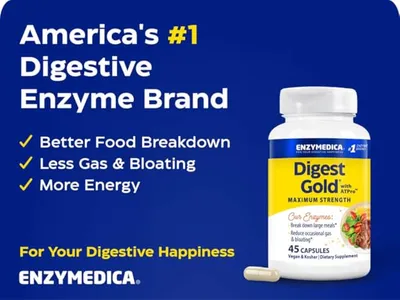
- Thera-blend enzymes work across the full pH range of your digestive tract
- #1 selling enzyme brand in the U.S.
- 100% plant-based — vegan, non-GMO, gluten-free
- Premium price compared to basic enzyme blends
- No ox bile — those needing fat-specific support may want additional help
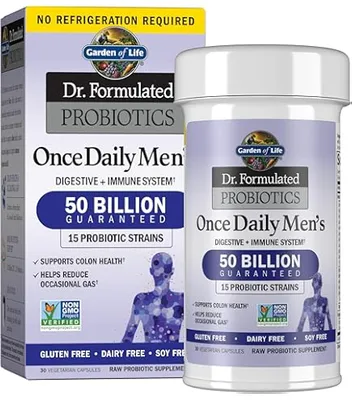
- 16 diverse strains at 50 billion CFU for broad microbiome support
- USDA Organic, Non-GMO Project Verified, shelf-stable
- Includes prebiotic fiber and strains for vaginal/immune health
- Large capsule size may be difficult to swallow
- Higher price than single-strain probiotics
Frequently Asked Questions
Can I take probiotics and digestive enzymes at the same time?
You can use both, but take them at different times for best results. Digestive enzymes work best taken immediately before or with meals, because they need to be present when food arrives in your stomach. Probiotics are best taken on an empty stomach — either 30 minutes before a meal or at bedtime — so the bacteria can pass through your stomach acid more easily. Taking both with the same meal is not harmful, but the acidic digestive environment may reduce probiotic survival.
Why do I get more bloated after eating now that I'm over 50?
Two things change as you age. First, your body produces fewer digestive enzymes — pancreatic enzyme output declines with each decade after 50, and stomach acid production drops (hypochlorhydria affects up to 40% of adults over 60). This means food breaks down more slowly, producing gas. Second, your gut microbiome loses diversity, particularly Bifidobacterium species. Less microbial diversity means less efficient fermentation of fiber and carbohydrates. Depending on which factor is dominant, you may need enzymes, probiotics, or both.
How quickly do probiotics and digestive enzymes start working?
Digestive enzymes work within that same meal — most people notice less bloating within 30-60 minutes of eating. Probiotics take much longer because they work by gradually shifting your gut bacterial population. Expect at least 2-4 weeks of daily use before noticing digestive improvements from a probiotic, with full effects developing over 4-8 weeks. This is the most important practical difference between them: enzymes provide immediate relief, probiotics provide long-term change.
Should I take digestive enzymes if I already take a probiotic?
Possibly. They address completely different problems. If your probiotic has helped with regularity and general gut comfort but you still get bloated or gassy after large meals — especially meals high in fat or protein — adding a digestive enzyme before meals may help. Try the enzyme separately for a week to see if it makes a difference. If your digestion is working well on a probiotic alone, there is no need to add enzymes.
Are probiotics or digestive enzymes better for IBS?
For IBS specifically, probiotics have stronger clinical evidence. A 2014 meta-analysis by Ford and colleagues in the American Journal of Gastroenterology analyzed 35 randomized controlled trials and found that probiotics significantly improved overall IBS symptoms, abdominal pain, and bloating. Specific strains like Bifidobacterium longum 35624 (in Align) have dedicated IBS trial data. Digestive enzymes may help with meal-specific bloating in IBS, but they do not address the underlying gut dysfunction that drives the condition.