
Best Magnesium Supplements for Heart Health (2026)
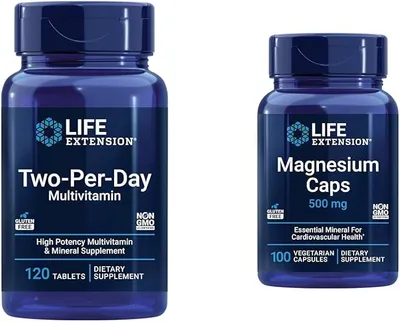
Life Extension Magnesium Caps
Best overall — comprehensive formula with three well-absorbed forms at an excellent price.
- Three forms: glycinate, taurate, and citrate
- 500mg per serving (4 capsules)
- Excellent value — roughly $0.23 per day
The best magnesium supplement for heart health is one that uses well-absorbed forms like glycinate or taurate — not the cheap magnesium oxide that fills most drugstore shelves. Our top pick is Life Extension Magnesium Caps, which combines three absorbable forms (glycinate, taurate, and citrate) at 500mg daily for about $0.23 per day. Given that up to 68% of Americans fall short on magnesium intake, this is one of the most broadly beneficial supplements you can take.
We compared seven magnesium supplements across absorption form, elemental magnesium content, digestive tolerability, and overall value for adults focused on cardiovascular health.
Why Magnesium Is Critical for Heart Health
Magnesium is involved in over 300 enzymatic reactions in your body, but its role in cardiovascular function is especially important. It helps:
Regulate heart rhythm. Magnesium maintains the electrical stability of your heart cells. Low magnesium is a recognized trigger for palpitations, irregular heartbeat, and more serious arrhythmias.
Manage blood pressure. Magnesium relaxes blood vessel walls, helping to reduce vascular resistance. Multiple meta-analyses confirm a modest but consistent blood pressure-lowering effect.
Support healthy cholesterol metabolism. Some research suggests adequate magnesium is associated with higher HDL (good cholesterol) and lower triglycerides.
Reduce inflammation. Low magnesium levels correlate with elevated C-reactive protein (CRP), a marker of cardiovascular inflammation risk.
Why Seniors Are Most at Risk for Deficiency
Adults over 60 face a triple challenge with magnesium:
Reduced dietary intake. Many older adults eat less overall, reducing magnesium consumption from food.
Decreased absorption. Your gut absorbs magnesium less efficiently with age. What you absorb at 65 is significantly less than what you absorbed at 40 from the same foods.
Medication depletion. Common medications drain magnesium — proton pump inhibitors (Nexium, Prilosec), diuretics, and some diabetes medications all reduce magnesium levels. If you take any of these, supplementation becomes especially important.
Not All Magnesium Is Created Equal
There are at least a dozen forms of magnesium supplements, and the differences in absorption are dramatic:
| Form | Absorption | Best For | GI Side Effects |
|---|---|---|---|
| Glycinate | High | Heart, sleep, anxiety | Very low |
| Taurate | High | Heart rhythm, blood pressure | Very low |
| Citrate | Moderate-High | General use | Moderate (can be laxative) |
| Malate | Moderate-High | Energy, muscle pain | Low |
| Oxide | Very Low (~4%) | Constipation relief | High (strong laxative) |
| Sulfate | Low | Epsom salt baths | N/A (topical) |
For heart health specifically, glycinate and taurate are the standout forms. Taurate is particularly interesting because taurine itself has independent cardiovascular benefits — it supports healthy blood pressure and heart rhythm.
Avoid magnesium oxide for heart health. Despite being the cheapest and most common form, your body absorbs only about 4% of it. That 500mg oxide capsule delivers roughly 20mg of usable magnesium.
Our Top 3 Picks Compared
1. Life Extension Magnesium Caps — Best Overall
Life Extension takes a smart multi-form approach: glycinate for absorption and tolerability, taurate for cardiovascular-specific benefits, and citrate for additional bioavailability. At 500mg per serving, it delivers a full therapeutic dose.
The only downside is the four-capsule serving. If you’d rather take fewer pills, split the dose — two capsules with breakfast, two with dinner. This actually improves absorption since your body handles smaller magnesium doses more efficiently.
Who it’s best for: Anyone prioritizing heart health who wants a comprehensive, well-priced magnesium supplement.
2. Doctor’s Best High Absorption Magnesium — Best for Sensitive Stomachs
If magnesium supplements have caused you digestive problems in the past, this pure glycinate formula is the gentlest option available. The chelated form means the magnesium is bonded to glycine (a calming amino acid), which dramatically reduces the laxative effect common with other forms.
The 200mg dose per serving is lower than Life Extension’s 500mg, so you may want to take two servings daily for full cardiovascular benefit.
Who it’s best for: Those with sensitive digestion or anyone who has had GI problems with magnesium in the past.
3. Thorne Magnesium Bisglycinate — Best Third-Party Tested
Thorne’s NSF Certified for Sport designation means rigorous independent testing for purity, potency, and label accuracy. The bisglycinate form is well-absorbed and gentle on the stomach.
At roughly $0.53 per day, the premium price reflects the testing credentials rather than a superior form — Doctor’s Best uses the same type of glycinate at roughly half the cost.
Who it’s best for: Those who want the highest level of third-party quality verification.
How Much Magnesium Do You Need?
The Recommended Dietary Allowance for adults over 50 is 420mg for men and 320mg for women. Most Americans get 250-300mg from food, leaving a gap of 50-170mg.
For heart health specifically, clinical trials showing cardiovascular benefits typically use 300-500mg of supplemental magnesium daily. A reasonable approach:
- Start with 200mg daily for the first week (assess tolerability)
- Increase to 300-400mg daily after one week
- Maximum 500mg supplemental unless your doctor recommends more
Timing tip: Split your dose between meals. Taking 200mg with breakfast and 200mg with dinner improves absorption and reduces the chance of digestive discomfort.
Magnesium-Rich Foods to Complement Supplementation
Supplements work best alongside dietary magnesium. The richest food sources:
- Pumpkin seeds (156mg per ounce)
- Almonds (80mg per ounce)
- Spinach (78mg per half cup, cooked)
- Dark chocolate 70%+ (65mg per ounce)
- Black beans (60mg per half cup)
- Avocado (58mg per medium fruit)
Even with a magnesium-rich diet, supplementation makes sense for most adults over 60 due to reduced absorption and medication-related depletion.
The Bottom Line
Magnesium is one of the most under-appreciated supplements for heart health, and most adults over 60 aren’t getting enough. Life Extension Magnesium Caps provides a comprehensive, well-absorbed formula at an excellent price. Doctor’s Best is the best alternative for those with sensitive stomachs.
Whatever you choose, avoid magnesium oxide (poor absorption) and start with a moderate dose before increasing. And as always, tell your doctor about any new supplements — especially if you take heart medications, blood pressure drugs, or diuretics.
For related reading, see Best Magnesium Supplements for Sleep Over 60 and Magnesium Glycinate vs Citrate vs Oxide for a detailed comparison of magnesium forms.
All Products We Reviewed
- Three forms: glycinate, taurate, and citrate
- 500mg per serving (4 capsules)
- Excellent value — roughly $0.23 per day
- Well-tolerated — glycinate base minimizes GI issues
- 4 capsules per serving
- May be too much for those sensitive to magnesium

- 100% chelated magnesium glycinate
- Very gentle on the stomach
- 200mg elemental magnesium per serving
- No additives or fillers
- Lower dose — may need to take more
- No taurate or additional forms
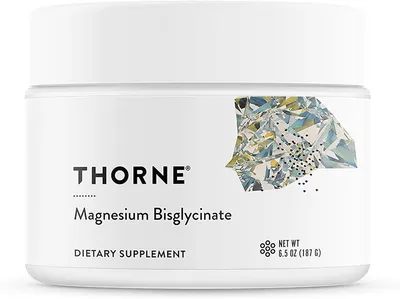
- NSF Certified for Sport
- Chelated bisglycinate for superior absorption
- Trusted brand with strict quality controls
- Premium price
- 200mg per serving (2 capsules)
Frequently Asked Questions
What type of magnesium is best for heart health?
Magnesium glycinate and magnesium taurate are the best forms for heart health. Glycinate is highly absorbed and unlikely to cause digestive issues. Taurate pairs magnesium with taurine, an amino acid that independently supports heart rhythm and blood pressure. Avoid magnesium oxide for heart health — it has the lowest absorption rate (only 4%) despite being the most common form in cheap supplements.
Can magnesium help with heart palpitations?
Magnesium plays a critical role in regulating heart rhythm, and low magnesium levels are a well-established cause of palpitations and arrhythmias. Supplementing with 200-400mg of magnesium glycinate or taurate daily may reduce palpitations in people who are deficient. However, heart palpitations can have many causes — always see your doctor to rule out serious conditions before self-treating with supplements.
Does magnesium lower blood pressure?
Yes, modestly. A 2016 meta-analysis of 34 clinical trials found magnesium supplementation reduced systolic blood pressure by an average of 2 mmHg and diastolic by 1.8 mmHg. While this is a small effect, it's consistent and may complement other blood pressure management strategies. Higher doses (500-1,000mg daily) showed greater reductions.
How do I know if I'm deficient in magnesium?
Common signs include muscle cramps, eye twitching, fatigue, poor sleep, heart palpitations, and anxiety. However, standard blood tests only measure serum magnesium, which represents just 1% of your body's total magnesium. You can be deficient at the cellular level while showing normal blood levels. Given that most Americans are under-consuming magnesium, supplementation is generally considered safe and reasonable.
Can you take magnesium with heart medications?
Magnesium can interact with certain heart medications. It may enhance the effects of calcium channel blockers and blood pressure medications. It can reduce absorption of some antibiotics and bisphosphonates if taken at the same time. Separate magnesium from other medications by at least 2 hours, and always inform your cardiologist about magnesium supplementation.