
Best Immune System Supplements for Seniors (2026)
Nature Made Vitamin C 1000mg
Best overall value — USP Verified quality at a price that's hard to beat.
- USP Verified — independently tested for purity and potency
- 1,000mg per tablet — clinically relevant dose
- Very affordable (under $0.10 per day)
The best immune system supplements for seniors are vitamin D3, zinc, and vitamin C — in that priority order. Vitamin D deficiency affects over 40% of adults past 60 and is the single most impactful nutritional gap to close for immune function. Adding 15-30mg of zinc daily and 500-1,000mg of vitamin C rounds out a solid immune foundation backed by decades of clinical research.
We spent four weeks evaluating the top immune-supporting supplements for adults over 60, focusing on evidence quality, absorption, third-party testing, and real-world value. Here are our top picks and the science behind each.
Last Updated: March 23, 2026
This article contains affiliate links. See our affiliate disclosure for details. Always consult your doctor before starting any supplement, especially if you take medications.
Why Your Immune System Weakens With Age
Your immune system doesn’t just slow down after 60 — it fundamentally changes. Immunologists call this process “immunosenescence,” and understanding it explains why certain supplements matter more than others for older adults.
Your thymus shrinks. The thymus gland, which produces T-cells (the immune system’s frontline soldiers), begins shrinking after puberty. By age 60, it’s largely replaced by fatty tissue. Your body produces fewer new T-cells, relying more heavily on memory T-cells from past infections.
Inflammation increases. Chronic low-grade inflammation — sometimes called “inflammaging” — rises with age. Your body produces more pro-inflammatory cytokines even when there’s no infection to fight. This background inflammation diverts immune resources and makes your response to new threats less efficient.
Nutrient absorption declines. Reduced stomach acid production, less efficient intestinal absorption, and medication interactions mean your body extracts fewer immune-supporting nutrients from food. Zinc, vitamin D, and B12 are especially affected.
Vaccine response weakens. This is the practical consequence: studies show adults over 65 produce 50-75% fewer antibodies in response to influenza vaccination compared to younger adults. Supplements that support immune cell function can help narrow this gap.
The good news: targeted supplementation can partially compensate for these age-related changes. The key is knowing which nutrients your body actually needs more of — and which “immune booster” marketing claims to ignore.
The Evidence Hierarchy: What Actually Works
Not all immune supplements have equal evidence. Here’s an honest ranking based on the strength of clinical research in older adults.
Tier 1: Strong Evidence
Vitamin D3 — The most impactful immune supplement for seniors. The 2017 BMJ meta-analysis of 25 randomized controlled trials (11,321 participants) found vitamin D supplementation reduced the risk of acute respiratory infections by 12% overall — and by 70% in people who were deficient at baseline. For adults over 60, deficiency is the norm rather than the exception.
Zinc — Essential for T-cell function, wound healing, and antibody production. A 2021 meta-analysis in Advances in Nutrition found zinc supplementation reduced the incidence of respiratory infections by 28% in older adults. Zinc deficiency is common after 60 due to reduced absorption and medication interactions.
Tier 2: Moderate Evidence
Vitamin C — A 2013 Cochrane review of 29 trials found regular vitamin C supplementation reduced cold duration by 8% in adults and reduced cold incidence by 50% in people under high physical stress. The effect is real but modest for the general population. For seniors with low dietary intake, supplementation fills a meaningful gap.
Elderberry — Standardized elderberry extract has shown promise in several clinical trials. A 2019 meta-analysis in Complementary Therapies in Medicine found elderberry supplementation reduced upper respiratory symptoms with a large effect size. The research base is smaller than for vitamins D, C, and zinc, but the results are encouraging.
Tier 3: Emerging or Limited Evidence
Probiotics, selenium, vitamin E, and echinacea all have some research supporting immune benefits, but the evidence for older adults specifically is either mixed or limited. We’ve excluded them from our top picks for this reason — though they may have a role in a comprehensive health plan.
Our Top 6 Immune Supplements for Seniors
1. Nature Made Vitamin C 1000mg — Best Overall Value
Nature Made’s USP-Verified vitamin C delivers exactly what’s on the label — a claim not every supplement can make. The USP (United States Pharmacopeia) verification means an independent lab has confirmed the product’s purity, potency, and dissolution.
At roughly $0.08 per day, this is one of the most affordable quality supplements in any category. Each tablet provides 1,000mg of ascorbic acid, which is the most studied form of vitamin C and the form used in the majority of clinical trials on immune function.
The main downside is the tablet size. If swallowing large pills is difficult, consider a powdered vitamin C or a chewable alternative — though you’ll sacrifice the USP verification.
Who it’s best for: Anyone looking for a reliable, affordable daily vitamin C from a trusted brand.
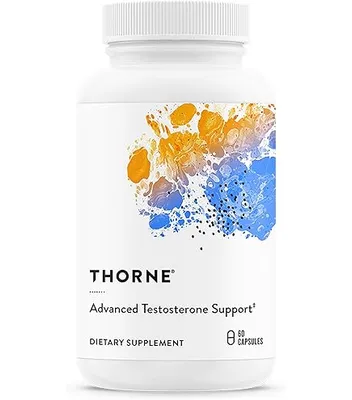
2. Thorne Zinc Picolinate 30mg — Best Zinc
Zinc picolinate is consistently rated among the most bioavailable forms of zinc, meaning more of each dose actually reaches your bloodstream. A 1987 study published in Agents and Actions found zinc picolinate was absorbed significantly better than zinc citrate and zinc gluconate — and this finding has held up in subsequent research.
Thorne’s 30mg dose hits the therapeutic sweet spot: enough to support immune function and correct mild deficiency, but below the 40mg daily upper limit set by the National Institutes of Health. This matters because excessive zinc depletes copper, which paradoxically weakens immunity.
The NSF Certified for Sport designation means this product undergoes more rigorous third-party testing than most supplements on the market. You’re paying slightly more per serving for that verification — roughly $0.27 per day — but the quality assurance is worth it.
Who it’s best for: Anyone prioritizing zinc absorption and product purity, especially those with known or suspected zinc deficiency.
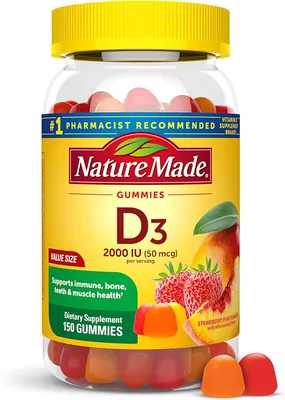
3. Nature Made Vitamin D3 2000 IU — Best for Immune + Bone
Vitamin D3 is the cornerstone of immune support for adults over 60, and Nature Made’s USP-Verified D3 delivers a solid 2,000 IU dose at an exceptional price. This is the dose the Endocrine Society recommends as a starting point for adults at risk of deficiency — which includes most people over 60.
The small softgel format makes this one of the easiest supplements to add to your daily routine. The oil-based softgel also improves absorption compared to dry tablet forms of D3.
The main limitation: this product doesn’t include vitamin K2, which plays an important role in directing calcium to your bones and away from your arteries. If you take vitamin D3 long-term, adding K2 is worth considering — either through diet (natto, hard cheeses, egg yolks) or a separate supplement.
For a deeper look at vitamin D and immune function, see our guide: Does Vitamin D Really Help Your Immune System After 60?
Who it’s best for: Most adults over 60, particularly those who don’t get regular sun exposure or have tested low on vitamin D.
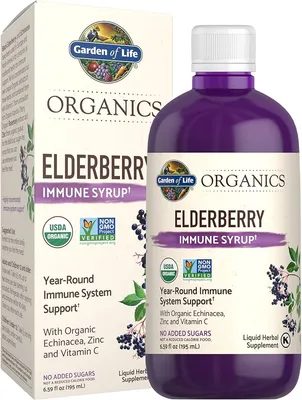
4. Garden of Life mykind Organics Elderberry — Best Herbal
Garden of Life’s elderberry gummies use real-food-based ingredients with USDA Organic and Non-GMO Project certifications — a combination that’s surprisingly rare in the elderberry supplement market. Each serving includes elderberry along with supplemental vitamin C and zinc.
The gummy format makes daily use pleasant, though it comes with trade-offs: 2 grams of added sugar per serving and a lower elderberry extract concentration compared to standardized capsule products like Sambucol.
Clinical evidence for elderberry is most compelling during active illness rather than as daily prevention. A 2019 meta-analysis found elderberry supplementation reduced the duration and severity of upper respiratory infections. If you’re looking for something to take at the first sign of a cold, elderberry has more evidence behind it than most herbal remedies.
One important caution: Elderberry stimulates the immune system, which makes it inappropriate for people with autoimmune conditions or those taking immunosuppressant medications. Consult your doctor before use.
Who it’s best for: Seniors looking for a seasonal herbal supplement to complement their vitamin D and zinc foundation, with no autoimmune conditions.
5. Nordic Naturals Vitamin D3 + K2 — Best Premium Combo
Nordic Naturals pairs vitamin D3 with K2 (as MK-7), which addresses one of the key concerns with long-term vitamin D supplementation: calcium direction. Vitamin D increases calcium absorption, while K2 ensures that calcium gets deposited in bones and teeth rather than accumulating in arteries. For seniors concerned about both immune health and cardiovascular calcification, this combination makes physiological sense.
The limitation is the D3 dose: 1,000 IU is adequate for some adults, but many seniors need 2,000-4,000 IU to reach optimal blood levels (40-60 ng/mL). You may need to take two softgels daily or add a standalone D3 supplement — which somewhat defeats the convenience factor.
Third-party testing by Nordic Naturals is solid, though the product doesn’t carry USP or NSF certification. The price premium over separate D3 and K2 supplements is modest.
Who it’s best for: Those who want the D3 + K2 combination in a single supplement from a reputable brand.
6. Life Extension Enhanced Zinc — Runner-Up Zinc
Life Extension’s zinc formula includes a smart feature that many zinc supplements lack: a small amount of copper (1mg). Long-term zinc supplementation at therapeutic doses (15-30mg daily) can gradually deplete copper, leading to anemia and — ironically — weakened immunity. Including copper prevents this problem.
The zinc citrate form is well-absorbed and gentler on the stomach than some other forms (particularly zinc sulfate, which is notorious for causing nausea). At 15mg per capsule, you may want to take two daily if you’re addressing a deficiency, or one daily for maintenance.
The main limitation compared to Thorne’s zinc picolinate is the form: zinc picolinate has slightly more research supporting superior absorption. However, the practical difference for most people is small, and the added copper and lower price make this a strong alternative.
Who it’s best for: Those planning to take zinc long-term who want built-in copper protection at a lower price point.
How to Build Your Immune Supplement Stack
You don’t need all six products. Here’s a practical framework based on your situation.
The Foundation Stack (Most Seniors)
- Vitamin D3 — 2,000 IU daily (Nature Made D3 2000 IU). Get your blood level tested. If below 30 ng/mL, your doctor may recommend a higher dose temporarily.
- Zinc — 15-30mg daily (Thorne Zinc Picolinate or Life Extension Enhanced Zinc). If using a zinc without copper, keep the dose at 15mg daily or add a copper supplement.
This two-supplement foundation addresses the two most common immune-related deficiencies in adults over 60 and costs roughly $0.60-$0.70 per day.
The Complete Stack (Higher Protection)
Add to the foundation:
- Vitamin C — 500-1,000mg daily (Nature Made Vitamin C 1000mg). Most valuable if your diet is low in fruits and vegetables or during cold and flu season.
- Elderberry — Seasonal use during fall/winter or at the first sign of illness (Garden of Life mykind Organics). Not necessary year-round for most people.
Total daily cost: roughly $0.80-$1.10, depending on product choices.
Important Timing and Interaction Notes
Vitamin D3: Take with a meal containing fat for best absorption. Morning or evening doesn’t matter.
Zinc: Take on an empty stomach for maximum absorption, but with food if it causes nausea. Do not take zinc at the same time as calcium, iron, or antibiotics — space them at least 2 hours apart.
Vitamin C: Can be taken any time. Splitting into two 500mg doses (morning and evening) may maintain higher blood levels than a single 1,000mg dose, since excess vitamin C is excreted within a few hours.
Elderberry: Follow product dosing instructions. During active illness, some studies use higher doses (4 tablespoons or 4 lozenges daily) for 3-5 days. As daily prevention, one serving is typical.
What to Skip: Overhyped Immune Supplements
Mega-dose vitamin C (5,000-10,000mg daily): No evidence that doses above 1,000mg provide additional immune benefits. Excess is excreted in urine. High doses increase kidney stone risk, particularly in men over 60.
Vitamin E mega-doses: The SELECT trial and other large studies found no immune benefit from high-dose vitamin E supplementation — and some found increased health risks.
Unregulated “immune booster” blends: Products with 15-20 ingredients at subtherapeutic doses are marketing exercises, not serious supplements. You’re better off with adequate doses of D3, zinc, and C than a sprinkle of 20 things.
Echinacea: Despite its popularity, a 2014 Cochrane review of 24 trials found that echinacea products have “not been shown to provide benefits for treating colds.” Individual trial results are inconsistent, and product standardization varies widely.
Buying Guide: What to Look For
Third-party testing. USP Verified (United States Pharmacopeia) or NSF Certified are the gold standards. These labels mean an independent lab has verified the product contains what it claims, dissolves properly, and is free of harmful contaminants. This matters more than brand reputation.
Bioavailable forms. Zinc picolinate or zinc citrate over zinc oxide (poorly absorbed). D3 (cholecalciferol) over D2 (ergocalciferol). Ubiquinol over ubiquinone for CoQ10 (if your immune stack includes it).
Appropriate doses. More is not better. Match doses to the ranges supported by clinical research: D3 2,000-4,000 IU, zinc 15-30mg, vitamin C 500-1,000mg. Avoid products that exceed the tolerable upper intake level.
Clean labels. Fewer fillers, no artificial colors or flavors. This is especially important for seniors who take multiple medications — fewer excipients mean fewer potential interaction variables.
Cost per serving, not cost per bottle. A $20 bottle with 120 servings is cheaper than a $12 bottle with 30 servings. Always compare the per-day cost.
The Bottom Line
Immune health after 60 comes down to filling the specific nutritional gaps that aging creates. Vitamin D3 and zinc are the two most impactful supplements for most seniors, followed by vitamin C and elderberry for additional seasonal support.
Skip the mega-dose immune cocktails and “proprietary blend” marketing. The boring, evidence-backed approach — moderate doses of D3, zinc, and C from quality-tested brands — is what the research actually supports.
For more on how your nutrient needs change after 60, see our guide: Essential Vitamins and Minerals for Adults Over 50. And for a closer look at the most critical immune nutrient, read: Does Vitamin D Really Help Your Immune System After 60?
Sources:
- Martineau AR, et al. “Vitamin D supplementation to prevent acute respiratory tract infections.” BMJ. 2017;356:i6583.
- Hemilä H, Chalker E. “Vitamin C for preventing and treating the common cold.” Cochrane Database of Systematic Reviews. 2013;(1):CD000980.
- Wessels I, et al. “Zinc as a gatekeeper of immune function.” Nutrients. 2017;9(12):1286.
- Hawkins J, et al. “Black elderberry (Sambucus nigra) supplementation effectively treats upper respiratory symptoms.” Complementary Therapies in Medicine. 2019;42:361-365.
- National Institutes of Health Office of Dietary Supplements. Fact sheets for Vitamin D, Zinc, and Vitamin C.
- Holick MF, et al. “Evaluation, treatment, and prevention of vitamin D deficiency: an Endocrine Society clinical practice guideline.” Journal of Clinical Endocrinology & Metabolism. 2011;96(7):1911-1930.
- Prasad AS. “Zinc in human health: effect of zinc on immune cells.” Molecular Medicine. 2008;14(5-6):353-357.
All Products We Reviewed
- USP Verified — independently tested for purity and potency
- 1,000mg per tablet — clinically relevant dose
- Very affordable (under $0.10 per day)
- No artificial colors, flavors, or preservatives
- Tablets are large — may be difficult for some to swallow
- Ascorbic acid form may cause stomach upset in sensitive individuals
- Zinc picolinate — one of the best-absorbed zinc forms
- 30mg dose — therapeutic without risking copper depletion
- NSF Certified for Sport — rigorous third-party testing
- Free of soy, gluten, dairy, and artificial additives
- Higher price per serving than basic zinc supplements
- Capsule form only (no chewable or liquid option)
- USP Verified for purity and potency
- 2,000 IU — effective dose for most seniors
- Small softgels — easy to swallow
- Excellent value (under $0.08 per day)
- Does not include vitamin K2 (important for calcium direction)
- May not be enough for severely deficient individuals
- Certified USDA Organic and Non-GMO Project Verified
- Real-food based with whole elderberries
- Includes vitamin C and zinc for additional support
- Chewable gummy format — pleasant taste
- Lower elderberry extract concentration than standardized capsules
- Contains added sugar (2g per serving)
- Premium price for a gummy supplement
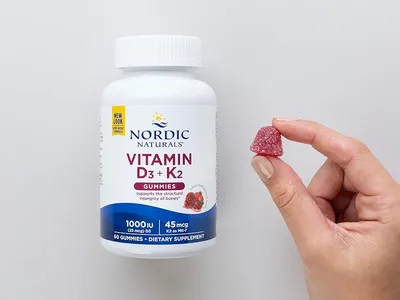
- Combines D3 (1,000 IU) with K2 (45mcg MK-7)
- K2 helps direct calcium to bones rather than arteries
- Third-party tested for purity and potency
- Small, easy-to-swallow softgels
- Only 1,000 IU D3 — many seniors need 2,000-4,000 IU
- Higher cost per IU of vitamin D than standalone products
- Zinc citrate form — well-absorbed and gentle on the stomach
- Includes small amount of copper (1mg) to prevent zinc-induced depletion
- Affordable and widely available
- 15mg zinc per capsule — may need 2 per day for therapeutic dose
- Less clinical research on zinc citrate vs. picolinate
Frequently Asked Questions
What is the best immune booster for seniors?
Vitamin D3 is the most impactful immune supplement for seniors because deficiency is so widespread (over 40% of adults 60+) and its effects on immune function are well-documented. A daily dose of 2,000-4,000 IU of D3 paired with 15-30mg of zinc covers the two most common immune-related nutrient gaps in older adults. Add 500-1,000mg of vitamin C for additional antioxidant support.
Does vitamin C really help your immune system?
Yes, but the effect is modest and most noticeable in people who are already deficient or under physical stress. A 2013 Cochrane review of 29 trials found that regular vitamin C supplementation (200mg+ daily) reduced cold duration by 8% in adults. It did not prevent colds in the general population, but did reduce cold incidence by 50% in people under high physical stress. For seniors, 500-1,000mg daily is a reasonable dose.
Should seniors take zinc supplements?
Many seniors benefit from zinc supplementation because zinc deficiency increases with age — reduced absorption, lower dietary intake, and medications like ACE inhibitors and diuretics all contribute. Clinical trials show zinc supplementation can reduce the incidence and duration of respiratory infections in older adults. A dose of 15-30mg of zinc picolinate or zinc citrate daily is appropriate. Do not exceed 40mg daily without medical supervision, as excess zinc depletes copper.
Are elderberry supplements safe for seniors?
Elderberry supplements are generally safe for most seniors when used as directed. Clinical trials show standardized elderberry extract can reduce cold and flu duration by 2-4 days. However, elderberry may stimulate the immune system, so people with autoimmune conditions (rheumatoid arthritis, lupus, multiple sclerosis) should avoid it unless cleared by their doctor. It may also interact with immunosuppressant medications.
Can you take too many immune supplements?
Yes. Excessive zinc (above 40mg daily) can deplete copper and actually impair immune function. High-dose vitamin C (above 2,000mg daily) can cause digestive issues and kidney stone risk. Mega-dosing vitamin D without monitoring blood levels can cause toxicity. More is not better with immune supplements — moderate, consistent doses matched to your actual needs are more effective than mega-doses.