
Best Vitamin C Supplements for Seniors (2026)
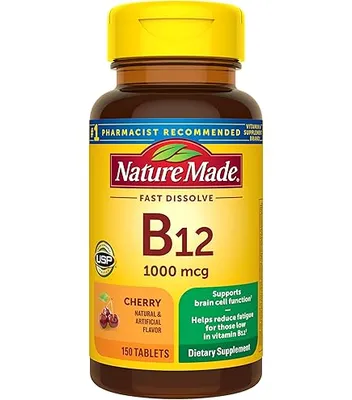
Nature Made Vitamin C 1000mg
Best overall — USP Verified quality at a price that's hard to beat.
- USP Verified — independently tested for purity and potency
- 1,000mg per tablet — clinically supported dose
- Extremely affordable at under $0.10 per day
The best vitamin C supplement for most seniors is Nature Made Vitamin C 1000mg. It carries USP Verified certification — meaning an independent lab has confirmed it contains what the label claims, dissolves properly, and is free from harmful contaminants. At under $0.10 per day, it delivers a clinically effective dose at a price that makes daily supplementation effortless. For those who prefer whole-food-sourced vitamin C or experience stomach sensitivity with standard ascorbic acid, Garden of Life Vitamin Code Raw C is worth the step up in price.
We reviewed a dozen vitamin C supplements, evaluating them on third-party testing, bioavailability, stomach tolerance, ingredient quality, and value for adults over 50.
Why Vitamin C Matters After 50
Vitamin C is essential for immune function, collagen production, and antioxidant defense — three areas that become more important with age. Your immune system weakens naturally after 50 (a process called immunosenescence), collagen production declines contributing to skin aging and slower wound healing, and oxidative stress accumulates over decades.
Research suggests that older adults often have lower blood levels of vitamin C than younger adults, even at the same dietary intake. This may be partly due to increased oxidative stress depleting vitamin C stores faster, as well as changes in dietary patterns.
A 2013 Cochrane review of 29 clinical trials found that regular vitamin C supplementation (200mg or more daily) reduced cold duration by approximately 8% in adults. While vitamin C does not prevent colds in the general population, it may reduce incidence in people under physical stress. For seniors — whose immune systems are already working harder — maintaining adequate vitamin C levels is a straightforward, low-risk strategy.
How We Chose These Products
We evaluated each vitamin C supplement across five criteria relevant to adults over 50:
- Third-party testing — USP, NSF, or independent lab verification of purity and potency
- Dose and form — 500-1,000mg of well-absorbed vitamin C per serving
- Stomach tolerance — How likely the formula is to cause digestive upset
- Additional beneficial ingredients — Bioflavonoids, rose hips, or other compounds that may enhance vitamin C utilization
- Value per serving — Daily cost at the recommended dose
Our Top 3 Picks Compared
1. Nature Made Vitamin C 1000mg — Best Overall
Nature Made is one of the most widely recommended supplement brands by pharmacists, and their vitamin C lives up to that trust. The USP Verified seal means every batch is independently tested for purity, potency, dissolution, and manufacturing quality. You know exactly what you are getting.
The 1,000mg dose per tablet hits the sweet spot supported by clinical research — enough to provide meaningful immune support without approaching the 2,000mg tolerable upper limit. The formula is straightforward ascorbic acid without unnecessary fillers, dyes, or additives.
The main drawback is tablet size. At 1,000mg, the tablet is large, which can be challenging for seniors who have difficulty swallowing pills. If this is a concern, consider splitting the tablet or choosing a chewable or powder form.
Who it’s best for: Anyone who wants verified quality at the lowest price. If you have no stomach sensitivity to ascorbic acid, this is the clear winner. Read our full Nature Made Vitamin C review for detailed analysis.
2. NOW C-1000 with Rose Hips — Best Budget Option
NOW Foods delivers a 1,000mg vitamin C tablet with added rose hips — a natural source of bioflavonoids that may help your body utilize vitamin C more effectively. Rose hips also provide small amounts of additional antioxidants, including polyphenols and carotenoids.
NOW’s GMP-certified manufacturing ensures quality controls during production, though the product does not carry an independent third-party certification like USP or NSF. For most people, NOW’s manufacturing reputation and track record provide sufficient confidence, and the price — often under $0.07 per day — makes it the most affordable option in our lineup.
Who it’s best for: Budget-conscious seniors who want added bioflavonoids and are comfortable without independent third-party certification.
3. Garden of Life Vitamin Code Raw C — Best Whole-Food Option
Garden of Life takes a different approach. Instead of synthetic ascorbic acid, Vitamin Code Raw C provides 500mg of vitamin C derived from organic fruits and vegetables — including oranges, strawberries, cherries, and green peppers. The formula also includes a probiotic and enzyme blend to support digestion.
The whole-food approach means you get vitamin C alongside the bioflavonoids, polyphenols, and cofactors naturally found in fruits. Proponents argue this mirrors how your body encounters vitamin C in food, potentially improving utilization. The trade-off is a significantly higher price per milligram compared to ascorbic acid tablets.
The capsule form is notably easier on sensitive stomachs than pure ascorbic acid, which makes it a strong choice for anyone who experiences digestive discomfort with standard vitamin C supplements.
Who it’s best for: Seniors who prefer whole-food supplements, have sensitive stomachs, or want a gentler vitamin C option and do not mind paying more.
How to Choose the Right Vitamin C Supplement
500-1,000mg daily is the evidence-based sweet spot. Higher doses are not better — your body absorbs vitamin C less efficiently as doses increase, and excess is excreted in urine. At 500mg, absorption is roughly 74%. At 1,000mg, it drops to about 50%. At 1,500mg and above, most of the extra is simply eliminated.
Ascorbic acid is fine for most people. It is the most studied form, the most affordable, and well-absorbed. Only consider buffered (calcium ascorbate) or whole-food forms if you experience stomach problems with standard ascorbic acid.
Splitting doses improves absorption. If you take 1,000mg daily, consider splitting it into two 500mg doses — one in the morning and one in the evening. This maximizes how much your body actually absorbs and uses.
Check for unnecessary additives. Some vitamin C supplements include artificial colors, sweeteners, or excessive filler ingredients. A quality vitamin C supplement needs very few inactive ingredients.
Pair with zinc for immune support. Vitamin C and zinc work through complementary pathways to support immune function. If you are taking vitamin C primarily for immune health, adding a zinc supplement (15-30mg daily) covers both of the most common immune-related nutrient gaps in older adults. See our best immune supplements roundup for a complete immune support strategy.
Vitamin C from Food vs. Supplements
A diet rich in fruits and vegetables remains the best source of vitamin C. One medium orange provides about 70mg, a cup of strawberries about 85mg, and a cup of raw red bell pepper about 190mg. If you eat several servings of fruits and vegetables daily, you may already be meeting your needs.
Supplements fill the gap when dietary intake falls short — which is common in older adults who eat fewer calories overall, have reduced appetite, or follow restricted diets. A supplement is insurance, not a replacement for good nutrition.
For more on building a complete immune support strategy, see our guide on vitamins for immunity over 60.
The Bottom Line
Vitamin C supplementation is one of the simplest, safest, and most affordable steps a senior can take to support immune function and antioxidant defense. The evidence does not support mega-dosing, but 500-1,000mg daily is well-supported and well-tolerated by most people.
Nature Made Vitamin C 1000mg is our top recommendation for its USP Verified quality and unbeatable price. NOW C-1000 saves even more money while adding rose hips. Garden of Life Vitamin Code Raw C is the best choice for whole-food purists or sensitive stomachs.
Pick one, take it daily, and focus on the other fundamentals: adequate sleep, regular movement, and a diet rich in fruits and vegetables. Vitamin C supports your immune system — it does not replace a healthy lifestyle.
All Products We Reviewed
- USP Verified — independently tested for purity and potency
- 1,000mg per tablet — clinically supported dose
- Extremely affordable at under $0.10 per day
- No artificial colors, flavors, or preservatives
- Tablets are large — may be difficult for some to swallow
- Ascorbic acid form may cause stomach upset in sensitive individuals

- Includes rose hips for naturally occurring bioflavonoids
- 1,000mg ascorbic acid per tablet
- GMP-certified manufacturing facility
- Very affordable — often under $0.07 per day
- Not USP or NSF verified (in-house testing only)
- Large tablet size similar to Nature Made

- Whole-food vitamin C from organic fruits and vegetables
- Includes probiotics and enzymes for digestive support
- Non-GMO Project Verified and Certified Vegan
- Gentler on the stomach than standard ascorbic acid
- Significantly more expensive per serving than ascorbic acid options
- Two capsules per serving
Frequently Asked Questions
How much vitamin C should a senior take daily?
The recommended daily allowance for adults is 75-90mg, but most research supporting immune benefits in older adults uses 500-1,000mg daily. A 2013 Cochrane review found that 200mg or more daily reduced cold duration by about 8% in adults. For seniors, 500-1,000mg daily is a well-supported dose that stays well below the tolerable upper intake level of 2,000mg per day.
Is vitamin C good for your immune system after 60?
Yes. Vitamin C supports immune function in several ways: it stimulates the production and function of white blood cells, acts as an antioxidant protecting immune cells from damage, and strengthens the skin's barrier function against pathogens. Older adults often have lower vitamin C levels due to reduced dietary intake and increased oxidative stress, making supplementation more relevant with age.
What is the best form of vitamin C to take?
Ascorbic acid is the most studied and most affordable form. It is well-absorbed at doses up to 500mg at a time. Buffered forms like calcium ascorbate or sodium ascorbate are gentler on the stomach for people who experience digestive upset with regular ascorbic acid. Whole-food vitamin C (from acerola, camu camu, or citrus extracts) provides vitamin C alongside naturally occurring bioflavonoids, though it tends to be more expensive per milligram.
Can you take too much vitamin C?
The tolerable upper intake level is 2,000mg per day for adults. Exceeding this amount regularly can cause digestive upset, diarrhea, and may increase the risk of kidney stones in susceptible individuals. At standard supplemental doses of 500-1,000mg daily, side effects are uncommon. Your body excretes excess vitamin C through urine, so taking mega-doses does not provide additional benefit — it simply gets eliminated.
Should I take vitamin C with food or on an empty stomach?
Vitamin C absorbs well with or without food. However, if you take ascorbic acid and experience stomach discomfort, taking it with a meal can reduce irritation. Buffered forms like calcium ascorbate can be taken on an empty stomach without issue for most people. Splitting a 1,000mg dose into two 500mg doses taken at different times may slightly improve total absorption compared to taking it all at once.