
Best Vitamin D Supplements for Seniors (2026)
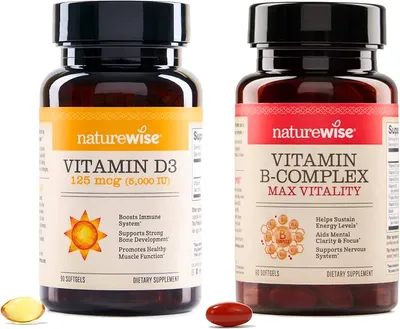
NatureWise Vitamin D3 5000 IU
Best overall — the most effective dose at the best price, ideal for seniors correcting deficiency.
- 5,000 IU per softgel — effective dose for correcting deficiency
- Organic cold-pressed olive oil base for superior absorption
- Non-GMO, gluten-free, no artificial additives
The best vitamin D supplement for most seniors is NatureWise Vitamin D3 5000 IU. It delivers a clinically effective dose for correcting deficiency in an organic olive oil base that maximizes absorption — all for roughly five cents a day. If you want the added benefit of vitamin K2 alongside your D3, Thorne D3/K2 Liquid offers NSF-certified quality with adjustable drop-by-drop dosing.
We spent four weeks evaluating five vitamin D supplements on dose effectiveness, absorption format, K2 inclusion, third-party testing, and real-world value for adults over 50.
Why Vitamin D Becomes Essential After 50
Vitamin D deficiency is one of the most widespread nutritional gaps among older adults — and one of the most consequential. An estimated 42% of U.S. adults are vitamin D deficient, and that number rises sharply after age 50. A 2011 study in Nutrition Research found that over 70% of adults aged 60 and older had insufficient vitamin D levels.
Three factors drive this age-related decline. First, aging skin produces roughly 75% less vitamin D from sunlight than young skin given the same UV exposure. Second, older adults tend to spend less time outdoors. Third, the kidneys become less efficient at converting vitamin D to its active form with age.
The consequences of deficiency are far-reaching. Low vitamin D is associated with accelerated bone loss, increased fall risk, weakened immune function, higher rates of respiratory infection, and cognitive decline. A landmark 2017 meta-analysis in PLOS ONE examining over 11,000 participants found that daily vitamin D supplementation reduced the risk of acute respiratory infections by 12% overall — and by 70% in individuals who were severely deficient at baseline.
Getting your vitamin D level tested is the single most important step you can take. The 25-hydroxyvitamin D blood test costs as little as $30-50, and it tells you exactly where you stand. Optimal levels are generally considered 40-60 ng/mL, though definitions vary slightly by medical organization.
D3 vs. D2: This Distinction Matters
Not all vitamin D supplements are equal. Vitamin D comes in two forms:
Vitamin D3 (cholecalciferol) is the form your skin naturally produces from UVB sunlight exposure. It’s also found in fatty fish, egg yolks, and fortified dairy. D3 is more effective at raising and sustaining blood levels of vitamin D.
Vitamin D2 (ergocalciferol) is derived from fungal and plant sources. It was the original prescription form of vitamin D and is still used in some clinical settings.
A 2012 meta-analysis published in the American Journal of Clinical Nutrition found that vitamin D3 was approximately 87% more effective than vitamin D2 at raising serum 25-hydroxyvitamin D levels. D3 also maintained elevated levels for longer after supplementation stopped. Every product on our list uses D3 — we do not recommend D2 supplements for routine use.
Why K2 Deserves a Place Alongside D3
Vitamin D3 dramatically improves calcium absorption from your gut — that’s one of its primary functions and a major reason it supports bone health. But D3 does not control where that absorbed calcium ends up.
This is where vitamin K2 enters the picture. K2 activates two critical proteins:
- Osteocalcin — which binds calcium into bone tissue
- Matrix GLA protein — which prevents calcium from depositing in arterial walls and soft tissues
Without sufficient K2, the extra calcium you absorb from D3 supplementation may contribute to arterial calcification rather than bone strengthening. A 2015 study in Thrombosis and Haemostasis found that K2 supplementation significantly reduced arterial stiffness in healthy postmenopausal women.
The MK-7 form of K2 (derived from fermented foods like natto) is preferred because it remains biologically active for 72+ hours, versus just 4-6 hours for MK-4. Research doses typically range from 100-200mcg of MK-7 daily.
Three of our five picks include K2. If you choose a D3-only supplement, consider adding a separate K2 supplement, especially if you also take calcium.
Best Overall: NatureWise Vitamin D3 5000 IU
NatureWise delivers what most deficient seniors need: a robust 5,000 IU dose of vitamin D3 in a format optimized for absorption. The organic cold-pressed olive oil base serves as both a carrier and absorption enhancer — vitamin D is fat-soluble, and the oil ensures you’re getting dietary fat alongside every dose.
At 5,000 IU, this dose is appropriate for seniors who have tested deficient (below 30 ng/mL) or insufficient (30-40 ng/mL) and want to reach optimal levels relatively quickly. A 2015 study in The Journal of Clinical Endocrinology & Metabolism found that 5,000 IU daily raised serum levels from the low 20s to the 50-60 ng/mL range within 8-12 weeks in deficient older adults.
The formula is clean: no synthetic colors, flavors, preservatives, wheat, gluten, or soy. NatureWise is one of the best-selling vitamin D brands on Amazon with over 100,000 reviews, reflecting broad consumer trust.
The main limitation is inflexibility. Each softgel is 5,000 IU — you can’t easily take half if your doctor recommends 2,000-3,000 IU. If you need a lower dose, Nature Made’s 2,000 IU option or Thorne’s adjustable drops are better choices.
Also, there’s no K2 included. If you take this product long-term, pairing it with a separate K2 supplement (100-200mcg MK-7) is a smart addition.
Who it’s best for: Seniors who have tested deficient or insufficient and want an effective correction dose at an unbeatable price. Get your blood level tested after 8-12 weeks to confirm you’re in the optimal range.
Best D3+K2 Combo: Thorne D3/K2 Liquid
Thorne’s liquid D3/K2 is the most versatile product on this list. Each drop delivers 500 IU of vitamin D3 plus 100mcg of vitamin K2 (MK-7), allowing you to dial in your exact dose from 500 IU to 5,000 IU or anywhere in between.
This precision matters because vitamin D needs are highly individual. A woman with blood levels at 35 ng/mL needs a very different dose than one at 18 ng/mL. With Thorne’s drops, you can start at 4-5 drops (2,000-2,500 IU) during maintenance and increase to 8-10 drops (4,000-5,000 IU) during winter months when sunlight exposure drops — or as directed by your doctor.
The NSF Certified for Sport designation provides third-party verification that every batch contains what the label claims and is free of contaminants. Thorne is one of the most frequently recommended supplement brands by integrative medicine physicians, and their quality controls are among the industry’s strictest.
The liquid format also bypasses the need for capsule digestion, which can be an advantage for seniors with digestive issues or difficulty swallowing pills. A mild, nearly tasteless liquid that mixes easily into food or drinks.
The trade-off is cost. At roughly $0.25-0.50 per day (depending on dose), Thorne is 5-10 times more expensive per IU than NatureWise. You’re paying for the K2 inclusion, NSF certification, and dose flexibility.
Who it’s best for: Seniors who want D3+K2 in a single product with the flexibility to adjust their dose precisely. Especially valuable for those working with a physician to optimize blood levels.
Best Capsule Combo: Nordic Naturals Vitamin D3+K2
Nordic Naturals is best known for their fish oil supplements, but their D3+K2 capsule is a solid offering for seniors who want a moderate maintenance dose in a familiar capsule format.
Each softgel delivers 1,000 IU of vitamin D3 plus 45mcg of vitamin K2 (MK-7) in an olive oil base. The 1,000 IU dose aligns with the general daily recommendation from most medical organizations and is appropriate for seniors who already have adequate blood levels (40+ ng/mL) and simply want to maintain them.
Nordic Naturals conducts third-party testing for purity and publishes Certificates of Analysis. While they don’t carry NSF or USP certification, their quality reputation in the omega-3 space carries over to their vitamin D products.
The limitation is dose adequacy. At 1,000 IU, this product may not be enough for seniors who are deficient — correcting deficiency typically requires 2,000-5,000 IU daily. You could take two softgels for 2,000 IU, but this doubles the cost and still provides less D3 than NatureWise at a higher price. Similarly, the 45mcg K2 dose falls below the 100-200mcg range used in most bone health studies, though it still provides meaningful K2 activity.
Who it’s best for: Seniors with adequate vitamin D levels who want a simple, one-capsule daily maintenance dose from a trusted brand. Not ideal for correcting existing deficiency.
Best Budget: Nature Made Vitamin D3 2000 IU
Nature Made is the number one pharmacist-recommended vitamin D brand in the United States, and their 2,000 IU D3 softgel carries the distinction few supplements earn: USP Verified.
USP (United States Pharmacopeia) verification means an independent laboratory has confirmed that the product contains exactly what the label states, dissolves properly for absorption, was manufactured under strict Good Manufacturing Practices, and is free of harmful contaminants. Fewer than 1% of supplements on the market carry this designation.
At 2,000 IU, the dose matches the general recommendation from the Endocrine Society for healthy adults over 50. It’s sufficient for maintenance and mild insufficiency correction, though severely deficient individuals may need more.
The soybean oil base is functional but less preferred than the olive oil or coconut oil (MCT) bases used by competitors. If you have a soy allergy, this product is not appropriate. Otherwise, soybean oil is a perfectly adequate carrier for fat-soluble vitamin D.
At roughly $0.04 per day, this is the most affordable vitamin D supplement on our list. You could take two softgels daily (4,000 IU) and still spend less than $0.10 per day — making it cost-competitive even at higher doses.
No K2 is included. Pair with a separate K2 supplement if desired.
Who it’s best for: Budget-conscious seniors who want pharmacy-grade quality assurance (USP Verified) at the lowest possible cost. A reliable daily driver.
Best Value High-Dose Combo: Sports Research Vitamin D3+K2
Sports Research packs 5,000 IU of vitamin D3 plus 100mcg of vitamin K2 (MK-7) into a single softgel with a coconut oil (MCT) base — and prices it at just $18 for a 60-day supply.
The coconut MCT oil base is worth noting. Medium-chain triglycerides are more rapidly absorbed than long-chain fats, potentially enhancing vitamin D uptake. While head-to-head studies comparing MCT vs. olive oil as vitamin D carriers are limited, MCT oil is a well-regarded fat-soluble nutrient delivery vehicle.
At 5,000 IU D3 plus 100mcg K2 for roughly $0.30 per day, Sports Research offers the best value for seniors who want a high-dose D3+K2 combination. The product is Non-GMO Project Verified and free of gluten, soy, and artificial additives.
The main drawback is the lack of major third-party certification. Sports Research tests their products through independent labs, but they don’t carry NSF or USP verification. For some consumers, the Thorne NSF certification is worth the extra cost for that additional layer of assurance.
Like NatureWise, the 5,000 IU dose is not easily adjustable. If your doctor recommends 2,000 IU, this isn’t the right product.
Who it’s best for: Seniors who want a potent D3+K2 combo at a strong value and are comfortable without NSF/USP certification.
How to Choose the Right Vitamin D Supplement
The right vitamin D supplement depends on your current blood level, health goals, and budget. Here’s a framework:
Get tested first. A 25-hydroxyvitamin D blood test is the foundation of any supplementation strategy. Without it, you’re guessing. Ask your doctor to include it in your next blood panel, or order one through a direct-to-consumer lab for $30-50. Levels below 20 ng/mL are deficient; 20-30 ng/mL is insufficient; 40-60 ng/mL is optimal for most adults.
Match your dose to your level. If your blood level is below 30 ng/mL, a 4,000-5,000 IU daily dose (NatureWise, Sports Research) is generally appropriate for 8-12 weeks, then retest. If you’re in the 30-40 ng/mL range, 2,000-3,000 IU daily (Nature Made, Nordic Naturals) may suffice. If you’re above 40 ng/mL, a maintenance dose of 1,000-2,000 IU keeps you there.
Consider adding K2. If you take calcium supplements, have cardiovascular risk factors, or take D3 at 2,000+ IU daily, adding K2 (100-200mcg MK-7) is a reasonable precaution. Choose a D3+K2 combo (Thorne, Nordic Naturals, Sports Research) or add a standalone K2 supplement.
Take it with fat. Vitamin D absorbs dramatically better with dietary fat. Take your supplement with your largest meal. If you take it on an empty stomach, you may absorb less than half the dose.
Retest every 6-12 months. Blood levels can shift with seasons (lower in winter), lifestyle changes, and medication adjustments. Periodic testing ensures your dose remains appropriate. Consult your doctor before making significant dose changes.
Medication interactions. Vitamin D may interact with certain medications, including steroids, weight-loss drugs (orlistat), cholesterol-lowering drugs (cholestyramine), and seizure medications. If you take any prescription medications, discuss vitamin D supplementation with your pharmacist or physician.
Frequently Asked Questions
How much vitamin D should a senior take daily?
The Endocrine Society recommends 1,500-2,000 IU of vitamin D3 daily for adults over 50 to maintain adequate blood levels. However, many seniors who are deficient may need 4,000-5,000 IU daily to reach optimal levels of 40-60 ng/mL. The best approach is to get your 25-hydroxyvitamin D blood level tested and work with your doctor to determine the right dose for you. The tolerable upper intake level is 4,000 IU daily per the NIH, though many physicians prescribe higher doses under monitoring.
What is the difference between vitamin D2 and D3?
Vitamin D3 (cholecalciferol) is the form your skin naturally produces from sunlight and is found in animal-based foods like fatty fish and egg yolks. Vitamin D2 (ergocalciferol) comes from plant sources and fungi. Research consistently shows D3 raises blood levels more effectively and maintains them longer — a 2012 meta-analysis in the American Journal of Clinical Nutrition found D3 was approximately 87% more effective than D2 at raising serum vitamin D levels. Always choose D3 for supplementation.
Why should you take vitamin D with K2?
Vitamin D3 increases calcium absorption from your gut, but it does not control where that calcium goes. Vitamin K2 activates proteins that direct calcium into bones and teeth while keeping it out of arteries and soft tissues. Without adequate K2, increased calcium absorption from D3 supplementation could theoretically contribute to arterial calcification. A D3+K2 combination is especially important for seniors who take higher D3 doses or calcium supplements.
Can you take too much vitamin D?
Yes, though toxicity is rare at normal supplemental doses. Vitamin D toxicity typically occurs at blood levels above 150 ng/mL, usually from taking 10,000+ IU daily for extended periods without monitoring. Symptoms include nausea, excessive thirst, kidney stones, and dangerously elevated calcium levels. At standard doses of 1,000-5,000 IU daily, toxicity is extremely unlikely. Regular blood testing every 6-12 months is the safest approach for anyone taking more than 2,000 IU daily.
Should you take vitamin D in the morning or at night?
Take vitamin D with your largest meal, regardless of time of day. Vitamin D is fat-soluble and absorbs significantly better when consumed with dietary fat. A 2010 study in the Journal of Bone and Mineral Research found that taking vitamin D with the largest meal of the day increased blood levels by approximately 50% compared to taking it on an empty stomach. Some people report that taking vitamin D at night disrupts sleep, though evidence for this is limited — if you notice this effect, switch to morning or midday dosing.
The Bottom Line
Vitamin D deficiency is one of the most common and most correctable nutritional problems facing adults over 50. The right supplement — matched to your actual blood level — can make a measurable difference in bone health, immune function, and overall wellbeing.
NatureWise Vitamin D3 5000 IU is our top pick for seniors who need to correct deficiency quickly and affordably. For long-term bone and cardiovascular support, Thorne D3/K2 Liquid gives you the flexibility to fine-tune your dose with the added benefit of K2.
Start with a blood test, choose the dose that matches your level, take it with a meal containing fat, and retest in 3 months. Consult your doctor about the right vitamin D strategy for your specific health situation — especially if you take medications or have kidney disease, sarcoidosis, or other conditions that affect vitamin D metabolism.
For related reading, see Signs of Vitamin D Deficiency After 50 and Calcium and Vitamin D for Bone Health After 50.
All Products We Reviewed
- 5,000 IU per softgel — effective dose for correcting deficiency
- Organic cold-pressed olive oil base for superior absorption
- Non-GMO, gluten-free, no artificial additives
- Exceptional value at roughly $0.05 per day
- No vitamin K2 included
- 5,000 IU may be more than some seniors need — not easily split
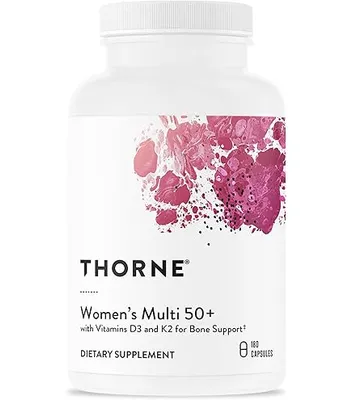
- Adjustable dosing — each drop delivers 500 IU D3 + 100mcg K2
- NSF Certified for Sport — independent purity testing
- Liquid form absorbs without requiring capsule digestion
- Ideal for those who have difficulty swallowing pills
- More expensive per IU than softgel options
- Requires counting drops (minor inconvenience)
- Must be stored upright to prevent leaking
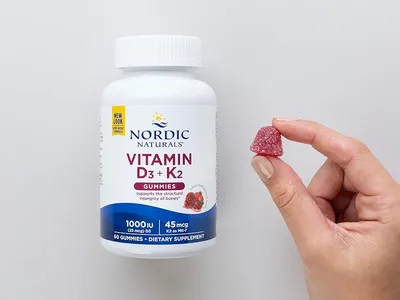
- 1,000 IU D3 + 45mcg K2 (MK-7) per softgel
- Moderate D3 dose suitable for maintenance
- Olive oil base for enhanced fat-soluble absorption
- Third-party tested for purity and potency
- Lower D3 dose may not correct existing deficiency
- K2 dose (45mcg) is below the 100-200mcg range used in bone studies
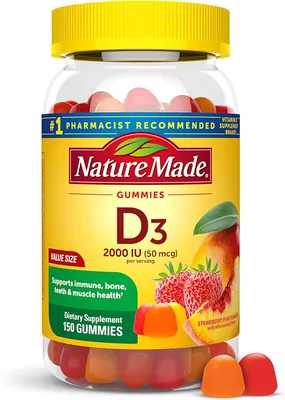
- USP Verified — gold standard for supplement testing
- 2,000 IU per softgel — matches most expert recommendations
- Number one pharmacist-recommended vitamin D brand
- Under $0.05 per day — the most affordable option
- No vitamin K2 included
- Soybean oil base (some prefer olive oil)
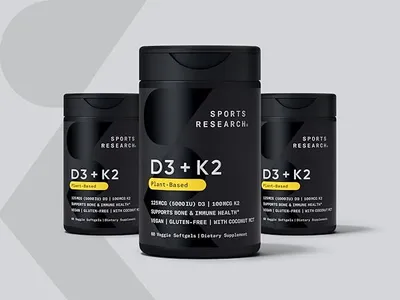
- 5,000 IU D3 + 100mcg K2 (MK-7) per softgel
- Coconut oil base (MCT) for excellent absorption
- Non-GMO Project Verified
- Strong value for a high-dose D3+K2 combo
- 5,000 IU dose not appropriate for all seniors
- No independent certification (NSF/USP)
Frequently Asked Questions
How much vitamin D should a senior take daily?
The Endocrine Society recommends 1,500-2,000 IU of vitamin D3 daily for adults over 50 to maintain adequate blood levels. However, many seniors who are deficient may need 4,000-5,000 IU daily to reach optimal levels of 40-60 ng/mL. The best approach is to get your 25-hydroxyvitamin D blood level tested and work with your doctor to determine the right dose for you. The tolerable upper intake level is 4,000 IU daily per the NIH, though many physicians prescribe higher doses under monitoring.
What is the difference between vitamin D2 and D3?
Vitamin D3 (cholecalciferol) is the form your skin naturally produces from sunlight and is found in animal-based foods like fatty fish and egg yolks. Vitamin D2 (ergocalciferol) comes from plant sources and fungi. Research consistently shows D3 raises blood levels more effectively and maintains them longer — a 2012 meta-analysis in the American Journal of Clinical Nutrition found D3 was approximately 87% more effective than D2 at raising serum vitamin D levels. Always choose D3 for supplementation.
Why should you take vitamin D with K2?
Vitamin D3 increases calcium absorption from your gut, but it does not control where that calcium goes. Vitamin K2 activates proteins that direct calcium into bones and teeth while keeping it out of arteries and soft tissues. Without adequate K2, increased calcium absorption from D3 supplementation could theoretically contribute to arterial calcification. A D3+K2 combination is especially important for seniors who take higher D3 doses or calcium supplements.
Can you take too much vitamin D?
Yes, though toxicity is rare at normal supplemental doses. Vitamin D toxicity typically occurs at blood levels above 150 ng/mL, usually from taking 10,000+ IU daily for extended periods without monitoring. Symptoms include nausea, excessive thirst, kidney stones, and dangerously elevated calcium levels. At standard doses of 1,000-5,000 IU daily, toxicity is extremely unlikely. Regular blood testing every 6-12 months is the safest approach for anyone taking more than 2,000 IU daily.
Should you take vitamin D in the morning or at night?
Take vitamin D with your largest meal, regardless of time of day. Vitamin D is fat-soluble and absorbs significantly better when consumed with dietary fat. A 2010 study in the Journal of Bone and Mineral Research found that taking vitamin D with the largest meal of the day increased blood levels by approximately 50% compared to taking it on an empty stomach. Some people report that taking vitamin D at night disrupts sleep, though evidence for this is limited — if you notice this effect, switch to morning or midday dosing.