
Best Zinc Supplements for Seniors (2026)
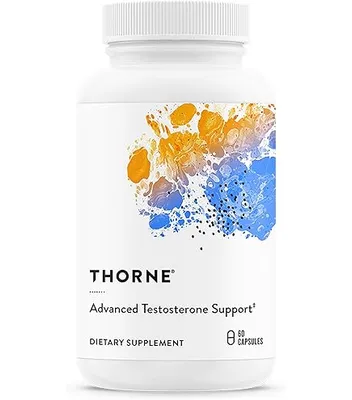
Thorne Zinc Picolinate 30mg
Best overall — premium absorption and third-party verified quality.
- Zinc picolinate — one of the best-absorbed zinc forms
- 30mg dose — therapeutic without risking copper depletion at this level
- NSF Certified for Sport — rigorous third-party testing
The best zinc supplement for most seniors is Thorne Zinc Picolinate 30mg. Zinc picolinate is one of the most bioavailable zinc forms available, the 30mg dose provides meaningful immune support without exceeding safe levels, and Thorne’s NSF Certified for Sport verification means every batch is independently tested for purity and potency. For long-term daily use, Life Extension Enhanced Zinc is worth considering because it includes copper — preventing the mineral imbalance that supplemental zinc can cause over time.
We evaluated ten zinc supplements, focusing on absorption form, dosage appropriateness, third-party testing, and the specific needs of adults over 50 who may be zinc-deficient without realizing it.
Why Zinc Matters for Immune Health After 50
Zinc is involved in virtually every aspect of immune function. It supports the development and activity of T-cells (the immune cells that identify and destroy infected cells), helps regulate inflammation, and acts as an antioxidant protecting immune cells from damage.
The problem is that zinc deficiency becomes increasingly common with age. An estimated 35-45% of adults over 60 have inadequate zinc intake, according to data from the National Health and Nutrition Examination Survey. Several factors drive this trend:
- Reduced dietary intake — Many seniors eat less red meat and shellfish, the richest dietary sources of zinc
- Decreased absorption — The gut absorbs zinc less efficiently with age
- Medication interference — Common medications including ACE inhibitors, diuretics, and proton pump inhibitors (PPIs) can deplete zinc
- Chronic conditions — Diabetes, kidney disease, and gastrointestinal disorders all affect zinc status
The consequences of zinc deficiency extend beyond catching more colds. Low zinc is associated with impaired wound healing, reduced taste and smell, increased susceptibility to pneumonia, and slower recovery from illness. For seniors, maintaining adequate zinc levels is a high-impact, low-cost intervention.
How We Chose These Products
We evaluated each zinc supplement across five criteria that matter most for adults over 50:
- Form and absorption — Zinc picolinate, glycinate, and citrate absorb well. We avoided zinc oxide, which has poor bioavailability
- Dosage — 15-30mg of elemental zinc per serving, staying below the 40mg tolerable upper limit
- Copper inclusion — Long-term zinc supplementation can deplete copper, so we noted which products address this
- Third-party testing — Independent verification of purity and potency
- Value per serving — Daily cost at the recommended dose
Our Top 3 Picks Compared
1. Thorne Zinc Picolinate 30mg — Best Overall
Thorne’s zinc supplement uses zinc picolinate, a form created by binding zinc to picolinic acid — a natural compound your body produces to help absorb minerals from food. A study published in the journal Agents and Actions found that zinc picolinate was better absorbed than zinc citrate and zinc gluconate, making it one of the most bioavailable forms on the market.
The 30mg dose provides therapeutic benefit for seniors dealing with deficiency or wanting immune support, while staying safely below the 40mg daily upper limit. This leaves room for the 5-10mg of zinc most people get from food.
Thorne’s NSF Certified for Sport designation is the gold standard for third-party testing. Each batch is verified for purity, potency, label accuracy, and the absence of contaminants including heavy metals and over 270 banned substances.
The one consideration: Thorne’s zinc does not include copper. If you plan to take it daily for months or years, pair it with a separate copper supplement (1-2mg daily) or ensure your multivitamin covers copper. This is not a concern for short-term use.
Who it’s best for: Anyone who wants the highest-quality zinc supplement with the best absorption and independent verification. Read our full Thorne Zinc review for complete ingredient analysis.
2. Life Extension Enhanced Zinc — Best for Long-Term Use
Life Extension takes a practical approach by including 1mg of copper alongside their zinc — directly addressing the copper depletion issue that affects long-term zinc users. This makes it the safest choice for daily supplementation over months and years without needing to track copper intake separately.
The zinc form is zinc citrate, which absorbs well and is gentle on the stomach. While absorption data for zinc citrate is slightly less impressive than picolinate, the difference is modest in practice. The included copper more than compensates for this trade-off for anyone planning ongoing use.
At under $0.15 per day, the price is very reasonable for a supplement that solves two mineral needs at once.
Who it’s best for: Seniors who want a simple daily zinc supplement they can take long-term without worrying about copper balance. See our full Life Extension Zinc review for more details.
3. NOW Zinc Glycinate 30mg — Best Budget Option
NOW Foods offers zinc glycinate — zinc chelated with the amino acid glycine — at the lowest price in our lineup. Chelated minerals are generally well-absorbed because the amino acid carrier helps transport the mineral across the intestinal wall. Zinc glycinate is also one of the gentlest forms on the stomach, which matters for seniors who experience nausea with other zinc forms.
NOW’s GMP-certified manufacturing provides quality assurance, though the product does not carry independent third-party certification like NSF or USP. For most budget-conscious shoppers, NOW’s long track record and manufacturing standards offer sufficient confidence.
Like Thorne, this product does not include copper. If you choose NOW for long-term use, add a copper supplement or ensure you are getting 1-2mg of copper elsewhere in your diet or supplement routine.
Who it’s best for: Budget-conscious seniors who want a well-absorbed, stomach-friendly zinc form at the lowest price.
How to Choose the Right Zinc Supplement
Choose the right form. Zinc picolinate, glycinate, and citrate all absorb well. Zinc acetate also has good data, particularly for cold symptom reduction. Avoid zinc oxide — it is the cheapest form but has the poorest absorption.
Stick to 15-30mg daily. This range provides therapeutic benefit without approaching the 40mg upper limit. Remember that you also get zinc from food — red meat, poultry, shellfish, beans, nuts, and fortified cereals all contribute. Your total intake from food and supplements should stay under 40mg.
Plan for copper if using long-term. If you take zinc daily for more than a few months, you need to account for copper. Either choose a product that includes copper (like Life Extension), take a separate 1-2mg copper supplement, or confirm your multivitamin provides adequate copper.
Take zinc with food. The most common side effect of zinc supplements is nausea, which is almost always solved by taking them with a meal. Avoid taking zinc alongside high-fiber meals, dairy, or iron supplements, as these reduce absorption.
Separate zinc from calcium and iron. Zinc, calcium, and iron compete for absorption. If you take calcium or iron supplements, space them at least 2 hours apart from zinc. A simple approach: zinc with lunch, calcium with dinner.
Signs You Might Be Zinc Deficient
Zinc deficiency is underdiagnosed in older adults because the symptoms overlap with common aging complaints:
- Frequent colds or infections that take longer to resolve
- Reduced sense of taste or smell
- Slow wound healing
- Dry skin or unexplained rashes
- Poor appetite
- Difficulty concentrating
If you experience several of these symptoms, ask your doctor to check your zinc levels. A simple blood test can identify deficiency, though serum zinc does not always reflect tissue-level stores accurately.
For a broader immune support strategy that includes zinc alongside vitamin C and vitamin D, see our best immune supplements for seniors roundup. For more on how vitamin D supports immune function after 60, check our guide on vitamin D and the immune system.
The Bottom Line
Zinc is one of the most impactful and affordable supplements a senior can take for immune health. Deficiency is common after 60 — driven by reduced dietary intake, decreased absorption, and medication interactions — and correcting it can meaningfully improve immune resilience.
Thorne Zinc Picolinate 30mg is our top recommendation for quality and absorption. Life Extension Enhanced Zinc is the best choice for long-term use because it includes copper. NOW Zinc Glycinate offers excellent value for budget-conscious shoppers.
Pick the one that fits your priorities, take it daily with food, and pair it with adequate vitamin C and vitamin D for a complete immune support foundation. And as always, discuss any new supplement with your healthcare provider, especially if you take prescription medications.
All Products We Reviewed
- Zinc picolinate — one of the best-absorbed zinc forms
- 30mg dose — therapeutic without risking copper depletion at this level
- NSF Certified for Sport — rigorous third-party testing
- Free of gluten, soy, dairy, and artificial additives
- Does not include copper (consider adding separately for long-term use)
- Higher price per serving than basic zinc supplements
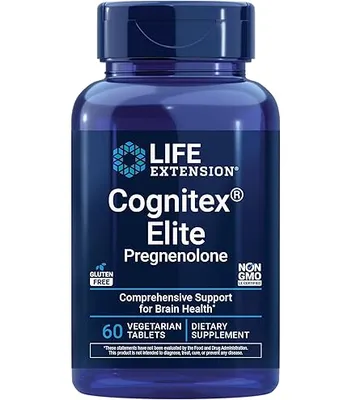
- Includes 1mg copper to prevent zinc-induced copper depletion
- Uses zinc citrate — well-absorbed and gentle on the stomach
- Affordable at under $0.15 per day
- Good for long-term daily supplementation
- Zinc citrate absorbs slightly less efficiently than zinc picolinate
- Not NSF or USP certified (Life Extension conducts internal testing)

- Zinc glycinate — chelated form with excellent absorption and stomach tolerance
- 30mg elemental zinc per softgel
- GMP-certified manufacturing
- Lowest price in our lineup
- No copper included
- Not independently third-party certified (in-house testing only)
Frequently Asked Questions
How much zinc should a senior take daily?
The recommended daily allowance for zinc is 11mg for men and 8mg for women over 50. However, many seniors benefit from supplemental doses of 15-30mg daily, particularly if they have reduced dietary intake or take medications that deplete zinc (such as ACE inhibitors, diuretics, or proton pump inhibitors). Do not exceed 40mg of total zinc daily without medical supervision, as excess zinc depletes copper and can actually impair immune function.
What is the best form of zinc to take?
Zinc picolinate and zinc glycinate (also called zinc bisglycinate) are among the best-absorbed forms. Zinc picolinate has strong absorption data from a 1987 study showing it was better absorbed than zinc citrate and zinc gluconate. Zinc glycinate is chelated with the amino acid glycine, which also absorbs well and tends to be gentler on the stomach. Zinc oxide — the cheapest form — has the poorest absorption and is best avoided.
Can zinc supplements cause copper deficiency?
Yes. Zinc and copper compete for absorption in the intestine. Taking more than 40mg of zinc daily for extended periods can deplete copper levels, leading to anemia, neurological problems, and impaired immune function — the opposite of what you are trying to achieve. If you take zinc long-term, choose a supplement that includes 1-2mg of copper, or ensure your diet or multivitamin provides adequate copper.
Should I take zinc with food or on an empty stomach?
Take zinc with food to reduce the risk of stomach upset, which is the most common side effect. However, avoid taking zinc with high-fiber meals, calcium-rich foods, or iron supplements, as these can reduce zinc absorption. A meal with moderate protein is ideal — the amino acids from protein actually help zinc absorption. Taking zinc at a different time than your calcium or iron supplement is a simple way to maximize absorption of both.
Can zinc help prevent colds in seniors?
Research suggests zinc supplementation may reduce the frequency and duration of colds in older adults. A 2012 Cochrane review found that zinc supplementation reduced cold duration by approximately one day when taken within 24 hours of symptom onset. For prevention, maintaining adequate zinc levels through daily supplementation appears to reduce cold incidence, particularly in seniors who are zinc-deficient — which is more common than most people realize after age 60.