
Best Natural Testosterone Supplements for Men Over 50
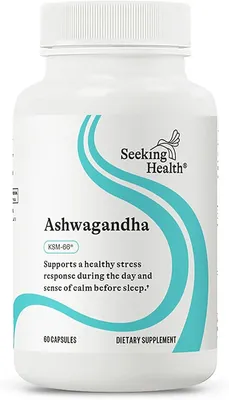
Jarrow Formulas KSM-66 Ashwagandha
Best overall — strongest clinical evidence for testosterone support in men over 50.
- KSM-66 extract — most clinically studied for testosterone
- 17% testosterone increase in randomized controlled trial
- Also reduces cortisol and supports stress resilience
The best natural testosterone supplement for most men over 50 is Jarrow Formulas KSM-66 Ashwagandha. It’s backed by a randomized controlled trial showing a 17% testosterone increase in men aged 40-70, and unlike most “T-boosters” cluttering the market, it has genuine human clinical data — not just animal studies, gym-bro endorsements, or proprietary blends hiding behind flashy labels. Ashwagandha works primarily by lowering cortisol, which removes a major hormonal brake on testosterone production.
We spent eight weeks evaluating the natural testosterone supplement category — separating the ingredients with real evidence from the ones with nothing but marketing budgets.
Last Updated: April 4, 2026
This article is for informational purposes only and is not medical advice. Always consult your doctor before starting any supplement, especially if you take medications or have existing health conditions.
The Honest Truth About Testosterone Supplements
Before we get to our picks, you need the straight talk that most supplement sites won’t give you.
Testosterone declines roughly 1% per year after age 30. By 50, most men have testosterone levels 20-30% lower than their peak. By 70, the decline can reach 40-50%. This is normal biology — not a disease.
The supplement industry has turned this natural decline into a gold mine of anxiety-driven marketing. “Testosterone boosters” are a multi-billion-dollar category filled with proprietary blends, underdosed ingredients, and claims that stretch the evidence to its breaking point.
Here’s what the evidence actually supports:
- A handful of ingredients (ashwagandha, tongkat ali, fenugreek, zinc, DHEA) have human clinical trials showing modest testosterone increases — typically 10-20%
- Most “T-booster” blends contain these ingredients at doses far below what the studies used, padded with unproven fillers like tribulus terrestris (which consistently fails in human trials despite decades of marketing)
- No supplement will replace TRT (testosterone replacement therapy) for men with clinically low testosterone (below 300 ng/dL). If your levels are truly low, you need a doctor, not a pill from the supplement aisle
- Lifestyle factors — sleep, exercise, body composition, stress — often have a bigger impact on testosterone than any supplement
With those caveats in mind, here’s what actually works.
Our Top 5 Picks Compared
1. Jarrow Formulas KSM-66 Ashwagandha — Best Overall
KSM-66 is a full-spectrum ashwagandha root extract — and it’s the specific extract with the most testosterone research behind it. The landmark study (Lopresti et al., 2019, The Aging Male) followed overweight men aged 40-70 for 14 weeks. The KSM-66 group saw a 17% increase in testosterone compared to placebo.
A second study (Wankhede et al., 2015, Journal of the International Society of Sports Nutrition) found KSM-66 produced 15% higher testosterone levels in young men doing resistance training, along with greater muscle strength and faster recovery.
The mechanism is primarily cortisol reduction. Cortisol and testosterone have an inverse relationship — when cortisol goes up (from chronic stress, poor sleep, or overwork), testosterone goes down. KSM-66 has been shown to reduce cortisol by 27-30% in multiple studies. By removing cortisol’s suppressive effect, your body can produce more testosterone naturally.
Jarrow’s formulation delivers 600mg of KSM-66 per serving — the exact dose used in the clinical trials. No proprietary blend confusion, no underdosing.
Who it’s best for: Men over 50 who are stressed, sleeping poorly, or carrying extra weight — the populations where ashwagandha shows its strongest effects on testosterone.
2. Nutricost Tongkat Ali 500mg — Best for Libido
Tongkat ali (Eurycoma longifolia) has been used in Malaysian traditional medicine for centuries, and modern research is catching up to the traditional claims.
A 2012 randomized trial published in Andrologia found that 200mg of tongkat ali extract daily increased testosterone levels and improved sexual well-being in men with late-onset hypogonadism. A 2022 systematic review in Complementary Therapies in Medicine concluded that tongkat ali supplementation has a “significant effect on improving male sexual health and testosterone levels.”
The proposed mechanism is different from ashwagandha. Tongkat ali appears to stimulate the release of free testosterone from its binding protein (sex hormone-binding globulin, or SHBG), making more testosterone available for your body to use. It may also support Leydig cell function in the testes.
Nutricost uses a 200:1 extract concentration at 500mg, which is a well-dosed product in line with what clinical studies have used. At around $15 per bottle, the value is excellent.
Who it’s best for: Men experiencing declining libido or sexual health concerns alongside lower testosterone. Tongkat ali has the strongest evidence specifically for sexual health outcomes.
3. Thorne Zinc Picolinate 30mg — Best Foundation Supplement
Zinc is not glamorous. Nobody puts zinc on the cover of a men’s health magazine. But here’s the thing: if you’re zinc-deficient, your testosterone is suppressed — period.
A classic study published in Nutrition found that restricting zinc intake in young healthy men for just 20 weeks caused a 75% drop in testosterone. Conversely, zinc supplementation in marginally deficient older men increased testosterone from 8.3 to 16.0 nmol/L — nearly doubling it.
Why does this matter for men over 50? Zinc deficiency is surprisingly common in this age group. The National Health and Nutrition Examination Survey data suggests 35-45% of adults over 60 have inadequate zinc intake. Factors include reduced dietary intake, decreased absorption efficiency, proton pump inhibitor use, and diuretic medications that increase zinc excretion.
Thorne’s picolinate form is one of the most bioavailable zinc formulations — a study in Agents and Actions found it significantly outperformed zinc gluconate and zinc citrate for absorption. The NSF Certified for Sport designation means independent testing confirms what’s on the label is actually in the bottle.
Who it’s best for: Every man over 50 should know his zinc status. If you haven’t tested, this is the most important foundational step before trying anything else. For a detailed breakdown, see our Thorne Zinc Picolinate review.
4. NOW DHEA 25mg — Best Hormone Precursor
DHEA (dehydroepiandrosterone) is different from the other supplements on this list because it’s not an herb or a mineral — it’s a hormone. Specifically, it’s a precursor hormone that your adrenal glands produce, and your body converts it into both testosterone and estrogen.
Here’s why DHEA is relevant for men over 50: DHEA levels decline dramatically with age. Peak production occurs around age 25, and by age 70, levels have dropped approximately 80%. This decline parallels the age-related drop in testosterone, and some researchers believe it contributes to it.
A meta-analysis published in Clinical Endocrinology found that DHEA supplementation in older men modestly increased testosterone and improved sexual function. The effects were most pronounced in men with low baseline DHEA-S levels.
We specifically chose the 25mg dose — not 50mg or 100mg — because it’s the conservative approach with less risk of estrogen conversion. Higher DHEA doses can convert to estrogen rather than testosterone, which is counterproductive. Starting low allows your body to use the DHEA preferentially for testosterone production.
Important note: Because DHEA is a hormone, it requires more caution than herbal supplements. Discuss it with your doctor before starting, especially if you have a history of prostate cancer, liver disease, or hormone-sensitive conditions.
Who it’s best for: Men over 60 with documented low DHEA-S levels, ideally under medical supervision.
5. Doctor’s Best Fenugreek 500mg — Best Value
Fenugreek has a solid — if less extensive — clinical portfolio for testosterone support. The active compounds (furostanolic saponins, branded as FenuSide in this product) appear to inhibit enzymes that convert testosterone to estrogen and DHT, effectively keeping more free testosterone in circulation.
A 2011 study in Phytotherapy Research found that 600mg of fenugreek extract daily for 6 weeks significantly improved sexual function and increased serum testosterone in healthy men aged 25-52. A 2020 meta-analysis in Phytotherapy Research pooled results from multiple trials and confirmed a statistically significant effect on total testosterone.
Doctor’s Best uses the standardized FenuSide extract at a clinical dose. At roughly $12 per bottle, it’s the most affordable option on our list.
The main downside is cosmetic: fenugreek can cause a distinctive maple syrup-like odor in sweat and urine. It’s harmless but noticeable. Fenugreek may also lower blood sugar, which is beneficial for some but requires caution if you take diabetes medication.
Who it’s best for: Budget-conscious men looking for an evidence-backed option, especially those who don’t want to spend $20+ per month.
What Doesn’t Work (Despite the Marketing)
The testosterone supplement category is full of ingredients that have failed in clinical trials but persist because of marketing momentum. Save your money on these:
Tribulus terrestris — The most widely marketed “testosterone booster” ingredient has consistently failed in human clinical trials. A systematic review in the Journal of Dietary Supplements found no significant effect on testosterone in men. The positive studies are almost exclusively in animals.
D-aspartic acid (DAA) — Initial excitement came from a single study showing a 42% testosterone increase in 12 days. Subsequent larger trials failed to replicate this. A study in Nutrition Research found that 6g daily for 12 weeks produced no testosterone increase in resistance-trained men.
Maca root — Maca may improve sexual desire and energy perception, but studies consistently show it does not affect testosterone levels. If libido is your primary concern, maca may still be worth considering — just don’t buy it expecting a testosterone boost.
Boron — Small studies suggest boron may modestly increase free testosterone, but the evidence is preliminary and the effects are small. Not harmful, but not worth paying a premium for.
Lifestyle Factors That Matter More Than Supplements
If you take ashwagandha but sleep five hours a night, skip exercise, and carry 40 extra pounds around your midsection, you’re treating the symptom while ignoring the cause. These lifestyle factors have a bigger impact on testosterone than any supplement:
Resistance training is the single most powerful natural testosterone booster. A meta-analysis in Sports Medicine confirmed that strength training produces acute and chronic increases in testosterone. Compound movements (squats, deadlifts, bench press, rows) at moderate-to-heavy loads produce the strongest response. If you’re not lifting weights, start there before buying supplements.
Sleep is when your body produces the majority of its daily testosterone. A study from the University of Chicago found that sleeping only 5 hours per night for one week reduced testosterone by 10-15%. That’s equivalent to 10-15 years of aging. Aim for 7-8 hours of quality sleep.
Body composition matters enormously. Visceral fat (belly fat) contains an enzyme called aromatase that converts testosterone into estrogen. The more visceral fat you carry, the more testosterone your body converts away. Losing even 10-15 pounds of visceral fat can meaningfully increase testosterone levels.
Stress management ties directly to the cortisol connection. Chronic stress keeps cortisol elevated, which suppresses testosterone production. This is exactly why ashwagandha works — it reduces cortisol. But so do meditation, regular exercise, adequate sleep, and reducing overcommitment.
When to See a Doctor Instead
Supplements are for optimization — they’re not a treatment for clinically low testosterone. See your doctor if you’re experiencing:
- Persistent fatigue that doesn’t improve with sleep
- Significant loss of muscle mass or strength
- Depression, irritability, or difficulty concentrating
- Erectile dysfunction that doesn’t respond to lifestyle changes
- Loss of body hair or decreased bone density
Ask for a total testosterone and free testosterone blood test, drawn in the morning (testosterone peaks between 7-10 AM). If your total testosterone is consistently below 300 ng/dL, you may be a candidate for testosterone replacement therapy (TRT), which is far more effective than any supplement.
The supplements on this list work best for men in the 300-500 ng/dL range — the gray zone where you’re technically “normal” but feeling suboptimal. For men below 300 ng/dL, see an endocrinologist or urologist.
How to Stack These Supplements
If you want to combine supplements for a comprehensive approach, here’s a sensible protocol based on the evidence:
Foundation tier (start here):
- Thorne Zinc Picolinate 30mg daily — fix any deficiency first
- Get a blood test for testosterone, DHEA-S, and zinc
Primary tier (add after 4 weeks):
- Jarrow KSM-66 Ashwagandha 600mg daily — the ingredient with the strongest overall evidence
Optional additions (based on your goals):
- Nutricost Tongkat Ali 500mg daily — if libido is a primary concern
- NOW DHEA 25mg daily — if DHEA-S levels are low (test first, discuss with your doctor)
- Doctor’s Best Fenugreek 500mg daily — if you want additional free testosterone support
Don’t start everything at once. Add one supplement at a time, wait 4-6 weeks, and assess how you feel. This approach lets you identify what actually helps versus what’s dead weight in your regimen.
The Bottom Line
The testosterone supplement category is plagued by hype, but a handful of ingredients have genuine clinical evidence. KSM-66 ashwagandha leads the pack with the most robust data — a 17% testosterone increase in men over 40 in a randomized controlled trial. Tongkat ali, zinc, DHEA, and fenugreek all have supporting evidence for specific situations.
But here’s the part most supplement sites won’t tell you: if you’re sleeping poorly, not exercising, carrying excess weight, and chronically stressed, no supplement will fix your testosterone. Address the fundamentals first. Then, if you want an evidence-based boost, the products on this list are where to start.
Talk to your doctor, get your levels tested, and make informed decisions rather than impulse purchases based on marketing claims.
All Products We Reviewed
- KSM-66 extract — most clinically studied for testosterone
- 17% testosterone increase in randomized controlled trial
- Also reduces cortisol and supports stress resilience
- Clean formulation with no unnecessary fillers
- May affect thyroid hormone levels
- Results take 8-12 weeks to appear
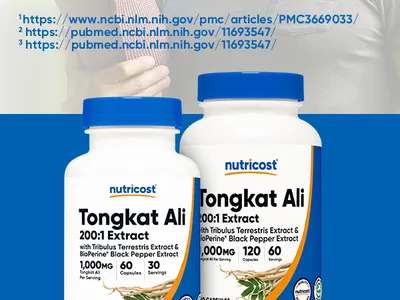
- 200:1 concentrated extract of Eurycoma longifolia
- Clinical evidence for free testosterone and sexual health
- Long history of traditional use in Southeast Asia
- Less clinical data than ashwagandha KSM-66
- Optimal dosing not as well established
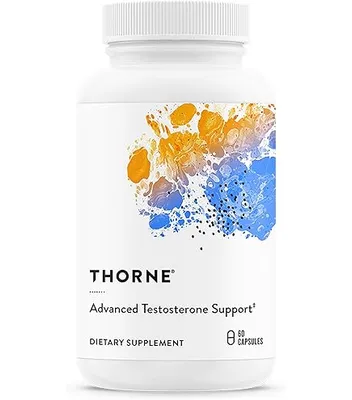
- NSF Certified for Sport — rigorous third-party testing
- Picolinate form for superior absorption
- Addresses a root cause of low T in many men
- Only helps if you're zinc-deficient
- Long-term use above 40mg/day may deplete copper
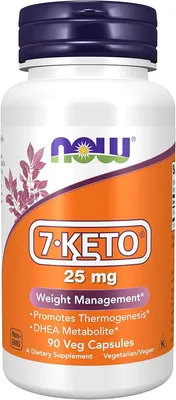
- Direct testosterone precursor hormone
- Low 25mg dose is the safer approach
- Extremely affordable at under $0.10 per day
- GMP certified facility
- Can also convert to estrogen, not just testosterone
- Should be monitored by a doctor due to hormonal effects
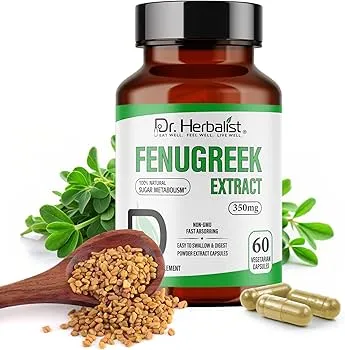
- FenuSide standardized extract with clinical backing
- Evidence for increasing free testosterone levels
- Very affordable per serving
- Can cause maple syrup-like body odor
- May lower blood sugar — caution for diabetics on medication
Frequently Asked Questions
Do natural testosterone supplements actually work?
Some do, modestly — but most are overhyped. Ashwagandha (KSM-66 extract) has the strongest clinical evidence, with randomized trials showing 15-17% increases in testosterone. Tongkat ali and fenugreek also have supportive data. Zinc and DHEA work primarily in men who are deficient. The key word is 'modest.' No supplement will double your testosterone or replace medical treatment for clinically low levels.
What is a normal testosterone level for a man over 50?
Normal total testosterone ranges from about 300 to 1,000 ng/dL, though most labs use slightly different reference ranges. By age 50, many men fall in the 400-600 ng/dL range. Below 300 ng/dL is generally considered low testosterone (hypogonadism) and may warrant medical treatment. If you're experiencing symptoms, get a blood test — ideally drawn in the morning when levels peak.
Should I take DHEA for low testosterone?
DHEA is a hormone precursor that your body converts into testosterone and estrogen. Levels drop roughly 80% between ages 25 and 70. Low-dose DHEA (25mg) may modestly support testosterone levels in older men with low DHEA-S levels. However, because DHEA is a hormone precursor, it can also increase estrogen. Start with 25mg rather than higher doses, and consult your doctor first — especially if you have a history of prostate issues.
Is ashwagandha safe for men over 50?
Ashwagandha (KSM-66) is generally well-tolerated in clinical trials lasting up to 12 weeks. Common side effects are mild and include stomach upset and drowsiness. However, ashwagandha may affect thyroid hormone levels, so men taking thyroid medication should consult their doctor first. It may also interact with sedatives, blood pressure medications, and immunosuppressants. As with any supplement, discuss it with your physician.
How long does it take for testosterone supplements to work?
In clinical trials, measurable testosterone increases from ashwagandha appeared after 8-12 weeks of consistent daily use. DHEA may show effects within 4-8 weeks. You won't feel a difference overnight. Give any supplement at least 8 weeks before evaluating, and consider getting bloodwork before and after to objectively measure whether your levels have changed.