
Centrum Silver vs Life Extension Two-Per-Day vs Thorne Basic Nutrients: Which Multivitamin Is Best After 50?
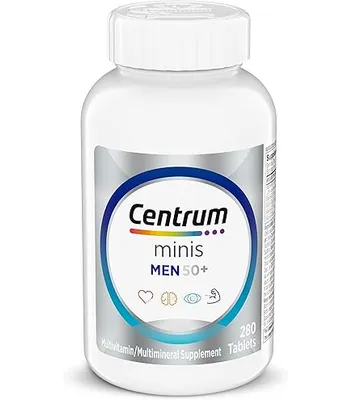
Centrum Silver Adults 50+
Best budget multivitamin — reliable, USP-verified baseline coverage for seniors who want simple, affordable nutritional insurance.
- USP Verified — independent confirmation of purity and potency
- Most affordable senior multivitamin at ~$0.08 per day
- Complete A-Z formula with 27 vitamins and minerals
If you are shopping for a multivitamin after 50, you have probably noticed three names come up again and again: Centrum Silver, Life Extension Two-Per-Day, and Thorne Basic Nutrients. They represent three distinct philosophies — budget coverage, value-optimized quality, and no-compromise premium — and the right choice depends entirely on your priorities and budget. This is not a “best to worst” ranking. Each product fills a legitimate role, and knowing the tradeoffs helps you spend your money where it matters most for your health.
We compared all three side by side — ingredient forms, potencies, third-party testing, cost per day, and what the research says about the nutrient forms that matter most after 50.
Centrum Silver Adults 50+: The Budget Standard
Centrum Silver is the #1 selling multivitamin for adults over 50 in the United States, and it has held that position for decades. It delivers a complete A-to-Z formula with 27 vitamins and minerals at age-adjusted levels, USP verification for purity and potency, and a price that is essentially impossible to beat — roughly $0.08 per tablet from a 200-count bottle.
What Centrum Silver Gets Right
USP Verification. Centrum is one of the few multivitamins verified by the United States Pharmacopeia — an independent organization that tests supplements for purity (is it free of contaminants?), potency (does it contain what the label claims?), and dissolution (will the tablet actually break down in your body?). This matters more than most people realize. The supplement industry is poorly regulated, and USP verification is a genuine quality signal.
Age-adjusted formulation. Centrum Silver contains higher vitamin D3 (1,000 IU) and B12 (25 mcg) than standard multivitamins — reflecting the increased needs of adults over 50. It is iron-free in the men’s formula and low-iron in the women’s formula, which is appropriate since most older adults have adequate iron stores.
Accessibility and track record. Available in every pharmacy and grocery store in America. Decades of real-world use. The Physicians’ Health Study II, published in JAMA in 2012 and conducted at Harvard, used Centrum Silver specifically and found daily multivitamin use reduced total cancer incidence by 8% over 11 years.
Where Centrum Silver Falls Short
Nutrient forms. This is the main criticism, and it is legitimate. Centrum uses:
- Cyanocobalamin for vitamin B12 (instead of methylcobalamin) — requires liver conversion to active form
- Folic acid for folate (instead of methylfolate/5-MTHF) — requires enzymatic conversion that roughly 40% of people with MTHFR gene variants may have difficulty with
- dl-alpha tocopherol for vitamin E (instead of mixed tocopherols) — the synthetic racemic form, less biologically effective
- Magnesium oxide — one of the poorest-absorbed magnesium forms (estimated 4% bioavailability vs 20%+ for chelated forms)
For most healthy adults who absorb nutrients normally, these cheaper forms still work. The cyanocobalamin in Centrum has been used in clinical trials for decades and is effective. But after 50 — when stomach acid declines, absorption efficiency drops, and metabolic conversion pathways slow down — the gap between cheap and premium nutrient forms becomes more meaningful.
Artificial colorants. Centrum Silver contains FD&C dyes that some consumers prefer to avoid. This is more of a preference issue than a health concern at the doses present, but premium brands have moved away from these additives.
Modest mineral doses. Centrum Silver contains only 220mg of calcium (17% DV) and 50mg of magnesium (12% DV). Neither dose will correct a significant deficiency. This is true of all three multivitamins in this comparison — none deliver meaningful calcium or magnesium.
Life Extension Two-Per-Day: The Value-Quality Sweet Spot
Life Extension Two-Per-Day sits in a distinctive position: it delivers premium nutrient forms at a mid-range price. At roughly $0.33 per day, it costs four times what Centrum does but a fraction of what Thorne costs — and in many categories, it matches or exceeds Thorne’s nutrient content.
What Life Extension Gets Right
Premium nutrient forms at a reasonable price. Life Extension uses:
- Methylcobalamin for B12 — the active form your cells use directly, no conversion needed
- 5-MTHF (methylfolate) for folate — bypasses the MTHFR conversion issue entirely
- Mixed tocopherols and tocotrienols for vitamin E — the full spectrum of natural vitamin E forms
- Chelated minerals where it matters — better absorbed than oxide forms
Higher potencies. Life Extension is dramatically more generous than Centrum with many nutrients. For example, it delivers substantially more vitamin C, vitamin E, and several B vitamins. Whether you need these higher amounts depends on your diet, but the potencies are closer to what functional medicine practitioners recommend.
Eye health bonus. Life Extension includes marigold-derived lutein (5mg) and zeaxanthin (1mg) — carotenoid pigments that accumulate in the macula and help protect against age-related macular degeneration (AMD). The AREDS2 study found that lutein and zeaxanthin supplementation reduced the risk of advanced AMD progression. This is a meaningful addition for adults over 50 at increasing AMD risk.
Alpha-lipoic acid and other extras. The formula includes nutrients that Centrum and Thorne omit, including alpha-lipoic acid (a versatile antioxidant that supports blood sugar metabolism), inositol, boron, and lycopene.
Where Life Extension Falls Short
No third-party certification. This is Life Extension’s most significant weakness compared to both Centrum (USP) and Thorne (NSF). Life Extension relies on internal testing and GMP-certified manufacturing. Their reputation in the supplement industry is strong — they have been operating since 1980 and fund clinical research — but they lack the independent verification stamp that provides the highest level of consumer confidence.
Large tablets. The two-per-day tablets are fairly large, which some older adults find difficult to swallow. This is a common complaint in reviews.
No meaningful calcium or magnesium. Like Centrum and Thorne, Life Extension does not include significant amounts of these minerals. If you need calcium or magnesium supplementation, you will need separate products.
Thorne Basic Nutrients 2/Day: The Premium Standard
Thorne is the brand that functional medicine practitioners, the Mayo Clinic, the Cleveland Clinic, and professional sports teams trust. Basic Nutrients 2/Day is their flagship multivitamin — a lean, focused formula with the most bioavailable nutrient forms available, NSF certification, and no unnecessary fillers. It costs the most, and you are paying for quality assurance that very few brands can match.
What Thorne Gets Right
NSF Certified for Sport. This is the gold standard of third-party supplement testing. NSF tests every batch for purity, potency, and the absence of over 270 banned substances and common contaminants (including heavy metals like lead, mercury, and arsenic). Only about 1% of supplements carry this certification. While the “for Sport” designation was originally designed for athletes, the testing protocol benefits anyone who wants verified supplement quality.
The most bioavailable nutrient forms. Thorne uses:
- Methylcobalamin for B12 — active form, no conversion needed
- 5-MTHF (calcium L-methylfolate) for folate — the Quatrefolic branded form with clinical pedigree
- Chelated minerals throughout — better absorption than oxide or carbonate forms
- No artificial colors, flavors, or preservatives — clean-label formulation
Simple two-capsule regimen. Many premium multivitamins require 4-6 capsules per day (Thorne’s own Advanced Nutrients takes 6). Basic Nutrients 2/Day distills the essentials into just two capsules, which improves compliance — you are more likely to take it every day if it is easy.
Professional trust. Thorne is the only supplement company partnered with the Mayo Clinic for research. Their products are used by the Cleveland Clinic, the U.S. Olympic Committee, and multiple professional sports organizations. This institutional trust reflects genuine manufacturing rigor, not just marketing.
Where Thorne Falls Short
Price. At roughly $0.58 per day — about 7 times the cost of Centrum Silver and nearly double Life Extension — Thorne is the most expensive option. For some people, the quality premium is worthwhile. For others, Life Extension delivers very similar nutrient forms at nearly half the price.
Fewer total nutrients. Thorne’s formula is deliberately lean — roughly 25 key nutrients versus Life Extension’s 50+. It does not include lutein, zeaxanthin, alpha-lipoic acid, lycopene, or several other compounds that Life Extension provides. Thorne’s philosophy is to include only what is essential and well-dosed, rather than packing in everything possible.
Availability. Thorne is not sold in pharmacies or grocery stores. You can purchase it through Thorne’s website, Amazon, and some practitioner offices. This is not a significant barrier for most people, but it means you cannot simply pick it up during your weekly grocery run.
No meaningful calcium or magnesium. Same limitation as the other two — you will need separate supplements for these minerals.
Head-to-Head: The Evidence Behind Nutrient Forms
The most important difference between these three multivitamins is not potency — it is the form of each nutrient. Here is why that matters after 50.
Vitamin B12: Cyanocobalamin vs Methylcobalamin
Vitamin B12 absorption declines significantly with age. Your stomach produces less hydrochloric acid and less intrinsic factor — both of which are required for B12 absorption from food. An estimated 10-30% of adults over 50 cannot efficiently absorb B12 from food sources.
Cyanocobalamin (Centrum) is synthetic. Your liver must remove the cyanide molecule (in trace amounts — not dangerous) and convert it to the active forms methylcobalamin and adenosylcobalamin before your cells can use it. This conversion is generally efficient in healthy individuals, but adds a processing step that becomes less reliable with age.
Methylcobalamin (Life Extension, Thorne) is already in active form. Your cells can use it immediately for methylation reactions — the fundamental biochemical process that affects DNA repair, neurotransmitter synthesis, and homocysteine metabolism. No conversion required.
For adults over 50, methylcobalamin is the safer bet — it bypasses both the absorption challenge and the conversion step.
Folate: Folic Acid vs Methylfolate (5-MTHF)
This is arguably the most consequential difference. Approximately 40% of the population carries variants of the MTHFR gene that reduce their ability to convert folic acid into its active form (5-MTHF). Most people do not know their MTHFR status.
Folic acid (Centrum) is synthetic and requires enzymatic conversion by MTHFR to become 5-MTHF — the form your body actually uses. For people with normal MTHFR function, this works fine. For those with reduced MTHFR activity, unmetabolized folic acid can accumulate in the bloodstream, and active folate levels remain low despite supplementation.
5-MTHF / Methylfolate (Life Extension, Thorne) is already in the active form. It works regardless of your MTHFR status. There is no conversion step, no accumulation risk, and no need for genetic testing to determine if it will work for you.
Since most people have never been tested for MTHFR variants, methylfolate is the universally effective choice.
Minerals: Oxide vs Chelated Forms
Mineral absorption is one of the most overlooked variables in multivitamin quality.
Magnesium oxide (Centrum) has an estimated bioavailability of roughly 4% — meaning for every 100mg you swallow, your body may absorb as little as 4mg. It is the cheapest form to manufacture, which is why budget multivitamins use it.
Chelated magnesium — glycinate, citrate, or malate forms (Life Extension, Thorne) — has estimated bioavailability of 20-30% or higher. The mineral is bound to an amino acid, which allows it to use amino acid absorption pathways rather than competing with other minerals for limited mineral transport channels.
The same principle applies to zinc, copper, manganese, and other trace minerals. Chelated forms are consistently better absorbed than oxide or carbonate forms.
What This Means Practically
If you are a healthy 55-year-old with normal digestion, good stomach acid, and no MTHFR variants, the cheaper forms in Centrum will still work. The conversion pathways function, the absorption is adequate, and you get basic nutritional coverage.
If you are over 60, take PPIs or antacids, have any digestive issues, or simply want to maximize what you absorb from each pill, the premium forms in Life Extension or Thorne deliver measurably more active nutrition per dose. The question is whether that difference is worth the price premium to you.
When to Choose Centrum Silver
Centrum Silver is the right choice if:
Budget is your primary concern. At $0.08 per day, nothing else comes close. If the alternative to Centrum is taking nothing at all, Centrum is far better than no multivitamin.
You want USP verification. Centrum is one of the few multivitamins with independent USP verification. If third-party testing matters to you and NSF pricing is too high, USP is a credible alternative.
You eat a nutrient-rich diet. If you already consume plenty of fruits, vegetables, whole grains, lean protein, and dairy — and your blood work looks good — Centrum serves as a low-cost safety net rather than a primary nutrient source.
Your doctor specifically recommended it. Centrum Silver was the multivitamin used in the Physicians’ Health Study II at Harvard. Many doctors recommend it by name because of this large-scale trial data.
When to Choose Life Extension Two-Per-Day
Life Extension is the right choice if:
You want premium forms without premium pricing. Life Extension uses methylcobalamin, methylfolate, chelated minerals, and mixed tocopherols — the same form categories as Thorne — at roughly half the cost. For pure value-to-quality ratio, nothing beats it.
Eye health is a priority. Life Extension is the only option in this comparison that includes lutein and zeaxanthin at meaningful doses. If you are concerned about age-related macular degeneration or want to support long-term vision health, this is a practical advantage.
You want the most comprehensive formula. With 50+ nutrients including alpha-lipoic acid, lycopene, inositol, and boron, Life Extension provides the broadest coverage. If your philosophy is “more complete is better,” this delivers.
You are comfortable with a trusted brand that lacks third-party certification. Life Extension has been in the supplement business since 1980, funds clinical research, and maintains strong internal quality controls. But they do not have NSF or USP on this product. If independent certification is non-negotiable for you, choose Thorne or Centrum.
When to Choose Thorne Basic Nutrients
Thorne is the right choice if:
Independent quality verification is your top priority. NSF Certified for Sport is the most rigorous supplement certification available. If you want absolute confidence that what is on the label is in the bottle — and nothing else is — Thorne is the clear choice.
You prefer a clean, focused formula. Thorne’s philosophy is to include only essential nutrients at well-researched doses, with no fillers, dyes, or extra ingredients. If you dislike long ingredient lists and want a streamlined multivitamin, this is the leanest option.
Your practitioner recommended it. If your doctor, pharmacist, or functional medicine practitioner specifically recommends Thorne, they are likely considering your individual health profile and the fact that Thorne’s manufacturing standards are trusted by the Mayo Clinic and Cleveland Clinic.
You have absorption challenges. If you take PPIs, have low stomach acid, have had gastric surgery, or have any condition that impairs nutrient absorption, Thorne’s bioavailable forms and clean formulation may provide measurably better results than cheaper alternatives.
Budget is not a constraint. At $0.58 per day — $17 per month — Thorne is not extravagant in absolute terms, but it is 7x the cost of Centrum. If you can afford it without thinking twice, the quality premium is real and worth paying.
Can You Take Any of These Together?
No — do not stack multivitamins. Each of these products is designed to be a complete daily multivitamin. Taking two different multivitamins risks exceeding tolerable upper intake levels for fat-soluble vitamins (A, D, E, K) and certain minerals (zinc, selenium, manganese), which can cause adverse effects over time.
Choose one multivitamin and supplement individual nutrients only if blood work reveals specific deficiencies. For example, if your vitamin D levels are low despite taking any of these three, add a standalone vitamin D3 supplement at the dose your doctor recommends.
If you want to combine the affordability of Centrum with the active B vitamins of Thorne, a better strategy is to take Centrum Silver plus a standalone methylcobalamin B12 supplement and a standalone methylfolate supplement. This gives you USP-verified baseline coverage plus the specific premium forms that matter most, at a lower total cost than Thorne.
Our Product Recommendations
Centrum Silver Adults 50+ — Best Budget Multivitamin
The most affordable option with genuine third-party verification. USP testing confirms purity, potency, and dissolution. The Physicians’ Health Study II used this specific product and showed an 8% reduction in total cancer incidence over 11 years. If budget is paramount, this is far better than skipping a multivitamin entirely.
Who it is best for: Budget-conscious adults over 50 who want reliable baseline nutritional insurance with independent quality verification. Read our full review: Centrum Silver Adults 50+
Life Extension Two-Per-Day — Best Value for Quality
The sweet spot between drugstore and practitioner-grade. Premium nutrient forms (methylcobalamin, methylfolate, chelated minerals, mixed tocopherols) plus extras like lutein, zeaxanthin, and alpha-lipoic acid — all at roughly $0.33 per day. Delivers dramatically more active nutrition per dollar than Centrum, at roughly half the cost of Thorne.
Who it is best for: Adults over 50 who want premium nutrient forms and comprehensive coverage without paying practitioner-grade prices. The best all-around value in this comparison. Read our full review: Life Extension Two-Per-Day
Thorne Basic Nutrients 2/Day — Best Premium Option
The multivitamin that the Mayo Clinic, Cleveland Clinic, and professional sports teams trust. NSF Certified for Sport provides the highest level of independent quality verification in the supplement industry. Clean, focused formula with the most bioavailable nutrient forms — no fillers, no dyes, no compromises.
Who it is best for: Adults over 50 who prioritize verified quality above all else, have absorption challenges, or whose healthcare provider specifically recommends pharmaceutical-grade supplementation. Read our full review: Thorne Basic Nutrients 2/Day
Frequently Asked Questions
Is Centrum Silver good enough, or should I spend more on a premium multivitamin? Centrum Silver is a perfectly adequate multivitamin for most people. It delivers age-adjusted doses of 27 vitamins and minerals with USP verification at an unbeatable price. The caveat is that it uses less bioavailable nutrient forms — cyanocobalamin instead of methylcobalamin for B12, folic acid instead of methylfolate, and oxide minerals instead of chelated forms. For most healthy adults with no absorption issues, these forms still work. But if you have digestive issues, take acid-suppressing medications, or have MTHFR gene variants, the premium forms in Life Extension or Thorne will deliver more actual nutrition per pill.
Why do some multivitamins use methylcobalamin while others use cyanocobalamin? Both are forms of vitamin B12, but they differ in how your body processes them. Cyanocobalamin (used in Centrum) is synthetic and must be converted by your liver into the active forms your cells use. Methylcobalamin (used in Life Extension and Thorne) is already in active form and can be used directly. For most healthy adults, the conversion works fine. But B12 absorption declines significantly after 50 due to lower stomach acid, and the conversion step adds another potential bottleneck. Methylcobalamin bypasses this issue entirely, which is why geriatric specialists increasingly prefer it for older adults.
Do I need a multivitamin if I eat a healthy diet? Even with an excellent diet, most adults over 50 have nutrient gaps. The USDA reports that significant percentages of older Americans fall short on vitamin D, magnesium, vitamin B12, and calcium from food alone. After 50, your body absorbs nutrients less efficiently — stomach acid decreases, intrinsic factor production drops, and kidney function changes affect vitamin D activation. A multivitamin is nutritional insurance, not a replacement for healthy eating. The Physicians’ Health Study II found that daily multivitamin use reduced total cancer incidence by 8% over 11 years.
What does NSF Certified for Sport mean, and why does it matter for a senior multivitamin? NSF Certified for Sport is one of the most rigorous third-party testing programs in the supplement industry. It verifies that the product contains exactly what the label claims, is free from over 270 banned substances and common contaminants (including heavy metals), and is made in a facility that meets strict manufacturing standards. Only about 1% of supplements earn this certification. While originally designed for athletes, it benefits anyone who wants verified quality. Thorne is the only multivitamin in this comparison with NSF certification. Centrum has USP verification (also good). Life Extension relies on internal testing.
Can I take these multivitamins with my prescription medications? All three can interact with certain medications. The calcium, magnesium, and zinc in any multivitamin can reduce absorption of thyroid medications (levothyroxine), certain antibiotics, and bisphosphonates — space them at least 2-4 hours apart. The vitamin K in all three products can affect warfarin dosing — maintain consistent daily intake and inform your prescriber. Bring your supplement to your next pharmacy visit for a personalized interaction check. Most pharmacists do this for free.
The Bottom Line
This comparison does not have a single winner — because these three multivitamins serve different needs at different price points.
Centrum Silver is the smart choice if you want verified nutritional insurance at the lowest possible cost. It works. It has large-scale trial data behind it. It just uses the cheapest ingredient forms.
Life Extension Two-Per-Day is the best value in the comparison. You get premium nutrient forms — methylcobalamin, methylfolate, chelated minerals, mixed tocopherols — plus bonus nutrients like lutein and zeaxanthin, at roughly $0.33 per day. If you can afford $10 per month for a multivitamin, this is where your money goes furthest.
Thorne Basic Nutrients is the right choice when quality verification and manufacturing rigor are non-negotiable. NSF certification, pharmaceutical-grade ingredients, no fillers or dyes. It costs the most, and that cost reflects genuine quality assurance.
Whichever you choose, taking a multivitamin daily after 50 is a reasonable, evidence-supported health decision. The Physicians’ Health Study II — using Centrum Silver specifically — demonstrated meaningful long-term benefits. Premium forms may enhance those benefits for people with absorption challenges. But the best multivitamin is the one you actually take every day. Consult your doctor about which approach fits your individual health profile and budget.
For related reading, see our guides on Best Multivitamins Over 50, Do You Need a Multivitamin After 50?, What Does Third-Party Tested Mean?, and NSF vs USP Certifications.
All Products We Reviewed
- USP Verified — independent confirmation of purity and potency
- Most affordable senior multivitamin at ~$0.08 per day
- Complete A-Z formula with 27 vitamins and minerals
- Uses less bioavailable nutrient forms (cyanocobalamin, folic acid, oxide minerals)
- Contains artificial colorants
- Modest calcium and magnesium doses
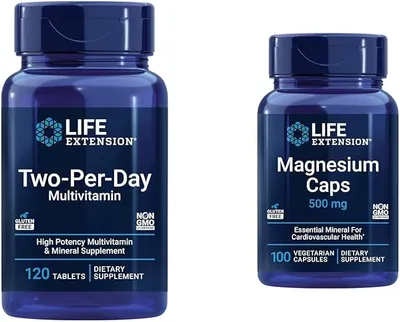
- 50+ nutrients in premium bioavailable forms at a mid-range price
- Active B vitamins (methylfolate, methylcobalamin) plus mixed tocopherols
- Includes marigold-derived lutein and zeaxanthin for eye health
- No NSF or USP third-party certification
- Tablets are fairly large
- No meaningful calcium or magnesium included
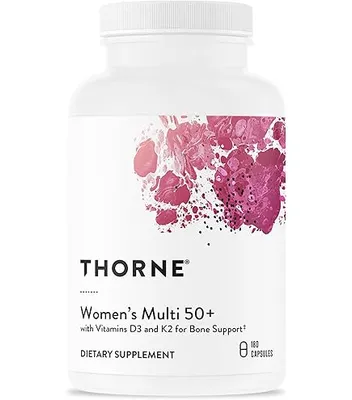
- NSF Certified for Sport — independently verified purity and potency
- Active methylated B vitamins and chelated minerals
- Only 2 capsules per day — simple regimen
- Premium price — roughly 7x the cost of Centrum Silver
- Does not include calcium or magnesium at meaningful doses
- Only available online or through practitioners
Frequently Asked Questions
Is Centrum Silver good enough, or should I spend more on a premium multivitamin?
Centrum Silver is a perfectly adequate multivitamin for most people. It delivers age-adjusted doses of 27 vitamins and minerals with USP verification at an unbeatable price. The caveat is that it uses less bioavailable nutrient forms — cyanocobalamin instead of methylcobalamin for B12, folic acid instead of methylfolate, and oxide minerals instead of chelated forms. For most healthy adults with no absorption issues, these forms still work. But if you have digestive issues, take acid-suppressing medications, or have MTHFR gene variants, the premium forms in Life Extension or Thorne will deliver more actual nutrition per pill.
Why do some multivitamins use methylcobalamin while others use cyanocobalamin?
Both are forms of vitamin B12, but they differ in how your body processes them. Cyanocobalamin (used in Centrum) is synthetic and must be converted by your liver into the active forms your cells use. Methylcobalamin (used in Life Extension and Thorne) is already in active form and can be used directly. For most healthy adults, the conversion works fine. But B12 absorption declines significantly after 50 due to lower stomach acid, and the conversion step adds another potential bottleneck. Methylcobalamin bypasses this issue entirely, which is why geriatric specialists increasingly prefer it for older adults.
Do I need a multivitamin if I eat a healthy diet?
Even with an excellent diet, most adults over 50 have nutrient gaps. The USDA reports that significant percentages of older Americans fall short on vitamin D, magnesium, vitamin B12, and calcium from food alone. After 50, your body absorbs nutrients less efficiently — stomach acid decreases, intrinsic factor production drops (critical for B12 absorption), and kidney function changes affect vitamin D activation. A multivitamin is nutritional insurance, not a replacement for healthy eating. The Physicians Health Study II found that daily multivitamin use reduced total cancer incidence by 8% over 11 years.
What does NSF Certified for Sport mean, and why does it matter for a senior multivitamin?
NSF Certified for Sport is one of the most rigorous third-party testing programs in the supplement industry. It verifies that the product contains exactly what the label claims, is free from over 270 banned substances and common contaminants (including heavy metals), and is made in a facility that meets strict manufacturing standards. Only about 1% of supplements earn this certification. While originally designed for athletes, it benefits anyone who wants verified quality. Thorne is the only multivitamin in this comparison with NSF certification. Centrum has USP verification (also good). Life Extension relies on internal testing.
Can I take these multivitamins with my prescription medications?
All three can interact with certain medications. The calcium, magnesium, and zinc in any multivitamin can reduce absorption of thyroid medications (levothyroxine), certain antibiotics, and bisphosphonates — space them at least 2-4 hours apart. The vitamin K in all three products (though amounts vary) can affect warfarin dosing — maintain consistent daily intake and inform your prescriber. Bring your supplement to your next pharmacy visit for a personalized interaction check. Most pharmacists do this for free.