
Is Liquid I.V. Good for Seniors? An Honest Review for Adults Over 50
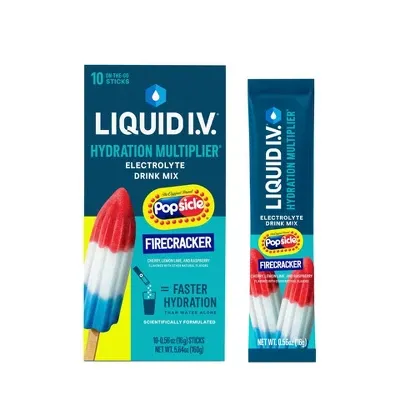
Liquid I.V. Hydration Multiplier
The best widely available pick for adults over 50 who want something they can buy locally for sick days and hot weather — as long as the 11 g of sugar fits your carbohydrate plan.
- Sugar-sodium ratio based on established oral rehydration principles (CTT)
- Sold in most grocery stores, pharmacies, Costco, and online
- 500 mg sodium with a useful 370 mg potassium per packet
Liquid I.V. Hydration Multiplier is everywhere — Costco, the grocery aisle, the pharmacy checkout — and that convenience is a genuine advantage when you’re sick or overheated. Each stick delivers 500 mg of sodium and 370 mg of potassium for about $25 a box on our listing, and it earns a 4.2 out of 5 from us. But it also carries 11 g of sugar per packet, which matters if you’re counting carbohydrates, and its sodium adds up quickly against a 1,500 mg daily ideal. Here’s what the research actually shows, who should skip it, and which lower-sugar options serve adults over 50 better day to day.
Our Top Picks at a Glance
Four electrolyte powders come up again and again in questions from readers over 50. Here is how they compare on the numbers that matter most — sodium, sugar, and price.
| Product | Best for | Key numbers per serving | Site price | Our rating |
|---|---|---|---|---|
| Liquid I.V. Hydration Multiplier | The familiar, easy-to-find option for sick days and hot afternoons | 500 mg sodium, 370 mg potassium, 11 g sugar | about $25 | 4.2/5 |
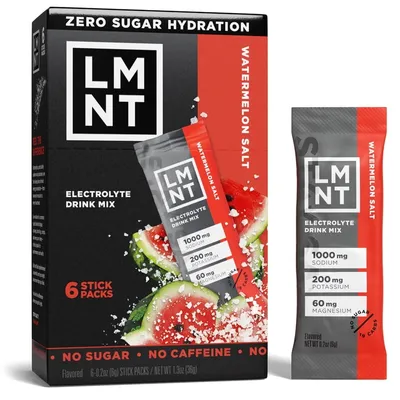
| LMNT Recharge Electrolyte Drink Mix | Active, hot-weather days for adults not on a sodium-restricted diet | 1,000 mg sodium, 200 mg potassium, 60 mg magnesium, zero sugar | about $45 (about $1.50 per packet) | 4.7/5 |
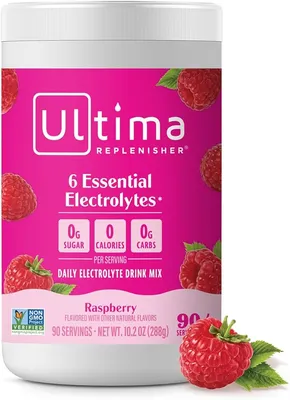
| Ultima Replenisher Electrolyte Powder | Everyday light support when sodium must stay low | ~55 mg sodium, 250 mg potassium, 100 mg magnesium, sugar-free | about $22 | 4.1/5 |
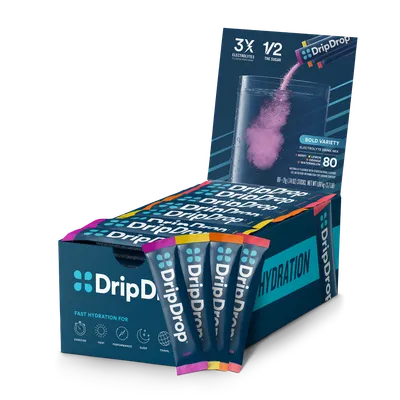
| DripDrop ORS Oral Rehydration Solution | Recovering from a stomach bug, fever, or heat illness | 330 mg sodium, 9 g sugar | about $30 | 4.5/5 |
None of these is a daily necessity for a healthy adult who drinks water and eats regular meals. They earn their place on specific days — illness, heat, heavy sweating, or a doctor’s advice to increase fluids.
How We Evaluated
We judged each product on four things: the electrolyte profile (sodium, potassium, magnesium in amounts that are actually meaningful), the sugar load and what it does to blood glucose and carbohydrate counting, quality signals such as third-party testing and clear labeling, and price against how often a person over 50 would realistically use it.
We also weighted something the marketing rarely mentions: fit with common medications and conditions. A powder that works beautifully for a 55-year-old gardener in July can be the wrong product for a 78-year-old on furosemide with ankle swelling. Where a claim comes from a manufacturer rather than published evidence — “3x the hydration of water,” for example — we say so rather than repeat it. Our ratings reflect our own published reviews, not sponsored placement.
Detailed Reviews
Most Widely Available: Liquid I.V. Hydration Multiplier
Who it’s for: Adults over 50 who want something they can buy this afternoon at the grocery store, for occasional use during illness, travel, or a hot stretch of weather.
Liquid I.V. Hydration Multiplier is built around what the brand calls CTT, or Cellular Transport Technology — a sugar-to-sodium ratio drawn from oral rehydration solution principles. That principle is real: the sodium-glucose cotransport mechanism, the same science behind the World Health Organization’s oral rehydration salts, helps the small intestine pull sodium and water across faster when a small amount of glucose is present. What the science does not support is the leap to “3x hydration” for a healthy person sipping at home. For ordinary daily fluid needs, plain water and food do the job.
Each packet supplies 500 mg of sodium and 370 mg of potassium — a middle-of-the-road profile, lower in sodium than LMNT and higher than Ultima. It also supplies 11 g of sugar, roughly the carbohydrate of a small piece of fruit, which is the single biggest reason to pause if you live with type 2 diabetes. Our listing puts a box at about $25.
Pros
- Sugar-sodium ratio grounded in established oral rehydration principles
- Sold in most pharmacies, grocery stores, Costco, and online
- Moderate 500 mg sodium with a useful 370 mg potassium
- Single-serve sticks travel well and need no measuring
Considerations
- 11 g of sugar per packet is higher than LMNT or Re-Lyte and complicates diabetic management
- “3x hydration” marketing outruns the evidence base
- Each packet adds both sodium and sugar, so it is better matched to real fluid losses than to all-day sipping
Verdict: A reasonable, genuinely convenient option when you need it — just read the nutrition panel first if you are watching blood sugar or sodium.
Best Overall for Hot, Active Days: LMNT Recharge Electrolyte Drink Mix
Who it’s for: Adults over 50 who sweat heavily — long walks, gardening in July, hiking, pickleball — and who are not on a sodium-restricted diet.
LMNT Recharge Electrolyte Drink Mix delivers 1,000 mg of sodium, 200 mg of potassium, and 60 mg of magnesium per stick with zero sugar and no artificial sweeteners; it is sweetened with stevia. That sodium figure is the whole story, good and bad. For someone losing salt through hours of sweat, it is a clinically meaningful dose. For someone with hypertension or heart failure, a single stick is about two-thirds of the American Heart Association’s 1,500 mg ideal daily limit.
At roughly $45, or about $1.50 per packet, it is the priciest option here, and the salty taste takes a few servings to get used to.
Pros
- Meaningful electrolyte content: 1,000 mg sodium, 200 mg potassium, 60 mg magnesium
- Zero sugar and no artificial sweeteners
- Several flavors, including an unflavored Raw version you can add to soup or water
- Consistent, portable single-serve dose
Considerations
- About $1.50 per packet, the highest per-serving cost in this group
- Strong salty flavor; not appropriate for sodium-restricted users
- At roughly 1,000 mg sodium per stick, clear it with your doctor or pharmacist if you have high blood pressure or heart failure
Verdict: The default for heavy sweating in adults over 50 with no sodium restriction — and the wrong product for everyone else.
Best Low-Sodium Value: Ultima Replenisher Electrolyte Powder
Who it’s for: Readers managing blood pressure, swelling, or blood sugar who still want some electrolyte support — this is the one we most often point toward when Liquid I.V. is a poor fit.
Ultima Replenisher Electrolyte Powder is sugar-free and stevia-sweetened, with only about 55 mg of sodium, 250 mg of potassium, 100 mg of magnesium, and trace minerals per serving. Because it is a scoopable powder rather than a fixed stick, you can take a half serving — a small but real advantage if your doctor has asked you to keep potassium within a narrow range. At about $22, it is also the least expensive product here.
The trade-off is straightforward: 55 mg of sodium will not replace what you lose during an hour of yard work in 90-degree heat.
Pros
- Sugar-free, so it does not add carbohydrate to a meal plan
- About 55 mg sodium — friendly for sodium-restricted users
- Useful magnesium (100 mg) and potassium (250 mg)
- Scoopable powder allows half servings; sold in variety packs for flavor testing
Considerations
- Sodium is too low for hot-weather activity or significant sweat losses
- Some people dislike the stevia aftertaste
- Formulas and flavors change; verify the current panel against your medication list
Verdict: The best everyday baseline for adults who need electrolytes without the sodium and sugar load.
Best for Actual Dehydration: DripDrop ORS Oral Rehydration Solution
Who it’s for: The person recovering from a stomach virus, a fever, or an afternoon that got too hot — not the person looking for a daily drink.
DripDrop ORS Oral Rehydration Solution is the only true oral rehydration formulation in this group, built on the sodium-glucose cotransport ratios that came out of WHO oral rehydration research and used in emergency medicine and military medical settings. Its 9 g of sugar per packet is functional: the glucose is there to speed sodium and water absorption, not for flavor. Sodium sits at 330 mg — lower than LMNT, which suits moderate dehydration without overshooting. Our listing shows about $30.
Keep a box in the medicine cabinet the way you keep a thermometer. Dehydration is a common reason adults over 65 end up in the hospital, and having the right product on hand before you need it matters.
Pros
- Medical-grade oral rehydration formulation based on WHO ORS principles
- The strongest choice for genuine dehydration recovery rather than maintenance
- Used in emergency and military medical settings
- 330 mg sodium suits moderate dehydration without a large salt load
Considerations
- 9 g of sugar per packet means it is not for daily preventive sipping
- Best reserved for after-illness or post-heat recovery
- The sugar still counts toward your carbohydrate total if you have diabetes
Verdict: The right tool for a specific job — sick days and heat recovery — and the wrong tool for routine hydration.
Buyer’s Guide: What to Look For
Electrolyte powders are food products, not medicines, so the label is your only real protection. Four numbers decide whether a product suits you: sodium, potassium, sugar, and price per serving. Our full Best Electrolyte Supplements for Seniors (2026) roundup compares more options if none of these four fits.
The sugar question: 11 grams in context
Eleven grams of sugar is about three-quarters of one 15-gram carbohydrate serving in standard carb counting. One packet of Liquid I.V. Hydration Multiplier in the afternoon is manageable for many people with well-controlled type 2 diabetes if it is counted. Two or three packets across a hot day is a different matter, and that is where readers get into trouble.
If you use insulin or a sulfonylurea, or if your A1C is not where you and your doctor want it, choose the sugar-free route: Ultima Replenisher Electrolyte Powder or LMNT Recharge Electrolyte Drink Mix, both stevia-sweetened with zero sugar. Save the sugar-containing formulas for actual illness, when the glucose is doing rehydration work rather than just adding calories.
The sodium question: 500 mg against your daily limit
The American Heart Association recommends no more than 2,300 mg of sodium a day for most adults and an ideal limit of 1,500 mg for people with high blood pressure. One Liquid I.V. packet is 500 mg — a third of that stricter target before you have eaten anything. One LMNT stick is 1,000 mg, two-thirds of it.
That is not automatically disqualifying. Sodium you sweat out has to be replaced, and adults over 50 often under-replace it on hot days. But if you take a thiazide or loop diuretic for blood pressure or heart failure, or if you have been told to limit fluids, the arithmetic changes and your doctor should be the one doing it.
If you have edema, low potassium, and diabetes at the same time
This combination comes up often, and the honest answer is that high-sodium electrolyte powders are generally the wrong product for someone who is not very active. Sodium pulls fluid into circulation, which can worsen ankle swelling and shortness of breath in heart failure. Meanwhile, low potassium from a loop diuretic is a medical problem to be corrected with your doctor’s guidance and monitored blood work — not self-treated with a scoop of powder.
If you fall into this group, a low-sodium product such as Ultima Replenisher gives you modest potassium and magnesium without a salt load, but even that needs a conversation first. The opposite situation matters too: if you take an ACE inhibitor, an ARB, or a potassium-sparing diuretic such as spironolactone, added potassium can push levels too high. So can reduced kidney function. Our Q&A on whether electrolyte drinks are safe for seniors walks through these interactions in more detail.
Third-party testing, labels, and red flags
Look for NSF Certified for Sport, USP Verified, or ConsumerLab testing on any powder you use regularly — independent verification that what is on the label is in the packet. Read the full nutrition panel, not the front of the box, and note the serving size: some products list numbers for half a stick.
Red flags worth walking away from: “proprietary blend” labeling that hides how much of each electrolyte you are getting, claims of curing fatigue or brain fog, “3x hydration” style multipliers with no citation, and any product that suggests replacing prescribed treatment. What you probably don’t need: a daily electrolyte drink at all. For most adults over 50 eating normal meals, water plus a balanced diet covers it. If you’re not sure why thirst feels different than it used to, why you get more dehydrated as you age explains the physiology.
When to See Your Doctor
Consult your doctor or pharmacist before starting any electrolyte powder if you take blood pressure medication, a diuretic, an ACE inhibitor or ARB, a potassium-sparing diuretic such as spironolactone, lithium, or diabetes medication — and always if you have chronic kidney disease, heart failure, or a fluid restriction. Bring the actual packet or a photo of the nutrition panel; the sodium and potassium numbers are what your pharmacist needs to see.
Call your doctor promptly rather than reaching for a powder if you notice:
- New or worsening swelling in the ankles, legs, or abdomen
- Shortness of breath, especially lying down, or a sudden weight gain of 2–3 pounds in a day
- Confusion, unusual drowsiness, or a new unsteadiness on your feet
- Dizziness on standing, fainting, or a racing heartbeat
- Very little urine over 8 hours, or urine that stays dark despite drinking
- Vomiting or diarrhea lasting more than 24 hours, or a fever you cannot bring down
Older adults feel thirst less reliably and the kidneys concentrate urine less efficiently with age, so dehydration can progress further before it announces itself. Confusion is sometimes the first visible sign. If someone over 70 suddenly seems disoriented during a heat wave, that is an urgent call, not a hydration-powder situation.
The bottom line: Liquid I.V. Hydration Multiplier is a decent, widely available product for real fluid losses, held back for many readers by 11 g of sugar and 500 mg of sodium per stick. Match the product to your medications and conditions, use it on the days you actually need it, and let your doctor weigh in before it becomes a daily habit.
Sources:
- American Heart Association — How Much Sodium Should I Eat Per Day? — Supports the 2,300 mg daily limit and 1,500 mg ideal limit used to put packet sodium in context.
- NIH Office of Dietary Supplements — Potassium Fact Sheet for Health Professionals — Supports potassium intake context and interactions with ACE inhibitors, ARBs, and potassium-sparing diuretics.
- Mayo Clinic — Dehydration: Symptoms and causes — Supports warning signs of dehydration and increased risk in older adults.
- Cochrane Database of Systematic Reviews — Clinical symptoms, signs and tests for identification of impending and current water-loss dehydration in older people (Hooper et al., 2015) — Supports the point that dehydration in older adults is hard to detect by common signs.
- American Diabetes Association — Carbohydrate counting resources (diabetes.org) — Supports the 15-gram carbohydrate serving used to put 11 g of sugar in context.
- NIDDK — Eating Right for Chronic Kidney Disease — Supports sodium and potassium caution for readers with reduced kidney function.
- U.S. Pharmacopeia — USP Verified Mark — Supports third-party verification as a buying criterion.
- NSF — Certified for Sport — Supports third-party testing certification as a buying criterion.
All Products We Reviewed
- Sugar-sodium ratio based on established oral rehydration principles (CTT)
- Sold in most grocery stores, pharmacies, Costco, and online
- 500 mg sodium with a useful 370 mg potassium per packet
- Convenient single-serve packets for travel and illness
- 11 g sugar per packet — higher than LMNT or Re-Lyte and a complication for diabetes management
- "3x hydration" marketing claims exceed the evidence base
- Each packet adds sodium and sugar, so it suits real fluid losses rather than daily sipping
- Medical-grade formulation based on WHO ORS sodium-glucose ratios
- Best option for genuine dehydration recovery rather than maintenance
- Used in emergency medicine and military medical settings
- 330 mg sodium suits moderate dehydration without overshooting
- 9 g sugar per packet — functional for absorption but not for daily preventive use
- Best reserved for after-illness or post-heat-exhaustion recovery
- Carbohydrate still counts if you are managing diabetes
- Sugar-free and stevia-sweetened
- Only about 55 mg sodium — suitable for sodium-restricted users
- 250 mg potassium, 100 mg magnesium, plus trace minerals
- Scoopable powder allows half servings; variety packs let you test flavors
- Sodium is too low for hot-weather activity or heavy sweating
- Stevia aftertaste bothers some people
- Formulas and flavor lineups change, so verify the current panel against your medication list
- 1,000 mg sodium, 200 mg potassium, 60 mg magnesium per packet
- Zero sugar and no artificial sweeteners (stevia-sweetened)
- Multiple flavors including unflavored Raw
- Consistent, portable single-serve dose
- About $1.50 per packet — the highest per-serving cost here
- Strong salty taste takes adjustment and is unsuitable for sodium-restricted users
- Roughly 1,000 mg sodium per stick requires a doctor's sign-off with hypertension or heart failure
Frequently Asked Questions
Is Liquid I.V. safe for people with high blood pressure?
Each packet of Liquid I.V. Hydration Multiplier contains 500 mg of sodium, which is one-third of the American Heart Association's 1,500 mg ideal daily limit for adults with high blood pressure. An occasional packet during illness or heavy sweating is different from daily use. Talk with your doctor or pharmacist first, and consider a low-sodium alternative such as Ultima Replenisher Electrolyte Powder at about 55 mg sodium per serving.
How much sugar is in Liquid I.V., and can someone with diabetes drink it?
There are 11 g of sugar in a standard Liquid I.V. Hydration Multiplier packet — about three-quarters of one 15-gram carbohydrate serving in carb counting. Many people with well-controlled type 2 diabetes can fit one packet in if they count it, but multiple packets a day add up quickly. Sugar-free options sweetened with stevia, such as Ultima Replenisher or LMNT Recharge, avoid the issue entirely.
Can adults over 60 drink Liquid I.V. every day?
Daily use is rarely necessary. Each packet adds 500 mg of sodium and 11 g of sugar, so it is better matched to real fluid losses — illness, fever, hot weather, heavy sweating — than to routine sipping. For most adults over 60 eating regular meals, water covers daily needs, and a daily electrolyte product should be a decision made with your doctor.
Is Liquid I.V. or LMNT better for older adults?
It depends on your sodium situation. LMNT Recharge Electrolyte Drink Mix has 1,000 mg of sodium and zero sugar, which suits adults who sweat heavily and are not on a sodium-restricted diet, while Liquid I.V. Hydration Multiplier has 500 mg of sodium and 11 g of sugar and is easier to find in stores. If you have hypertension, heart failure, or kidney disease, neither is the obvious answer — ask your doctor about a low-sodium option instead.
What should I use for dehydration after a stomach bug?
An actual oral rehydration solution works better than a general electrolyte drink for recovering fluid losses. DripDrop ORS Oral Rehydration Solution uses WHO-derived sodium-glucose ratios with 330 mg sodium and 9 g of functional sugar per packet, which helps the gut absorb sodium and water faster. If vomiting or diarrhea lasts more than 24 hours, or you notice confusion or very little urine, call your doctor.