
Best Menopause Supplements for Women Over 50 (2026)
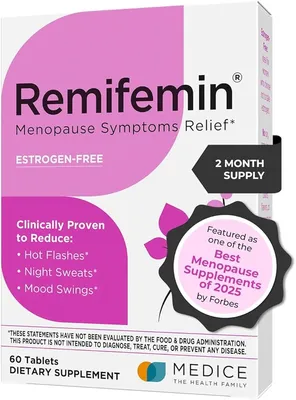
Remifemin Black Cohosh
Best overall — the most clinically studied menopause supplement with consistent evidence for reducing hot flash frequency and severity.
- Most-studied black cohosh extract (iCR) with 60+ clinical trials
- Specifically standardized for triterpene glycosides
- Non-estrogenic — safe for women with estrogen-sensitive conditions
The best menopause supplement for most women over 50 is Remifemin Black Cohosh, which uses the iCR extract — the most clinically studied black cohosh formulation, backed by over 60 clinical trials. It consistently reduces hot flash frequency by 26-50% without estrogenic activity, making it safe for women with estrogen-sensitive health histories. For women who need a completely hormone-free approach, Bonafide Relizen (purified Swedish flower pollen) offers strong clinical support and is specifically recommended by OB/GYNs for breast cancer survivors.
We spent six weeks reviewing clinical research, consulting menopause specialists, and evaluating supplements based on clinical evidence, safety profile, third-party testing, and real-world effectiveness. Here are the five that met our standards — along with the honest context you need to make a good decision.
Important: Menopause is a natural transition, not a disease. These supplements may help manage symptoms, but they are not a replacement for medical care. If your symptoms are significantly affecting your quality of life, talk to your doctor about all available options — including hormone replacement therapy (HRT), which remains the most effective treatment for moderate to severe symptoms. A supplement can be part of your strategy, but your doctor should know about everything you’re taking.
Key Takeaways
- Remifemin Black Cohosh (iCR extract) — the most-studied menopause supplement, backed by 60+ clinical trials
- 26-50% reduction in hot flash frequency across multiple randomized controlled trials of black cohosh
- 8-12 weeks to full effect — don’t judge any menopause supplement before 8 weeks of consistent daily use
- Bonafide Relizen (purified Swedish flower pollen) is the strongest hormone-free option — safe for breast cancer survivors and women on tamoxifen
- Phytoestrogens (soy, red clover) have weaker evidence and are not recommended for estrogen-sensitive conditions
- Always discuss with your prescribing doctor before combining any supplement with HRT
Understanding Menopause Symptoms After 50
Menopause — defined as 12 consecutive months without a period — arrives at an average age of 51. But the hormonal shifts that cause symptoms often begin years earlier during perimenopause and can continue well into your 50s and 60s.
The core issue is declining estrogen. Your ovaries gradually produce less estradiol (the primary form of estrogen), and this decline ripples through multiple body systems. Understanding which symptoms you’re dealing with helps you choose the right supplement.
Hot flashes and night sweats are the hallmark symptoms, affecting 75-80% of menopausal women. They happen because falling estrogen narrows your thermoregulatory zone — the temperature range your brain considers “normal.” Small fluctuations that your body used to handle effortlessly now trigger a full cooling response: blood vessels dilate, you flush, you sweat. At night, this becomes drenching night sweats that wreck your sleep.
Sleep disruption goes beyond night sweats. Estrogen and progesterone both influence sleep architecture. Their decline can cause difficulty falling asleep, frequent waking, and less time in the deep, restorative sleep stages. A 2015 study in the Journal of Clinical Sleep Medicine found that perimenopausal and postmenopausal women are significantly more likely to report sleep disturbances than premenopausal women.
Mood changes — including irritability, anxiety, and depressive episodes — affect roughly 20-40% of women during the menopause transition. Estrogen modulates serotonin and other neurotransmitters. When estrogen drops, the mood-regulating system can become less stable, especially in women who’ve experienced premenstrual mood sensitivity or postpartum depression.
Brain fog and memory lapses are real, not imagined. A 2012 study in Menopause confirmed that women in the menopausal transition show measurable declines in verbal memory and processing speed. The good news: these changes are typically temporary and tend to stabilize in postmenopause.
Vaginal dryness and changes in sexual health affect up to 50% of postmenopausal women. This is driven primarily by local estrogen loss in vaginal tissue. Most oral supplements don’t effectively address this — vaginal estrogen or moisturizers are more direct solutions, which your doctor can discuss with you.
Supplements vs. HRT: Understanding Your Options
Before diving into our picks, let’s address the elephant in the room: hormone replacement therapy.
HRT is the most effective treatment for menopause symptoms, particularly hot flashes and night sweats. Modern HRT (using bioidentical estradiol and micronized progesterone) has a more favorable safety profile than older formulations, and the North American Menopause Society supports its use for symptomatic women under 60 or within 10 years of menopause onset.
So why consider supplements? Several legitimate reasons:
Personal preference. Some women prefer to try natural approaches first, and that’s a valid choice — especially for mild to moderate symptoms.
Medical contraindications. Women with a history of breast cancer, blood clots, stroke, or certain liver conditions may not be candidates for HRT. Supplements can fill an important gap for these women.
Mild symptoms. If your hot flashes are manageable and your main concern is occasional sleep disruption or mood changes, supplements may provide enough relief without the commitment and monitoring that HRT requires.
Bridge strategy. Some women use supplements while deciding about HRT or during the transition to or from hormone therapy.
The honest truth: supplements generally provide more modest relief than HRT. If your symptoms are severe — multiple hot flashes per hour, drenching night sweats every night, significant mood disruption — talk to your doctor about HRT as a primary approach. Supplements shine brightest for mild to moderate symptoms.
Our Top Picks Compared
1. Remifemin Black Cohosh — Best Overall
Remifemin uses the iCR (isopropanolic Cimicifuga racemosa) extract of black cohosh — and that distinction is critical. Generic “black cohosh” supplements vary wildly in composition, but the iCR extract has been specifically standardized and studied in over 60 clinical trials since the 1950s.
How it works: Here’s what makes black cohosh fascinating — it does not work the way scientists originally thought. Early researchers assumed it was a phytoestrogen that mimicked estrogen. More recent research has shown that black cohosh does not bind estrogen receptors. The current leading hypothesis is that it works through serotonergic pathways — influencing serotonin receptors that regulate body temperature and mood. It may also affect dopaminergic activity. This non-estrogenic mechanism is why it’s considered safe for women with estrogen-sensitive conditions.
The evidence: A 2010 meta-analysis in the journal Menopause found that black cohosh produced a 26% greater reduction in hot flash composite scores compared to placebo. Individual iCR trials have shown reductions in hot flash frequency of up to 50% by week 12. The German Commission E — Germany’s regulatory authority for herbal medicine — has approved black cohosh for menopausal symptoms since 1989, and the European Medicines Agency grants it “well-established use” status.
A 2012 Cochrane review acknowledged some benefit but noted variability in study quality and extract types. This is exactly why the specific extract matters — studies using standardized iCR show more consistent results than those using generic black cohosh products.
Dosing: 20mg standardized extract twice daily (the dose used in most clinical trials). Take it with food. Allow a full 8-12 weeks before judging effectiveness — many women notice initial improvement by week 4, but the full benefit builds over time.
Safety: The liver toxicity scare from the mid-2000s has been largely resolved. The World Health Organization and European Medicines Agency conducted thorough reviews and found no causal link between black cohosh and liver damage. The cases that raised alarm involved patients with pre-existing liver conditions or concurrent use of hepatotoxic medications. That said, if you take medications that affect the liver (statins, acetaminophen regularly, certain antifungals), mention black cohosh to your doctor so they can monitor appropriately.
Who it’s best for: Women whose primary complaint is hot flashes and night sweats, especially those who can’t or prefer not to use hormonal approaches. The non-estrogenic mechanism makes it a strong choice for breast cancer survivors, though Relizen (below) has even more explicit data in this population.
2. Bonafide Relizen — Best Non-Hormonal for Hot Flashes
Relizen takes a completely different approach. Its active ingredient is a purified cytoplasmic pollen extract derived from Swedish flower pollen (PI 82, GC Fem). This has nothing to do with bee pollen or phytoestrogens — it’s a specific pollen extract processed to remove the allergenic outer shell.
How it works: The mechanism isn’t fully understood, but clinical research suggests the pollen extract may work through serotonin pathways and thermoregulation, independent of any hormonal activity. Multiple studies have confirmed that Relizen has zero estrogenic activity, which is why it’s specifically recommended for breast cancer survivors — a population that typically cannot use phytoestrogen supplements.
The evidence: A 2015 randomized, placebo-controlled trial found that the pollen extract reduced hot flash severity and improved quality of life in menopausal women. The product has been available in Europe for over 15 years (sold as Serelys) and is recommended by a growing number of OB/GYNs in the United States.
Dosing: Two tablets daily (one in the morning, one in the evening), taken with food. Most women begin noticing improvement within 4-8 weeks.
Who it’s best for: Breast cancer survivors on tamoxifen or aromatase inhibitors, women with a strong family history of estrogen-sensitive cancers, and anyone who wants absolute certainty that their supplement has no hormonal activity whatsoever. The higher price ($35/month) is justified by the unique safety profile for these populations.
3. Nature’s Way Evening Primrose Oil 1300mg — Best for Multiple Symptoms
Evening primrose oil is one of the most popular menopause supplements worldwide, and while the clinical evidence is more mixed than for black cohosh, it offers something the others don’t: support for multiple symptom categories beyond hot flashes.
How it works: Evening primrose oil is rich in gamma-linolenic acid (GLA), an omega-6 fatty acid that your body converts to prostaglandins — compounds that regulate inflammation, pain, and hormonal balance. GLA may support estrogen receptor sensitivity and modulate inflammatory pathways involved in hot flashes.
The evidence: Research on evening primrose oil for hot flashes is mixed. A 2013 study in Archives of Gynecology and Obstetrics found that 500mg of EPO daily for 6 weeks significantly reduced hot flash severity, frequency, and duration compared to placebo. However, other trials have shown more modest or inconsistent results. Where evening primrose oil shows more consistent benefit is for breast tenderness (cyclical mastalgia) and skin hydration — both common concerns during menopause.
Dosing: 1,300mg daily (one softgel) taken with a meal. Nature’s Way uses cold-pressed extraction, which preserves the integrity of the fatty acids. Some women take up to 2,600mg (two softgels) for more significant symptoms.
Safety: Evening primrose oil may increase bleeding risk in women taking blood thinners (warfarin, aspirin, clopidogrel). It can also lower the seizure threshold, so women with epilepsy should avoid it. Discuss with your doctor before starting if you take any blood-thinning medications.
Who it’s best for: Women dealing with a combination of hot flashes, breast tenderness, and dry skin who want one affordable supplement to address multiple concerns. At under $15 per month, it’s the most budget-friendly option on this list. Set realistic expectations — it’s unlikely to match black cohosh for pure hot flash reduction, but the broader symptom support makes it a practical choice.
4. Promensil Red Clover — Best Isoflavone Supplement
Red clover isoflavones represent the phytoestrogen approach to menopause — using plant compounds that weakly mimic estrogen in the body. Promensil is the most-studied red clover product on the market, with research conducted at Monash University and other institutions.
How it works: Red clover contains four key isoflavones: genistein, daidzein, biochanin A, and formononetin. These compounds bind to estrogen receptors (particularly the beta receptor) at roughly 1/100th to 1/1,000th the strength of human estrogen. This weak binding provides a mild estrogenic effect that may help compensate for the body’s declining estrogen production. Biochanin A and formononetin are unique to red clover — they’re not found in soy — and are converted to genistein and daidzein in the body, providing a broader isoflavone profile.
The evidence: A 2009 meta-analysis in Maturitas found that red clover isoflavones significantly reduced hot flash frequency compared to placebo. A Monash University trial specifically using Promensil found meaningful reductions in menopausal symptoms over 12 weeks. Some research also suggests potential benefits for bone mineral density and cardiovascular markers — though these are secondary findings that need more investigation.
Dosing: One tablet daily (40mg or 80mg standardized isoflavones, depending on the formulation). Take with a meal. Red clover isoflavones can take 12 or more weeks to reach full effect — patience is essential.
Safety — and an important distinction: Because red clover isoflavones have estrogenic activity, they are not recommended for women with a history of estrogen-receptor-positive breast cancer or other estrogen-sensitive conditions unless cleared by their oncologist. This is the key difference between red clover and black cohosh or Relizen. For women without estrogen-sensitive conditions, the phytoestrogen activity is generally considered safe and may even provide protective benefits. Discuss with your doctor, especially if you have a family history of hormone-sensitive cancers.
Who it’s best for: Women whose doctors have confirmed they can safely take phytoestrogens, who are looking for a natural approach that gently supplements declining estrogen levels. The potential bone density benefits make it worth discussing with your doctor if osteoporosis risk is a concern alongside menopause symptoms.
5. Gaia Herbs Women’s Liberation — Best Herbal Blend
Menopause rarely presents as just one symptom. Hot flashes, mood changes, and sleep disruption often travel as a package. Gaia Herbs Women’s Liberation is designed to address this triad with a multi-herb formula — and unlike some blends, its individual ingredients each have meaningful research behind them.
How it works: The formula combines three targeted herbs. St. John’s wort (Hypericum perforatum) is one of the most-studied herbs for mood support, with multiple meta-analyses confirming its effectiveness for mild to moderate depression — including studies specifically in menopausal women. Black cohosh addresses hot flashes and night sweats through the mechanisms discussed above. Passionflower (Passiflora incarnata) supports sleep quality by modulating GABA activity.
The evidence: A 2006 study in Obstetrics & Gynecology found that the combination of St. John’s wort and black cohosh significantly improved menopause symptoms — particularly the mood and psychological aspects — compared to placebo. This is notable because most menopause supplements only address vasomotor symptoms (hot flashes), leaving mood and sleep unaddressed.
Dosing: Two capsules daily taken with food. Allow 4-6 weeks for the mood-supportive effects of St. John’s wort and 8-12 weeks for the full black cohosh benefit.
Critical safety warning: St. John’s wort is a potent enzyme inducer. It accelerates the liver’s metabolism of many common medications, potentially reducing their effectiveness. This includes birth control pills, blood thinners (warfarin), antidepressants (SSRIs, SNRIs), blood pressure medications, immunosuppressants, and many others. If you take any prescription medications, you must discuss St. John’s wort with your doctor or pharmacist before starting this supplement. This interaction risk is the main limitation of an otherwise excellent formula.
Who it’s best for: Women dealing with the mood-hot flash-sleep triad who are not taking medications that interact with St. John’s wort. If your primary complaint is feeling emotionally off-balance alongside hot flashes and poor sleep, this combination addresses the full picture in one supplement.
Approaches We Evaluated but Don’t Recommend
Not every popular menopause supplement made our list. Here’s what we passed on and why:
Dong quai. Despite its long history in traditional Chinese medicine, systematic reviews have found no convincing evidence that dong quai effectively reduces menopausal symptoms when used alone. It may also increase bleeding risk.
Wild yam cream. Marketed as a “natural progesterone” source, wild yam contains diosgenin — which your body cannot convert to progesterone. The conversion requires laboratory processing. Wild yam cream products that actually work contain synthetic progesterone added during manufacturing, which should be clearly labeled. Pure wild yam extract for menopause is not supported by evidence.
Vitex (chasteberry). While useful for premenstrual symptoms and menstrual irregularities in younger women, vitex works primarily on the pituitary gland to influence progesterone. Its mechanism is less relevant in postmenopausal women whose ovarian hormone production has already declined.
Building Your Menopause Supplement Strategy
Choosing the right supplement depends on your symptom profile, health history, and what you’ve already tried. Here’s a practical framework:
If hot flashes are your primary concern: Start with Remifemin Black Cohosh. It has the strongest evidence for vasomotor symptoms and the most favorable safety profile for the broadest range of women.
If you’re a breast cancer survivor or on hormone-blocking medications: Bonafide Relizen is your safest and best-studied option. Its confirmed zero estrogenic activity makes it uniquely appropriate for this population.
If you’re dealing with mood, sleep, and hot flashes together (and don’t take interacting medications): Gaia Herbs Women’s Liberation addresses the full symptom cluster.
If you want a phytoestrogen approach (after discussing with your doctor): Promensil Red Clover offers the most researched isoflavone product on the market.
If you have multiple symptoms including skin dryness and breast tenderness: Nature’s Way Evening Primrose Oil covers the broadest range of symptoms at the lowest price.
Beyond supplements, these evidence-based strategies can amplify your results:
- Regular exercise — even 30 minutes of moderate activity most days — is associated with reduced hot flash severity
- Stress management through mindfulness, yoga, or deep breathing can meaningfully reduce symptom frequency
- Layered clothing and keeping your bedroom cool (65-68 degrees F) provide immediate practical relief
- Limiting triggers — alcohol, caffeine, spicy foods, and hot beverages can provoke hot flashes in some women
Frequently Asked Questions
Do menopause supplements actually work? Some do, with caveats. Black cohosh (specifically the iCR extract in Remifemin) has the strongest evidence, with multiple randomized controlled trials showing 26-50% reduction in hot flash frequency. Red clover isoflavones and purified pollen extract (Relizen) also have clinical support. However, results vary between women, most supplements take 8-12 weeks to reach full effect, and none will eliminate symptoms entirely. The supplements with real evidence behind them can meaningfully reduce the intensity and frequency of symptoms for many women.
Are menopause supplements safe to take with HRT? This depends on the supplement. Black cohosh does not appear to have estrogenic activity and is generally considered compatible with HRT, though you should confirm with your prescribing doctor. Phytoestrogen supplements like red clover and soy isoflavones have weak estrogen-like effects and should be discussed with your doctor before combining with hormone therapy. Never add supplements to an HRT regimen without your doctor’s knowledge — they need the full picture to manage your care safely.
How long do menopause supplements take to work? Most menopause supplements need 8-12 weeks of consistent daily use before you can judge their effectiveness. Black cohosh trials typically show meaningful improvement by week 8, with continued benefit through week 12. Phytoestrogen supplements like red clover may take even longer. If you’ve taken a supplement consistently for 12 weeks with no noticeable improvement, it’s reasonable to try a different approach. Don’t give up after two weeks — that’s not enough time.
What is the difference between phytoestrogens and black cohosh? Phytoestrogens (found in soy, red clover, and hops) are plant compounds that weakly bind to estrogen receptors in your body, partially mimicking estrogen’s effects. Black cohosh was once thought to work the same way, but research has shown it does not bind estrogen receptors. Its mechanism is still being studied — it may work through serotonin receptors or other pathways entirely. This distinction matters: phytoestrogens may not be appropriate for women with estrogen-sensitive conditions, while black cohosh is generally considered safe in those situations.
Should I take menopause supplements or ask my doctor about HRT? This is a personal decision that depends on symptom severity, health history, and your comfort level. Hormone replacement therapy (HRT) is the most effective treatment for moderate to severe menopause symptoms and has additional benefits for bone health and cardiovascular risk when started early in menopause. Supplements are reasonable for mild to moderate symptoms, for women who can’t take HRT due to medical contraindications, or as a first step while you consider your options. Talk to your doctor about both — a good physician will help you weigh the benefits and risks for your specific situation.
The Bottom Line
Menopause is a natural part of life — not something to “fix,” but something you can navigate more comfortably with the right support. Remifemin Black Cohosh is the best starting point for most women, backed by decades of research on the specific iCR extract. Give it a full 12 weeks, track your symptoms in a journal so you can measure real changes rather than relying on memory, and adjust from there.
For breast cancer survivors or women who need absolute certainty about hormonal safety, Bonafide Relizen is the clear choice. And if your symptoms extend beyond hot flashes into mood and sleep territory, Gaia Herbs Women’s Liberation addresses the full picture — just check your medication list for St. John’s wort interactions first.
Whatever you choose, consult your doctor before starting any new supplement. Bring this article if it helps start the conversation. Your doctor needs to know what you’re taking, and they can help you decide whether supplements, HRT, or a combination is the right approach for your specific situation.
For related reading, see Best Supplements for Hot Flashes and Perimenopause Symptoms and Supplements.
All Products We Reviewed
- Most-studied black cohosh extract (iCR) with 60+ clinical trials
- Specifically standardized for triterpene glycosides
- Non-estrogenic — safe for women with estrogen-sensitive conditions
- Affordable at roughly $0.30 per day
- Takes 8-12 weeks for full effect
- Works primarily for hot flashes and night sweats — less evidence for mood or sleep
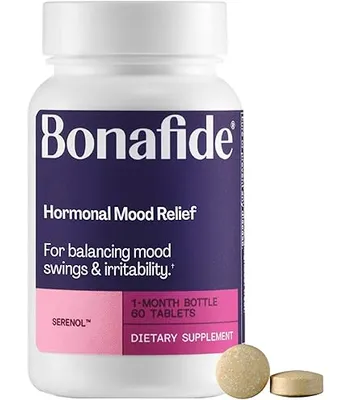
- Completely hormone-free (purified Swedish flower pollen)
- Clinically studied with OB/GYN recommendation
- Safe for breast cancer survivors and women on tamoxifen
- Works through a non-hormonal pathway
- More expensive than black cohosh options
- Less widely available — primarily online or through healthcare providers
- Addresses multiple symptoms: hot flashes, breast tenderness, skin dryness
- Rich in GLA (gamma-linolenic acid) for inflammation support
- Cold-pressed extraction preserves oil quality
- Very affordable at under $0.25 per day
- Clinical evidence for hot flash reduction is mixed
- May interact with blood thinners — consult your doctor
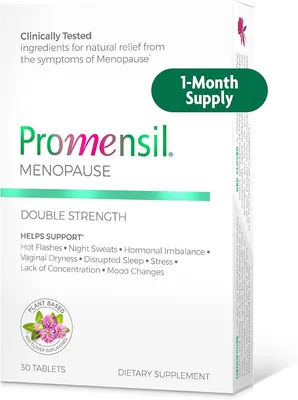
- Standardized for four key isoflavones (genistein, daidzein, biochanin A, formononetin)
- Supported by Monash University research
- Phytoestrogen approach may benefit bone density alongside symptom relief
- Well-studied specific product (not generic red clover)
- Phytoestrogen activity means it's not suitable for all women
- Takes 12+ weeks for optimal results
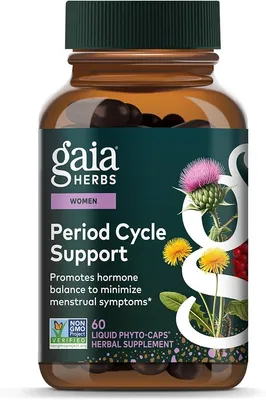
- Multi-herb formula targeting mood, hot flashes, and sleep together
- Combines St. John's wort, black cohosh, and passionflower
- Gaia's Purity-Tested program with full traceability
- Certified B Corp with transparent sourcing
- St. John's wort interacts with many common medications
- Multi-herb blends make it harder to identify which ingredient helps
Frequently Asked Questions
Do menopause supplements actually work?
Some do, with caveats. Black cohosh (specifically the iCR extract in Remifemin) has the strongest evidence, with multiple randomized controlled trials showing 26-50% reduction in hot flash frequency. Red clover isoflavones and purified pollen extract (Relizen) also have clinical support. However, results vary between women, most supplements take 8-12 weeks to reach full effect, and none will eliminate symptoms entirely. The supplements with real evidence behind them can meaningfully reduce the intensity and frequency of symptoms for many women.
Are menopause supplements safe to take with HRT?
This depends on the supplement. Black cohosh does not appear to have estrogenic activity and is generally considered compatible with HRT, though you should confirm with your prescribing doctor. Phytoestrogen supplements like red clover and soy isoflavones have weak estrogen-like effects and should be discussed with your doctor before combining with hormone therapy. Never add supplements to an HRT regimen without your doctor's knowledge — they need the full picture to manage your care safely.
How long do menopause supplements take to work?
Most menopause supplements need 8-12 weeks of consistent daily use before you can judge their effectiveness. Black cohosh trials typically show meaningful improvement by week 8, with continued benefit through week 12. Phytoestrogen supplements like red clover may take even longer. If you've taken a supplement consistently for 12 weeks with no noticeable improvement, it's reasonable to try a different approach. Don't give up after two weeks — that's not enough time.
What is the difference between phytoestrogens and black cohosh?
Phytoestrogens (found in soy, red clover, and hops) are plant compounds that weakly bind to estrogen receptors in your body, partially mimicking estrogen's effects. Black cohosh was once thought to work the same way, but research has shown it does not bind estrogen receptors. Its mechanism is still being studied — it may work through serotonin receptors or other pathways entirely. This distinction matters: phytoestrogens may not be appropriate for women with estrogen-sensitive conditions, while black cohosh is generally considered safe in those situations.
Should I take menopause supplements or ask my doctor about HRT?
This is a personal decision that depends on symptom severity, health history, and your comfort level. Hormone replacement therapy (HRT) is the most effective treatment for moderate to severe menopause symptoms and has additional benefits for bone health and cardiovascular risk when started early in menopause. Supplements are reasonable for mild to moderate symptoms, for women who can't take HRT due to medical contraindications, or as a first step while you consider your options. Talk to your doctor about both — a good physician will help you weigh the benefits and risks for your specific situation.