
Best Supplements for Hot Flashes and Night Sweats (2026)
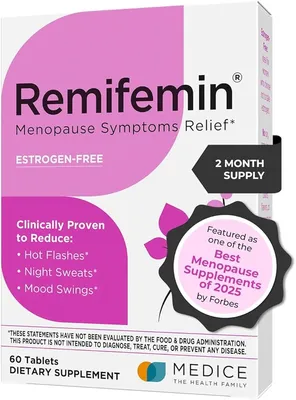
Remifemin Black Cohosh
Best overall — the most clinically studied and consistently effective supplement for hot flash reduction.
- Gold-standard iCR extract studied in 60+ clinical trials
- 26-50% reduction in hot flash frequency in published research
- Non-estrogenic — works through serotonin pathways
The best supplement for hot flashes is Remifemin Black Cohosh, which uses the iCR extract — the most clinically studied black cohosh formulation with over 60 published trials. Research consistently shows 26-50% reduction in hot flash frequency, and it works through non-hormonal pathways (likely serotonin modulation, not estrogen activity). For women who need confirmed zero estrogenic activity — especially breast cancer survivors on tamoxifen or aromatase inhibitors — Bonafide Relizen is the safest and best-supported choice.
We reviewed dozens of clinical trials, three Cochrane and systematic reviews, and the recommendations of the North American Menopause Society and European Medicines Agency to identify the four hot flash supplements with the strongest evidence. Here’s what actually works, what the research really shows, and what you should realistically expect.
Important: Hot flashes that are severe, suddenly worsen, or appear outside the typical menopause window should be evaluated by your doctor. Rarely, hot flashes can signal thyroid dysfunction, certain medications’ side effects, or other conditions. If your hot flashes significantly impact your daily life, ask your doctor about all treatment options — including prescription approaches that may provide faster, more complete relief than supplements alone.
What Actually Causes Hot Flashes
Understanding the mechanism helps you understand why certain supplements work and others don’t.
Hot flashes happen because declining estrogen narrows your thermoregulatory zone — the range of core body temperatures your hypothalamus considers “normal.” In premenopausal women, this zone is about 0.4 degrees Celsius wide. During menopause, it can narrow to nearly zero.
This means a tiny increase in core temperature — from a warm room, a hot drink, or even mild stress — that your body would normally ignore now triggers a full-blown cooling response. Blood vessels near the skin dilate rapidly (you flush red). Sweat glands activate. Heart rate increases. Your body is urgently trying to dump heat it mistakenly perceives as dangerous. The whole episode typically lasts 1-5 minutes, but the aftereffects — chills, fatigue, anxiety — can linger much longer.
At night, the same mechanism produces drenching sweats that wake you up, soak your sheets, and destroy sleep quality. Up to 75-80% of menopausal women experience hot flashes, and about half report that the episodes significantly interfere with daily life.
The neurotransmitter serotonin plays a central role in thermoregulation, which is why both prescription treatments (SSRIs, SNRIs) and certain supplements (black cohosh) that modulate serotonin activity can help. Estrogen also modulates serotonin receptor sensitivity, which is one reason why HRT is so effective — it addresses the upstream hormonal cause.
What Supplements Can Realistically Do
Let’s set honest expectations before getting to our picks.
Supplements for hot flashes generally reduce frequency by 26-50% and lessen the severity of episodes that still occur. That means if you’re having 10 hot flashes per day, a good supplement might bring that down to 5-7, and those remaining episodes may be shorter and less intense.
Compare that to hormone replacement therapy, which typically reduces hot flashes by 75-90% — often within 2-4 weeks. For mild to moderate hot flashes (a few per day, manageable intensity), supplements can provide meaningful relief. For severe symptoms (hourly hot flashes, drenching night sweats nightly), supplements alone may not be sufficient, and a conversation with your doctor about prescription options is warranted.
The timeline matters too. Most hot flash supplements need 8-12 weeks of daily use before you can fairly judge their effectiveness. This is very different from popping an Advil for a headache. The mechanism of action requires your body to gradually adapt, so patience is essential.
Our Top Picks Compared
1. Remifemin Black Cohosh — Best Overall
If you only try one hot flash supplement, make it this one. Remifemin’s iCR (isopropanolic Cimicifuga racemosa) extract is the single most-studied natural product for menopausal hot flashes, with a clinical research history stretching back decades.
Why the extract matters: Walk into a pharmacy and you’ll find dozens of “black cohosh” supplements. They are not all the same. Black cohosh extracts differ in plant part used, solvent for extraction, standardization, and chemical composition. The iCR extract used in Remifemin is standardized for triterpene glycosides and is the only extract with consistent positive results across multiple randomized controlled trials. Buying generic black cohosh and expecting Remifemin-like results is like buying a random fish oil and expecting Nordic Naturals quality — the name on the label is the same, but the product inside may be very different.
The evidence: The 2010 meta-analysis in Menopause that analyzed black cohosh trials found a 26% greater reduction in hot flash composite scores versus placebo. Individual iCR studies have shown even better results — a 2005 trial published in Obstetrics & Gynecology demonstrated that the iCR extract reduced menopausal symptom scores by approximately 50% over 12 weeks. The German Commission E has approved black cohosh for menopausal complaints since 1989, and the European Medicines Agency grants it “well-established use” status based on decades of clinical experience.
How it works: Contrary to early assumptions, black cohosh does not act as a phytoestrogen. It does not bind estrogen receptors. Current research suggests it modulates serotonin receptors (particularly 5-HT1A and 5-HT7), which directly influence thermoregulation. It may also affect dopaminergic pathways. This non-estrogenic mechanism is reassuring for safety — it means black cohosh does not stimulate estrogen-sensitive tissues.
Dosing: 20mg standardized extract twice daily with food. The most common mistake is underdosing or giving up too soon. Commit to the full dose for a full 12 weeks before deciding whether it works for you.
Who it’s best for: The majority of women with mild to moderate hot flashes who want the most evidence-backed natural option. Its non-estrogenic mechanism makes it appropriate for a wide range of women, including many breast cancer survivors (though Relizen has more explicit data in that population).
2. Bonafide Relizen — Best Hormone-Free Option
Relizen (formerly marketed as Serelys in Europe) uses purified cytoplasmic pollen extract — a completely different approach from either herbal or phytoestrogen supplements. It has been used in Scandinavia for over 15 years and is gaining traction in the U.S. through OB/GYN recommendations.
How it works: The purified pollen extract (PI 82, GC Fem) appears to work through non-hormonal pathways affecting thermoregulation and serotonin activity. Importantly, multiple studies have confirmed that it has absolutely zero estrogenic activity. This isn’t just “probably non-estrogenic” — it has been specifically tested and confirmed to not bind estrogen receptors or stimulate estrogen-dependent tissues.
The evidence: Clinical studies show that Relizen reduces hot flash severity and improves quality of life measures in menopausal women. A randomized controlled trial published in Complementary Therapies in Medicine found significant improvement in hot flash intensity and menopause-related quality of life. European clinical experience over 15 years provides additional real-world safety data.
Dosing: Two tablets daily — one morning, one evening — taken with food. Most women see improvement within 4-8 weeks.
Who it’s best for: This supplement fills a critical gap for breast cancer survivors on tamoxifen or aromatase inhibitors, women with BRCA mutations, and anyone who wants absolute certainty that their hot flash supplement has no hormonal activity. The $35/month price tag is higher than black cohosh, but for women in these populations, the confirmed safety profile is worth every penny.
3. NOW Soy Isoflavones — Best Budget Phytoestrogen
Soy isoflavones are the most widely studied phytoestrogens for hot flashes, with decades of research stemming from the observation that Japanese women — who consume significantly more soy — report far lower rates of hot flashes than Western women.
How it works: Soy isoflavones (primarily genistein and daidzein) bind weakly to estrogen receptors, particularly the estrogen receptor beta (ER-beta). This provides a mild estrogenic effect that partially compensates for declining natural estrogen. However, there’s a catch: the effectiveness depends partly on your gut microbiome. Some women’s gut bacteria convert daidzein into equol — a more potent estrogen-like compound — and these “equol producers” tend to get better results from soy isoflavones. Roughly 30-50% of Western women are equol producers, compared to 50-60% of Asian women.
The evidence: A 2012 meta-analysis in Menopause analyzing 19 trials found that soy isoflavones reduced hot flash frequency by 20.6% and severity by 26.2% compared to placebo. These are modest but meaningful numbers. A 2015 Cochrane review reached similar conclusions, noting that soy isoflavone supplements providing at least 75mg of isoflavones daily showed the most consistent benefit.
Dosing: Take as directed on the label (typically 1-2 capsules daily with a meal). NOW standardizes their product for genistein and daidzein content.
Safety: Soy isoflavones are phytoestrogens. Women with estrogen-receptor-positive breast cancer, endometriosis, or uterine fibroids should consult their oncologist or gynecologist before use. For women without these conditions, moderate soy isoflavone intake is generally considered safe — population studies of Asian women with high lifelong soy consumption show no increased cancer risk.
Who it’s best for: Budget-conscious women without estrogen-sensitive conditions who want to try the phytoestrogen approach. At under $14/month, it’s the most affordable option for a 12-week trial. If you don’t see meaningful improvement after 12 weeks, you may not be an efficient equol producer, and switching to a non-phytoestrogen approach (black cohosh, Relizen) is reasonable.
4. Life Extension Natural Estrogen — Best Multi-Pathway Formula
While single-ingredient supplements let you pinpoint what works, some women respond better to a formula that approaches hot flashes from multiple angles. Life Extension’s Natural Estrogen combines three phytoestrogen sources that act through different pathways.
How it works: The formula includes hops extract (providing 8-prenylnaringenin, one of the most potent known phytoestrogens), pomegranate extract (which contains ellagitannins that your gut bacteria convert to urolithins with estrogenic activity), and lignans (phytoestrogens found in flaxseed that are converted to enterolignans). By combining multiple phytoestrogen types that bind estrogen receptors through different mechanisms, the formula aims to provide broader and more consistent estrogenic support than any single source alone.
The evidence: 8-prenylnaringenin from hops has shown promising results in clinical trials for menopausal symptoms, though the research base is smaller than for soy or black cohosh. Pomegranate and lignan research for menopause is earlier-stage. The rationale for combining them is sound from a pharmacological perspective, but the specific combination has not been studied as a finished product in large clinical trials.
Dosing: One tablet daily with food. Life Extension uses third-party testing for every batch.
Safety: Like all phytoestrogen products, this requires doctor clearance for women with estrogen-sensitive conditions. The multi-ingredient formula also makes it slightly harder to identify if one component causes a side effect.
Who it’s best for: Women who have tried single-ingredient phytoestrogens (soy or red clover alone) without adequate relief and want to try a broader approach. The combination of hops, pomegranate, and lignans provides phytoestrogen diversity that single-source products don’t offer.
Lifestyle Strategies That Make Supplements Work Better
Supplements work best as part of a broader strategy. These evidence-based approaches can reduce hot flash frequency and intensity on their own — and amplify the benefit of whatever supplement you choose.
Identify and avoid your triggers. Keep a hot flash diary for two weeks, noting what you ate, drank, wore, and did before each episode. Common triggers include alcohol (especially red wine), caffeine, spicy foods, hot beverages, warm environments, and stress. Eliminating even one or two major triggers can noticeably reduce frequency.
Dress in layers. It sounds simple, but moisture-wicking base layers and easily removable outer layers give you immediate temperature control. Cotton breathes better than synthetic fabrics for most women.
Keep your bedroom cool. Set the thermostat to 65-68 degrees F at night. Use moisture-wicking sheets and keep a fan nearby. Cold water on the nightstand helps during night sweats.
Exercise regularly. A 2016 study in Menopause found that regular moderate-intensity exercise was associated with reduced hot flash severity. The benefit may come from improved thermoregulation, reduced stress hormones, or both. Aim for 30 minutes most days — brisk walking counts.
Practice stress management. Stress directly triggers hot flashes through cortisol’s effect on thermoregulation. Cognitive behavioral therapy, mindfulness meditation, and deep breathing exercises have all been shown to reduce hot flash frequency and the distress they cause.
Maintain a healthy weight. Body fat acts as insulation that traps heat, and adipose tissue is metabolically active in ways that can worsen hot flashes. Women at a healthy weight tend to report fewer and less severe episodes.
When to Talk to Your Doctor
Supplements are a reasonable first step for mild to moderate hot flashes. But make an appointment with your doctor if:
- Hot flashes are severe enough to disrupt your work, relationships, or sleep most days
- You’re having more than 7-10 hot flashes per day
- Night sweats are waking you multiple times every night
- You’ve tried two different supplements for 12 weeks each without meaningful improvement
- Hot flashes started suddenly, outside the typical perimenopause to menopause window
- You’re also experiencing heavy or irregular bleeding, pelvic pain, or unexplained weight changes
Your doctor can discuss prescription options including low-dose HRT, SSRIs/SNRIs (which reduce hot flashes through serotonin modulation), gabapentin, and the newer NK3 receptor antagonists. These options provide faster and more complete relief than supplements for moderate to severe symptoms.
Frequently Asked Questions
How long do hot flash supplements take to work? Most hot flash supplements need 8-12 weeks of consistent daily use before full effects are apparent. Black cohosh trials show initial improvement around week 4, with peak benefit by week 12. Phytoestrogen supplements may take even longer. This is one of the biggest sources of frustration — women try a supplement for two weeks, see no change, and move on. Give any supplement a full 12-week trial before deciding it doesn’t work for you.
Can supplements completely stop hot flashes? No supplement will completely eliminate hot flashes. The realistic expectation is a 26-50% reduction in frequency and a meaningful reduction in severity. Some women get more dramatic relief, while others see modest improvement. Even hormone replacement therapy — the most effective treatment — typically reduces hot flashes by 75-90%, not 100%. If a supplement claims to “eliminate” hot flashes, that’s a red flag.
Are hot flash supplements safe for breast cancer survivors? Some are, some aren’t. Bonafide Relizen (pollen extract) and black cohosh (non-estrogenic) are generally considered safe for breast cancer survivors. Phytoestrogen supplements like soy isoflavones and red clover have weak estrogenic activity and should be avoided or discussed with your oncologist. Always consult your oncology team before starting any supplement — they understand your specific cancer type and treatment plan.
What triggers hot flashes? Common triggers include alcohol, caffeine, spicy foods, hot beverages, stress, warm environments, tight clothing, and smoking. Triggers vary between women — keeping a hot flash diary for two weeks can help you identify your personal patterns. Some medications also trigger or worsen hot flashes, including certain antidepressants, opioids, and tamoxifen. Avoiding your triggers can reduce hot flash frequency alongside supplement use.
Do hot flashes ever stop on their own? Yes, for most women. The average duration of hot flashes is 7-10 years, though some women experience them for much longer. A Study of Women’s Health Across the Nation (SWAN) found the median total duration was 7.4 years. Hot flashes that begin during perimenopause tend to last longer than those that start after the final menstrual period. While waiting for them to resolve naturally is an option, most women prefer active management for quality of life.
The Bottom Line
For most women with hot flashes, Remifemin Black Cohosh is the best place to start. It’s the most studied, most affordable, and has a safety profile that works for the broadest range of women. Take 20mg twice daily with food, give it a full 12 weeks, and track your symptoms in a diary so you can measure real changes.
If you’re a breast cancer survivor or need confirmed zero estrogenic activity, Bonafide Relizen is the clear choice. If you want to try the phytoestrogen approach (after discussing with your doctor), NOW Soy Isoflavones offers the most affordable entry point, while Life Extension Natural Estrogen provides a multi-pathway approach for women who want broader phytoestrogen coverage.
And remember: consult your doctor before starting any supplement for hot flashes, especially if you take prescription medications. Bring your questions, be honest about how much your symptoms affect your daily life, and ask about all available options. The best approach is the one that matches your symptom severity, health history, and personal preferences.
For related reading, see Best Menopause Supplements and Does Black Cohosh Help With Menopause?.
All Products We Reviewed
- Gold-standard iCR extract studied in 60+ clinical trials
- 26-50% reduction in hot flash frequency in published research
- Non-estrogenic — works through serotonin pathways
- Affordable at under $0.30 per day
- Takes 8-12 weeks for full benefit
- Generic black cohosh products are not equivalent to the iCR extract
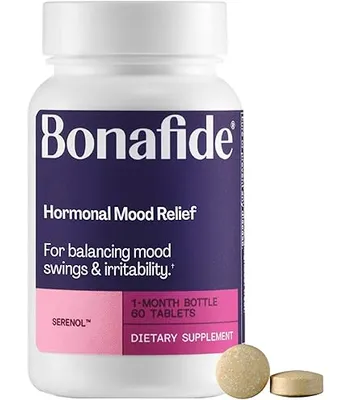
- Confirmed zero estrogenic activity — safe for breast cancer survivors
- Purified Swedish flower pollen with OB/GYN recommendation
- Non-hormonal, non-herbal approach
- Available for over 15 years in Europe as Serelys
- Higher price point than black cohosh
- Less widely studied than the iCR black cohosh extract
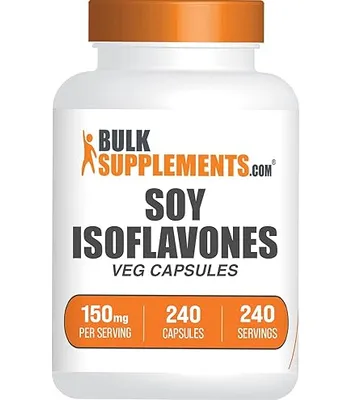
- Standardized genistein and daidzein content
- Budget-friendly phytoestrogen option at under $0.25 per day
- NOW uses third-party testing and GMP-certified facilities
- Phytoestrogen approach backed by multiple meta-analyses
- Not suitable for women with estrogen-sensitive conditions
- Effectiveness may depend on your gut microbiome's ability to convert isoflavones
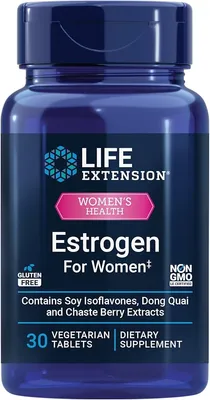
- Multi-pathway approach with hops, pomegranate, and lignans
- 8-prenylnaringenin from hops is one of the most potent known phytoestrogens
- Life Extension uses third-party testing for every batch
- Addresses hot flashes through multiple phytoestrogen sources
- Multiple active ingredients make it harder to isolate what works
- Phytoestrogen activity requires doctor clearance for some women
Frequently Asked Questions
How long do hot flash supplements take to work?
Most hot flash supplements need 8-12 weeks of consistent daily use before full effects are apparent. Black cohosh trials show initial improvement around week 4, with peak benefit by week 12. Phytoestrogen supplements may take even longer. This is one of the biggest sources of frustration — women try a supplement for two weeks, see no change, and move on. Give any supplement a full 12-week trial before deciding it doesn't work for you.
Can supplements completely stop hot flashes?
No supplement will completely eliminate hot flashes. The realistic expectation is a 26-50% reduction in frequency and a meaningful reduction in severity. Some women get more dramatic relief, while others see modest improvement. Even hormone replacement therapy — the most effective treatment — typically reduces hot flashes by 75-90%, not 100%. If a supplement claims to 'eliminate' hot flashes, that's a red flag.
Are hot flash supplements safe for breast cancer survivors?
Some are, some aren't. Bonafide Relizen (pollen extract) and black cohosh (non-estrogenic) are generally considered safe for breast cancer survivors. Phytoestrogen supplements like soy isoflavones and red clover have weak estrogenic activity and should be avoided or discussed with your oncologist. Always consult your oncology team before starting any supplement — they understand your specific cancer type and treatment plan.
What triggers hot flashes?
Common triggers include alcohol, caffeine, spicy foods, hot beverages, stress, warm environments, tight clothing, and smoking. Triggers vary between women — keeping a hot flash diary for two weeks can help you identify your personal patterns. Some medications also trigger or worsen hot flashes, including certain antidepressants, opioids, and tamoxifen. Avoiding your triggers can reduce hot flash frequency alongside supplement use.
Do hot flashes ever stop on their own?
Yes, for most women. The average duration of hot flashes is 7-10 years, though some women experience them for much longer. A Study of Women's Health Across the Nation (SWAN) found the median total duration was 7.4 years. Hot flashes that begin during perimenopause tend to last longer than those that start after the final menstrual period. While waiting for them to resolve naturally is an option, most women prefer active management for quality of life.