
Best Supplements for Menopause Mood & Anxiety
Jarrow Formulas KSM-66 Ashwagandha
Best overall for stress-driven anxiety — strongest evidence base for cortisol reduction and stress score improvements in midlife women.
- 300mg KSM-66 per capsule — most-studied ashwagandha extract
- 30-40% reduction in perceived stress scores in clinical trials
- Reduces cortisol 14-22%
Menopause mood swings and anxiety are real, physiological, and frequently dismissed.
Estrogen fluctuation destabilizes the neurotransmitter systems that regulate mood. Sleep disruption from night sweats compounds the problem. The HPA axis becomes more reactive — small stressors trigger outsized emotional responses. Many women describe feeling “not like themselves,” and they’re right.
This guide covers the supplements with real evidence, when to consider SSRIs and HRT instead, and how to stack interventions for the symptom pattern you actually have.
Key Takeaways
- Match supplement to symptom pattern: anxiety-dominant → magnesium + ashwagandha. Depression-dominant → omega-3 (EPA-heavy) + saffron.
- HRT has the strongest evidence for menopause-driven mood changes when started within 10 years of menopause onset.
- SSRIs outperform supplements for moderate-to-severe symptoms — don’t waste 6 months on supplements at clinical severity.
- Sleep fragmentation drives 50%+ of menopause anxiety — fix sleep first if night sweats are disrupting it.
- Foundational pick: magnesium glycinate 300-400mg evening + ashwagandha 600mg KSM-66 daily.
- Skip: kava (liver risk), high-dose St. John’s Wort with SSRIs, generic “mood support” proprietary blends.
The mechanisms behind menopause mood and anxiety
Three drivers, often overlapping.
1. Estrogen fluctuation.
Estrogen directly modulates:
- Serotonin synthesis and reuptake (relevant to depression).
- GABA receptor sensitivity (relevant to anxiety).
- Norepinephrine activity (relevant to alertness and emotional regulation).
- Dopamine signaling (relevant to motivation and reward).
Falling and erratic estrogen levels destabilize all four systems. The “perimenopause mood swings” pattern — where mood shifts dramatically within hours or days — reflects this neurotransmitter destabilization.
2. Sleep disruption.
Night sweats fragment sleep. Sleep deprivation independently:
- Elevates anxiety.
- Lowers baseline mood.
- Worsens emotional regulation.
- Increases cortisol output.
Many women describe their menopause anxiety as “I can’t handle anything when I haven’t slept” — and that’s biologically accurate. Fragmented sleep alone produces 30-50% increases in anxiety scores in adults.
3. HPA axis dysregulation.
The cortisol response system becomes more reactive during menopause. Cortisol spikes more easily, stays elevated longer, and resets more slowly. The result: small stressors trigger disproportionate emotional responses, and recovery from stress takes longer.
This three-mechanism model explains why “just supplement with magnesium” rarely fixes everything. Different supplements target different mechanisms; matching is what produces results.
Identify your dominant pattern
Before picking a supplement, identify which pattern dominates:
Anxiety-dominant:
- Racing thoughts, especially at night.
- Disproportionate worry about ordinary things.
- Heart racing or chest tightness without physical cause.
- Difficulty falling asleep due to thinking.
- Feeling “wired” or jumpy.
Best supplements: magnesium glycinate, ashwagandha, L-theanine.
Depression-dominant:
- Persistent low mood lasting weeks.
- Loss of interest in activities you used to enjoy.
- Fatigue and lack of motivation.
- Tearfulness without specific trigger.
- Feeling hopeless about the future.
Best supplements: omega-3 (EPA-heavy), saffron, vitamin D if deficient. SSRIs first-line for moderate-to-severe.
Stress/cortisol-pattern:
- Afternoon energy crashes.
- Wired-but-tired pattern at bedtime.
- Cortisol-belly weight gain.
- Tearfulness or rage episodes triggered by minor stressors.
- Sleep onset difficulty + early morning awakening.
Best supplements: ashwagandha, magnesium, phosphatidylserine.
Sleep-driven:
- Mood and anxiety track directly with sleep quality.
- Bad night = bad mood the next day, almost predictably.
- Hot flashes and night sweats fragment sleep.
- “I’m fine when I sleep well” pattern.
Best supplements: magnesium glycinate evening, hot flash management, address sleep architecture.
Most women have overlap across two or three patterns. Identify the dominant 1-2 and stack accordingly.
What works — supplement by supplement
1. Jarrow KSM-66 Ashwagandha — Best Overall for Stress-Driven Anxiety
Ashwagandha is the most-studied adaptogen for stress and anxiety, and KSM-66 is the most-studied ashwagandha extract.
Mechanism: Reduces HPA axis reactivity. Lowers cortisol output. Modulates GABA-A receptor activity. The combination addresses both the cortisol-driven physiological stress response and the GABA-driven anxiety experience.
Evidence: A 2019 study by Lopresti et al. in Medicine found KSM-66 600mg daily reduced cortisol 14-22% and improved Perceived Stress Scale scores by 30-40% over 8 weeks in stressed adults. A 2014 study by Chandrasekhar et al. found similar stress-reduction effects in chronically stressed adults.
Dosing: 600mg KSM-66 daily, divided into 300mg morning + 300mg dinner. Some find ashwagandha mildly sedating — start evening-only if so.
Timeline: 8-12 weeks for full effect; subtle improvements as early as 2-4 weeks.
Safety: Caution with thyroid medications (can increase thyroid hormone — relevant for women on levothyroxine). Caution with SSRIs and MAO inhibitors. Generally well-tolerated otherwise.
Pick this if: Your anxiety pattern includes stress reactivity, racing thoughts, sleep onset difficulty, or wired-but-tired evenings.
2. Doctor’s Best Magnesium Glycinate — Best Foundation Pick
Magnesium is the foundational mood and anxiety supplement most adults are mildly deficient in — and menopausal women often have additional deficits from stress and poor diet.
Mechanism: Cofactor for GABA receptor function (anxiety), serotonin synthesis (mood), and HPA axis regulation (stress). Magnesium glycinate also supports sleep quality directly via GABA enhancement.
Evidence: A 2017 review by Boyle et al. found magnesium supplementation produced modest reductions in subjective anxiety. Sleep trials show improved sleep quality scores. The dual mechanism (sleep improvement + anxiety reduction) makes magnesium particularly useful for menopausal women.
Dosing: 300-400mg elemental magnesium glycinate daily, taken evening. Doctor’s Best provides 200mg per 2-tablet serving — take 3-4 tablets evening.
Timeline: 1-2 weeks for sleep effects; 4-8 weeks for daytime anxiety effects.
Safety: Generally well-tolerated. Doses above 400mg can cause loose stools. Women with kidney disease should not self-supplement.
Pick this if: Your anxiety has sleep components OR you have sleep disruption from any cause. Foundational supplement for almost any menopause mood/anxiety stack.
3. Nordic Naturals EPA Xtra — Best for Depression-Dominant Symptoms
Omega-3 supplementation has the best evidence for depression specifically — and EPA-heavy formulas outperform DHA-heavy ones for mood.
Mechanism: EPA reduces neuroinflammation and modulates prostaglandin pathways relevant to depression. The antidepressant mechanism is distinct from cognitive effects (which are more DHA-driven).
Evidence: A 2016 meta-analysis in Translational Psychiatry found EPA-rich omega-3 (EPA >60% of total) produced significant antidepressant effects at 1,000-2,000mg daily. A 2011 trial by Lucas et al. in midlife women specifically found EPA 1,000mg daily reduced depression symptoms versus placebo over 8 weeks.
Dosing: 1,060mg EPA daily (one two-softgel serving of Nordic Naturals EPA Xtra). Take with food for absorption.
Timeline: 8-16 weeks for antidepressant effects. Slow-acting compared to other options.
Safety: Mild bleeding risk at higher doses. Caution with anticoagulants. Fish burps are the main tolerability issue.
Pick this if: Your symptom pattern is depression-dominant (low mood, loss of interest, fatigue) rather than anxiety-dominant. For mixed pictures, omega-3 is reasonable adjunct to ashwagandha.
4. Life Extension Optimized Saffron — Best for Antidepressant Mechanism
Saffron has surprisingly robust antidepressant evidence — including head-to-head trials against SSRIs.
Mechanism: Saffron’s active compounds (crocin, crocetin, safranal) modulate serotonin reuptake, NMDA antagonism, and dopamine pathways. The combined effect is similar in mechanism to combined SSRIs/SNRIs but milder.
Evidence: A 2005 study by Akhondzadeh et al. found saffron 30mg daily produced antidepressant effects comparable to fluoxetine 20mg over 6 weeks. A 2014 meta-analysis confirmed antidepressant effects across 6 trials. Effect size was clinically meaningful, comparable to mid-tier SSRI effects.
Dosing: 28-30mg saffron extract daily (look for Affron or PrimaVie standardized extracts). Don’t exceed 30mg without medical guidance — high doses can cause uterine stimulation and other effects.
Timeline: 4-8 weeks for noticeable effects.
Safety: Generally well-tolerated at 28-30mg. Caution with anticoagulants. Avoid during pregnancy. Limited safety data above 30mg/day.
Pick this if: You have mild-to-moderate depression and want a supplement with quasi-pharmaceutical-strength evidence. Worth trying before SSRIs for milder cases; not a substitute for SSRIs in moderate-to-severe cases.
5. Thorne Basic B Complex — Best Foundation for Any Stack
B vitamins are foundational for neurotransmitter synthesis. Methylated forms (methylcobalamin, L-methylfolate) bypass the MTHFR enzyme conversion step that 30-50% of the population has reduced function for.
Mechanism: Methylated B12 and folate support synthesis of serotonin, dopamine, and norepinephrine. Adequate B6 is required for amino acid-to-neurotransmitter conversion. Most multivitamins use cyanocobalamin (B12) and folic acid (folate) — less effective if you have MTHFR variants.
Evidence: A 2020 review examined B vitamins in mood disorders and found supplementation produced modest improvements, particularly in individuals with deficient or low-normal B12 or folate levels.
Dosing: One Thorne Basic B Complex capsule daily with breakfast.
Safety: Generally well-tolerated. Yellow urine is normal (B2 excretion). Taking in evening can be activating for some.
Pick this if: You’re starting any mood supplement stack — B-complex is foundational. Especially relevant if you have MTHFR variants, restrictive diet, or any malabsorption history.
When supplements aren’t enough
For moderate-to-severe anxiety:
- SSRIs (paroxetine, escitalopram, sertraline) — 50-70% symptom reduction in moderate cases.
- SNRIs (venlafaxine) — dual benefit for hot flashes AND mood.
- Gabapentin — useful when sleep AND anxiety are both issues.
- Hydroxyzine — non-addictive option for episodic acute anxiety.
Don’t waste 6+ months on supplements at clinical severity. Discuss medication with your doctor if:
- Anxiety affects work or relationships meaningfully.
- You’re avoiding things you used to enjoy.
- Panic attacks occur.
- Sleep is severely disrupted.
- You’ve tried supplements consistently for 12+ weeks without meaningful change.
For moderate-to-severe depression:
- SSRIs/SNRIs — first-line.
- Bupropion — useful when low energy and motivation dominate; doesn’t suppress libido.
- Therapy — CBT or interpersonal therapy alongside medication produces best long-term outcomes.
For both — consider HRT.
Hormone replacement therapy has the strongest evidence for menopause-driven mood changes when started within 10 years of menopause onset. Estrogen directly modulates the same neurotransmitter systems SSRIs target. For women without contraindications, HRT often produces mood improvements comparable to or better than SSRIs.
Stacking strategy
Tier 1 (foundation — start here):
- Doctor’s Best Magnesium Glycinate, 300-400mg evening
- Thorne Basic B Complex, 1 capsule morning
- Nordic Naturals Ultimate Omega or EPA Xtra (depending on symptom pattern), with breakfast
About $80/month combined. Foundation for any mood/anxiety stack.
Tier 2 (add for stress-driven anxiety):
- Jarrow KSM-66 Ashwagandha, 600mg daily
Adds about $25/month.
Tier 3 (add for depression-dominant):
- Life Extension Optimized Saffron, 28mg daily
Adds about $22/month.
Tier 4 (medical):
- HRT consultation if eligible.
- SSRI/SNRI consultation if Tier 1-3 isn’t producing meaningful improvement after 12 weeks.
Don’t stack everything on day one. Add one supplement at a time over 4-6 week intervals; track changes; identify what’s actually helping.
What to skip
Kava. Historically used for anxiety, but linked to liver injury reports. Banned or restricted in multiple countries. Risk-benefit doesn’t make sense given alternatives.
High-dose St. John’s Wort with SSRIs. Serotonin syndrome risk. Even alone, St. John’s Wort has many drug interactions.
Generic “mood support” proprietary blends. Opaque dosing. Untested combinations. Sometimes contain undisclosed pharmaceutical ingredients (FDA periodically issues warnings).
Yohimbe. Actively anxiety-promoting via sympathomimetic effects.
“Natural Xanax” claims. Real GABA receptor binders are pharmacologically active and require regulation. Marketing claims this strong are red flags.
The bottom line
Menopause mood and anxiety have real physiological drivers — estrogen fluctuation, sleep disruption, HPA axis dysregulation. Match supplements to your dominant pattern, not to general “menopause” marketing.
For mild-to-moderate symptoms: magnesium glycinate + ashwagandha + omega-3 + B-complex covers most cases. Add saffron for depression-dominant patterns.
For moderate-to-severe symptoms: don’t waste months on supplements. SSRIs/SNRIs or HRT (when eligible) outperform supplements meaningfully.
Address sleep first if night sweats are fragmenting it — sleep alone drives 50%+ of menopause anxiety symptoms in many women.
For the broader menopause toolkit, see Menopause Anxiety and Best Menopause Supplements That Work.
Sources
- Lopresti et al., 2019 — Ashwagandha cortisol and stress
- Chandrasekhar et al., 2014 — Ashwagandha for chronic stress
- Boyle et al., 2017 — Magnesium and subjective anxiety review
- Mocking et al., 2016 — Omega-3 for depression meta-analysis
- Lucas et al., 2011 — EPA in psychological distress in midlife women
- Akhondzadeh et al., 2005 — Saffron vs fluoxetine
- Hausenblas et al., 2014 — Saffron meta-analysis
- Young et al., 2020 — B vitamins in mood disorders
All Products We Reviewed
- 300mg KSM-66 per capsule — most-studied ashwagandha extract
- 30-40% reduction in perceived stress scores in clinical trials
- Reduces cortisol 14-22%
- Well-tolerated for most users
- Caution with thyroid medications and SSRIs
- Mildly sedating for some — start with evening dose
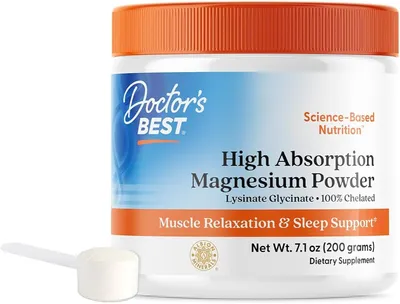
- 200mg elemental magnesium glycinate per 2-tablet serving
- TRAACS chelated form — high bioavailability
- Supports GABA activity and sleep
- Won't cause loose stools at this dose
- Larger pill burden than capsules
- Glycinate-only — won't address brain magnesium status
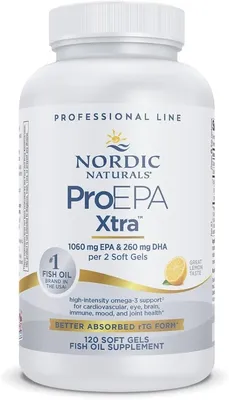
- 1,060mg EPA per two-softgel serving — high-EPA formula for mood support
- Triglyceride form, IFOS 5-star certified
- More antidepressant evidence with high-EPA than balanced EPA/DHA
- Lemon flavor minimizes fish burps
- Premium price
- Less DHA than balanced products — not the right pick if cognitive support is also a goal
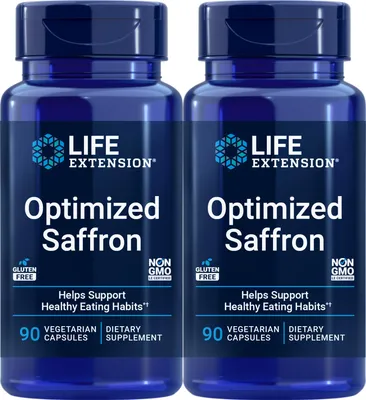
- 28mg Affron saffron extract — clinical dose
- Standardized to 3.5% lepticrosalides
- Antidepressant effects comparable to fluoxetine in some trials
- Generally well-tolerated, few drug interactions
- Limited safety data above 30mg/day
- Less robust evidence than for ashwagandha
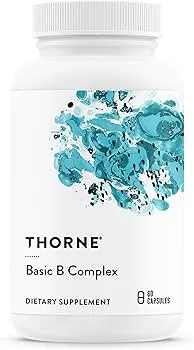
- Methylated B12 (methylcobalamin) and L-methylfolate
- Active forms of all B vitamins — bypasses MTHFR conversion issues
- Supports neurotransmitter synthesis
- Foundational for women on SSRIs
- Yellow coloring of urine after taking (normal but startling)
- Best taken in morning — can be activating in evening
Frequently Asked Questions
Why does menopause cause anxiety and mood swings?
Three main mechanisms drive menopausal mood changes. (1) Estrogen fluctuation. Estrogen modulates serotonin synthesis, GABA receptor sensitivity, and norepinephrine activity — all neurotransmitters relevant to mood and anxiety. Falling and erratic estrogen levels destabilize mood regulation. (2) Sleep disruption. Night sweats and hormonal sleep fragmentation produce sleep deprivation, which independently elevates anxiety, lowers mood, and worsens emotional regulation. (3) Cortisol dysregulation. The HPA axis becomes more reactive during menopause; cortisol spikes more easily and stays elevated longer. The combination produces a pattern where small stressors trigger disproportionate emotional responses, and women describe feeling 'not like themselves' — irritable, anxious, tearful, or quick to anger over things that wouldn't have bothered them before. The mood changes are real and physiological, not 'just hormonal moods.'
Should I take supplements or get on an SSRI for menopause anxiety?
Depends on severity. For mild-to-moderate anxiety that's distressing but not dysfunction-level, supplements + lifestyle are reasonable first-line. For moderate-to-severe anxiety affecting work, relationships, or quality of life, SSRIs (paroxetine, escitalopram, sertraline) or SNRIs (venlafaxine) outperform supplements significantly. Specifically: paroxetine 7.5mg (Brisdelle) has FDA approval specifically for menopausal hot flashes and dual-helps mood. Venlafaxine 75-150mg helps both hot flashes and mood/anxiety. SSRIs typically produce 50-70% symptom reduction in moderate cases. Supplements typically produce 20-30% reduction. For clinical severity (panic attacks, persistent anxiety affecting daily function), don't waste 6 months on supplements before trying medication. The flip side: many women have mild symptoms responsive to magnesium + ashwagandha + omega-3 + sleep optimization. Match the intervention to severity.
Does ashwagandha really help menopause anxiety?
Yes — and the evidence is reasonable for stress-pattern anxiety specifically. A 2019 study in Medicine (Lopresti et al.) found KSM-66 ashwagandha 600mg daily reduced cortisol by 14-22% and improved Perceived Stress Scale scores by 30-40% over 8 weeks. A 2014 Indian study (Chandrasekhar et al.) found similar effects. The mechanism: ashwagandha modulates HPA axis function and reduces cortisol output. For menopausal women whose anxiety tracks with stress, racing thoughts, fragmented sleep, and afternoon energy crashes, the cortisol-reduction mechanism aligns. Effect is modest but real — 30-40% reduction is comparable to mid-tier SSRI effects for stress-pattern anxiety. Less helpful for panic-attack-style anxiety or generalized anxiety disorder severe cases. Take 600mg KSM-66 daily for 8-12 weeks; pair with sleep work and stress management.
Can I take magnesium for menopause anxiety?
Yes, particularly magnesium glycinate or magnesium L-threonate. The mechanism: magnesium supports GABA receptor activity (the primary inhibitory neurotransmitter), modulates NMDA glutamate receptors (excitatory), and supports HPA axis regulation. Many adults are mildly magnesium-deficient, and menopausal women often have additional deficits from poor diet and stress. A 2017 review (Boyle et al.) found magnesium supplementation reduced subjective anxiety in mild-to-moderate cases. Mechanism most relevant to menopause: improved sleep quality (via GABA effects) reduces nighttime cortisol elevation and indirectly improves daytime anxiety. Dosing: 300-400mg elemental magnesium glycinate daily, taken evening. Magnesium L-threonate 2,000mg (Neuro-Mag, Life Extension) has more direct brain effects but doesn't have specific menopause anxiety evidence. Pair with ashwagandha for compounding effects on stress and sleep. Don't exceed 400mg from supplements without medical guidance.
What about omega-3 for menopause depression?
Omega-3 has solid evidence for depression generally and emerging evidence for menopause-related depression specifically. The mechanism: EPA (eicosapentaenoic acid) reduces neuroinflammation, modulates prostaglandin pathways, and supports brain membrane fluidity. Higher EPA:DHA ratios appear more antidepressant; pure DHA is more cognitive than mood-related. The evidence: A 2016 meta-analysis in Translational Psychiatry found EPA-rich omega-3 (EPA >60% of total) produced significant antidepressant effects at 1,000-2,000mg daily. A 2011 trial in postmenopausal women specifically (Lucas et al.) found EPA 1,000mg daily reduced depression symptoms versus placebo. Effect is modest but real for mild-to-moderate menopause-related depression. Pair with vitamin D, B-complex, and (when indicated) SSRIs. Omega-3 is not a substitute for SSRIs in moderate-to-severe depression, but useful as adjunct or for milder cases. Look for products with EPA:DHA ratio of at least 2:1; for mood support specifically, pure EPA products (e.g., NorthStar EPA, OmegaXL) have stronger evidence.
How does HRT compare to supplements for menopause mood?
HRT has stronger evidence than any supplement for menopause-driven mood changes — when started within 10 years of menopause onset. The Women's Health Initiative and subsequent studies found estrogen replacement reduced depressive symptoms in newly-postmenopausal women, especially those with vasomotor symptoms. Mechanism: estrogen directly modulates serotonin synthesis, GABA function, and norepinephrine activity. Effect size: 40-60% improvement in mood scores in trials, exceeding most supplements and approaching SSRI effects in some studies. Considerations: HRT works best for menopause-driven mood changes, less effective for pre-existing depression that worsens during menopause. Window of opportunity: starting HRT within 10 years of menopause onset (or before age 60) has strongest mood and other benefits with manageable risk profile. Starting later than this window has lower benefit-risk ratio. Discuss with a NAMS-certified menopause specialist; benefits often outweigh risks for symptomatic women, but individual factors matter (breast cancer history, cardiovascular risk). See our [Hormone Replacement Therapy Guide](/learn/womens-health/hormone-replacement-therapy-guide/) for the full discussion.
Are there supplements I should AVOID for menopause anxiety?
Yes — five categories. (1) Kava — historically used for anxiety, but linked to liver injury reports; banned or restricted in multiple countries. Risk-benefit ratio doesn't make sense given alternatives. (2) High-dose St. John's Wort with SSRIs or other serotonergic medications — serotonin syndrome risk. (3) Generic 'mood support' proprietary blends — opaque dosing, untested combinations, often contain undisclosed ingredients. (4) Yohimbe — actively anxiety-promoting; sometimes appears in 'wellness' blends. (5) Anything advertised as a 'natural Xanax' or claiming GABA receptor binding without backing — actual GABA receptor binders are pharmacologically active and require regulation. Stick to supplements with real evidence: magnesium, ashwagandha, omega-3, saffron, B-complex. For severe anxiety, prescription medications (SSRIs, gabapentin, hydroxyzine) are appropriate first-line — don't try to substitute supplements for clinically-indicated treatment.