
Natural Supplements for Erectile Dysfunction: What Actually Works After 50
NOW DHEA 25mg
Affordable DHEA option for men with confirmed low DHEA-S levels, but not a supplement to take without medical guidance.
- Low 25mg dose appropriate for starting supplementation
- GMP-certified facility with third-party testing
L-citrulline, Panax ginseng (Korean red ginseng), and DHEA have the most clinical evidence among natural supplements for erectile dysfunction after 50. But here’s what the supplement ads won’t tell you: none of these replaces medical treatment, and the evidence behind them is modest. They may help with mild ED as part of a broader strategy — but lifestyle changes like exercise, weight loss, and better sleep consistently outperform any supplement in clinical research. If ED is persistent, see a urologist. It deserves medical attention, not just a new bottle of pills.
This article is for educational purposes. Erectile dysfunction can be a sign of underlying cardiovascular disease or other medical conditions. Always consult your doctor before starting any supplement regimen, especially if you take blood pressure medication, blood thinners, or nitrates.
The Honest Truth About ED Supplements
Erectile dysfunction affects approximately 52% of men between ages 40 and 70, according to the Massachusetts Male Aging Study. It becomes more common with age — roughly 40% at age 40 and nearly 70% by age 70. This isn’t a rare or shameful condition. It’s extremely common, well-understood, and treatable.
Prescription PDE5 inhibitors — sildenafil (Viagra), tadalafil (Cialis), and similar medications — work for approximately 70% of men. They target the nitric oxide pathway directly and have decades of clinical evidence behind them. They’re the gold standard for a reason.
Natural supplements operate in the same general territory — supporting nitric oxide production, blood flow, and hormonal balance — but with far less potency. Think of the difference between taking a prescription-strength medication and eating a food that contains the same compound in trace amounts. Both are “real,” but the magnitude of effect is vastly different.
That said, supplements have their place. For men with mild ED who want to try a natural approach first, or as a complement to lifestyle changes, or for men who can’t tolerate prescription medications — certain supplements have enough evidence to be worth considering. Let’s look at what the research actually says.
What the Research Actually Supports
L-Citrulline — The Nitric Oxide Pathway
L-citrulline is an amino acid that your body converts to L-arginine, which in turn produces nitric oxide (NO). Nitric oxide relaxes blood vessel walls and increases blood flow — the same mechanism that prescription ED drugs enhance. This isn’t alternative medicine speculation; it’s established vascular physiology.
The key study: Cormio et al. (2011) conducted a single-blind trial with 24 men with mild ED. Men took 1.5g of L-citrulline daily for one month. Half of the men in the citrulline group improved from an erection hardness score of 3 (hard enough for penetration but not fully rigid) to 4 (fully hard), compared to only 8.3% in the placebo group. All participants reported increased satisfaction with erection hardness and sexual confidence.
Why citrulline instead of arginine? You might wonder — if arginine is what makes nitric oxide, why not take arginine directly? The answer is pharmacokinetics. Oral L-arginine undergoes heavy first-pass metabolism in the gut and liver, meaning most of it is broken down before it reaches your bloodstream. L-citrulline bypasses this problem. It’s absorbed intact and converted to L-arginine in the kidneys, producing higher and more sustained blood levels than taking L-arginine directly.
Practical use: 1.5-3g of L-citrulline daily, taken consistently. Some men use citrulline malate (citrulline bound to malic acid), which is equally effective. Give it at least 4 weeks of daily use before judging effectiveness. Side effects are minimal — citrulline is well-tolerated at these doses.
Honest assessment: L-citrulline has reasonable evidence for mild ED. It won’t compete with Viagra or Cialis for moderate to severe ED, but it’s a sensible first option for men with mild difficulty who want to try something natural. It’s also safe to combine with lifestyle changes, and it supports cardiovascular health broadly — not just erectile function.
Panax Ginseng (Korean Red Ginseng)
Panax ginseng — specifically Korean red ginseng — has the most consistent clinical evidence of any herbal supplement for ED. It’s been used in traditional Korean and Chinese medicine for centuries, but what matters is the modern clinical data.
The key evidence: Jang et al. (2008) published a systematic review and meta-analysis of 7 randomized controlled trials involving 363 men. The analysis found that Korean red ginseng significantly improved erectile function scores compared to placebo. The improvement was consistent across studies and clinically meaningful, though smaller than what you’d see with prescription PDE5 inhibitors.
How it works: Ginseng’s active compounds (ginsenosides) appear to work through multiple mechanisms: increasing nitric oxide synthesis in the penile tissue, improving endothelial function, and potentially affecting testosterone signaling. This multi-pathway action may explain why it shows up consistently in trials.
Practical use: 900mg of Korean red ginseng extract three times daily (2,700mg total) is the most commonly studied dose. The Jang meta-analysis reviewed studies using this general dosing range. Allow 8-12 weeks of consistent use. Look for standardized extracts with verified ginsenoside content.
Honest assessment: Among herbal supplements for ED, Panax ginseng has the best track record. Seven RCTs isn’t a massive evidence base, but it’s far more than most herbal supplements can claim. A reasonable choice for men who want a natural approach, particularly alongside lifestyle changes.
DHEA (Dehydroepiandrosterone)
DHEA is a hormone precursor that your adrenal glands produce. Your body converts it into testosterone and estrogen. DHEA levels peak in your 20s and decline roughly 80% by age 70. In men with low DHEA-S levels, supplementation may support erectile function through the testosterone pathway.
The key study: Reiter et al. (1999) conducted a double-blind, placebo-controlled trial in 40 men with ED. Men with low DHEA-S levels who took 50mg of DHEA daily for 6 months showed significant improvements in achieving and maintaining erections compared to placebo. The effect was most pronounced in men whose ED was associated with low DHEA-S levels specifically — men with normal DHEA-S levels didn’t benefit as much.
Why it matters for men over 50: Because DHEA declines so significantly with age, many men over 50 have suboptimal levels without knowing it. A DHEA-S blood test is inexpensive and can tell you whether supplementation is likely to help.
Practical use: 25-50mg daily is the commonly studied range. Start with 25mg. Have your DHEA-S levels tested before starting, and retest after 3-6 months. DHEA is a hormone precursor, not a vitamin — it affects multiple hormonal pathways and should be monitored by your doctor.
Honest assessment: DHEA is a targeted intervention, not a general ED supplement. It works best in men with documented low DHEA-S levels. If your levels are already normal, supplementation is unlikely to help and could cause hormonal imbalances. This is a “test first, supplement second” option. Talk to your doctor. For product options, see our review of NOW DHEA 25mg.
Zinc — The Testosterone Foundation
Zinc doesn’t directly improve erections, but it’s essential for testosterone production. If your zinc levels are low — common in men over 50 due to reduced dietary intake, decreased absorption, and medications like proton pump inhibitors — your testosterone may be suffering, which contributes to ED.
A study published in Nutrition demonstrated that mild zinc deficiency reduced testosterone by 75% in young men over 20 weeks. Restoring zinc in deficient older men nearly doubled their testosterone levels. That’s a significant hormonal shift from correcting a single nutrient deficiency.
Practical use: If you suspect low zinc (or want to cover your bases), 30mg of zinc picolinate daily is a standard dose. Thorne Zinc Picolinate is NSF Certified for Sport — the gold standard in third-party testing. Don’t exceed 40mg daily long-term, as excess zinc depletes copper. For a broader look at testosterone-supporting supplements, see our best testosterone supplements guide.
What Doesn’t Work (Despite the Marketing)
The ED supplement market is worth billions of dollars, and much of it is built on hope rather than evidence. Here’s what the research actually shows about some popular options.
Tribulus Terrestris
Tribulus is marketed aggressively as a testosterone and sexual performance booster. The marketing is convincing. The science is not. A 2016 systematic review in Maturitas (Qureshi et al.) examined the available clinical evidence and found no consistent evidence that tribulus improves erectile function or testosterone levels in men. Some animal studies show positive results, but these haven’t translated to human trials. Save your money.
Horny Goat Weed (Epimedium/Icariin)
The active compound in horny goat weed — icariin — does have a real mechanism. In laboratory studies, icariin acts as a weak PDE5 inhibitor, the same mechanism as Viagra. The problem is that lab studies and human clinical trials are very different things. No well-designed human trial has demonstrated that oral horny goat weed supplements produce meaningful improvements in erectile function. The amount of icariin that reaches penile tissue after oral consumption appears to be far too low to produce a clinical effect. The name sells supplements. The evidence doesn’t support them.
Maca
Maca has some evidence for improving sexual desire — the subjective feeling of wanting sex. But desire and erection function are different things. A 2010 systematic review (Shin et al.) in BMC Complementary and Alternative Medicine found limited evidence that maca may improve sexual desire, but specifically noted that no improvement in erectile function was demonstrated. If your issue is low desire rather than erectile difficulty, maca might be worth exploring. For erection quality specifically, the evidence isn’t there. For more on maca and desire, see our libido after menopause guide — while written for women, the maca research section applies broadly.
Lifestyle Factors That Matter More Than Any Supplement
This section deserves more space than the supplement section — because the evidence here is stronger, the effects are larger, and the benefits extend far beyond erectile function.
Exercise — The Single Most Effective Natural Intervention
Regular physical activity improves erectile function through nearly every relevant mechanism: better blood flow, improved endothelial function, reduced inflammation, lower blood pressure, better body composition, improved testosterone levels, reduced stress, and better cardiovascular health overall.
A landmark 2004 study in the Journal of Sexual Medicine (Esposito et al.) found that lifestyle changes including regular exercise restored normal erectile function in 31% of obese men with ED — without medication. A 2018 meta-analysis confirmed that aerobic exercise significantly improves erectile function, with effects comparable to some pharmaceutical interventions for mild to moderate ED.
What to do: Combine resistance training (3 times per week — compound movements like squats, deadlifts, and presses) with regular cardiovascular exercise (30+ minutes of brisk walking, cycling, or swimming most days). For exercise ideas, see our best exercises for seniors guide. The resistance training supports testosterone, and the cardiovascular work directly improves blood vessel health.
Weight Loss — Breaking the Visceral Fat Cycle
Visceral fat (deep belly fat) produces aromatase, an enzyme that converts testosterone to estrogen. More belly fat means less testosterone and more estrogen — a hormonal profile that directly impairs erectile function. The same 2004 Esposito study showed that even modest weight loss (10% of body weight) produced clinically meaningful improvements in erectile function.
You don’t need to get to your college weight. Losing 15-20 pounds of visceral fat, achievable over 3-4 months with consistent exercise and moderate calorie reduction, can shift your hormonal profile meaningfully.
Sleep — When Your Hormones Recover
Your body produces the majority of its daily testosterone during deep sleep. A University of Chicago study showed that restricting sleep to 5 hours per night for just one week reduced testosterone by 10-15% in young men — equivalent to 10-15 years of aging. For men over 50, who already have declining testosterone, poor sleep makes the problem substantially worse.
Prioritize 7-8 hours of quality sleep. Get screened for sleep apnea if you snore heavily — untreated sleep apnea devastates testosterone levels and contributes directly to ED. For more on optimizing testosterone through lifestyle, see our natural testosterone boosting guide.
Alcohol Reduction
Moderate alcohol (1-2 drinks) has minimal impact, but regular heavy drinking suppresses testosterone, damages nerve function, and impairs blood vessel health — all of which worsen ED. If you’re drinking more than 2 drinks daily, cutting back is one of the more effective changes you can make.
Smoking Cessation
Smoking directly damages the endothelial cells lining your blood vessels, including the ones in penile tissue. The evidence here is unambiguous — a 2015 meta-analysis found that smokers have a significantly higher risk of ED than non-smokers, and quitting leads to measurable improvement. If you smoke, this is the single most impactful change you can make for erectile function and cardiovascular health.
When to See a Urologist
ED after 50 isn’t just a quality-of-life issue — it can be a medical warning sign.
ED as a Cardiovascular Signal
The arteries supplying the penis are 1-2mm in diameter — significantly smaller than the coronary arteries (3-4mm) that supply the heart. Because they’re smaller, they show signs of atherosclerosis and endothelial dysfunction earlier. A 2005 study in the Journal of the American College of Cardiology (Montorsi et al.) found that ED preceded a cardiovascular event by an average of 3 years in men with coronary artery disease.
This means new-onset ED — especially if it developed gradually rather than suddenly — deserves cardiovascular risk assessment. Blood pressure, cholesterol, blood glucose, and inflammatory markers should be checked. Treating these underlying conditions often improves both cardiovascular health and erectile function simultaneously.
Prescription Treatments Are Highly Effective
PDE5 inhibitors (Viagra, Cialis, and their generics) work for approximately 70% of men. They’re well-studied, generally safe, and now available in affordable generic forms. If lifestyle changes and supplements haven’t resolved your ED, there’s no reason to suffer when effective medical treatment exists. Your doctor may also want to check your testosterone levels — if total testosterone is consistently below 300 ng/dL, testosterone replacement therapy may be appropriate, either alone or in combination with ED medication. For a comprehensive look at TRT, see our testosterone replacement therapy guide.
What to Tell Your Doctor
Be direct. “I’m having difficulty getting or maintaining erections” gives your doctor the information they need. Mention when it started, whether it’s consistent or situational, and any other symptoms (fatigue, low libido, mood changes). A urologist or primary care doctor has this conversation multiple times per day — you’re not surprising them.
The Bottom Line
Natural supplements for ED after 50 are a real option — but a modest one. L-citrulline and Panax ginseng have the best evidence and are worth trying for mild ED. DHEA can help if your levels are documented low. Zinc fills a common nutritional gap that affects testosterone.
But here’s the hierarchy that matters: lifestyle changes (exercise, weight loss, sleep, quitting smoking) have more evidence and produce larger effects than any supplement. Prescription medications work for 70% of men. Supplements occupy the space in between — a reasonable first step or complement, but not a replacement for either lifestyle optimization or medical treatment.
And don’t ignore the cardiovascular message. Your body is telling you something. Listen to it, and talk to your doctor.
Products We Recommend
- Low 25mg dose appropriate for starting supplementation
- GMP-certified facility with third-party testing
- Only beneficial if DHEA-S levels are low — requires blood test
- Hormone precursor — should be monitored by a doctor
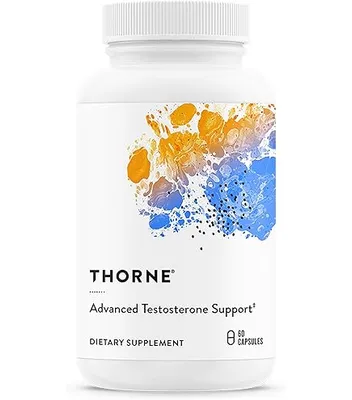
- NSF Certified for Sport — gold standard third-party testing
- Picolinate form for superior absorption
- Only addresses ED if zinc deficiency is contributing to low testosterone
Frequently Asked Questions
What is the best natural supplement for erectile dysfunction?
L-citrulline and Panax ginseng (Korean red ginseng) have the strongest clinical evidence. L-citrulline converts to L-arginine in the body, which produces nitric oxide — the same pathway that prescription ED medications target. Panax ginseng has been studied in multiple randomized controlled trials with consistent positive results. Neither is as effective as prescription PDE5 inhibitors, but both are reasonable options for men with mild ED who want to try a natural approach first.
Does L-citrulline work for erectile dysfunction?
A 2011 study by Cormio et al. found that 1.5g of L-citrulline daily for one month improved erection hardness in men with mild ED — half of the men in the citrulline group improved from a hardness score of 3 to 4 (the maximum), compared to 8.3% in the placebo group. The effect is modest and works best for mild ED. L-citrulline is well-tolerated with few side effects, making it a reasonable first option to try.
Can ED be reversed naturally after 50?
Mild to moderate ED can often be significantly improved through lifestyle changes. A 2004 study in the Journal of Sexual Medicine found that 31% of men with ED who adopted regular exercise and weight loss regained normal erectile function without medication. Exercise improves blood flow, reduces visceral fat, lowers blood pressure, and improves endothelial function — all directly relevant to erection quality. Supplements can provide additional support, but lifestyle changes are the more powerful tool.
Is erectile dysfunction a sign of heart disease?
Yes — ED and cardiovascular disease share the same underlying mechanism: endothelial dysfunction (damage to the blood vessel lining). The arteries supplying the penis are smaller than coronary arteries, so they often show damage first. A 2005 study in the Journal of the American College of Cardiology found that ED preceded a cardiovascular event by an average of 3 years. Any man over 50 with new-onset ED should have his cardiovascular risk factors assessed.
Should I take L-arginine or L-citrulline for ED?
L-citrulline is the better choice. While L-arginine is the direct precursor to nitric oxide, oral L-arginine is heavily broken down in the gut and liver before reaching the bloodstream. L-citrulline bypasses this first-pass metabolism and is converted to L-arginine in the kidneys, resulting in higher and more sustained blood levels of L-arginine. Most clinical ED research now uses citrulline rather than arginine for this reason.