
Perimenopause Explained: Symptoms, Timeline, and What Actually Helps
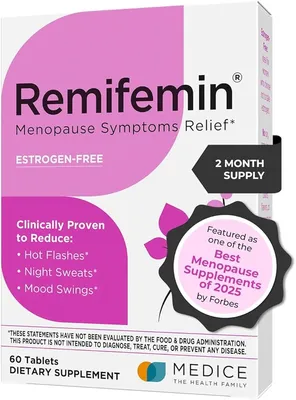
Remifemin Black Cohosh
The most evidence-backed black cohosh product available — the go-to first choice if hot flashes are your primary perimenopausal symptom.
- iCR extract studied in 60+ clinical trials for menopausal hot flashes
- Non-estrogenic mechanism — works through serotonin pathways
- Approved for menopause symptoms in Germany since 1989
Perimenopause is the 4-10 year hormonal transition before menopause, typically beginning in the mid-40s, when estrogen and progesterone levels fluctuate unpredictably rather than simply declining. This hormonal roller coaster produces symptoms that can feel confusing and erratic — irregular periods, hot flashes, sleep disruption, mood swings, brain fog, and joint pain that come and go without warning. Unlike full menopause, where estrogen settles at a consistently low level, perimenopause involves dramatic spikes and crashes. A combination of lifestyle changes (particularly strength training, sleep hygiene, and stress management) and targeted supplements like black cohosh, magnesium, and B vitamins can help manage the transition meaningfully.
What Is Perimenopause?
Perimenopause literally means “around menopause” — it’s the transition phase when your ovaries begin winding down hormone production. But “winding down” is misleading. Your ovaries don’t quietly taper off. They sputter. One month your estrogen might spike higher than it has in years, the next month it might plummet. Progesterone becomes less reliable as ovulation becomes inconsistent. This hormonal unpredictability is what makes perimenopause feel so different from what most women expect.
The average woman enters perimenopause around age 47, though it can start as early as the late 30s or as late as the early 50s. You’re still getting periods during perimenopause — that’s a key distinction. They may become irregular (shorter or longer cycles, heavier or lighter flow, skipped months), but you haven’t reached menopause until you’ve gone 12 consecutive months without a period.
A 2015 study in the Journal of Clinical Endocrinology & Metabolism followed women through the menopausal transition and found that the most intense symptoms — particularly hot flashes and mood disturbances — often peaked during late perimenopause, not after menopause. Many women expect the worst symptoms to come after their periods stop. In reality, the hormonal chaos of perimenopause is often the roughest stretch.
This is important to understand because it means you’re not imagining things. If you’re in your mid-40s and suddenly feel like your body and brain have become unpredictable, there’s a biological explanation.
Perimenopause vs. Menopause: Why the Difference Matters
These terms get used interchangeably, but they describe distinct biological states — and the distinction affects which strategies actually help.
Perimenopause means your ovaries are still producing hormones, but erratically. Estrogen may surge to levels higher than your 20s one week and crash the next. Progesterone drops because ovulation becomes unreliable. You’re still cycling, but the cycles are unpredictable. Your body hasn’t adapted to low hormones yet — it’s being whipsawed between highs and lows.
Menopause means your ovaries have essentially stopped producing estrogen and progesterone. Hormone levels are consistently low. Your body gradually adapts to this new baseline. Symptoms may still occur (particularly hot flashes and vaginal dryness), but they tend to be more stable and predictable than during perimenopause.
Why does this distinction matter for treatment?
Some supplements and strategies that work well for postmenopausal women are less effective during perimenopause because the hormonal landscape is different. Phytoestrogens, for example, provide weak estrogenic activity — helpful when your own estrogen is consistently low (menopause), but less impactful when your estrogen is already bouncing between high and low (perimenopause). Black cohosh works through serotonin pathways rather than estrogen, which may be why it appears to help across both phases.
Similarly, the emotional toll of perimenopause is different. Postmenopausal women are adapting to a new hormonal reality. Perimenopausal women are riding a roller coaster where they don’t know when the drops are coming. The unpredictability itself is stressful — which compounds the symptoms.
The Most Common Symptoms (and What’s Behind Them)
Understanding why each symptom happens makes it easier to address it effectively.
Irregular Periods
This is usually the first sign. Your cycles may get shorter (21-25 days instead of 28), then longer (35-50+ days), then skip months entirely. Flow may become heavier or lighter unpredictably. This happens because ovulation becomes inconsistent — some months you ovulate normally, some months you ovulate late, and some months you don’t ovulate at all. Without ovulation, progesterone isn’t produced in the second half of the cycle, which can lead to heavier, prolonged bleeding when your period does arrive.
Hot Flashes and Night Sweats
About 80% of perimenopausal women experience hot flashes. They happen because fluctuating estrogen disrupts your hypothalamus — the brain’s thermostat. When estrogen swings, the hypothalamus misreads normal body temperature as “too hot” and triggers a cooling response: blood vessels dilate (the flush), and sweating kicks in. Night sweats are the same mechanism during sleep, and they’re a major driver of the sleep disruption that compounds every other symptom.
Sleep Disruption
Sleep problems in perimenopause go beyond night sweats. Progesterone has natural sedative properties — it activates GABA receptors in the brain, the same system targeted by sleep medications. As progesterone production becomes unreliable, sleep quality often suffers even on nights without hot flashes. A 2017 study in Sleep Medicine Reviews found that sleep disturbance affected up to 60% of perimenopausal women, with both falling asleep and staying asleep becoming more difficult.
Mood Swings and Anxiety
This is the symptom that catches many women off guard. If you’ve never had significant anxiety or mood instability and suddenly feel emotionally volatile in your 40s, fluctuating estrogen is a likely contributor. Estrogen modulates serotonin and other neurotransmitters that regulate mood. When estrogen levels are swinging unpredictably, serotonin stability is disrupted — leading to irritability, anxiety, sudden tearfulness, and mood shifts that feel disproportionate to circumstances.
A 2019 study in the Journal of Women’s Health confirmed that perimenopausal women have a 2-4 times higher risk of depression compared to premenopausal women, even among those with no prior history. This isn’t weakness or “being dramatic.” It’s neurochemistry.
Brain Fog
Difficulty concentrating, word-finding problems, forgetting why you walked into a room — these cognitive changes are common during perimenopause and can be alarming. Estrogen receptors are abundant in the hippocampus and prefrontal cortex (areas crucial for memory and executive function). Fluctuating estrogen affects blood flow and glucose metabolism in these regions. A 2012 study in Menopause documented measurable declines in verbal memory and processing speed during the perimenopausal transition that improved somewhat after menopause — suggesting this is a transitional disruption, not permanent decline.
Joint Pain and Stiffness
Estrogen has anti-inflammatory properties and helps maintain joint tissue hydration. As estrogen fluctuates and eventually declines, many women develop new joint stiffness, particularly in the morning or after sitting for extended periods. This symptom is frequently attributed to “just getting older” rather than recognized as part of the perimenopausal transition.
Weight Redistribution
You may not gain significant weight, but many women notice a shift in where fat is stored — moving from hips and thighs toward the abdomen. This happens because declining estrogen changes how your body deposits fat, favoring visceral (abdominal) storage. This shift isn’t just cosmetic — visceral fat is more metabolically active and associated with higher cardiovascular risk, which is one reason cardiovascular monitoring becomes more important in midlife.
What Actually Helps During Perimenopause
Not everything that works for menopause works for perimenopause. Here’s what does, organized by strength of evidence and how quickly you’ll notice results.
Lifestyle Changes (Start Here — Most Impact)
Strength training is the single most underrated intervention for perimenopause. It protects bone density (which begins declining before menopause), preserves muscle mass that naturally decreases with age, improves sleep quality, stabilizes mood through endorphin release, and counteracts the metabolic slowdown that drives weight redistribution. A 2016 review in Maturitas found that resistance exercise significantly improved both physical and psychological symptoms during the menopausal transition. You don’t need a gym — bodyweight exercises, resistance bands, or dumbbells at home 2-3 times per week provide meaningful benefit.
Sleep hygiene becomes essential because your body’s natural sleep support (progesterone) is unreliable. Keep your bedroom cool (65-68 degrees F helps with night sweats), establish a consistent sleep-wake schedule, limit alcohol (it disrupts sleep architecture and worsens hot flashes), and reduce screen exposure before bed. If night sweats are disrupting sleep, moisture-wicking bedding and layered blankets you can kick off easily make a practical difference.
Stress management matters more than ever because cortisol (the stress hormone) and estrogen have an inverse relationship — when estrogen drops, cortisol becomes more impactful. Chronic stress amplifies every perimenopausal symptom: worse hot flashes, worse sleep, worse mood. Regular movement, mindfulness practice, time in nature, and saying no to overcommitment aren’t luxuries during perimenopause — they’re therapeutic interventions.
Supplements With Evidence
Black cohosh (Remifemin iCR extract) is the most studied herbal supplement for menopausal hot flashes, with 26-50% reductions in hot flash frequency demonstrated in clinical trials. It works through serotonin receptor modulation rather than estrogen pathways, which means it can help regardless of whether your estrogen is currently high or low during a perimenopausal swing. Take 20mg twice daily and allow 8-12 weeks for full effect. Read our detailed black cohosh review for the full evidence breakdown.
Magnesium glycinate addresses multiple perimenopausal concerns simultaneously. Magnesium supports GABA activity (helping with sleep and anxiety), relaxes muscles (helping with cramps and tension), and plays a role in over 300 enzymatic reactions including mood regulation. A 2017 study in Nutrients found that magnesium supplementation improved sleep quality in older adults with insomnia. Many women over 40 are mildly deficient — dietary intake often falls below the recommended 320mg/day. Start with 200-400mg of magnesium glycinate at bedtime (the glycinate form is better absorbed and less likely to cause digestive issues than magnesium oxide).
B-complex vitamins support energy metabolism and neurotransmitter production — both of which are under stress during perimenopause. B6 is a cofactor in serotonin and GABA synthesis, B12 supports nervous system function, and folate is involved in mood regulation. A 2010 study in the American Journal of Clinical Nutrition found an association between higher B6 and B12 intake and lower risk of depression in older women. A quality B-complex providing the full spectrum of B vitamins is a reasonable addition, especially if your diet is inconsistent.
Evening primrose oil contains gamma-linolenic acid (GLA), which the body converts to anti-inflammatory compounds. Its best evidence is for cyclical breast tenderness and breast pain — symptoms that commonly worsen during perimenopause as hormone fluctuations stimulate breast tissue. A 2010 review in Alternative Medicine Review found modest evidence for evening primrose oil improving mastalgia. If breast tenderness is a significant symptom for you, 1,000-1,300mg daily is the typical dose. Evidence for hot flash relief is weak — don’t take it expecting help with hot flashes specifically.
What Doesn’t Work as Well During Perimenopause
Soy isoflavones and phytoestrogens have better evidence for postmenopausal women than for perimenopausal women. These compounds provide weak estrogenic activity — a meaningful supplement when your own estrogen is consistently low. But during perimenopause, your estrogen may already be spiking unpredictably. Adding weak phytoestrogens on top of unpredictable endogenous estrogen doesn’t produce reliable results. If you want to try soy, it may be more useful once you’ve actually reached menopause.
Vitex (chasteberry) is sometimes recommended for perimenopause because of its traditional use for menstrual irregularities. However, the evidence for its use in perimenopausal women specifically is thin. Most vitex studies involve premenopausal women with PMS or regular cycle irregularities — a different hormonal context than perimenopause.
Single-herb “menopause support” formulas often combine multiple ingredients at sub-therapeutic doses. If no individual ingredient is present at the dose used in clinical trials, the product is unlikely to produce clinical-trial results. Choose supplements based on your specific symptoms and use them at studied doses.
When to Talk to Your Doctor
Perimenopause is a normal biological transition, not a medical condition. But certain situations warrant medical attention:
Heavy or prolonged bleeding. If your periods are lasting more than 7 days, you’re soaking through a pad or tampon every hour for several hours, you’re passing clots larger than a quarter, or you’re bleeding between periods — see your doctor. While heavy bleeding is common during perimenopause (due to anovulatory cycles and declining progesterone), it can also signal fibroids, polyps, thyroid problems, or other conditions that need evaluation.
Depression beyond typical mood swings. The line between perimenopausal mood fluctuations and clinical depression can be blurry. If you’re experiencing persistent sadness (not just occasional bad days), loss of interest in things you normally enjoy, changes in appetite or weight, feelings of worthlessness, or thoughts of self-harm — that’s beyond typical perimenopause and requires professional support. Hormone fluctuations can trigger clinical depression, and treatment is effective.
Considering HRT. Hormone replacement therapy is an option during perimenopause, not just after menopause. If your symptoms are significantly affecting your quality of life and lifestyle changes plus supplements aren’t providing enough relief, a conversation about HRT is reasonable. Read our HRT guide for what the current evidence shows about benefits and risks.
Early perimenopause (before age 40). If you’re experiencing perimenopausal symptoms before 40, this is considered premature and warrants medical evaluation. Premature ovarian insufficiency affects about 1% of women and has implications for bone health, cardiovascular health, and fertility that need proactive management.
The Timeline: What to Expect and When
Every woman’s perimenopause is different, but there’s a general pattern that most follow.
Early Perimenopause (May Last Several Years)
Your cycles start shifting — maybe shorter by a few days, occasionally longer. You might notice PMS symptoms intensifying, sleep becoming slightly less restful, or energy dipping in ways that feel new. Many women don’t even realize they’re in perimenopause at this stage. They attribute changes to stress, aging, or being busy. Hormone levels are beginning to fluctuate, but the swings aren’t dramatic yet.
Mid-Perimenopause (The Roller Coaster Phase)
This is when things get noticeable. Cycles become clearly irregular — you might go 40 days between periods, then 21, then skip a month entirely. Hot flashes and night sweats may appear. Mood swings intensify. Sleep disruption becomes harder to ignore. Brain fog surfaces. This is the phase that drives most women to seek information and help, because the symptoms are affecting daily life.
Estrogen swings are widest during this phase — some days you may feel perfectly normal, and others you feel like a different person. This unpredictability is perhaps the most frustrating aspect. You can’t plan around it.
Late Perimenopause (The Last 1-3 Years)
Periods become infrequent — you might go 2-3 months between them. When they do arrive, they may be very light or surprisingly heavy. Hot flashes may peak in frequency and intensity. Your body is approaching the final transition. Eventually, you’ll reach 12 consecutive months without a period — the clinical definition of menopause. Average age at menopause is 51, but anywhere from 45 to 55 is considered normal.
After Menopause
For many women, the most intense symptoms — particularly hot flashes and mood swings — begin to ease within 1-2 years after menopause as the body adapts to consistently low estrogen levels. Vaginal dryness and urogenital changes tend to persist or worsen over time without treatment (see our menopause supplements guide). Bone density loss accelerates in the first 5-7 years after menopause, making this a critical window for bone-supportive strategies.
The Bottom Line
Perimenopause is a real, biologically significant transition — not a vague “getting older” experience and not something you need to white-knuckle through. Your symptoms have specific causes rooted in hormone fluctuations, and those causes have specific solutions.
Start with the foundations: regular strength training, solid sleep habits, and deliberate stress management. These address the broadest range of symptoms with the strongest evidence. Add targeted supplements based on your most disruptive symptoms — black cohosh for hot flashes, magnesium for sleep and mood, evening primrose oil for breast tenderness.
If lifestyle changes and supplements aren’t providing adequate relief, talk to your doctor about additional options including HRT. And if anyone — including a medical professional — dismisses your symptoms as “normal aging” without proper evaluation, seek a second opinion. Perimenopause is normal, but suffering through it without support doesn’t have to be.
For related reading, see Best Menopause Supplements and Hormone Replacement Therapy: What the Evidence Says.
Products We Recommend
- iCR extract studied in 60+ clinical trials for menopausal hot flashes
- Non-estrogenic mechanism — works through serotonin pathways
- Approved for menopause symptoms in Germany since 1989
- Affordable at roughly $18/month
- Requires 8-12 weeks of consistent use before judging effectiveness
- Evidence is stronger for full menopause than for perimenopause specifically
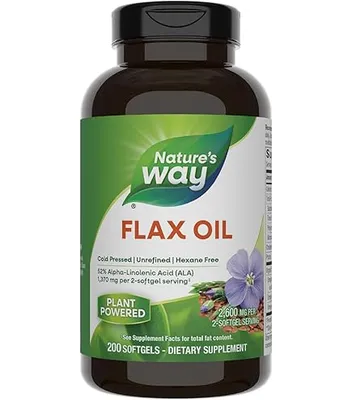
- Cold-pressed oil with standardized GLA content
- Some evidence for cyclical breast tenderness — common in perimenopause
- Well-tolerated with minimal side effects
- Nature's Way is a long-established brand with third-party testing
- Evidence for hot flash relief is weak
- Works best for breast tenderness, less useful for other perimenopause symptoms

- Glycinate form is well-absorbed and gentle on the stomach
- Supports sleep quality, mood, and muscle relaxation
- USP verified — third-party tested for purity and potency
- Magnesium deficiency is common in women over 40
- Not a direct treatment for hot flashes
- Benefits are general rather than perimenopause-specific
Frequently Asked Questions
How do I know if I'm in perimenopause?
If you're in your 40s and your periods have become irregular — shorter cycles, longer cycles, heavier or lighter flow, skipped months — you're likely in perimenopause. Other signs include new or worsening hot flashes, disrupted sleep, mood swings that feel disproportionate to circumstances, and brain fog. There's no single test that confirms perimenopause because hormone levels fluctuate day to day. Your doctor can run a panel (FSH, estradiol) to see if your levels are in the perimenopausal range, but clinical symptoms are usually the most reliable indicator.
What is the difference between perimenopause and menopause?
Perimenopause is the transition phase — your ovaries are still producing hormones, but in wildly inconsistent amounts. You're still getting periods, even if they're irregular. Menopause is the finish line: 12 consecutive months without a period, after which estrogen settles at a consistently low level. The distinction matters because perimenopausal symptoms are often more unpredictable and intense than postmenopausal symptoms, since your hormones are spiking and crashing rather than steadily low.
How long does perimenopause last?
The average duration is 4-8 years, though it can last as long as 10 years. Most women enter perimenopause in their mid-40s and reach menopause (final period) around age 51. The early phase may involve subtle changes you barely notice — slightly irregular cycles, occasional sleep disruption. The later phase, typically the last 1-3 years, tends to bring more intense symptoms as hormone fluctuations become more dramatic and periods become less frequent.
Can you get pregnant during perimenopause?
Yes. As long as you're still ovulating — even irregularly — pregnancy is possible. Skipping periods doesn't mean you've stopped ovulating entirely. If pregnancy isn't desired, continue using contraception until your doctor confirms you've reached menopause (12 consecutive months without a period). Some women are surprised by a perimenopausal pregnancy because they assumed irregular periods meant they couldn't conceive.
What supplements help with perimenopause symptoms?
The supplements with the best evidence for perimenopausal symptoms include black cohosh (specifically the Remifemin iCR extract) for hot flashes, magnesium glycinate for sleep, mood, and muscle cramps, and B-complex vitamins for mood and energy support. Evening primrose oil has some evidence for breast tenderness. Start with one supplement at a time so you can identify what's actually helping. Consult your doctor before starting any supplement, especially if you take prescription medications.