
Best Supplements for Energy After 60 (2026)
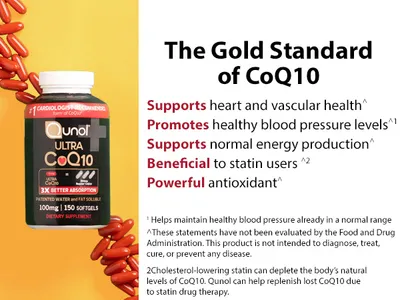
Qunol Ultra CoQ10 100mg
Best overall — the most practical CoQ10 option for daily energy support after 60, especially for statin users.
- Water-soluble form with 3x better absorption than standard CoQ10
- 100mg dose — the most commonly studied daily amount
- Affordable at roughly $0.25 per day
The best supplement for energy after 60 is Qunol Ultra CoQ10 100mg — a water-soluble formula that absorbs 3x better than standard CoQ10 and directly addresses one of the most common biological causes of age-related fatigue. But here is what most “energy supplement” articles won’t tell you: there is no single pill that restores youthful energy. Fatigue after 60 almost always has multiple overlapping causes — CoQ10 depletion, B12 malabsorption, vitamin D deficiency, mitochondrial decline, or chronic stress — and the right supplement depends entirely on which of these is driving your exhaustion.
We spent six weeks evaluating energy supplements for adults over 60 across four criteria: strength of clinical evidence for fatigue reduction, relevance to age-specific causes of low energy, manufacturing quality and third-party testing, and real-world cost per day.
Why Energy Drops After 60
Understanding why you feel more tired now than you did at 40 is essential for choosing the right supplement. “Low energy” is a symptom with many possible roots, and throwing random supplements at it wastes money. Here are the five most evidence-backed causes of age-related fatigue.
CoQ10 Decline
Coenzyme Q10 is a molecule your body uses to produce ATP — the chemical currency of cellular energy. Every cell requires CoQ10 to generate energy, and your heart, brain, and muscles have the highest concentrations because they demand the most energy.
Your body produces less CoQ10 with each passing decade. By age 70, heart tissue CoQ10 levels can be 50% lower than at age 20. Statin medications — taken by roughly 25% of adults over 60 — make this worse by blocking the same enzyme pathway (HMG-CoA reductase) your body uses to manufacture CoQ10. This is why statin users so frequently report muscle fatigue and weakness.
B12 Malabsorption
Vitamin B12 is essential for red blood cell production and neurological function. Without enough B12, your body cannot efficiently transport oxygen to your tissues, leading to fatigue, weakness, and brain fog.
Here is the problem most people over 60 face: even if your diet includes plenty of B12-rich foods (meat, fish, dairy), your body may no longer absorb it well. After 50, your stomach produces less hydrochloric acid and intrinsic factor — both required for B12 absorption. Studies estimate 10-30% of adults over 60 are B12 deficient due to this absorption decline. Metformin, PPIs (proton pump inhibitors like omeprazole), and H2 blockers further reduce B12 absorption.
Mitochondrial Dysfunction
Your mitochondria are the power plants inside every cell. With age, they become less efficient at converting nutrients into usable energy, and they generate more damaging byproducts (reactive oxygen species) in the process. This decline in mitochondrial function is driven partly by falling NAD+ levels — a coenzyme essential for the electron transport chain where ATP is actually produced. NAD+ levels can drop 50% or more between ages 40 and 60.
The result is less energy produced per unit of food consumed, plus more cellular damage from the energy production process. It is a double hit.
Vitamin D Deficiency
Vitamin D deficiency is remarkably common in older adults — over 40% of adults 65 and older have insufficient levels. Your skin produces less vitamin D from sunlight as you age, you may spend less time outdoors, and dietary intake rarely compensates for this decline.
Vitamin D deficiency causes fatigue, muscle weakness, bone pain, and mood changes. Many people attribute these symptoms to “just getting older” when a $10 supplement could meaningfully improve how they feel. A simple blood test (25-hydroxyvitamin D) can confirm whether deficiency is contributing to your fatigue.
Stress and Adrenal Fatigue
Chronic stress — from health concerns, caregiving responsibilities, financial worries, grief, or sleep disruption — takes a measurable toll on energy. Sustained cortisol elevation disrupts sleep architecture, impairs glucose metabolism, and depletes nutrients your body needs for energy production. While “adrenal fatigue” is not a recognized medical diagnosis, the fatigue caused by chronic stress is very real and may respond to adaptogenic herbs like Rhodiola rosea that modulate the stress response.
How We Chose These Supplements
Not every supplement marketed for “energy” deserves your attention. We specifically excluded caffeine pills, proprietary energy blends, and products with unproven ingredients. Our selection criteria:
Clinical evidence. Each supplement on this list has published human studies — not just test-tube or animal data — supporting its use for energy, fatigue reduction, or the age-related deficiency it addresses.
Mechanism relevance for adults over 60. We focused on supplements that target causes of fatigue that worsen specifically with age (CoQ10 depletion, B12 malabsorption, NAD+ decline, D deficiency, chronic stress). Generic “energy boosters” without age-specific rationale were excluded.
Manufacturing quality. We prioritized products with third-party testing (USP, NSF, or independent lab verification). In the supplement industry, what is on the label is not always what is in the bottle.
Realistic daily cost. Energy support is a long-term commitment, not a one-time purchase. We factored in what each supplement costs per day over months of consistent use.
Best Overall: Qunol Ultra CoQ10 100mg
Qunol Ultra CoQ10 addresses the single most universal energy-related change that happens with aging: the decline of CoQ10 in your cells. Unlike standard CoQ10 supplements, which are oil-soluble and poorly absorbed, Qunol uses a water-soluble formulation that the company’s research shows provides 3x better absorption than conventional CoQ10.
This matters because standard CoQ10 (ubiquinone) is notoriously difficult for your body to absorb. You can take 200mg of a poorly absorbed CoQ10 and get less cellular benefit than 100mg of a well-absorbed one. Qunol’s patented water-and-fat-soluble formula dissolves in both environments in your digestive system, which should improve how much actually reaches your cells.
The statin connection. If you take a statin (atorvastatin, rosuvastatin, simvastatin, or others), CoQ10 supplementation is particularly relevant. A 2018 meta-analysis in the Journal of the American Heart Association found that CoQ10 supplementation significantly reduced statin-associated muscle symptoms — the fatigue, weakness, and soreness that lead many people to stop taking their statins. The American College of Cardiology acknowledges CoQ10 as a reasonable intervention for statin myopathy.
Evidence level: CoQ10 supplementation has been studied in hundreds of human trials. The strongest evidence supports its use for heart failure, statin-associated muscle symptoms, and cellular energy production. A landmark 2014 trial (Q-SYMBIO) showed CoQ10 supplementation reduced cardiovascular mortality by 43% in heart failure patients over two years.
Dose: One softgel (100mg) daily with food. Some studies have used 200-300mg daily for specific conditions.
Who it’s best for: Any adult over 60 experiencing fatigue, especially statin users. CoQ10 is the broadest recommendation on this list because the age-related decline is virtually universal.
Best for Cellular Energy: Life Extension NAD+ Cell Regenerator
While CoQ10 supports one step in the energy production chain, NAD+ is involved in hundreds of metabolic reactions throughout your cells — including the very process by which mitochondria convert food into ATP. When NAD+ levels fall (as they do dramatically with age), energy production becomes less efficient across every cell in your body.
Life Extension NAD+ Cell Regenerator delivers 300mg of NIAGEN nicotinamide riboside (NR) per capsule. NR is a precursor to NAD+ — your body converts it into NAD+ after ingestion. Published human trials confirm this conversion works: a 2018 study in Nature Communications demonstrated that NR supplementation safely and effectively raised NAD+ levels in healthy middle-aged and older adults.
Life Extension has been focused on longevity science since the 1980s, well before NAD+ became a buzzword in the supplement industry. Their formulations reflect genuine engagement with the aging research literature.
Evidence level: NIAGEN has multiple published human clinical trials. The evidence for raising NAD+ levels is well-established. The evidence for translating raised NAD+ into perceptible energy improvements is still building — some users report noticeable benefits, while others notice little change subjectively despite measurable increases in NAD+ biomarkers.
Dose: One capsule daily, with or without food.
Who it’s best for: Adults over 50 who want to address the foundational mitochondrial decline behind age-related fatigue. Particularly relevant if you have tried CoQ10, B12, and vitamin D without sufficient improvement. For more on NAD+ science, see our guide: NMN Supplements Explained
Best for B12 Deficiency: Jarrow Methyl B-12 1000mcg
If your fatigue started gradually after 55-60 and comes with brain fog, tingling in your hands or feet, or difficulty concentrating, B12 deficiency is a prime suspect. And it is far more common than most people realize.
Jarrow Formulas Methyl B-12 uses methylcobalamin — the active form of B12 that your body can use directly without conversion. This is preferable to cyanocobalamin (the cheaper, more common form), which your body must convert before using. As a cherry-flavored lozenge that dissolves under your tongue, it bypasses the GI tract entirely — an important advantage when impaired stomach acid is the reason you are deficient in the first place.
At 1000mcg, the dose is well above the RDA (2.4mcg) but appropriate for supplementation in adults over 60 with reduced absorption. B12 is water-soluble, and excess amounts are excreted in urine, so toxicity is not a practical concern at this dose.
Evidence level: B12 supplementation for B12 deficiency is one of the most well-established interventions in all of nutrition science. The evidence is not in question — the question is whether you are deficient. A serum B12 test (or better, a methylmalonic acid test) can confirm this. Do not assume deficiency. Get tested.
Dose: One lozenge (1000mcg) daily, dissolved under the tongue.
Who it’s best for: Adults over 60 experiencing fatigue, brain fog, or tingling extremities — particularly those taking metformin, PPIs (omeprazole, lansoprazole), or H2 blockers, all of which reduce B12 absorption. At roughly $0.08 per day, this is the most cost-effective energy supplement if B12 deficiency is your root cause.
Best Budget Energy Support: Nature Made Vitamin D3 2000 IU
Nature Made Vitamin D3 may be the most underrated energy supplement for older adults. Vitamin D deficiency is a known cause of fatigue, muscle weakness, and low mood — and it affects a staggering percentage of the senior population. Many people spend hundreds on exotic energy supplements while ignoring a deficiency that costs pennies per day to correct.
Nature Made earns our trust here because of its USP Verified mark. USP (United States Pharmacopeia) is one of the most rigorous third-party supplement testing programs in the world. A USP-verified supplement has been independently tested for purity, potency, dissolution, and freedom from contaminants. In an industry where what is on the label often differs from what is in the bottle, this matters.
The fatigue connection. A 2019 meta-analysis in Medicine found that vitamin D supplementation significantly improved fatigue in people with vitamin D deficiency. The key word is “deficiency” — if your levels are already adequate (above 30 ng/mL), supplementation may not improve energy. This is why testing matters.
Evidence level: The evidence linking vitamin D deficiency to fatigue is strong. The evidence that supplementation improves energy is strong in deficient individuals and weak in those with adequate levels. Get your 25-hydroxyvitamin D tested before deciding.
Dose: One softgel (2000 IU) daily with a meal containing fat for absorption. Your doctor may recommend a higher dose (4000-5000 IU) if your levels are significantly low.
Who it’s best for: Adults over 60 who spend limited time outdoors, live in northern latitudes, have darker skin, or have not had their vitamin D levels tested recently. At under $0.05 per day, the cost of a 3-month trial is essentially zero. Read our full product review: Nature Made Vitamin D3 2000 IU
Best Adaptogen for Stress-Related Fatigue: Rhodiola Rosea by Gaia Herbs
Not all fatigue is nutritional. If your exhaustion correlates with caregiving stress, grief, anxiety, sleep disruption, or feeling overwhelmed, the root cause may be your stress response system — not a vitamin deficiency.
Rhodiola rosea is an adaptogenic herb with a long history of use in Scandinavian and Russian traditional medicine, and a growing body of clinical research supporting its use for stress-related fatigue. Unlike stimulants that mask exhaustion, Rhodiola appears to modulate the cortisol stress response, helping your body manage stress more efficiently rather than just overriding the fatigue signal.
Gaia Herbs uses a concentrated liquid extract of Rhodiola rosea root in vegan capsules. Their Purity-Tested program provides batch-specific traceability through Gaia’s Meetyourherbs.com platform, where you can verify the sourcing and testing of your specific bottle.
Evidence level: A 2012 randomized controlled trial in Phytomedicine found that 400mg of Rhodiola rosea extract significantly reduced stress-related fatigue, improved attention, and enhanced overall well-being in burnout patients after 12 weeks. A 2000 study in Phytomedicine demonstrated that Rhodiola improved mental performance and reduced mental fatigue during stress. The evidence is solid for stress-related fatigue specifically, though less established for fatigue from other causes.
Dose: One capsule daily, taken in the morning (it may be mildly stimulating, so avoid taking it before bed).
Who it’s best for: Adults over 60 whose fatigue correlates with chronic stress, caregiving burnout, anxiety, or emotional exhaustion. Not a substitute for B12, CoQ10, or vitamin D supplementation if those deficiencies exist — Rhodiola addresses a different root cause entirely.
When Fatigue Signals Something Medical
Before spending money on any supplement, it is important to rule out medical causes of fatigue that require treatment, not supplementation. Talk to your doctor if you experience:
Persistent, unexplained fatigue lasting more than two weeks. This warrants a basic workup including complete blood count, thyroid panel (TSH, free T4), metabolic panel, B12, vitamin D, and iron studies.
Fatigue with shortness of breath or chest pressure. Heart failure, anemia, and pulmonary conditions cause fatigue and require medical evaluation.
Fatigue with unintentional weight loss. This combination warrants prompt medical evaluation.
Fatigue that worsened after starting a new medication. Beta-blockers, antihistamines, antidepressants, benzodiazepines, and many other medications cause fatigue as a side effect. Do not stop medications on your own — discuss alternatives with your prescribing physician.
Fatigue with heavy snoring or daytime sleepiness. Sleep apnea is extremely common in adults over 60 and is a treatable cause of debilitating fatigue. A sleep study can diagnose it.
Fatigue with depression or persistent low mood. Depression causes profound fatigue and is underdiagnosed in older adults. Treatment — therapy, medication, or both — can dramatically improve energy.
Supplements are appropriate when you have ruled out or are managing medical conditions. They are not a substitute for diagnosis.
How to Choose the Right Energy Supplement
If you are not sure where to start, this framework can help:
Start with testing. Ask your doctor to check your B12, vitamin D, and iron levels. If any are low, correcting the deficiency is almost certainly more impactful than any other supplement you could take. This is the highest-probability first move.
If you take a statin, add CoQ10. The evidence for statin-induced CoQ10 depletion is strong enough that many cardiologists recommend it proactively. Qunol Ultra CoQ10 100mg is a simple, affordable addition to your daily routine.
If deficiencies are corrected and fatigue persists, consider NAD+. Mitochondrial decline is harder to test for directly, but if B12, D, and iron are all adequate and you still feel fatigued, NAD+ precursors address the foundational cellular energy decline that blood tests do not capture.
If stress is the dominant factor, try Rhodiola. You know if stress is driving your fatigue. If caregiving, grief, health worries, or chronic anxiety are central to your exhaustion, an adaptogen may help more than a vitamin.
Give each supplement 8-12 weeks. Except for B12 (which can improve energy within days in severely deficient individuals), most energy supplements require consistent daily use for at least two months before you can fairly evaluate their effect. Start one at a time so you know what is actually helping.
Frequently Asked Questions
Why do I have so much less energy after 60? Several biological changes converge after 60 to reduce your energy. Your mitochondria become less efficient with age. CoQ10, a molecule essential for mitochondrial energy production, declines roughly 50% between ages 30 and 70. Vitamin B12 absorption decreases because your stomach produces less hydrochloric acid (up to 30% of adults over 60 have B12 deficiency). Vitamin D deficiency, which causes fatigue and muscle weakness, affects over 40% of adults over 65. Hormonal changes, reduced physical activity, poor sleep quality, and medication side effects compound the problem.
Should I take CoQ10 if I’m on a statin? Many doctors recommend it. Statins block the same enzyme pathway your body uses to produce CoQ10, and statin users commonly experience muscle fatigue and weakness that may be related to CoQ10 depletion. A 2018 meta-analysis in the Journal of the American Heart Association found CoQ10 supplementation reduced statin-associated muscle symptoms. Doses of 100-200mg daily are most commonly studied. Tell your doctor you want to add CoQ10 — most cardiologists are aware of this connection and supportive of supplementation.
How long do energy supplements take to work? It depends on the supplement and the underlying cause of your fatigue. B12 supplementation can improve energy within 1-2 weeks if you are genuinely deficient. CoQ10 typically takes 4-8 weeks of consistent use before most people notice a difference. NAD+ precursors may take 2-4 weeks. Vitamin D can take 8-12 weeks to fully replete if you are significantly deficient. Rhodiola rosea often shows effects within 1-2 weeks in clinical trials. If you feel no improvement after 8-12 weeks, the supplement may not be addressing the root cause of your fatigue.
Can supplements replace sleep for boosting energy? No. No supplement compensates for poor sleep. Sleep is when your body performs critical repair processes, consolidates memory, clears metabolic waste from the brain, and restores hormonal balance. If you are sleeping fewer than 7 hours or waking unrefreshed, address sleep quality first. Common sleep disruptors in adults over 60 include sleep apnea, frequent urination, pain, medications, and caffeine sensitivity. Talk to your doctor about a sleep evaluation before spending money on energy supplements.
Is it safe to take multiple energy supplements together? The five supplements in this article (CoQ10, NR, B12, vitamin D, and Rhodiola) can generally be taken together safely because they work through completely different mechanisms. However, always disclose all supplements to your doctor, especially if you take blood thinners, blood pressure medications, or diabetes drugs. Start with one supplement at a time so you can identify what is actually helping. Adding everything at once makes it impossible to know what works for you.
The Bottom Line
There is no single energy pill that restores how you felt at 40. But understanding why your energy has declined gives you a targeted strategy instead of a guessing game.
Qunol Ultra CoQ10 is our top pick for overall energy support after 60 because CoQ10 depletion is nearly universal with age and worse with statin use. Jarrow Methyl B-12 and Nature Made Vitamin D3 are low-cost, high-impact options if testing reveals deficiencies in those nutrients — and deficiencies are far more common than most people assume. Life Extension NAD+ Cell Regenerator targets the deeper mitochondrial decline that drives cellular energy loss with age. And Gaia Herbs Rhodiola addresses the stress-driven exhaustion that no vitamin can fix.
Start with a blood test. Correct what is low. Then build from there. Consult your doctor before starting any new supplement, especially if you take prescription medications.
For related reading, see our guides on Best CoQ10 Supplements, Best Anti-Aging Supplements, and Best Natural Sleep Aids.
All Products We Reviewed
- Water-soluble form with 3x better absorption than standard CoQ10
- 100mg dose — the most commonly studied daily amount
- Affordable at roughly $0.25 per day
- Widely available and #1 cardiologist-recommended CoQ10 brand
- Softgel contains soy lecithin (allergen concern for some)
- Lower dose than some clinical trials that used 200-300mg
- Absorption claims are manufacturer-funded studies
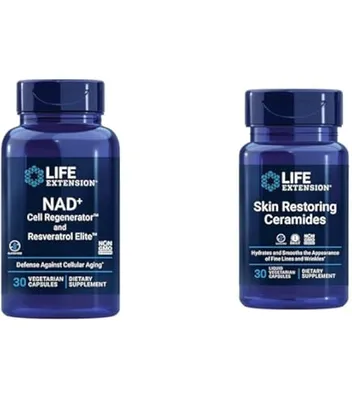
- 300mg NIAGEN nicotinamide riboside — clinically relevant dose
- Targets NAD+ decline, a fundamental driver of age-related fatigue
- Published human trials confirm it raises NAD+ levels
- From a brand with 40+ years in longevity research
- Premium price at ~$1.30 per day
- NAD+ benefits may not be immediately noticeable
- Less evidence specifically for perceived energy vs cellular-level changes
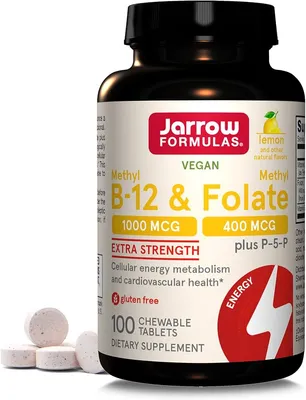
- Methylcobalamin form — active, no conversion required
- 1000mcg dose compensates for age-related absorption decline
- Cherry-flavored lozenge dissolves sublingually, bypassing gut absorption
- Extremely affordable at under $0.10 per day
- Only addresses fatigue caused by B12 deficiency
- Sublingual lozenges contain sugar alcohols (xylitol, mannitol)
- Won't help if your B12 levels are already adequate
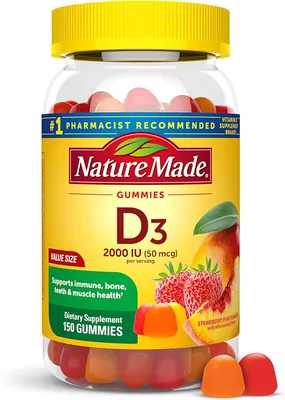
- USP Verified — independently tested for purity and potency
- 2000 IU dose widely recommended for adults over 50
- Addresses a deficiency affecting 40%+ of older adults
- Budget-friendly at under $0.05 per day
- Only helps fatigue caused by vitamin D deficiency
- May take 8-12 weeks to fully replete low levels
- Requires fat for absorption — must take with a meal
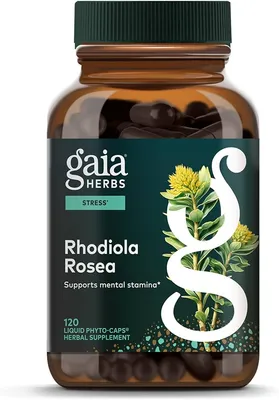
- Clinically studied adaptogen for fatigue and stress resilience
- Purity-Tested with traceable sourcing
- Concentrated liquid extract in vegan capsule
- Effects often noticeable within 1-2 weeks
- Adaptogen category has less rigorous evidence than vitamins/minerals
- May interact with antidepressants and blood pressure medications
- Not USP or NSF certified
Frequently Asked Questions
Why do I have so much less energy after 60?
Several biological changes converge after 60 to reduce your energy. Your mitochondria — the energy factories inside every cell — become less efficient with age. CoQ10, a molecule essential for mitochondrial energy production, declines roughly 50% between ages 30 and 70. Vitamin B12 absorption decreases because your stomach produces less hydrochloric acid (up to 30% of adults over 60 have B12 deficiency). Vitamin D deficiency, which causes fatigue and muscle weakness, affects over 40% of adults over 65. Hormonal changes, reduced physical activity, poor sleep quality, and medication side effects compound the problem.
Should I take CoQ10 if I'm on a statin?
Many doctors recommend it. Statins block the same enzyme pathway your body uses to produce CoQ10, and statin users commonly experience muscle fatigue and weakness that may be related to CoQ10 depletion. A 2018 meta-analysis in the Journal of the American Heart Association found CoQ10 supplementation reduced statin-associated muscle symptoms. Doses of 100-200mg daily are most commonly studied. Tell your doctor you want to add CoQ10 — most cardiologists are aware of this connection and supportive of supplementation.
How long do energy supplements take to work?
It depends on the supplement and the underlying cause of your fatigue. B12 supplementation can improve energy within 1-2 weeks if you are genuinely deficient. CoQ10 typically takes 4-8 weeks of consistent use before most people notice a difference. NAD+ precursors may take 2-4 weeks. Vitamin D can take 8-12 weeks to fully replete if you are significantly deficient. Rhodiola rosea often shows effects within 1-2 weeks in clinical trials. If you feel no improvement after 8-12 weeks, the supplement may not be addressing the root cause of your fatigue.
Can supplements replace sleep for boosting energy?
No. No supplement compensates for poor sleep. Sleep is when your body performs critical repair processes, consolidates memory, clears metabolic waste from the brain, and restores hormonal balance. If you are sleeping fewer than 7 hours or waking unrefreshed, address sleep quality first. Common sleep disruptors in adults over 60 include sleep apnea, frequent urination, pain, medications, and caffeine sensitivity. Talk to your doctor about a sleep evaluation before spending money on energy supplements.
Is it safe to take multiple energy supplements together?
The five supplements in this article (CoQ10, NR, B12, vitamin D, and Rhodiola) can generally be taken together safely because they work through completely different mechanisms. However, always disclose all supplements to your doctor, especially if you take blood thinners, blood pressure medications, or diabetes drugs. Start with one supplement at a time so you can identify what is actually helping. Adding everything at once makes it impossible to know what works for you.