
Best Supplements for Menopause Joint Pain (2026)
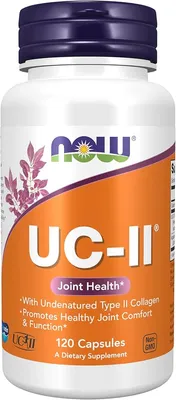
NOW Foods UC-II Undenatured Type II Collagen
Best overall for menopause joint pain — the strongest clinical evidence for morning stiffness and joint function at the exact dose used in trials.
- 40mg of undenatured type II collagen — the clinically studied dose
- Outperformed glucosamine plus chondroitin in a 180-day trial
- Low daily cost — roughly $0.40 per day
Menopausal joint pain affects up to 60% of women during the menopause transition, and it surprises most of them. Estrogen has direct anti-inflammatory effects and helps preserve cartilage — when it declines, joints that felt fine for decades can suddenly ache and stiffen. The strongest supplement evidence supports UC-II undenatured collagen (40mg daily) for knee and hand stiffness, omega-3 EPA+DHA (2,000-3,000mg) for inflammation, and curcumin phytosome for general joint inflammation. Addressing vitamin D deficiency is often the highest-yield intervention, because estrogen loss accelerates deficiency and worsens joint complaints.
We spent six weeks reviewing clinical research on menopause arthralgia, consulting rheumatology and menopause literature, and evaluating supplements based on clinical evidence, safety profile, and third-party testing. Here are the five that met our standards — along with the honest context you need to build a strategy that works.
Important: Significant joint swelling, warmth, asymmetric pain, or deformity is not typical menopause arthralgia and needs medical evaluation. Rheumatoid arthritis often begins around age 50 and requires specific treatment. If your joint pain is severe, sudden, or accompanied by other systemic symptoms, see your doctor before self-treating with supplements.
Key Takeaways
- Menopause arthralgia — joint pain driven by declining estrogen — affects up to 60% of women in the transition
- UC-II undenatured collagen at 40mg daily has the strongest clinical evidence for reducing knee and hand stiffness
- Omega-3 EPA+DHA at 2,000-3,000mg meaningfully reduces inflammatory markers and joint discomfort
- 8-12 weeks to full effect for most joint supplements — patience is essential
- Vitamin D deficiency is common after 50 and independently worsens musculoskeletal pain — get tested
- Discuss with your doctor before combining curcumin or high-dose omega-3 with blood thinners
Why Menopause Causes Joint Pain
Most women expect hot flashes and night sweats. Joint pain catches them off guard. But it is one of the most common — and most under-recognized — symptoms of the menopause transition.
Estrogen does two things that protect your joints. It acts as a natural anti-inflammatory, dampening the cytokine signaling that produces pain and swelling. And it helps preserve cartilage by regulating the balance of cartilage-building and cartilage-breakdown signals.
When estrogen declines during perimenopause and menopause, both of these protective effects weaken. Inflammation rises. Cartilage turnover shifts toward breakdown. The result is a pattern that researchers have named menopause arthralgia — symmetric joint aching and stiffness, most commonly in the knees, hands, and fingers, that is often worst in the morning and improves somewhat with movement.
A 2005 study by Castelo-Branco and colleagues in Climacteric documented that joint pain affects up to 60% of women during the menopause transition. Later research has replicated this finding across multiple populations. The pain is real, it is hormone-driven, and it is not just “aging.”
The good news: for most women, menopause arthralgia peaks in the 2-3 years around the menopause transition and gradually improves over 5-7 years as the body adapts to lower estrogen levels. Hormone replacement therapy reduces joint pain for many women, and targeted supplements combined with exercise can meaningfully ease the transition.
If your symptoms extend beyond joint pain into hot flashes, mood changes, or sleep disruption, see our full menopause supplements guide for options that address those symptoms. And if you are new to understanding this phase, the perimenopause symptoms and supplements primer covers the broader picture.
When to See a Doctor — Not Just Supplement
Before we get to our picks, let’s address something important. Not all joint pain in women over 50 is menopause arthralgia.
Rheumatoid arthritis often begins in the 40s and 50s, and women are three times more likely to develop it than men. RA produces persistent joint swelling, warmth, stiffness that lasts longer than 30 minutes in the morning, and — if untreated — progressive joint damage. Early diagnosis and treatment dramatically change long-term outcomes. If you have swollen, warm joints, symmetric wrist or small-finger involvement, or stiffness that takes hours to improve, see your doctor for a rheumatology evaluation before starting supplements.
Osteoarthritis is structural wear-and-tear of cartilage that typically affects weight-bearing joints (knees, hips) and can overlap with menopause arthralgia. Estrogen loss can accelerate osteoarthritis progression, which is part of why menopause often feels like the point when joints “go.”
Septic arthritis, gout, and other inflammatory conditions require prompt medical attention. A single hot, red, exquisitely painful joint is not menopause arthralgia — it is an emergency.
Supplements are reasonable for the dull, symmetric, morning-stiffness pattern typical of menopause arthralgia. They are not a substitute for diagnosis when your symptoms suggest something else.
Our Top Picks Compared
1. NOW Foods UC-II Undenatured Collagen — Best Overall
Undenatured type II collagen (UC-II) is a specialized form of collagen that works through a mechanism entirely different from hydrolyzed collagen peptides. Where peptides provide building blocks, UC-II works through oral tolerance — a small daily dose of intact type II collagen appears to retrain the immune system to stop attacking the body’s own cartilage. NOW Foods provides the clinically studied 40mg dose at a reasonable price.
How it works: When 40mg of intact type II collagen passes through specialized immune tissue in the small intestine (Peyer’s patches), it signals regulatory T-cells to downregulate inflammation directed at cartilage. This reduces the low-grade immune-driven cartilage damage that contributes to stiffness and joint discomfort.
The evidence: A 2016 randomized controlled trial by Lugo and colleagues in Nutrition Journal compared 40mg of UC-II to 1,500mg glucosamine plus 1,200mg chondroitin in 191 adults with knee osteoarthritis over 180 days. UC-II produced greater improvements in knee stiffness, function, and pain than the glucosamine-chondroitin combination. Earlier work by Crowley and colleagues in 2009 found similar benefits for UC-II over glucosamine-chondroitin in a smaller knee osteoarthritis trial. While most UC-II trials have studied osteoarthritis rather than menopause arthralgia specifically, the inflammatory mechanisms overlap significantly.
Dosing: 40mg once daily, taken on an empty stomach. Allow 8-12 weeks for full effect — most responders notice initial improvement by week 6 and peak benefit around week 12.
Safety: UC-II has an excellent safety profile with minimal reported side effects. It is generally compatible with other supplements and most medications. If you have a known collagen allergy or autoimmune condition affecting cartilage, discuss with your doctor first.
Who it’s best for: Women whose primary complaint is morning stiffness, knee or hand pain, and reduced joint function. It is our first-choice recommendation for menopause arthralgia because the mechanism addresses the inflammatory side of joint pain directly.
For more on the different collagen forms, see our comparison of collagen types for joint pain.
2. Vital Proteins Collagen Peptides — Best for Multi-Benefit Support
Hydrolyzed collagen peptides take a different approach — they are collagen proteins broken into smaller peptides (2-5 kDa) that are absorbed as dipeptides and tripeptides and may signal chondrocytes to upregulate cartilage matrix production. Vital Proteins Collagen Peptides is the most widely used hydrolyzed collagen in the US, providing 20g of type I and III collagen per scoop.
How it works: Specific bioactive dipeptides (proline-hydroxyproline, hydroxyproline-glycine) appear in the bloodstream after ingestion and may stimulate collagen synthesis in joints, skin, and connective tissue. The evidence is strongest for skin and modest for joints.
The evidence: A 2008 trial by Clark and colleagues in athletes with activity-related joint pain found that 10g of hydrolyzed collagen daily for 24 weeks reduced joint pain scores compared to placebo. A 2017 trial in postmenopausal women by Jendricke and colleagues found specific collagen peptides reduced joint discomfort in active women. The joint-specific evidence is weaker than for UC-II, but the signal is real and the safety profile is excellent.
Dosing: 10-20g daily in coffee, smoothies, or water. Take with a source of vitamin C to support collagen synthesis.
Who it’s best for: Women who want collagen support that covers multiple concerns at once — skin hydration and elasticity, hair and nail quality, and modest joint benefit. If you only care about joint pain, UC-II is a better single-purpose choice. If you want one supplement that meaningfully addresses several menopausal concerns, collagen peptides are a practical choice. See our best collagen for women over 50 guide for more options.
3. Nordic Naturals Ultimate Omega — Best for Inflammation
Omega-3 EPA and DHA are the most evidence-backed anti-inflammatory supplements available. They compete with arachidonic acid at the same enzymes that produce inflammatory prostaglandins and leukotrienes, shifting the balance toward less inflammation. Nordic Naturals Ultimate Omega delivers 1,280mg of omega-3s (1,100mg EPA+DHA) per two-softgel serving in the triglyceride form — the form your body absorbs most efficiently.
How it works: Beyond competitive inhibition at prostaglandin pathways, EPA and DHA give rise to specialized pro-resolving mediators (resolvins, protectins) that actively help resolve inflammation once it has started. This matters for menopause arthralgia because the joint pain is partially driven by low-grade inflammatory signaling that doesn’t fully shut off.
The evidence: Multiple meta-analyses have confirmed that 2,000-3,000mg of EPA+DHA daily reduces markers of systemic inflammation and improves joint pain in rheumatoid arthritis. For osteoarthritis and menopause arthralgia specifically, the evidence is less dramatic but consistently positive — reduced stiffness, modest pain improvement, and better joint function. A 2016 study by Senftleber and colleagues in Nutrients reviewed the evidence and concluded omega-3 produces small but reliable improvements in joint pain and function.
Dosing: 2,000-3,000mg of EPA+DHA daily. Take with meals to improve absorption and minimize fishy aftertaste. Full anti-inflammatory effect builds over 8-12 weeks.
Safety: High-dose omega-3 has mild blood-thinning effects. If you take warfarin, apixaban, or other anticoagulants, discuss with your doctor before starting. Heartburn or fishy reflux is common initially — taking with a meal and freezing softgels can help.
Who it’s best for: Every woman with menopause-related joint pain should consider omega-3. The broader benefits extend well beyond joints to heart health, cognitive function, and mood — all areas where women over 50 benefit. For deeper reading, see our best omega-3 fish oil guide.
4. Thorne Meriva Curcumin Phytosome — Best for General Joint Inflammation
Curcumin is the main active compound in turmeric, and it is one of the most studied natural anti-inflammatory agents. The challenge is absorption — standard curcumin is poorly absorbed and cleared rapidly. Thorne’s Meriva uses phytosome technology, binding curcumin to phosphatidylcholine to dramatically improve bioavailability.
How it works: Curcumin inhibits multiple inflammatory pathways, including NF-kB signaling and inflammatory cytokines like TNF-alpha and IL-6. The Meriva phytosome form has been shown in pharmacokinetic studies to deliver roughly 29 times more curcumin to the bloodstream than equivalent doses of standard curcumin extracts.
The evidence: A 2010 study by Belcaro and colleagues in Panminerva Medica found that Meriva 1,000mg daily significantly reduced osteoarthritis symptoms over 8 months. Subsequent trials have replicated joint benefit in knee and hand osteoarthritis. While menopause-specific curcumin trials are limited, the anti-inflammatory mechanism applies directly to the low-grade inflammation driving menopause arthralgia.
Dosing: 500-1,000mg of Meriva-form curcumin daily with a meal containing some fat.
Safety: Curcumin has mild blood-thinning properties. Avoid combining with anticoagulants without medical supervision. It may modestly lower blood sugar, which is generally beneficial but worth monitoring if you take diabetes medications. High doses can cause GI upset in sensitive individuals.
Who it’s best for: Women with joint pain who also have general inflammation markers, arthritis diagnosis, or want broader systemic anti-inflammatory support. The phytosome form is dramatically better absorbed than regular curcumin — do not settle for generic turmeric capsules when the bioavailability difference is this large.
5. NOW Foods Boron 3mg — Best Supporting Supplement
Boron is a trace mineral that most discussions of joint health overlook. It is not going to be the dramatic fix for joint pain, but the evidence for its supporting role in bone and joint health is surprisingly strong, and NOW Foods Boron 3mg provides the studied dose at very low cost.
How it works: Boron supports calcium and magnesium utilization, influences vitamin D activation, and may modulate inflammatory signaling. Populations with higher dietary boron intake have consistently lower rates of arthritis — an observation that has been replicated across multiple countries. Boron also appears to slightly raise steroid hormone levels, which may partially offset the steep drop in estrogen during menopause.
The evidence: A 1990 analysis by Newnham found an inverse correlation between dietary boron intake and arthritis rates across countries. A double-blind trial published the same year found 6mg of boron reduced osteoarthritis symptoms in 71% of participants versus 10% with placebo — though the study was small. More recent reviews confirm that adequate boron status is important for bone and joint health, though boron is rarely the lone solution.
Dosing: 3mg once daily with a meal. Higher doses (6-10mg) have been used in research but increase the chance of small effects on hormones.
Safety: Boron may slightly raise estrogen levels. This is generally not a concern, but if you have estrogen-sensitive conditions or are on hormone therapy, mention it to your doctor. The upper tolerable limit from all sources is 20mg daily — supplement doses of 3mg are well within safe range.
Who it’s best for: Anyone already taking UC-II or omega-3 who wants a simple, inexpensive supporting mineral. Boron complements the other supplements on this list rather than replacing any of them.
Don’t Forget Vitamin D
Vitamin D is not a product on our top 5 list because it is universal — almost every woman over 50 benefits from checking and correcting her level. But it deserves explicit mention in any discussion of menopause joint pain.
Vitamin D deficiency is independently associated with musculoskeletal pain. Estrogen helps the body activate vitamin D into its most bioactive form, and declining estrogen can worsen existing deficiency. A 2014 study by Plotnikoff and colleagues in Mayo Clinic Proceedings found that correcting vitamin D deficiency reduced musculoskeletal pain in a substantial fraction of patients.
Ask your doctor to check a 25-hydroxyvitamin D blood test. Aim for a level of 30-50 ng/mL. Most women over 50 need 1,000-2,000 IU of vitamin D3 daily to reach and maintain this range, but the right dose depends on your starting level, body weight, and sun exposure. Addressing deficiency costs pennies and may be the highest-yield intervention for your joint pain — do this before anything else on this list.
Who Should NOT Take These Supplements
A few situations call for caution:
Active rheumatoid arthritis or autoimmune joint disease. UC-II’s mechanism involves immune regulation, and its safety in active RA is less established. Work with a rheumatologist on your overall approach before adding any immunomodulating supplement.
Anticoagulant therapy. Both high-dose omega-3 and curcumin have mild blood-thinning effects. If you take warfarin, apixaban, rivaroxaban, clopidogrel, or similar agents, discuss with your prescriber before adding either.
Planned surgery within 2 weeks. Stop curcumin and high-dose omega-3 at least 10-14 days before any scheduled surgery or invasive procedure.
Estrogen-sensitive conditions. Boron’s mild estrogen-raising effect is not a concern for most women, but discuss with your oncologist if you have a history of estrogen-sensitive breast cancer.
Gallbladder issues. High-dose fish oil can trigger symptoms in women with active gallstones or biliary disease.
Building Your Menopause Joint Pain Strategy
Here is a practical framework for putting this together:
Start with the basics. Get your 25-hydroxyvitamin D level checked and corrected. Move daily — even 20-30 minutes of walking reduces joint stiffness. Maintain a healthy weight; each extra pound of body weight puts four extra pounds of force through the knees. These fundamentals do more than any supplement.
Layer in UC-II. At 40mg daily for 12 weeks, it has the most direct evidence for menopause-relevant joint pain. If you don’t feel a meaningful difference by week 12, it probably isn’t going to work for you — switch or combine with another approach.
Add omega-3 for broader benefit. At 2,000-3,000mg EPA+DHA, omega-3 reduces joint inflammation and improves cardiovascular, cognitive, and mood outcomes — all areas that benefit women over 50.
Consider curcumin or collagen peptides based on your secondary goals. Curcumin for broader anti-inflammatory support. Collagen peptides if you want skin and hair benefits alongside modest joint support.
Discuss hormone replacement therapy with your doctor. HRT is the most effective intervention for menopause arthralgia. Supplements complement it; they do not outperform it for moderate to severe symptoms. Our hormone replacement therapy guide covers the benefits and risks for informed conversation with your prescriber.
Track your symptoms. A simple daily 1-10 score for morning stiffness and average pain, written down for 12 weeks, gives you real data. Without tracking, you will either give up too soon or keep taking something that isn’t working.
Cross-Reference: Other Menopause Symptom Guides
If your joint pain comes with other menopausal concerns, these guides may help:
- Best Supplements for Hot Flashes
- Best Menopause Supplements
- Best DIM Supplements for Menopause
- Estroven vs Remifemin vs Relizen Comparison
The Bottom Line
Menopause joint pain is real, hormone-driven, and under-recognized. For most women, it peaks around the menopause transition and gradually improves over several years. During that window, targeted supplements can meaningfully reduce stiffness and pain.
Start with UC-II undenatured collagen at 40mg daily — it has the strongest clinical evidence for the symmetric, morning-stiffness pattern typical of menopause arthralgia. Add omega-3 at 2,000-3,000mg EPA+DHA for broader anti-inflammatory support. Consider curcumin phytosome if you want additional inflammation coverage, or collagen peptides if you want skin and hair benefits alongside modest joint support. Address vitamin D deficiency, keep moving, and discuss hormone replacement therapy with your doctor as part of the bigger picture.
Whatever you choose, give each supplement a full 8-12 weeks before judging effectiveness. Track your symptoms in a simple journal so you have real data rather than relying on memory. And if your pain is severe, asymmetric, or accompanied by swelling, see your doctor — not every painful joint after 50 is menopause arthralgia, and the right diagnosis comes before the right supplement.
Sources
- Castelo-Branco C, et al. Menopause-related joint pain. Climacteric 2005.
- Crowley DC, et al. Safety and efficacy of undenatured type II collagen for knee osteoarthritis. International Journal of Medical Sciences 2009.
- Lugo JP, et al. Efficacy and tolerability of an undenatured type II collagen supplement in modulating knee osteoarthritis symptoms. Nutrition Journal 2016.
- Plotnikoff GA, et al. Prevalence of severe hypovitaminosis D in patients with persistent, nonspecific musculoskeletal pain. Mayo Clinic Proceedings 2014.
- Senftleber NK, et al. Marine oil supplements for arthritis pain. Nutrients 2017.
- Belcaro G, et al. Efficacy and safety of Meriva, a curcumin-phosphatidylcholine complex, during extended administration in osteoarthritis patients. Panminerva Medica 2010.
- Newnham RE. Essentiality of boron for healthy bones and joints. Environmental Health Perspectives 1994.
All Products We Reviewed
- 40mg of undenatured type II collagen — the clinically studied dose
- Outperformed glucosamine plus chondroitin in a 180-day trial
- Low daily cost — roughly $0.40 per day
- Third-party tested, GMP-certified facility
- Takes 8-12 weeks for noticeable benefit
- Single-ingredient formula — not a full joint stack
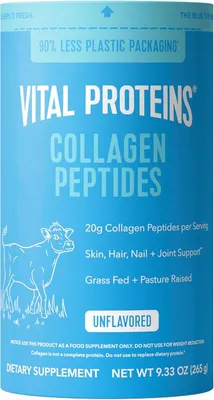
- 20g hydrolyzed collagen per scoop — type I and III
- Unflavored powder mixes easily into coffee or smoothies
- Supports skin and hair alongside joint comfort
- Pasture-raised, grass-fed bovine sourcing
- Joint-specific evidence is weaker than UC-II
- Higher daily cost than UC-II capsules
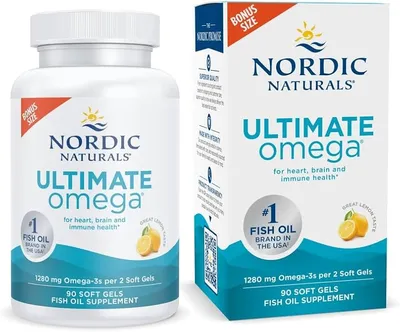
- 1,280mg of omega-3s (1,100mg EPA+DHA) per two-softgel serving — high potency
- Triglyceride form for better absorption than ethyl ester
- Third-party tested for heavy metals and oxidation
- Lemon flavor — minimal fishy aftertaste
- More expensive than budget fish oils
- Two softgels per serving — larger pill burden
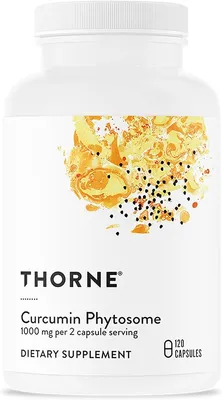
- Meriva phytosome technology — 29x better absorption than standard curcumin
- Backed by multiple human trials for joint comfort
- Third-party tested, NSF Certified for Sport
- No black pepper extract required for absorption
- Higher cost than generic turmeric capsules
- Mild blood-thinning effect — caution with anticoagulants

- 3mg dose matches the amount used in joint and bone research
- Supports calcium and magnesium utilization
- Very affordable — roughly $0.05 per day
- Simple single-ingredient formula
- Evidence for standalone joint pain relief is modest
- May modestly raise estrogen — discuss with your doctor
Frequently Asked Questions
Why did my joints start hurting during menopause?
Estrogen has direct anti-inflammatory effects and helps preserve cartilage and connective tissue. As estrogen declines during perimenopause and menopause, inflammatory signaling rises and cartilage turnover accelerates — producing the stiffness and aching that researchers call menopause arthralgia. A 2005 study by Castelo-Branco and colleagues found joint pain affects up to 60% of women during the menopause transition, most commonly in the knees, hands, and fingers. The pain is often worst in the morning and improves with movement. It is a real, hormone-driven phenomenon — not just aging.
How long does menopause joint pain last?
For most women, joint pain during menopause peaks in the 2-3 years around the menopause transition and gradually improves over 5-7 years as the body adapts to lower estrogen levels. Some women experience near-complete resolution, while others develop more persistent joint issues, particularly if osteoarthritis was already developing. Hormone replacement therapy can reduce menopause-related joint pain for many women, and targeted supplements combined with exercise and weight management can help you feel better during the transition. If pain is severe, asymmetric, or accompanied by swelling and warmth, see your doctor to rule out rheumatoid arthritis or other inflammatory conditions.
Does collagen really help menopause joint pain?
The strongest collagen evidence for joint pain is for undenatured type II collagen (UC-II) at 40mg daily. A 2016 study by Lugo and colleagues in Nutrition Journal found 40mg of UC-II outperformed glucosamine plus chondroitin for knee stiffness and function over 180 days. Hydrolyzed collagen peptides (10-15g daily) have more modest evidence — several trials have shown reduced joint discomfort in active adults, though the studies are smaller and less consistent. Both forms have a reasonable safety profile, and many women find combining UC-II for joint stiffness with collagen peptides for skin and hair support covers multiple menopausal concerns in one strategy.
Can I take these supplements with hormone replacement therapy?
UC-II collagen, collagen peptides, omega-3 fish oil, curcumin, and boron are all generally compatible with hormone replacement therapy. None of these supplements contain hormones or phytoestrogens. However, curcumin and high-dose omega-3 both have mild blood-thinning effects, so if you take anticoagulants like warfarin or apixaban, or blood pressure medication, discuss with your prescribing doctor before starting. Boron at doses above 3mg daily may slightly raise estrogen levels, which is generally not a concern with HRT but worth mentioning to your doctor. Always share your full supplement list with your prescriber — they need the complete picture to manage your care safely.
Is menopause joint pain the same as arthritis?
No — though they can overlap. Menopause arthralgia is driven primarily by estrogen decline and typically affects joints symmetrically, with morning stiffness and achiness that improves with movement. It rarely involves joint swelling, warmth, or deformity. Osteoarthritis is structural wear-and-tear of cartilage that develops over decades and typically affects weight-bearing joints asymmetrically. Rheumatoid arthritis is an autoimmune condition with persistent swelling, warmth, and joint damage. Menopause can unmask or accelerate osteoarthritis because estrogen helps preserve cartilage, but the conditions have different mechanisms. If you have significant joint swelling, warmth, or asymmetric pain, see your doctor to get the right diagnosis before self-treating.
What role does vitamin D play in menopause joint pain?
Vitamin D deficiency is common in women over 50 and is independently associated with musculoskeletal pain. Estrogen helps the body activate vitamin D, so declining estrogen can worsen existing deficiency. A 2014 study by Plotnikoff in the Mayo Clinic Proceedings found that correcting vitamin D deficiency reduced musculoskeletal pain in a substantial portion of patients. Most women over 50 benefit from 1,000-2,000 IU of vitamin D3 daily, but the right dose depends on your current blood level — aim for 30-50 ng/mL. Ask your doctor to check a 25-hydroxyvitamin D blood test. Addressing deficiency is one of the simplest and highest-yield interventions for menopause-related aches.
How long before these supplements start working?
Expect 8-12 weeks of consistent daily use before judging effectiveness for any joint supplement. UC-II collagen shows noticeable benefit for most responders by weeks 8-12. Omega-3 fish oil at 2,000-3,000mg EPA+DHA begins reducing inflammatory markers within 4-6 weeks and builds through 12 weeks. Curcumin phytosome often produces subjective improvement in 4-8 weeks because its anti-inflammatory effects are more immediate. Boron and vitamin D support the underlying environment for joint health over months, not days. Track your stiffness, morning pain, and function in a simple journal — this gives you real data instead of relying on memory, and helps you know if something is actually working.