
Fish Oil vs Krill Oil: Which Omega-3 Is Better for Seniors?
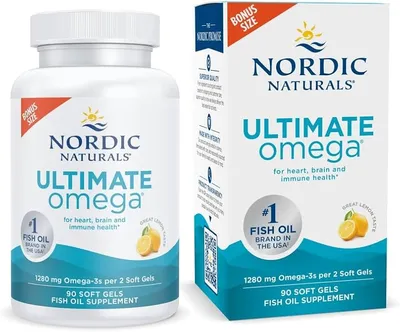
Nordic Naturals Ultimate Omega
Best fish oil overall — delivers clinically relevant EPA/DHA in the most absorbable form with industry-leading purity testing.
- 1,280mg EPA/DHA per serving in triglyceride form
- IFOS 5-star rated for purity (mercury, PCBs, oxidation)
- Lemon-flavored — virtually eliminates fishy aftertaste
For most adults over 50, fish oil is the better omega-3 supplement. It delivers far more EPA and DHA per capsule, costs a fraction of what krill oil does per milligram of active omega-3, and has decades of large-scale clinical trial evidence supporting its cardiovascular benefits. Krill oil has some genuine advantages — phospholipid-bound omega-3s, the antioxidant astaxanthin, and smaller capsules that are easier to swallow — but these benefits rarely justify the 3-5x price premium for most people.
We reviewed the clinical evidence on both supplements, compared absorption data, and evaluated three fish oil products to help you make an informed choice based on science rather than marketing.
What Is Fish Oil?
Fish oil is extracted from the tissues of fatty cold-water fish — primarily anchovies, sardines, mackerel, and herring. It is the richest dietary source of two omega-3 fatty acids your body needs but cannot produce efficiently on its own: EPA (eicosapentaenoic acid) and DHA (docosahexaenoic acid).
EPA and DHA play critical roles in cardiovascular function, brain health, and inflammation regulation. After 50, these omega-3s become especially important because chronic low-grade inflammation accelerates many age-related conditions — from heart disease to cognitive decline to joint deterioration.
How Fish Oil Works
Fish oil delivers omega-3 fatty acids that integrate into cell membranes throughout your body, particularly in the heart, brain, and blood vessels. Once incorporated:
- EPA reduces inflammation by competing with arachidonic acid (an omega-6 fatty acid) for the same enzyme pathways that produce inflammatory compounds. More EPA means fewer pro-inflammatory molecules.
- DHA supports cell membrane fluidity, particularly in brain and retinal tissue. Flexible cell membranes allow better signaling between cells — critical for cognitive function and heart rhythm regulation.
- Both EPA and DHA lower triglycerides by reducing the liver’s production of VLDL particles. The REDUCE-IT trial demonstrated that high-dose EPA reduced cardiovascular events by 25% in high-risk patients.
- Both support healthy blood pressure through improved endothelial function (the inner lining of blood vessels).
Fish oil comes in two main forms: triglyceride (TG), which is the natural form and absorbs best, and ethyl ester (EE), which is cheaper but absorbs 50-70% less efficiently. Premium brands re-convert their concentrated fish oil back to triglyceride form. Budget brands typically leave it as ethyl ester.
A quality concentrated fish oil delivers 600-1,400mg of EPA/DHA per serving in just 1-2 capsules.
What Is Krill Oil?
Krill oil comes from Antarctic krill (Euphausia superba), tiny shrimp-like crustaceans that form massive swarms in the Southern Ocean. Like fish oil, krill oil contains EPA and DHA — but in a structurally different package.
The key difference is how the omega-3s are bound. In krill oil, a significant portion of the EPA and DHA is attached to phospholipids rather than triglycerides. Phospholipids are a major structural component of your cell membranes, and some researchers believe omega-3s delivered in this form may integrate into cells more efficiently.
How Krill Oil Works
Krill oil delivers the same EPA and DHA as fish oil, working through the same anti-inflammatory and cardioprotective pathways. The differences are in the delivery mechanism and bonus compounds:
- Phospholipid-bound omega-3s may cross the intestinal wall more easily than triglyceride-bound omega-3s. Phospholipids are water-miscible (they mix with water more readily), which theoretically allows them to disperse in the gut and absorb without requiring as much bile acid.
- Astaxanthin is a naturally occurring carotenoid antioxidant in krill that gives the oil its reddish color. Astaxanthin may protect the omega-3 fats from oxidation (extending shelf life) and provides its own antioxidant benefits. Typical krill oil capsules contain 0.5-1.5mg of astaxanthin.
- Choline — krill oil provides modest amounts of choline (a nutrient important for liver function and brain health) via its phosphatidylcholine content.
The trade-off: a standard krill oil capsule delivers only 75-150mg of combined EPA/DHA, compared to 300-700mg per capsule in concentrated fish oil. You would need 7-13 krill oil capsules to match the EPA/DHA in two capsules of a premium fish oil.
Head-to-Head: The Evidence Compared
Bioavailability — The Absorption Question
The most common marketing claim for krill oil is superior absorption. The reality is more nuanced.
The Maki Study (2009). A randomized study published in Nutrition Research by Maki and colleagues compared krill oil (543mg EPA/DHA daily) to fish oil (864mg EPA/DHA daily) over four weeks. Despite providing 37% less total EPA/DHA, krill oil raised blood omega-3 levels comparably to fish oil. This suggests milligram-for-milligram, krill oil omega-3s may be somewhat better absorbed.
The Ramprasath Study (2013). A crossover study published in Lipids in Health and Disease compared krill oil and fish oil matched for EPA/DHA dose. It found that both forms raised plasma EPA and DHA levels similarly over four weeks. The researchers concluded that phospholipid and triglyceride forms of omega-3 had “comparable bioavailability.”
The Ulven Review (2015). A comprehensive review by Ulven and Holven in Vascular Health and Risk Management examined the available bioavailability studies and concluded that the evidence does not clearly establish krill oil as superior to triglyceride-form fish oil for raising blood omega-3 levels. Most of the absorption advantage shown in earlier studies compared krill oil to ethyl ester fish oil — the cheapest, worst-absorbed form.
The practical takeaway: Krill oil may absorb somewhat better than cheap ethyl ester fish oil. But when compared to triglyceride-form fish oil (the form used by Nordic Naturals and other premium brands), the absorption difference is minimal or nonexistent. You get far more total EPA/DHA per capsule and per dollar from a quality fish oil.
EPA/DHA Content Per Serving
This is where fish oil has an overwhelming advantage:
| Supplement | Typical EPA/DHA per serving | Capsules per serving |
|---|---|---|
| Concentrated fish oil (TG form) | 1,000-1,400mg | 2 softgels |
| Standard fish oil (EE form) | 300-600mg | 1-2 softgels |
| Krill oil (standard) | 75-150mg | 1-2 softgels |
| Krill oil (concentrated) | 200-300mg | 2 softgels |
To reach the 1,000mg daily EPA/DHA recommended by the American Heart Association, you need 2 capsules of concentrated fish oil — or 7-13 capsules of standard krill oil. The math is not close.
Cost Per Milligram of EPA/DHA
When you compare what you actually pay for each milligram of omega-3:
- Concentrated triglyceride fish oil: roughly $0.02-0.04 per mg of EPA/DHA
- Budget ethyl ester fish oil: roughly $0.01-0.02 per mg of EPA/DHA
- Standard krill oil: roughly $0.10-0.20 per mg of EPA/DHA
Krill oil typically costs 5-10 times more per milligram of active omega-3 than triglyceride fish oil. Even the most expensive premium fish oil is cheaper per effective dose than average krill oil.
Clinical Evidence
Fish oil has a massive evidence advantage. The cardiovascular benefits of EPA and DHA from fish oil have been established in multiple large-scale randomized controlled trials:
- REDUCE-IT (2019): 8,179 patients, high-dose EPA (icosapent ethyl, derived from fish oil) reduced major cardiovascular events by 25%
- VITAL (2019): 25,871 participants, fish oil supplementation (1g/day EPA+DHA) reduced heart attacks by 28% in participants who ate less than 1.5 servings of fish per week
- GISSI-Prevenzione (1999): 11,324 heart attack survivors, 1g/day fish oil reduced cardiovascular death by 30%
Krill oil has no comparable large-scale cardiovascular outcome trials. The existing krill oil studies are small (typically 50-300 participants), short-term (4-12 weeks), and measure biomarker changes rather than actual heart attack or stroke outcomes. Krill oil likely provides similar benefits at equivalent EPA/DHA doses — but “likely” is not the same as “proven in a trial with 8,000 people.”
Tolerability and Side Effects
Krill oil has a genuine advantage here:
- Smaller capsules. Krill oil capsules are roughly half the size of standard fish oil softgels. If you struggle to swallow large pills, this matters.
- Less fishy aftertaste. Krill oil is significantly less likely to cause the “fish burps” that are the most common complaint about fish oil. The phospholipid structure and astaxanthin content may reduce the fishy taste and reflux.
- No fishy smell. Krill oil capsules have minimal odor compared to many fish oils.
Fish oil side effects are generally mild — fishy burps, mild GI discomfort, and occasional loose stools. Lemon-flavored fish oils (like Nordic Naturals) substantially reduce the fishy aftertaste. Enteric-coated capsules also help, as they dissolve in the intestine rather than the stomach.
When to Choose Fish Oil
Fish oil is the better choice for most adults over 50 in these situations:
You want clinically proven cardiovascular protection. Fish oil’s heart benefits are backed by the largest, most rigorous trials in omega-3 research. If you are supplementing specifically for heart health — especially if you have elevated triglycerides or a history of cardiovascular disease — fish oil has the evidence base.
You need a therapeutic dose of EPA/DHA. If your doctor recommends 1,000mg or more of combined EPA/DHA daily, fish oil is the only practical option. Reaching this dose with krill oil would require 7-13 capsules per day and cost $2-4 daily, compared to $0.50-1.00 for fish oil.
Budget matters. Fish oil delivers 5-10 times more omega-3 per dollar than krill oil. For most seniors on fixed incomes, this cost difference is significant over months and years of daily supplementation.
You want to match the doses used in clinical trials. The major trials that demonstrated cardiovascular benefit used 1,000-4,000mg of EPA/DHA daily. Triglyceride-form fish oil lets you replicate these doses with just 2-4 capsules.
Pro tip: If fishy burps are your main objection to fish oil, try a lemon-flavored triglyceride-form product (Nordic Naturals), take it with your largest meal, or freeze the capsules before taking them. These strategies eliminate the aftertaste for most people.
When to Choose Krill Oil
Krill oil makes sense in a few specific situations:
You cannot tolerate fish oil despite trying the fixes above. Some people experience persistent fishy burps, reflux, or GI discomfort with fish oil regardless of form, flavoring, or timing. Krill oil is notably easier on the stomach and rarely causes these issues. If tolerability is the barrier between you and no omega-3 supplementation at all, krill oil that you actually take daily is better than fish oil sitting unused in your cabinet.
You have difficulty swallowing large capsules. Krill oil capsules are smaller and easier to swallow. For adults with dysphagia (swallowing difficulty) or those who simply cannot manage large softgels, the smaller capsule size is a real benefit.
You specifically want the antioxidant astaxanthin included. Astaxanthin is a potent antioxidant with emerging evidence for skin health, eye health, and exercise recovery. Krill oil provides a modest amount (0.5-1.5mg per capsule) alongside your omega-3s. Keep in mind, though, that standalone astaxanthin supplements at higher doses (4-12mg) paired with fish oil would be more effective and likely cheaper if astaxanthin is your primary goal.
You eat fatty fish regularly and just want a maintenance dose. If you already eat salmon, mackerel, or sardines 2-3 times per week and simply want a small daily omega-3 top-up rather than a full therapeutic dose, 1-2 krill oil capsules providing 150-300mg of EPA/DHA may be sufficient.
Safety and Interactions
Both fish oil and krill oil are generally safe and well-tolerated. A few important considerations:
Blood thinning. Both fish oil and krill oil have mild anticoagulant properties. If you take warfarin, aspirin, clopidogrel, or other blood thinners, inform your doctor before starting either supplement. Doses under 2,000mg of EPA/DHA daily are generally considered safe alongside blood thinners, but higher doses require medical oversight.
Shellfish allergy. Krill are crustaceans. If you have a shellfish allergy, fish oil is the safer choice. Do not take krill oil without consulting your allergist first.
Surgery. Because of the mild blood-thinning effect, many surgeons recommend stopping fish oil and krill oil 1-2 weeks before scheduled surgery. Follow your surgeon’s guidance.
Medication interactions. Both supplements may modestly lower blood pressure and enhance the effects of blood pressure medications. They may also interact with some diabetes medications by affecting blood sugar levels. Consult your doctor if you take any prescription medications.
Our Product Recommendations
Nordic Naturals Ultimate Omega — Best Fish Oil Overall
Nordic Naturals delivers 1,280mg of EPA/DHA per two-softgel serving in the triglyceride form that your body absorbs most efficiently. Every batch earns the IFOS 5-star rating — the most rigorous third-party purity certification in the industry, testing for mercury, PCBs, dioxins, and oxidation levels. The lemon flavoring effectively eliminates fishy aftertaste for most users.
Who it’s best for: Anyone who wants the highest-quality omega-3 supplement with verified purity and strong absorption. This is our top recommendation for adults over 50 prioritizing heart health. Read our full review: Nordic Naturals Ultimate Omega
Viva Naturals Omega-3 — Best Value Fish Oil
Viva Naturals offers triglyceride-form omega-3s with high EPA/DHA concentration at roughly two-thirds the cost of Nordic Naturals. IFOS purity certification provides the same quality assurance standard. The softgels are large, which may be a drawback for some, but the omega-3 content per dollar is excellent.
Who it’s best for: Those who want premium absorption and purity without paying top-tier prices. A strong choice if you are trying fish oil for the first time and want to test effectiveness before committing to a more expensive brand. Read our full review: Viva Naturals Omega-3
Kirkland Fish Oil — Best Budget Option
Kirkland delivers functional omega-3 supplementation at roughly $0.07 per day — the most affordable option on this list. USP verification provides baseline quality assurance. You will need 3-4 capsules daily to reach 1,000mg of EPA/DHA, and the ethyl ester form absorbs less efficiently, but the price makes it accessible for anyone on a tight budget.
Who it’s best for: Budget-conscious buyers who prioritize affordability above all else. If cost is the barrier between you and daily omega-3 supplementation, Kirkland removes that barrier. Read our full review: Kirkland Fish Oil
Frequently Asked Questions
Is krill oil absorbed better than fish oil? Krill oil’s omega-3s are bound to phospholipids, which some studies suggest may improve absorption compared to the ethyl ester form of fish oil. A 2011 study by Maki and colleagues found that krill oil and fish oil raised omega-3 blood levels similarly despite krill oil providing less total EPA/DHA. However, when compared to triglyceride-form fish oil (the form used by premium brands like Nordic Naturals), the absorption gap narrows significantly or disappears. The phospholipid advantage matters most when comparing krill oil to cheap ethyl ester fish oil — not to high-quality triglyceride fish oil.
Why is krill oil so much more expensive than fish oil? Krill are small crustaceans harvested from Antarctic waters, and the harvesting and processing costs are substantially higher than for fish oil. Krill oil also contains less omega-3 per gram of raw material, requiring more processing to achieve meaningful EPA/DHA doses. Environmental sustainability certifications (MSC) add further cost. The result is that krill oil typically costs 3-5 times more than fish oil per milligram of EPA and DHA delivered.
Can I take krill oil if I have a shellfish allergy? Krill are crustaceans, and krill oil may trigger allergic reactions in people with shellfish allergies. Unlike glucosamine (where the allergen is in the flesh, not the shell), krill oil is extracted from the entire organism. If you have a known shellfish allergy, fish oil is the safer choice. Consult your allergist before taking krill oil if you have any history of shellfish reactions.
Does krill oil have astaxanthin and why does that matter? Yes — krill oil naturally contains astaxanthin, a carotenoid antioxidant that gives krill their reddish color. Astaxanthin is a potent antioxidant that may help protect cells from oxidative damage and support cardiovascular health. However, the amount of astaxanthin in a typical krill oil capsule (0.5-1.5mg) is modest compared to standalone astaxanthin supplements (4-12mg). If antioxidant support is your primary goal, a dedicated astaxanthin supplement alongside fish oil may be more cost-effective than krill oil alone.
How much fish oil or krill oil should a senior take daily? For cardiovascular benefit, aim for at least 1,000mg of combined EPA and DHA daily. With a concentrated fish oil like Nordic Naturals Ultimate Omega, two softgels deliver 1,280mg of EPA/DHA. With standard krill oil (typically 75-150mg EPA/DHA per capsule), you would need 7-13 capsules to reach the same dose — which is impractical and expensive. Most krill oil users take 1-2 capsules daily, getting only 150-300mg of EPA/DHA. Consult your doctor for personalized dosing, especially if you take blood thinners.
The Bottom Line
Fish oil is the clear winner for most adults over 50. It delivers more EPA and DHA per capsule, costs far less per effective dose, and is backed by the largest cardiovascular outcome trials in nutrition research. Triglyceride-form fish oil from a reputable brand like Nordic Naturals matches or exceeds krill oil’s absorption advantage while providing 5-10 times more omega-3 per dollar.
Krill oil has a place — specifically for people who cannot tolerate fish oil despite trying flavored products and mealtime dosing, or for those who cannot swallow large capsules. But for most people, krill oil is a more expensive way to get less omega-3.
Whatever you choose, the most important thing is consistency. An omega-3 supplement you take every day with a meal will serve your heart, brain, and joints far better than the “perfect” supplement sitting forgotten in a drawer.
For related reading, see our guides on Best Omega-3 Fish Oil Supplements, How Much Fish Oil Should a 65-Year-Old Take?, and Best Anti-Inflammatory Supplements.
All Products We Reviewed
- 1,280mg EPA/DHA per serving in triglyceride form
- IFOS 5-star rated for purity (mercury, PCBs, oxidation)
- Lemon-flavored — virtually eliminates fishy aftertaste
- Most-recommended fish oil brand by U.S. healthcare practitioners
- Premium price compared to budget fish oils
- Requires two softgels per serving
- Large softgel size may be difficult for some to swallow
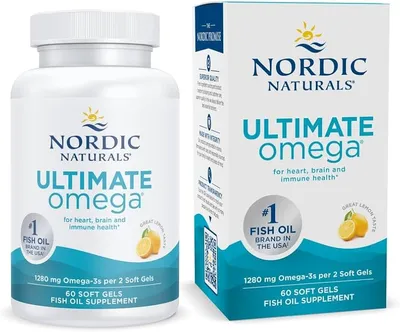
- High EPA/DHA concentration at a mid-range price
- Triglyceride form for strong absorption
- IFOS certified for purity
- Good value per milligram of EPA/DHA
- Large softgel may be hard to swallow
- Some users report mild aftertaste
- Less clinical recognition than Nordic Naturals
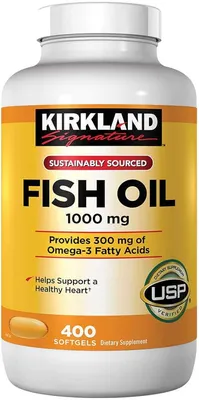
- Extremely affordable (roughly $0.07 per day)
- USP verified for basic quality assurance
- Widely available at Costco
- Only 300mg EPA/DHA per capsule — need 3-4 daily
- Ethyl ester form (lower absorption than triglyceride)
- More likely to cause fishy burps and reflux
Frequently Asked Questions
Is krill oil absorbed better than fish oil?
Krill oil's omega-3s are bound to phospholipids, which some studies suggest may improve absorption compared to the ethyl ester form of fish oil. A 2011 study by Maki and colleagues found that krill oil and fish oil raised omega-3 blood levels similarly despite krill oil providing less total EPA/DHA. However, when compared to triglyceride-form fish oil (the form used by premium brands like Nordic Naturals), the absorption gap narrows significantly or disappears. The phospholipid advantage matters most when comparing krill oil to cheap ethyl ester fish oil — not to high-quality triglyceride fish oil.
Why is krill oil so much more expensive than fish oil?
Krill are small crustaceans harvested from Antarctic waters, and the harvesting and processing costs are substantially higher than for fish oil. Krill oil also contains less omega-3 per gram of raw material, requiring more processing to achieve meaningful EPA/DHA doses. Environmental sustainability certifications (MSC) add further cost. The result is that krill oil typically costs 3-5 times more than fish oil per milligram of EPA and DHA delivered.
Can I take krill oil if I have a shellfish allergy?
Krill are crustaceans, and krill oil may trigger allergic reactions in people with shellfish allergies. Unlike glucosamine (where the allergen is in the flesh, not the shell), krill oil is extracted from the entire organism. If you have a known shellfish allergy, fish oil is the safer choice. Consult your allergist before taking krill oil if you have any history of shellfish reactions.
Does krill oil have astaxanthin and why does that matter?
Yes — krill oil naturally contains astaxanthin, a carotenoid antioxidant that gives krill their reddish color. Astaxanthin is a potent antioxidant that may help protect cells from oxidative damage and support cardiovascular health. However, the amount of astaxanthin in a typical krill oil capsule (0.5-1.5mg) is modest compared to standalone astaxanthin supplements (4-12mg). If antioxidant support is your primary goal, a dedicated astaxanthin supplement alongside fish oil may be more cost-effective than krill oil alone.
How much fish oil or krill oil should a senior take daily?
For cardiovascular benefit, aim for at least 1,000mg of combined EPA and DHA daily. With a concentrated fish oil like Nordic Naturals Ultimate Omega, two softgels deliver 1,280mg of EPA/DHA. With standard krill oil (typically 75-150mg EPA/DHA per capsule), you would need 7-13 capsules to reach the same dose — which is impractical and expensive. Most krill oil users take 1-2 capsules daily, getting only 150-300mg of EPA/DHA. Consult your doctor for personalized dosing, especially if you take blood thinners.