
Best Immune Supplements for Summer Travel (After 50)
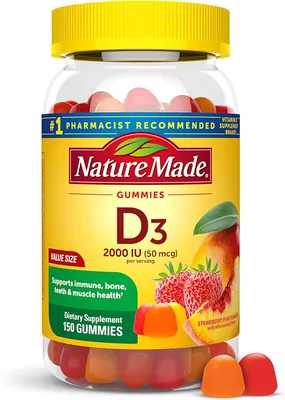
Nature Made Vitamin D3 2000 IU
Best overall vitamin D for travel-immune baseline — take year-round, not just before travel. Most adults over 50 are subclinically deficient at baseline.
- 2,000 IU (50 mcg) vitamin D3 per softgel — the baseline daily dose for most adults over 50
- Cholecalciferol (D3) form — better absorbed and longer-acting than D2
- Softgel in an oil base for absorption; gluten-free, no artificial flavors
Air travel is one of the highest immune-challenge environments most adults over 50 encounter regularly: recirculated cabin air, dense people contact, surface contamination, sleep disruption, dehydration, and time-zone immune impact. A targeted supplement stack reduces the practical illness risk meaningfully without overcomplicating.
This guide ranks the supplements with the strongest evidence for travel-immune support, explains why mega-dose vitamin C is the wrong choice, and covers the layered approach for international travel to higher-risk destinations.
The 30-second answer
- Baseline vitamin D: Nature Made Vitamin D3 2000 IU daily year-round.
- Probiotic (start 7 days before travel): Visbiome (highest CFU) or Florastor (traveler’s diarrhea specific).
- Zinc lozenges at first symptom only: Cold-Eeze — 13.3mg zinc gluconate, slow-dissolve.
- Optional: Sambucol elderberry 15ml twice daily for high-exposure travel.
- Skip: Mega-dose vitamin C (2,000-5,000mg), daily zinc prophylaxis, echinacea, IV vitamin drips.
- For international: Travel medicine consult 4-6 weeks before departure for vaccines + prophylactic antibiotic prescription.
Now the detail.
Why travel taxes immune function after 50
Five compounding mechanisms:
Pathogen concentration. Airports and airplanes concentrate pathogens through recirculated air, dense people contact, and heavily contaminated surfaces (tray tables, armrests, lavatory door handles). Cabin HVAC actually filters air well, but surface contamination drives most travel-related illness.
Sleep disruption. Time-zone changes and uncomfortable flight conditions reduce sleep quality. Sleep loss of 4+ hours suppresses natural killer cell activity by 30-50%.
Cabin pressure stress. Pressurization equivalent to 6,000-8,000 feet altitude causes mild hypoxic stress.
Mucosal drying. Cabin humidity is typically 10-20% (vs. 30-50% normal indoor), drying respiratory mucosa — the first physical barrier against airborne pathogens.
Reduced immune reserve. Older adults have lower baseline immune function (immunosenescence) than younger adults. The same exposure produces more symptomatic illness.
Stack these on top of subclinical vitamin D deficiency (40-60% of adults over 50), gut microbiome disruption from new foods/water, and unfamiliar pathogens, and the practical illness risk from travel is meaningfully elevated. Supplements address what behavioral basics (sleep, hand hygiene, hydration) can’t fully cover.
Baseline: vitamin D3 year-round
Vitamin D supports innate immunity — the early-response immune cells that detect and respond to new pathogens. Inadequate vitamin D status correlates with increased upper respiratory infection risk in multiple meta-analyses.
Dose: 2,000 IU vitamin D3 (cholecalciferol) daily, year-round. Not just before travel.
Why year-round: Vitamin D status takes 6-12 weeks to change meaningfully. Starting a week before a trip doesn’t do much. Most adults over 50 should be at this dose continuously for general health, with travel as an add-on rather than the trigger.
Test if you’ve never had it: 25-hydroxyvitamin D blood level. Target range 30-50 ng/mL. If you’re below 30, your doctor may recommend a temporarily higher dose (5,000-10,000 IU daily for 8-12 weeks, then back to maintenance).
Best products: Nature Made Vitamin D3 2000 IU, Thorne D-1000 (1,000 IU per drop for dose customization), or Pure Encapsulations Vitamin D3 (hypoallergenic).
Probiotic: start 7 days before travel
The gut microbiome influences immune function broadly, and travel disrupts the microbiome through new foods, new water sources, time-zone effects on gut peristalsis, and exposure to novel bacteria.
Protocol: Start probiotic 7 days before departure, continue throughout trip.
Best products:
- Visbiome — 450 billion CFU per packet, 8-strain. Strongest broad evidence; best for gut barrier function and IBD; useful for travel.
- Florastor (Saccharomyces boulardii) — strongest evidence for traveler’s diarrhea prevention specifically. Yeast-based; survives stomach acid better than bacterial alternatives. Doesn’t require refrigeration — best travel format.
- Culturelle (Lactobacillus rhamnosus GG) — well-studied single-strain bacterial probiotic; consistent evidence for acute infectious diarrhea.
Combination: Florastor + Visbiome can be taken concurrently for additive benefit.
Travel-specific destinations: For travel to Mexico, Asia, Africa, or South/Central America, Florastor specifically is the strongest evidence base. For domestic travel or low-risk international destinations, Visbiome alone or Culturelle is sufficient.
Zinc lozenges: at first symptom only
Zinc lozenges shorten cold duration by 1-2 days when used correctly — but the protocol matters.
Right use: Pack zinc lozenges in your travel bag. At the FIRST sign of throat soreness (the typical cold-onset signal), suck a 15-25mg elemental zinc gluconate or acetate lozenge slowly to dissolve over 20-30 minutes. Repeat every 2-3 hours while awake. Continue until symptoms resolve. Stop within a week.
Wrong use: Daily prophylactic zinc throughout travel. This causes accumulating zinc-copper imbalance, can cause nausea, and doesn’t add benefit beyond first-symptom dosing.
Why lozenge format: Zinc works by binding rhinovirus particles in upper respiratory tissue. Swallowed zinc pills bypass this contact and don’t have the same effect. The lozenge must be sucked slowly to dissolve in the mouth/throat.
Best products: Cold-Eeze (13.3mg zinc gluconate), Zicam zinc lozenges (Zicam nasal sprays are different and not recommended due to anosmia risk — use only Zicam lozenges), Nature’s Way Zinc Lozenges.
Avoid: Zinc oxide pills (poorly absorbed), zinc gluconate or acetate over 25mg per dose (nausea risk), more than 4-6 lozenges per day.
Optional: elderberry for frequent-cold-catchers
Sambucol Black Elderberry Syrup has moderate evidence for cold/flu duration reduction — useful if you historically catch travel-related illnesses.
Dose: 15ml syrup twice daily during travel and 1 week after return.
Format alternatives: Capsules and gummies for sugar-restricted diets (the syrup is high-sugar).
Skip if: You take immunosuppressant medications (transplant, severe autoimmune disease on biologics) — talk to specialist first.
What to skip
Mega-dose vitamin C (2,000-5,000mg) as travel insurance. Evidence doesn’t support it. The body excretes excess within hours; chronic high doses cause GI upset and increased oxalate excretion. Stick to 90mg in your multivitamin or eat citrus.
Daily zinc prophylaxis. Wait for first symptom; daily use causes copper imbalance.
Echinacea. Inconsistent evidence; modest CYP450 interactions; skip for travel.
“Immune boost” IV drip clinics. $150-400 per session, weak evidence base, small infection risk from commercial-setting IV procedures. Save money for evidence-based oral supplements.
Colloidal silver, oregano oil, “alkaline water,” and similar wellness products. No travel-immune evidence; some have actual harm (silver causes argyria — permanent skin discoloration — over time).
Multivitamin “immune” SKUs marketed at travelers. Most are repackaged basic multivitamins with marketing labels. Stick to your regular multivitamin plus the specific evidence-based supplements above.
International travel: layered approach
For travel to higher-risk international destinations:
4-6 weeks before: Travel medicine doctor consult. Destination-specific vaccines (Hepatitis A, typhoid, yellow fever, Japanese encephalitis as relevant). Prescription prophylactic antibiotic (often azithromycin or rifaximin) for severe traveler’s diarrhea. Malaria prophylaxis if relevant.
Routine vaccines current: Flu shot, COVID-19 boosters per CDC guidance, Tdap, pneumococcal (for adults 65+).
Supplements (per above): Vitamin D3 baseline, probiotic 7 days before through trip, zinc lozenges packed, optionally elderberry.
Travel medical kit: Loperamide (Imodium), oral rehydration solution packets (DripDrop ORS), prescribed antibiotics, fever-reducer, antihistamines, blister bandages.
Behavioral basics: No tap water/ice/raw salads/unpasteurized dairy/street food in high-risk regions. Hand sanitizer. Hot freshly-cooked foods. Peel fruits yourself.
Travel insurance: International coverage with evacuation for adults over 65 traveling to remote regions.
When travel illness needs medical attention
Most travel-related colds and mild traveler’s diarrhea resolve with rest, hydration, and supportive care. See a doctor — locally at destination or after return — if:
- Fever above 102°F that persists 24+ hours
- Bloody diarrhea or diarrhea persisting 3+ days
- Severe dehydration (decreased urine output, confusion, racing pulse)
- Persistent cough or breathing difficulty
- Severe headache with stiff neck or confusion
- Skin rash with fever
- Eye, ear, or sinus infection that doesn’t resolve
- Any symptoms in malaria-endemic region (fever, chills, headache, joint aches — even weeks after return)
The simple rule
Vitamin D year-round + probiotic 7 days before through travel + zinc lozenges at first symptom. Skip mega-dose vitamin C and IV drips. For international travel, layer with travel medicine doctor consult and behavioral basics. The right stack costs under $100 for a full month of travel, addresses the actual mechanisms of travel illness, and doesn’t ask you to take 15 pills a day.
For the broader summer playbook, see our best supplements for summer over 50 pillar guide. For sleep on long-haul flights, see our best supplements for jet lag after 50 guide.
All Products We Reviewed
- 2,000 IU (50 mcg) vitamin D3 per softgel — the baseline daily dose for most adults over 50
- Cholecalciferol (D3) form — better absorbed and longer-acting than D2
- Softgel in an oil base for absorption; gluten-free, no artificial flavors
- USP Verified — independently tested for potency and purity
- Basic formula — no K2 (pair separately if you want it)
- Bottle of 90 lasts 3 months at daily dose
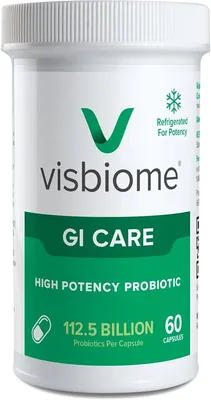
- 450 billion CFU per packet — highest commercial probiotic potency
- 8-strain formulation derived from the original VSL#3 research
- Strongest evidence base for gut barrier function and IBD
- Maintains potency at room temperature for travel
- Premium price ($60-70 for 30-day supply)
- Requires refrigeration for long-term storage at home (travel-stable for 1-2 weeks)
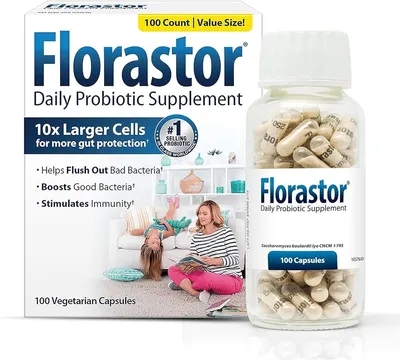
- Saccharomyces boulardii 250mg per capsule — strongest evidence for traveler's diarrhea prevention
- Yeast-based probiotic survives stomach acid better than bacterial alternatives
- Doesn't require refrigeration — best travel format
- Safe to take with antibiotics (most bacterial probiotics aren't)
- Single-strain formulation — narrower benefit profile than multi-strain Visbiome
- Yeast allergy contraindication (rare)
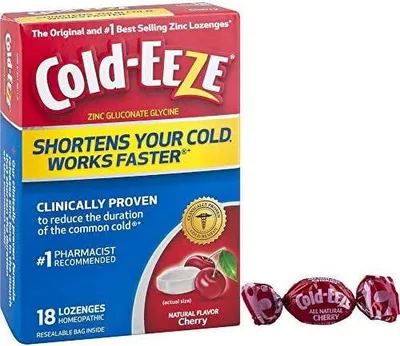
- 13.3mg elemental zinc gluconate per lozenge — clinical research dose
- Slow-dissolving format (15-25 minutes) for proper mouth/throat contact
- Multiple flavors — cherry, citrus, honey
- FDA-recognized OTC product (not just a supplement)
- Use only at first symptom — not daily prophylaxis
- Can cause nausea on empty stomach; take with food or water
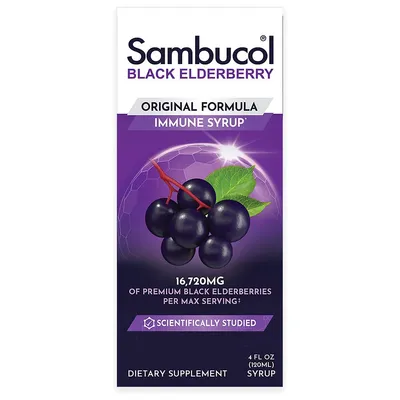
- Standardized black elderberry extract (Sambucus nigra) with original Mumcuoglu research formulation
- Moderate evidence for cold/flu duration reduction
- Available as syrup, capsules, gummies, lozenges
- Generally well-tolerated
- Evidence base smaller than vitamin D or zinc; mixed study results
- High sugar content in syrup form (problematic for diabetes management)
Frequently Asked Questions
Why does travel especially threaten immune function in adults over 50?
Five mechanisms compound to make travel immunologically stressful for older adults. (1) Airport and airplane environments concentrate pathogens — recirculated cabin air, surface contamination from thousands of touches, and dense people contact. The cabin HVAC actually filters air more effectively than office buildings, but the surfaces (tray tables, armrests, lavatory door handles) are heavily contaminated. (2) Sleep disruption from time-zone changes and uncomfortable flight conditions measurably reduces immune function — sleep loss of 4+ hours suppresses natural killer cell activity by 30-50%. (3) Cabin pressure equivalent to 6,000-8,000 feet altitude causes mild hypoxic stress. (4) Dehydration from low-humidity cabin air (typically 10-20% humidity vs. 30-50% normal indoor) dries respiratory mucosa, the body's first defense against airborne pathogens. (5) Older adults have lower baseline immune reserve (immunosenescence) than younger adults — the same exposure produces more symptomatic illness. Combine these factors with vitamin D deficiency (subclinical in 40-60% of adults over 50), gut microbiome disruption from new foods and water, and unfamiliar environmental pathogens, and the practical illness risk from travel is meaningfully elevated. The supplement stack addresses what behavioral basics can't fully cover.
Should I take daily zinc for immune support during travel?
No — zinc works best at FIRST symptom of cold, not as daily prophylaxis. The clinical evidence (multiple Cochrane reviews, particularly Hemilä's work) supports zinc lozenges (15-25mg elemental zinc as gluconate or acetate) taken every 2-3 hours starting at first sign of throat soreness, with cold duration shortened by 1-2 days. The mechanism: zinc binds to rhinovirus particles, interfering with viral replication in upper respiratory tissue. Daily zinc prophylaxis at supplemental doses (over 25mg) can interfere with copper absorption over weeks, causing anemia in long-term users. The right approach: pack zinc lozenges in your travel bag, use them at the FIRST hint of a scratchy throat (cold or flu onset), and discontinue once symptoms resolve. Don't take 'preventively' at the start of every day of travel. The lozenge form matters — must be sucked slowly to dissolve in mouth/throat for 20-30 minutes for the zinc to contact infected tissue. Swallowed zinc pills don't have the same effect. Limit to 4-6 lozenges per day; more causes nausea, particularly on empty stomach.
What probiotic actually helps prevent traveler's diarrhea?
Three with the strongest evidence. (1) Saccharomyces boulardii (Florastor) — a yeast probiotic, the most evidence-based for traveler's diarrhea prevention (multiple meta-analyses show 15-25% relative risk reduction). Especially useful for travel to Asia, Africa, and South/Central America. (2) Lactobacillus rhamnosus GG (Culturelle) — well-studied bacterial probiotic with consistent evidence for traveler's diarrhea and acute infectious diarrhea. (3) Visbiome (formerly VSL#3) — high-CFU multi-strain product (450 billion CFU per packet); strongest evidence base for IBD and gut barrier function but also useful for travel. Protocol: start 7 days before departure and continue throughout the trip. Florastor and Visbiome can be taken concurrently for additive benefit. (4) Standard supermarket probiotics with under 10 billion CFU per dose are generally too low for traveler's diarrhea prevention — they're fine for general gut health but underpowered for this specific use. (5) Probiotics work best as part of a layered approach: also avoid tap water and ice in high-risk regions, eat hot freshly-cooked foods, peel fruits yourself, and have loperamide (Imodium) plus an antibiotic prescribed by a travel-medicine doctor for severe-case use.
Is mega-dose vitamin C worth taking for travel immune support?
Generally no — the evidence doesn't support it, and high doses cause GI upset and other issues. (1) The classic Linus Pauling claim that mega-dose vitamin C prevents colds has been studied extensively (multiple Cochrane reviews) and the evidence consistently shows: no significant prevention benefit for typical adults, slight duration reduction (8-14% shorter cold) if taken consistently year-round at 1,000mg+ daily, and meaningful benefit only in extreme physical-stress situations (marathon runners, military training, etc.). (2) The body excretes excess water-soluble vitamin C within hours; mega-doses (2,000-5,000mg) produce expensive urine, not better immune function. (3) Chronic high-dose vitamin C can cause GI upset, diarrhea (relevant when traveling and trying to avoid GI issues), increased oxalate excretion (kidney stone risk in susceptible people), and can interfere with chemotherapy and high-dose statins. (4) The 'IV vitamin C drip' clinics that have proliferated have no evidence supporting their efficacy for healthy adults and substantial cost. (5) The right vitamin C approach for travel: continue the 90mg in your daily multivitamin or eat citrus/peppers/strawberries. That's enough. Save the money you would have spent on 5,000mg vitamin C powder for a probiotic, which actually has evidence for travel-relevant outcomes.
How do I prepare immune support for international travel to high-risk destinations?
Layered approach beyond supplements. (1) See a travel medicine doctor 4-6 weeks before departure — provides destination-specific vaccine recommendations (Hepatitis A, typhoid, yellow fever, Japanese encephalitis depending on destination), prescriptions for prophylactic antibiotics (often azithromycin or rifaximin) for severe traveler's diarrhea, and malaria prophylaxis if relevant. (2) Vaccinations: ensure routine vaccines are current (flu shot, COVID-19 boosters per current CDC guidance, Tdap, pneumococcal vaccine for adults over 65). Travel-specific vaccines per destination — talk to travel medicine doctor. (3) Supplement layer: vitamin D3 baseline, probiotic 7 days before through trip, zinc lozenges packed for first symptom, optionally elderberry syrup. (4) Behavioral preparation: avoid tap water, ice, salads washed in tap water, raw fish, unpasteurized dairy, and street food in high-risk regions. Carry hand sanitizer. Eat hot freshly-cooked foods. (5) Carry a small medical kit: loperamide (Imodium), oral rehydration solution packets (DripDrop ORS), prescription antibiotics, fever-reducer, antihistamines, blister bandages. (6) Know how to access medical care at destination — international travel insurance with evacuation coverage for high-risk destinations is reasonable for adults over 65. (7) Stay current on CDC traveler health notices for destination-specific outbreak alerts before and during travel.
Are 'immune-boosting' IV drip clinics or vitamin shots worth it for travel?
Generally no for healthy adults — the evidence base is weak and the cost is high. (1) Commercial IV vitamin C, B vitamin, and 'Myers cocktail' clinics market immune-boosting claims that aren't supported by clinical evidence for healthy adults. The body absorbs oral vitamins efficiently at appropriate doses; IV bypass of normal absorption doesn't produce better immune outcomes. (2) Specific risk: IV procedures in commercial clinics (not hospital settings) carry small but real infection risks — particularly relevant for adults over 50 with any cardiovascular conditions. (3) Cost: $150-400 per IV session, often not covered by insurance. The same money buys 3-6 months of evidence-based supplements (vitamin D3, probiotic, zinc lozenges) plus a travel medicine consult. (4) IV iron, IV magnesium, and IV nutrition therapy have specific medical indications (clinical iron deficiency anemia, severe symptomatic hypomagnesemia, gut failure preventing oral intake) — those require medical diagnosis and supervision, not commercial wellness clinic visits. (5) Exception: if your doctor has identified a specific clinical deficiency that requires IV correction (e.g., severe B12 deficiency, IV iron for ferritin-confirmed iron deficiency anemia), that's appropriate medical care — not a wellness IV. The marketing distinction matters. For travel-immune support, save the IV drip money for higher-quality oral supplements and a travel medicine doctor visit if destination is high-risk.
Are there immune supplement interactions with common medications for adults over 50?
Several to know. (1) Vitamin D and calcium-channel blockers (amlodipine, felodipine) — vitamin D can modestly increase calcium absorption; in adults on calcium-channel blockers with already-elevated calcium, this can compound. Generally not a problem at 2,000 IU daily, but worth knowing. (2) Vitamin D and statins — generally complementary, but rosuvastatin levels can be modestly elevated by vitamin D in some cases. (3) Zinc and antibiotics — zinc reduces absorption of tetracyclines (doxycycline) and fluoroquinolones (Cipro, Levaquin); separate doses by 2+ hours. Relevant if you're on prophylactic antibiotic for travel. (4) Elderberry and immunosuppressants (transplant recipients, severe autoimmune disease on biologics) — theoretical immune-stimulation concern; talk to your specialist before taking. (5) Probiotics and immunosuppressant medications — usually fine, but talk to your transplant team or rheumatologist. (6) Echinacea and many medications — modest CYP450 interactions; an additional reason to skip echinacea for travel use. (7) Most travel-immune supplements (vitamin D, probiotic, occasional zinc lozenges, elderberry syrup) are generally safe with common cardiovascular medications, blood thinners, and BP medications at typical doses. Always show your pharmacist your full supplement list when filling prescriptions.