
Best Supplements for Summer After 50 (2026 Guide)
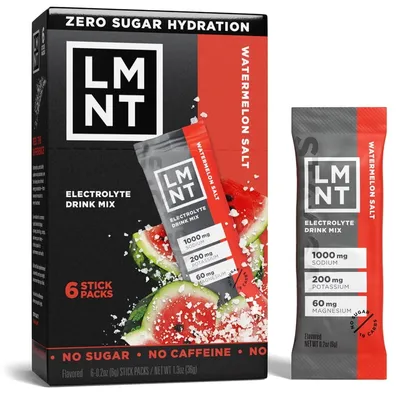
LMNT Recharge Electrolyte Drink Mix
Best balanced electrolyte for daily summer hydration — 1,000mg sodium, zero sugar, $1.50/packet.
Summer changes what your supplement routine should look like. The basics that work year-round (vitamin D, omega-3, magnesium) still apply, but heat, sun, travel, and activity create new exposures that older bodies handle less efficiently than they did at 30.
This guide is the pillar for our summer supplement coverage. It maps the five categories that matter most for adults over 50, ranks the strongest products in each, and links to deep-dive guides for specifics.
This article is educational, not medical advice. Talk to your doctor or pharmacist about your specific situation, especially if you take prescription medications or have heart, kidney, or liver conditions.
The 30-second answer
- Electrolytes: LMNT, Re-Lyte, or DripDrop — low-sugar, sodium-balanced. Plain water alone is often not enough during heat exposure or outdoor activity after 50.
- Eye/UV protection: Lutein 10mg + zeaxanthin 2mg (AREDS2 dose), plus astaxanthin 4-12mg, plus continued omega-3.
- Jet lag: 0.3-0.5mg melatonin (NOT 3-5mg), magnesium glycinate 200-400mg, L-theanine 200mg.
- Travel immune: Vitamin D3 2,000 IU daily baseline, zinc lozenges at first symptom, probiotic before/during travel.
- Skip: Sugary sports drinks (Gatorade/Powerade as daily summer hydration), 5mg melatonin (overshoots in older adults), mega-dose vitamin C, salt tabs.
- Build by activity. Hiking day, beach day, transatlantic flight, and grandkid visit each call for different stacks. Don’t take everything at once.
Now the detail.
Why summer is physiologically different after 50
Three age-related shifts make summer harder than the calendar suggests:
Thirst sensation declines. The neurological mechanism that converts dehydration into the felt urge to drink weakens progressively after 60. By 70, you can be measurably dehydrated (2-3% body water loss) before you feel thirsty. Younger people feel thirst at 1% loss; that early-warning system fades. The practical consequence: relying on thirst alone is unreliable in summer.
Kidney concentrating ability drops. Older kidneys lose some of their ability to concentrate urine when fluid intake is low. The body holds onto water less efficiently, so the same fluid loss leads to more circulating dehydration.
Total body water shrinks. A young adult is about 60% water by weight; an older adult is about 50%. The same absolute fluid loss represents a larger proportional hit to a smaller reservoir.
Stack these on top of medications that are very common after 50 — diuretics for blood pressure, SSRIs and other antidepressants, certain heart medications — and the practical risk of dehydration, heat exhaustion, and electrolyte imbalance rises significantly.
Supplements don’t fix the underlying physiology. They reduce the consequences when behavioral basics (drink more than you feel like, stay out of midday sun, wear UV-blocking glasses) aren’t enough on their own.
Category 1: Electrolytes
The single biggest summer supplement category for adults over 50.
Why it matters: Sweat losses in heat or activity are roughly half sodium (by weight). Replacing just water without replacing the sodium leads to relatively low blood sodium (hyponatremia) — which in older adults shows up as confusion, fatigue, and unsteady gait long before younger adults notice anything.
What works:
- LMNT — 1,000mg sodium, 200mg potassium, 60mg magnesium per packet. Zero sugar. Available in salty-citrus and watermelon flavors that mask high sodium well. $1.50/packet. Best for active days and heat exposure.
- Re-Lyte (Redmond) — 810mg sodium, 400mg potassium, 60mg magnesium per scoop. Lower price than LMNT, similar formulation.
- DripDrop ORS — medical-grade oral rehydration ratios developed for cholera response (now used in emergency medicine for adult dehydration). Higher sugar content (9g) by design — small sugar amount actually accelerates intestinal absorption of sodium and water (sodium-glucose cotransport). Best when actually dehydrated, not for daily preventive use.
- Buoy electrolyte drops — no sugar, no sweetener; add to any drink. Lower per-dose sodium (~110mg), better for light-activity days where you want a baseline without high sodium load.
What to skip:
- Gatorade, Powerade, Vitaminwater — high sugar (21-36g per bottle), food dyes, low sodium content. Designed for marathon-intensity athletes; the wrong fit for older-adult heat hydration.
- Salt tablets — concentrated sodium without water often worsens GI upset and doesn’t accelerate hydration meaningfully.
- “Sugar-free” sports drinks sweetened with sucralose or aspartame — no nutritional advantage over LMNT-style formulas, and most have low sodium.
Sodium-restricted exception: If you’re on a sodium-restricted diet for heart failure, kidney disease, or tightly-controlled hypertension, talk to your doctor before adding any electrolyte supplement — including LMNT or Re-Lyte. Even modest sodium loads can be inappropriate depending on your situation. A low-sodium alternative is Buoy plus extra potassium-rich foods (banana, avocado, coconut water).
For the full breakdown, see our best electrolyte supplements for seniors guide.
Category 2: Eye and UV protection
Summer sun stresses your retina more than winter. Macular pigment — your eye’s built-in UV and blue-light filter — gets depleted faster, and the cumulative damage drives age-related macular degeneration (AMD) risk over decades.
What works:
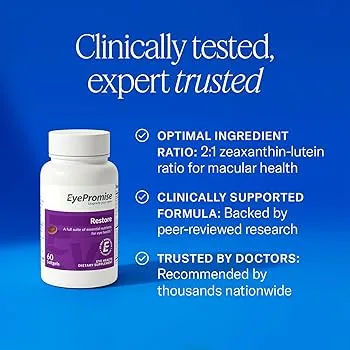
- Lutein 10mg + zeaxanthin 2mg daily — the AREDS2 dose (NIH, 2013). Three to six months of consistent use measurably increases macular pigment optical density. Best products: EyePromise Restore (includes meso-zeaxanthin, the third carotenoid your retina concentrates), PreserVision AREDS2 (Bausch + Lomb, original AREDS2 formula with zinc, copper, vitamins C and E), Ocuvite Eye Performance.
- Astaxanthin 4-12mg daily — potent carotenoid that crosses the blood-retina barrier. Smaller evidence base than lutein, but consistent results for eye fatigue, eye strain, and oxidative protection during high UV exposure. Look for natural-source astaxanthin from Haematococcus pluvialis algae (BioAstin, Nutrex Hawaii is the major brand).
- Continued omega-3 — DHA is the primary fatty acid in retinal photoreceptors. If you’re not already on 1,000-2,000mg combined EPA+DHA daily, summer is a good time to add it.
Behavioral basics that supplements don’t replace:
- UV400 / 100% UV-blocking sunglasses (color and darkness don’t predict UV blocking — check the label)
- Wide-brim hat for prolonged outdoor time
- Avoid prolonged staring at reflective water/snow/sand without eye protection
- 10am-4pm direct sun is highest UV intensity — limit unprotected exposure
See our best eye vitamins for summer UV protection guide for product picks.
Category 3: Jet lag and travel sleep
Time-zone travel disrupts circadian rhythm; older adults take longer to re-entrain (re-sync) than younger adults. A targeted supplement stack accelerates the adjustment.
What works:
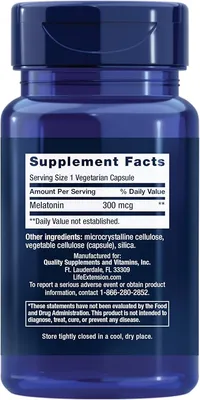
- Melatonin 0.3-0.5mg at target bedtime — not the 3-5mg or 10mg dose sold in most retail bottles. The high-dose products overshoot physiological melatonin levels by 10-40x, particularly in older adults who metabolize melatonin more slowly. Lower doses produce the time-zone shift without the morning grogginess and vivid dreams of high doses. (Zhdanova 2001, Sleep; multiple Cochrane reviews.)
- Magnesium glycinate 200-400mg evening — calming, helps muscle tension and restless legs from long flights, doesn’t cause morning sedation.
- L-theanine 200mg — calming amino acid found in green tea. Reduces anxiety on travel days without sedation. Useful for daytime if anxiety is part of travel discomfort.
Protocol for east-bound travel (harder direction):
- Three nights before travel: melatonin 0.3mg one hour earlier each night
- Travel night: melatonin 0.3mg at target time-zone bedtime
- Two to four nights after arrival: continue melatonin at target bedtime, plus magnesium glycinate
Protocol for west-bound travel (easier):
- Travel night: nothing — let yourself stay up later
- Two to three nights after arrival: melatonin 0.3mg + magnesium glycinate at target bedtime
- Expose yourself to morning sun on day 1-2 at destination
Skip: 5mg+ melatonin products, melatonin-with-caffeine combinations (defeats the purpose), prescription sleep medications without your doctor’s specific authorization for travel use (sedative-hypnotics increase fall risk in unfamiliar environments).
See our best supplements for jet lag after 50 guide for the deep dive.
Category 4: Travel immune support
Airports and airplanes concentrate pathogens — recirculated air, dense people contact, surfaces touched by thousands. Add sleep deprivation and time-zone disruption, and immune function takes a measurable hit.
Baseline (year-round, more important in summer travel season):
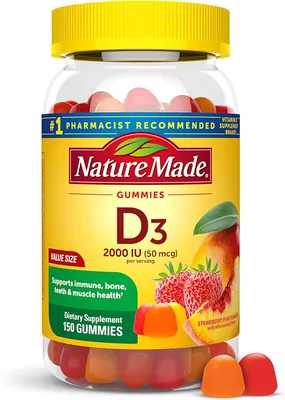
- Vitamin D3 2,000 IU daily — most adults over 50 are subclinically deficient. Vitamin D supports innate immunity. Test your 25-hydroxyvitamin D level if you’ve never had it checked; target range 30-50 ng/mL.
Travel-specific (start 7 days before, continue through trip):
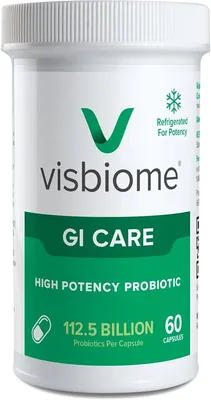
- Probiotic — Visbiome (the highest-CFU multi-strain), Florastor (Saccharomyces boulardii, especially useful for traveler’s diarrhea prevention), or Culturelle (Lactobacillus rhamnosus GG, well-studied for travel). Probiotics improve gut barrier function, support immune regulation, and reduce traveler’s diarrhea risk.
At first symptom only:
- Zinc lozenges 15-25mg elemental zinc — gluconate or acetate form (not zinc oxide). Suck slowly to dissolve over 20-30 minutes. Use at first sign of throat soreness; shortens cold duration meaningfully in multiple Cochrane-reviewed trials. Don’t take more than 4-6 lozenges per day; can cause nausea on empty stomach.
Skip:
- Mega-dose vitamin C (2,000-5,000mg) as “travel insurance” — the body excretes excess water-soluble vitamin C within hours; chronic high doses can cause GI upset and kidney-stone risk in susceptible people.
- Echinacea — modest evidence, inconsistent results across trials.
- Daily zinc as prophylaxis — zinc accumulation can interfere with copper absorption over time.
See our best immune supplements for summer travel guide for product picks.
Category 5: Heat-stress backup
Heat itself stresses cardiovascular and muscular systems more after 50. The body works harder to dissipate heat, electrolyte demand rises, and recovery from heat exposure takes longer.
Continued daily basics:
- Magnesium glycinate or citrate 200-400mg — supports muscle relaxation, may reduce heat cramps, supports BP regulation in heat
- Omega-3 1,000-2,000mg combined EPA+DHA — reduces baseline inflammation, supports cardiovascular function under heat stress
- CoQ10 100-200mg (especially if you take statins) — supports mitochondrial function; statins deplete CoQ10 and can worsen heat-related muscle complaints
Heat-specific behavioral basics:
- Pre-hydrate before activity (16oz water 60-90 minutes before going out)
- Schedule outdoor activity for early morning or evening
- Cool showers, cooling towels, fans — passive cooling supplements active hydration
- Recognize warning signs: confusion, cessation of sweating, very rapid pulse, body temperature above 103°F = heat stroke, urgent medical attention
Building your summer stack
Don’t take everything at once. Match the supplement to the actual activity.
Outdoor afternoon (gardening, walking, ballgame, beach):
- 1 LMNT or Re-Lyte packet in water bottle
- AREDS2 + astaxanthin daily anyway (for eyes — long-term benefit)
- Continue daily multivitamin, omega-3, vitamin D
Hiking day or extended heat exposure:
- 2-3 LMNT or DripDrop servings spread across the day
- Magnesium glycinate evening
- Continue daily basics
Transatlantic flight / long-haul travel:
- Start probiotic 7 days before
- Travel-day: melatonin 0.3mg at target bedtime, L-theanine for cabin anxiety, extra hydration (water plus 1 LMNT during flight)
- 2-4 nights after arrival: melatonin 0.3mg + magnesium glycinate
- Have zinc lozenges packed for first symptom
Grandkid visit (extended family time, possibly cross-country):
- Extra electrolytes for outdoor play days
- Probiotic for traveler’s diarrhea protection
- Sleep stack on travel days
- Don’t add anything new in the week leading up — high stakes, not the time to test new supplements
The simple rules
- Hydration first. Most “I feel terrible in summer” complaints after 50 trace back to under-hydration plus electrolyte under-replacement. Fix this before adding anything else.
- Eye protection compounds over decades. Lutein and zeaxanthin work over months, not days; start now, take consistently year-round, double down in summer.
- Melatonin: lower dose, earlier timing. 0.3-0.5mg, not 5mg. Adults over 50 metabolize melatonin slower; standard retail doses overshoot.
- Travel immune is layered, not panicked. Daily vitamin D + probiotic before/during travel + zinc only at first symptom. Skip mega-dosing.
- Match supplements to actual activity. A daily multivitamin + summer overlay is plenty for most older adults; you don’t need 15 bottles.
For seasonal context on related topics: hydration and aging Q&A, allergies cluster, and our broader essential vitamins over 50 guide.
Products We Recommend
Frequently Asked Questions
Why do adults over 50 need different supplements in summer than younger adults?
Three physiology changes drive this. First, thirst sensation declines progressively after 60 — by 70, the felt urge to drink lags real dehydration by several percent body water loss. You can be meaningfully dehydrated and not feel thirsty. Second, kidney concentrating ability drops, so the body holds onto water less efficiently when intake is low. Third, total body water as a percentage of body weight falls (from about 60% in young adults to 50% in older adults), so the same fluid loss represents a larger proportional hit. Add heat exposure, diuretic medications (very common after 50 — blood pressure drugs, some antidepressants), and longer time outdoors during summer, and the practical risk of dehydration, heat exhaustion, and electrolyte imbalance rises sharply. Summer supplements address what these physiology changes leave exposed: low-sugar electrolytes for proactive hydration, eye protection against intensified UV, jet-lag support tuned to slower melatonin metabolism, and travel immune support for the airport/airplane exposure that often accompanies summer travel.
Are electrolyte drinks like Gatorade and Powerade okay for adults over 50?
Not as a daily summer choice. The traditional sports drinks were formulated for high-intensity athletes burning thousands of calories per session, and they contain 21-36 grams of sugar per serving plus food dyes and minimal electrolyte content. For an adult over 50 walking 30 minutes outside in 85-degree heat, the sugar load isn't useful and adds cardiovascular and metabolic strain — particularly for anyone managing pre-diabetes or type 2 diabetes (common after 50). Better summer options: low-sugar, sodium-balanced formulas like LMNT (1g sodium, zero sugar, $1.50/packet), Re-Lyte (810mg sodium, low sugar), DripDrop ORS (medical-grade oral rehydration ratios, 9g sugar), and Buoy electrolyte drops (no sugar, add to any drink). For light hydration needs, plain water plus a banana or a small handful of olives provides enough electrolytes. Reserve traditional sports drinks for actual high-output exercise lasting over an hour, and even then, dilute by half.
What's the right melatonin dose for an adult over 50 with jet lag?
0.3 to 0.5 milligrams, taken at the target time-zone bedtime — not the 3-5mg or 10mg doses sold in most retail bottles. The high-dose products were never based on clinical evidence for jet lag; they reflect what dietary supplement manufacturers found commercially convenient. The actual evidence (Zhdanova 2001 in Sleep, multiple Cochrane reviews) supports much lower doses for sleep onset, and adults over 50 metabolize melatonin more slowly, meaning standard doses overshoot endogenous physiological levels by 10-40x. The practical consequences of overdosing: morning grogginess, vivid dreams, low-mood next-day effects, and paradoxical sleep disruption in subsequent nights. Better protocol: start melatonin 0.3-0.5mg at target bedtime for 3-5 nights starting the night before travel and continuing 2-4 nights after arrival. Pair with magnesium glycinate 200-400mg (calming, helps muscle tension from long flights) and L-theanine 200mg (calming without sedation). Avoid 5mg+ melatonin products; if your bottle is dosed too high, cut tablets or open capsules to approximate the lower dose.
Do I need extra immune supplements for summer travel?
Yes — modestly. Air travel exposes you to recirculated cabin air, dense people contact, sleep disruption, and time-zone immune impact. A targeted travel-immune stack: (1) Vitamin D3 2,000 IU daily as a baseline year-round — most adults over 50 are subclinically deficient, and vitamin D supports innate immunity. (2) A high-quality probiotic (Visbiome, Florastor, or Culturelle) started 7 days before travel and continued through trip; gut microbiome stability improves immune function and reduces traveler's diarrhea risk. (3) Zinc lozenges (15-25mg elemental zinc, gluconate or acetate form) — keep in your travel bag and use at the first sign of throat soreness; shortens cold duration in multiple Cochrane-reviewed trials. (4) Optional: elderberry syrup (Sambucol) at 15ml twice daily if you frequently catch colds when traveling — moderate evidence base. What to skip: mega-dose vitamin C (2,000-5,000mg) as 'travel insurance' — the evidence doesn't support it; the body excretes excess water-soluble vitamin C within hours. Stick to a multivitamin's 90mg of C; that's enough.
What supplements help with UV exposure and eye protection in summer?
Three with the strongest evidence. (1) Lutein 10mg + zeaxanthin 2mg daily — the AREDS2 study (NIH, 2013) established this dose for macular pigment density and age-related macular degeneration risk reduction. Macular pigment is your retina's built-in UV/blue-light filter; supplementation increases its density meaningfully over 3-6 months. (2) Astaxanthin 4-12mg daily — a potent carotenoid that crosses the blood-retina barrier; smaller evidence base than lutein but consistent results for eye fatigue and UV-related oxidative stress. (3) Continue your daily omega-3 — DHA is the primary fatty acid in retinal photoreceptors; deficient intake correlates with dry eye and AMD progression. Pair supplements with behavioral basics: UV-blocking sunglasses (look for 'UV400' or '100% UV protection' labels — color and darkness don't predict UV blocking), wide-brim hat for 10am-4pm direct sun, and avoid prolonged staring at reflective water/snow without eye protection. Supplements protect from within; sunglasses protect from the outside; both matter. See our [best eye vitamins for summer UV protection guide](/supplements/eye-health/best-eye-vitamins-for-summer-uv-protection/) for product picks.
Should I take salt tablets if I'm sweating a lot in summer heat?
Generally no. Salt tablets deliver concentrated sodium without water, which often makes dehydration and stomach upset worse rather than better. The Mayo Clinic and most sports medicine guidance specifically advise against salt tablets for routine heat exposure. Better approach: a balanced electrolyte drink (LMNT, Re-Lyte, DripDrop) that pairs sodium with water and supporting minerals (potassium, magnesium), in volumes that match the activity. For most adults over 50 in summer heat, the practical guideline is roughly half a liter of water per hour outdoors plus one electrolyte serving for every 2-3 hours of activity or any session that produces noticeable sweat. If you're on a sodium-restricted diet for heart failure, kidney disease, or controlled hypertension, talk to your prescribing doctor before adding any electrolyte supplement — even the modest sodium loads in LMNT or Re-Lyte (800-1,000mg per serving) can be inappropriate depending on your situation. Heat-related illness signs warrant urgent attention: confusion, cessation of sweating, very rapid pulse, body temperature above 103°F.
Are there any summer supplement interactions with common medications adults over 50 take?
Several worth knowing. (1) Blood pressure medications + heavy electrolyte intake: certain BP drugs (especially potassium-sparing diuretics like spironolactone, or ACE inhibitors like lisinopril) can elevate potassium dangerously when combined with high-potassium electrolyte powders. Check the potassium content of your electrolyte product against your medication list. (2) Diuretics (furosemide, hydrochlorothiazide) + heat: these medications increase fluid and electrolyte loss; summer doses may need adjustment, but only your prescribing doctor can authorize that. (3) Blood thinners (warfarin, Eliquis) + fish oil at higher doses: minor additive bleeding risk; relevant if you take more than 3,000mg combined EPA+DHA daily. (4) Melatonin + sleep medications, benzodiazepines, or alcohol: compounded sedation, increased fall risk — particularly relevant for older adults. (5) Probiotics + immunosuppressant medications: usually fine but talk to your transplant team or rheumatologist if you're on immunosuppression. (6) Zinc + certain antibiotics (tetracyclines, fluoroquinolones): zinc reduces antibiotic absorption — separate doses by 2+ hours. Always show your pharmacist your full supplement list when filling prescriptions; pharmacists catch interactions doctors often miss.