
Saw Palmetto vs Beta-Sitosterol: Which Works Better for Prostate Health?
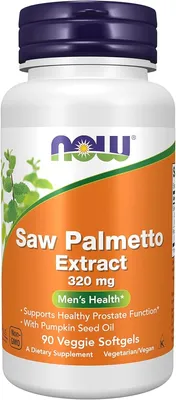
NOW Saw Palmetto Extract 320mg
Best saw palmetto option — if you want to try saw palmetto despite the mixed evidence, NOW delivers the clinically studied 320mg dose at a fair price.
- 320mg standardized extract — the dose used in most clinical trials
- Supercritical CO2 extraction preserves fatty acids and sterols
- Very affordable at roughly $0.13 per day
Based on clinical evidence, beta-sitosterol has stronger and more consistent trial data for relieving prostate enlargement (BPH) symptoms than saw palmetto. Two rigorous NIH-funded trials found saw palmetto no better than placebo, while beta-sitosterol has shown significant improvements in urinary flow and symptom scores across multiple studies and a Cochrane systematic review. The irony is that beta-sitosterol is actually one of the active compounds found inside saw palmetto berries — but isolated beta-sitosterol supplements deliver it in a more concentrated, consistent dose.
We reviewed the major clinical trials on both supplements, compared their mechanisms, and evaluated three products to help men over 50 make an informed choice about prostate support.
What Is Saw Palmetto?
Saw palmetto (Serenoa repens) is a small palm tree native to the southeastern United States. The extract from its dark purple berries has been the best-selling prostate supplement worldwide for decades. In Europe, saw palmetto extract is actually prescribed by doctors for BPH — a tradition that dates back to the early 1900s.
How It Works (In Theory)
The proposed mechanism of saw palmetto centers on the enzyme 5-alpha reductase. This enzyme converts testosterone into dihydrotestosterone (DHT), a more potent androgen that drives prostate cell growth. As men age, DHT accumulates in prostate tissue and contributes to benign prostatic hyperplasia — the gradual enlargement that eventually affects about 50% of men over 50 and 90% of men over 80.
Saw palmetto extract may:
- Inhibit 5-alpha reductase, reducing DHT production in the prostate. This is the same mechanism used by the prescription drug finasteride (Proscar), though finasteride is far more potent.
- Block androgen receptors, preventing DHT from binding to prostate cells and stimulating growth.
- Reduce inflammation in prostate tissue through anti-inflammatory fatty acids and plant sterols naturally present in the berry extract.
The berries contain a complex mixture of fatty acids (lauric acid, oleic acid, myristic acid), plant sterols (including beta-sitosterol), flavonoids, and polysaccharides. The standard clinical dose is 320mg of liposterolic extract per day, typically standardized to contain 85-95% fatty acids and sterols.
The Evidence Problem
Despite decades of use and early positive studies, saw palmetto’s clinical evidence has become increasingly problematic. The two most rigorous trials conducted to date — both funded by the National Institutes of Health — failed to show benefit over placebo.
What Is Beta-Sitosterol?
Beta-sitosterol is a plant sterol — a naturally occurring compound found in fruits, vegetables, nuts, seeds, and grains. Structurally, it resembles cholesterol but comes from plants rather than animals. It is one of the most abundant phytosterols in the human diet, though dietary intake alone is modest (about 150-400mg per day depending on diet).
Beta-sitosterol is found in many plants, including the berries of the saw palmetto tree. This is a key point we will return to: beta-sitosterol may be the actual active compound that made early saw palmetto studies look promising.
How It Works
Beta-sitosterol’s mechanism in the prostate appears to involve multiple pathways:
- Anti-inflammatory action. Beta-sitosterol may inhibit the production of prostaglandins — inflammatory compounds that contribute to prostate swelling and urinary obstruction. A 2005 study in the European Journal of Pharmacology demonstrated beta-sitosterol’s anti-inflammatory properties in prostate tissue models.
- Inhibition of prostate cell growth. Laboratory studies suggest beta-sitosterol may slow the proliferation of prostate epithelial cells without affecting normal cell death (apoptosis). This could help limit further prostate enlargement.
- 5-alpha reductase inhibition. Like saw palmetto, beta-sitosterol may inhibit the enzyme that converts testosterone to DHT, though this mechanism is less well-established for beta-sitosterol than the anti-inflammatory pathway.
- Cholesterol metabolism. Beta-sitosterol is well-established as a cholesterol-lowering agent — it competes with dietary cholesterol for absorption in the intestine. The FDA allows a health claim for plant sterols and reduced risk of heart disease. This is a meaningful secondary benefit for men over 50 who often deal with both prostate and cardiovascular concerns.
The standard clinical dose for prostate support is 60-130mg of beta-sitosterol per day.
Head-to-Head: The Evidence Compared
The Saw Palmetto Trials
The STEP Trial (2006). Published in the New England Journal of Medicine by Bent and colleagues, STEP (Saw Palmetto Treatment for Enlarged Prostates) was a double-blind, placebo-controlled trial of 225 men with moderate BPH symptoms. Participants received either 160mg of saw palmetto extract twice daily (320mg total) or placebo for one year.
The result: saw palmetto produced no significant improvement in the American Urological Association Symptom Index (AUASI) compared to placebo. No difference in urinary flow rate. No difference in prostate size. No difference in quality of life scores. The researchers concluded that “saw palmetto did not improve symptoms or objective measures of benign prostatic hyperplasia.”
The CAMUS Trial (2011). Published in JAMA by Barry and colleagues, CAMUS (Complementary and Alternative Medicine for Urological Symptoms) was an even larger and more thorough study. It enrolled 369 men with moderate BPH symptoms and tested escalating doses of saw palmetto extract — 320mg daily for the first 24 weeks, then 640mg daily for weeks 24-48, then 960mg daily for weeks 48-72.
Even at triple the standard dose, saw palmetto showed no significant improvement in AUASI scores, maximum urinary flow rate, or prostate size compared to placebo at any dose level. The authors concluded that “increasing doses of a saw palmetto fruit extract did not reduce urinary symptoms associated with BPH more than placebo.”
These two trials — both large, well-designed, NIH-funded, and published in top-tier journals — have significantly undermined the case for saw palmetto as a prostate supplement. Earlier positive studies tended to be smaller, shorter, and sometimes industry-funded with less rigorous methodology.
The Beta-Sitosterol Trials
The Berges Trial (1997). Published in The Lancet by Berges and colleagues, this was a multicenter, randomized, double-blind, placebo-controlled trial of 200 men with symptomatic BPH. Participants received either 20mg of beta-sitosterol three times daily (60mg total) or placebo for six months.
The results were striking. The beta-sitosterol group showed:
- Significant improvement in International Prostate Symptom Score (IPSS) — a decrease of 7.4 points versus 2.1 points with placebo (p < 0.01)
- Significant improvement in urinary peak flow rate — an increase of 3.91 mL/s versus 0.36 mL/s with placebo (p < 0.01)
- Significant reduction in post-void residual urine volume — a decrease of 33.5 mL versus an increase of 3.0 mL with placebo
A follow-up study published in 2000 by Berges and colleagues in BJU International followed the original trial participants for an additional 18 months. Men who continued taking beta-sitosterol maintained their improvements, while those switched to placebo experienced a return of symptoms — suggesting the benefit was real and required continued use.
The Wilt Cochrane Review (1999). Published in the Cochrane Database of Systematic Reviews, Wilt and colleagues conducted a systematic review of all randomized controlled trials of beta-sitosterol for BPH. The review identified four trials involving 519 men and concluded that beta-sitosterol “improves urological symptoms and flow measures” in men with BPH. The improvements were clinically meaningful and statistically significant across the pooled analysis.
The Cochrane review is particularly important because it represents the gold standard of evidence synthesis — an independent, systematic analysis of all available trial data by researchers with no financial stake in the outcome.
Comparing the Evidence Quality
| Factor | Saw Palmetto | Beta-Sitosterol |
|---|---|---|
| Largest trial size | 369 men (CAMUS) | 200 men (Berges) |
| NIH-funded trials | 2 (both negative) | 0 |
| Cochrane review conclusion | Mixed/negative | Positive |
| Consistency of results | Inconsistent — early positive, later negative | Consistent positive across trials |
| Dose-response demonstrated | No — even 960mg/day failed (CAMUS) | Yes — standard 60mg dose effective |
Beta-sitosterol’s evidence base is not as large as saw palmetto’s in terms of total participants studied, but it is notably more consistent. Every well-designed beta-sitosterol trial has shown benefit, while the two best-designed saw palmetto trials both showed none.
The Plot Twist: Beta-Sitosterol Is in Saw Palmetto
Here is the detail that ties this comparison together: beta-sitosterol is one of the bioactive compounds naturally present in saw palmetto berries. When you take a saw palmetto supplement, you are getting some beta-sitosterol along with the fatty acids, other sterols, and flavonoids in the extract.
So why did saw palmetto fail in trials if it contains the compound that works?
The most likely explanation is dose and consistency. Saw palmetto extract contains a relatively small and variable amount of beta-sitosterol — the exact concentration depends on the growing conditions, harvest timing, extraction method, and specific batch of berries. A typical saw palmetto capsule may contain only 5-20mg of beta-sitosterol buried within its complex mixture of fatty acids and other compounds.
By contrast, a standardized beta-sitosterol supplement delivers 60-180mg per dose — a much higher and more consistent amount of the specific compound shown to improve prostate symptoms in clinical trials. This concentration difference may explain the discrepancy in trial outcomes: saw palmetto delivers too little beta-sitosterol, too inconsistently, to produce reliable clinical benefit.
When to Choose Saw Palmetto
Despite the negative NIH trials, saw palmetto may still make sense in limited situations:
You have tried it before and experienced benefit. Individual response to supplements can differ from population-level trial results. If you have taken saw palmetto and noticed genuine improvement in urinary symptoms, there is no strong safety reason to stop. The placebo effect is powerful — but so is individual biochemistry. Some men may respond to the full complex of fatty acids and sterols in saw palmetto in ways that are not captured by average trial outcomes.
You want it as part of a comprehensive formula. Many multi-ingredient prostate formulas (like Life Extension Ultra Prostate Formula) include saw palmetto alongside beta-sitosterol, pumpkin seed, lycopene, and other prostate-supporting compounds. In this context, saw palmetto is one ingredient among many, not your sole line of defense. The combination may be more effective than any single ingredient alone.
Your symptoms are very mild. If you have only slight urinary hesitancy or minimal nighttime urgency, a low-cost supplement like saw palmetto may be worth a 3-month trial. At $12 for a two-month supply, the financial risk is minimal. Track your symptoms honestly with an IPSS questionnaire (available free online) and assess objectively whether you have improved.
When to Choose Beta-Sitosterol
Beta-sitosterol is the stronger evidence-based choice in these situations:
You want the supplement with the best clinical evidence. The Berges trial and the Wilt Cochrane review provide a clearer evidence base than anything supporting saw palmetto. If clinical data drives your decisions, beta-sitosterol has the stronger case.
You are currently taking saw palmetto without improvement. If you have given saw palmetto a fair trial (3-6 months at the standard 320mg dose) and your symptoms have not improved, switching to isolated beta-sitosterol may deliver the concentrated dose of the active compound you have been missing.
You also want cholesterol support. Beta-sitosterol’s cholesterol-lowering effect is well-established and FDA-recognized. For men over 50 managing both prostate and cardiovascular health, beta-sitosterol addresses two concerns with one supplement.
You value consistency and standardization. Beta-sitosterol supplements deliver a precisely measured dose of a single, well-characterized compound. There is far less batch-to-batch variation than with saw palmetto extract, which contains dozens of bioactive compounds in unpredictable proportions.
Safety and Side Effects
Both supplements have excellent safety profiles. Serious adverse effects are rare with either one.
Saw palmetto side effects are generally mild and uncommon: occasional stomach discomfort, headache, and dizziness. Rarely, saw palmetto has been reported to cause liver inflammation — though the evidence is limited to case reports and a causal link has not been firmly established. Saw palmetto may have mild anticoagulant properties. If you take warfarin, aspirin, or other blood thinners, inform your doctor before starting saw palmetto.
Beta-sitosterol side effects are also mild: occasional nausea, gas, or diarrhea. At very high doses (above 6g per day — far above supplement doses), plant sterols could theoretically reduce absorption of fat-soluble vitamins (A, D, E, K), but this has not been demonstrated at typical supplement doses of 60-360mg per day.
Important for both: Neither saw palmetto nor beta-sitosterol is a substitute for medical evaluation of prostate symptoms. BPH symptoms — frequent urination, weak stream, nighttime urgency, difficulty starting urination — can also be symptoms of prostate cancer or prostatitis. If you develop new or worsening urinary symptoms, see a urologist before self-treating with supplements. Early evaluation is important. Consult your doctor before starting any prostate supplement, particularly if you take prescription medications.
Our Product Recommendations
NOW Saw Palmetto Extract 320mg — Best Saw Palmetto
NOW delivers the standard 320mg dose of saw palmetto extract using supercritical CO2 extraction, which preserves the fatty acid and sterol content of the berries more effectively than chemical solvent extraction. The single daily softgel makes dosing simple, and at roughly $0.13 per day, it is one of the most affordable options available. NOW is a GMP-certified manufacturer with a solid reputation for quality control.
Who it’s best for: Men who want to try saw palmetto at the clinically studied dose without a significant financial commitment. If you are going to try saw palmetto despite the mixed evidence, this is a reliable, affordable way to do it. Read our full review: NOW Saw Palmetto Extract
NOW Beta-Sitosterol Plant Sterols 180mg — Best Beta-Sitosterol
NOW Beta-Sitosterol delivers 180mg per capsule of the compound with the strongest clinical evidence for BPH symptom relief. Two capsules daily provides 360mg — well above the 60mg dose that showed significant benefit in the Berges trial. The added benefit of cholesterol support makes this a dual-purpose supplement for men over 50. NOW’s manufacturing standards and third-party verification provide confidence in label accuracy.
Who it’s best for: Men looking for the most evidence-based standalone prostate supplement. Our top recommendation for those who want to focus on the specific compound shown to improve urinary flow and symptom scores in clinical trials. Read our full review: NOW Beta-Sitosterol
Life Extension Ultra Prostate Formula — Best Comprehensive Formula
Life Extension combines beta-sitosterol, saw palmetto, ApreFlex (a patented boswellia extract with anti-inflammatory properties), pumpkin seed oil, lycopene, stinging nettle root, and pygeum in a two-softgel daily formula. The multi-ingredient approach targets prostate health through several complementary pathways — inflammation, DHT reduction, and antioxidant protection. Life Extension’s in-house testing lab provides additional quality assurance.
Who it’s best for: Men who want a comprehensive, multi-pathway approach to prostate support rather than a single-ingredient supplement. The trade-off is cost ($0.93/day) and the fact that individual ingredient doses are lower than in standalone products. Best suited for men with mild to moderate symptoms who want broad coverage. Read our full review: Life Extension Ultra Prostate Formula
Frequently Asked Questions
Is beta-sitosterol the active ingredient in saw palmetto? Beta-sitosterol is one of several bioactive compounds found in saw palmetto berries, alongside other fatty acids, flavonoids, and plant sterols. Some researchers believe beta-sitosterol is a key contributor to whatever prostate benefit saw palmetto may provide. However, saw palmetto contains beta-sitosterol in variable and relatively low concentrations compared to isolated beta-sitosterol supplements. This may explain why saw palmetto studies have produced inconsistent results — the beta-sitosterol content varies from batch to batch and brand to brand, while pure beta-sitosterol supplements deliver a standardized, predictable dose.
Can I take saw palmetto and beta-sitosterol together? Yes, many men take both without safety concerns. In fact, several comprehensive prostate formulas — like Life Extension Ultra Prostate Formula — deliberately combine saw palmetto with beta-sitosterol and other prostate-supporting compounds. The rationale is that beta-sitosterol provides the evidence-backed core benefit while saw palmetto may contribute additional fatty acids and compounds that support prostate health through different mechanisms. Consult your doctor before combining supplements, especially if you take prescription medications for prostate or urinary symptoms.
Do saw palmetto or beta-sitosterol affect PSA test results? This is an important question. Saw palmetto does not appear to significantly affect PSA (prostate-specific antigen) levels in clinical studies, which means it should not mask elevated PSA that could indicate prostate cancer. Beta-sitosterol also has not been shown to meaningfully alter PSA readings. However, always inform your doctor about all supplements you take before PSA testing. Some prescription BPH medications (finasteride, dutasteride) do lower PSA by about 50%, which can complicate screening. Natural supplements appear less likely to cause this issue, but full disclosure to your doctor is essential.
How long does it take for beta-sitosterol to work for prostate symptoms? In clinical trials, men taking beta-sitosterol typically noticed improvement in urinary flow and symptom scores within 4-6 weeks, with continued improvement over 6 months. The 1997 Berges trial showed statistically significant improvement at the 6-month mark compared to placebo. Like most natural supplements, beta-sitosterol does not work overnight — it takes consistent daily use over weeks to months. If you notice no improvement after 3 months of consistent use at the recommended dose, discuss other options with your doctor.
Are there prescription medications that work better than saw palmetto or beta-sitosterol? Yes. For moderate to severe BPH symptoms, prescription medications like tamsulosin (Flomax), finasteride (Proscar), and dutasteride (Avodart) have stronger clinical evidence and more predictable effects. Alpha-blockers like tamsulosin relax the muscles around the prostate and bladder neck, providing relief within days. 5-alpha reductase inhibitors like finasteride actually shrink the prostate over several months. If your symptoms significantly affect your quality of life — frequent nighttime urination, weak stream, difficulty starting — see a urologist. Supplements are most appropriate for mild symptoms or as an adjunct to medical treatment under your doctor’s guidance.
The Bottom Line
If you are choosing between saw palmetto and beta-sitosterol based purely on clinical evidence, beta-sitosterol wins. The Berges trial and the Wilt Cochrane review showed meaningful, statistically significant improvements in BPH symptoms. The two largest, most rigorous saw palmetto trials (STEP and CAMUS) both failed to beat placebo — even at triple the standard dose.
The connection between the two is fascinating: beta-sitosterol is one of the active compounds inside saw palmetto, but saw palmetto delivers it in variable, insufficient amounts. Taking isolated beta-sitosterol is essentially taking the most evidence-backed component of saw palmetto in a concentrated, standardized form.
For men with mild prostate symptoms, NOW Beta-Sitosterol is our top single-ingredient recommendation. For those who want a comprehensive multi-ingredient approach, Life Extension Ultra Prostate Formula combines beta-sitosterol with saw palmetto and several other prostate-supporting compounds.
Whatever you choose, remember that supplements support prostate health — they do not replace medical evaluation. If your symptoms are worsening, if you have blood in your urine, or if you wake more than twice per night to urinate, see your doctor. These symptoms deserve professional evaluation, not just a supplement.
For related reading, see our guides on Best Prostate Supplements, Best Testosterone Supplements, and Does Ashwagandha Boost Testosterone?.
All Products We Reviewed
- 320mg standardized extract — the dose used in most clinical trials
- Supercritical CO2 extraction preserves fatty acids and sterols
- Very affordable at roughly $0.13 per day
- Single softgel daily — simple dosing
- NIH-funded trials (STEP, CAMUS) found no benefit over placebo
- Active compound concentration varies between batches
- Softgel contains soybean oil as carrier
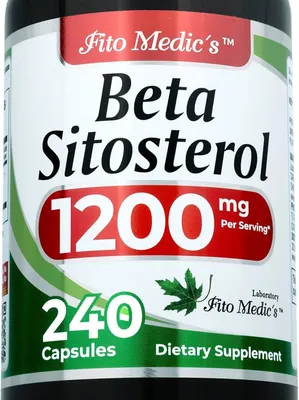
- 180mg beta-sitosterol per capsule — clinically relevant dose
- Backed by stronger clinical evidence than saw palmetto
- Also supports healthy cholesterol levels
- No significant side effects in clinical trials
- Less brand recognition than saw palmetto — harder to find in stores
- Requires 2 capsules daily for the dose used in clinical trials
- May reduce absorption of fat-soluble vitamins at very high doses
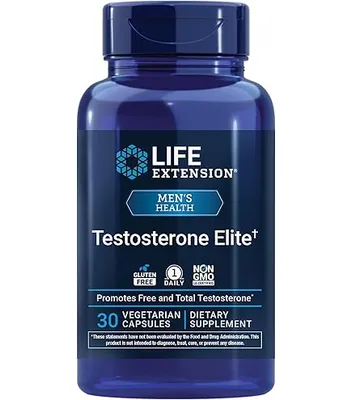
- Contains both beta-sitosterol and saw palmetto in one formula
- Includes ApreFlex (boswellia), pumpkin seed, lycopene, and nettle root
- Third-party tested for purity and potency
- Comprehensive multi-pathway approach to prostate support
- Most expensive option — roughly $0.93 per day
- Requires 2 softgels daily
- Individual ingredient doses are lower than standalone products
Frequently Asked Questions
Is beta-sitosterol the active ingredient in saw palmetto?
Beta-sitosterol is one of several bioactive compounds found in saw palmetto berries, alongside other fatty acids, flavonoids, and plant sterols. Some researchers believe beta-sitosterol is a key contributor to whatever prostate benefit saw palmetto may provide. However, saw palmetto contains beta-sitosterol in variable and relatively low concentrations compared to isolated beta-sitosterol supplements. This may explain why saw palmetto studies have produced inconsistent results — the beta-sitosterol content varies from batch to batch and brand to brand, while pure beta-sitosterol supplements deliver a standardized, predictable dose.
Can I take saw palmetto and beta-sitosterol together?
Yes, many men take both without safety concerns. In fact, several comprehensive prostate formulas — like Life Extension Ultra Prostate Formula — deliberately combine saw palmetto with beta-sitosterol and other prostate-supporting compounds. The rationale is that beta-sitosterol provides the evidence-backed core benefit while saw palmetto may contribute additional fatty acids and compounds that support prostate health through different mechanisms. Consult your doctor before combining supplements, especially if you take prescription medications for prostate or urinary symptoms.
Do saw palmetto or beta-sitosterol affect PSA test results?
This is an important question. Saw palmetto does not appear to significantly affect PSA (prostate-specific antigen) levels in clinical studies, which means it should not mask elevated PSA that could indicate prostate cancer. Beta-sitosterol also has not been shown to meaningfully alter PSA readings. However, always inform your doctor about all supplements you take before PSA testing. Some prescription BPH medications (finasteride, dutasteride) do lower PSA by about 50%, which can complicate screening. Natural supplements appear less likely to cause this issue, but full disclosure to your doctor is essential.
How long does it take for beta-sitosterol to work for prostate symptoms?
In clinical trials, men taking beta-sitosterol typically noticed improvement in urinary flow and symptom scores within 4-6 weeks, with continued improvement over 6 months. The 1997 Berges trial showed statistically significant improvement at the 6-month mark compared to placebo. Like most natural supplements, beta-sitosterol does not work overnight — it takes consistent daily use over weeks to months. If you notice no improvement after 3 months of consistent use at the recommended dose, discuss other options with your doctor.
Are there prescription medications that work better than saw palmetto or beta-sitosterol?
Yes. For moderate to severe BPH symptoms, prescription medications like tamsulosin (Flomax), finasteride (Proscar), and dutasteride (Avodart) have stronger clinical evidence and more predictable effects. Alpha-blockers like tamsulosin relax the muscles around the prostate and bladder neck, providing relief within days. 5-alpha reductase inhibitors like finasteride actually shrink the prostate over several months. If your symptoms significantly affect your quality of life — frequent nighttime urination, weak stream, difficulty starting — see a urologist. Supplements are most appropriate for mild symptoms or as an adjunct to medical treatment under your doctor's guidance.