
Best Supplements for Menopause Hair Loss & Thinning
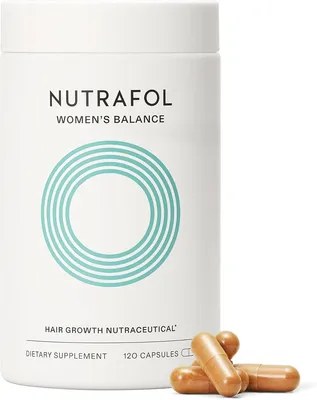
Nutrafol Women's Balance
Best overall — the only hair supplement with menopause-specific peer-reviewed RCT data, and the strongest evidence-backed option despite the price.
- Peer-reviewed RCT data specifically in perimenopausal and postmenopausal women
- Multi-ingredient formula targets stress, DHT, nutrient gaps, and inflammation
- Saw palmetto, ashwagandha, curcumin, biotin, and marine collagen combined
Menopausal hair thinning has three drivers: declining estrogen shortens the hair growth phase, rising relative androgens miniaturize follicles, and nutrient gaps (iron, protein, zinc) worsen both. The strongest evidence supports Nutrafol Women’s Balance (peer-reviewed RCT data) and collagen peptides at 10g daily. Biotin helps only if you’re deficient — most women aren’t. Iron helps only if ferritin is low. Saw palmetto targets the DHT pathway with modest evidence. Match the supplement to the actual driver rather than buying a generic “hair vitamin.”
We reviewed the clinical literature on female pattern hair loss and menopause-related hair changes, along with published trial data for the major supplement categories. Below are the five supplements that earned their place — picked for evidence quality, alignment with actual hair loss mechanisms, and honest assessment of when each helps versus when it’s marketing hype.
Important: If your hair thinning is rapid, patchy, or accompanied by other symptoms (fatigue, cold intolerance, weight changes), see a dermatologist and your primary care doctor. Thyroid disorders, iron deficiency, autoimmune alopecia, and certain medications can cause hair loss that looks like menopausal thinning but needs different treatment. Supplements work best as part of a multi-modal strategy — not as a standalone fix.
Key Takeaways
- Nutrafol Women’s Balance has the strongest evidence — peer-reviewed RCT in perimenopausal and postmenopausal women showed measurable hair density improvements at 6 months
- Collagen peptides at 10g daily support hair shaft strength and skin/hair/nail health through shared mechanisms — strongest for skin, moderate for hair
- Biotin is overrated unless you’re deficient — most women do not benefit from biotin supplementation
- Iron matters only if ferritin is low — ask for a ferritin test, target 70+ ng/mL for women with active shedding
- Saw palmetto targets DHT — modest evidence, reasonable second-tier option for pattern hair loss
- Expect 3-6 months minimum before judging any hair supplement — photograph monthly for honest comparison
Understanding Menopausal Hair Loss
The hair you see on your scalp is in one of three phases at any given time. Anagen is the active growth phase — roughly 85-90% of hairs, lasting 2-7 years. Catagen is a brief transitional phase. Telogen is the resting phase — about 10-15% of hairs, lasting 2-4 months before the hair sheds and a new anagen cycle begins.
Estrogen extends the anagen phase. When estrogen declines during perimenopause and menopause, the anagen phase shortens — so more hairs spend more time in telogen, and daily shedding increases. You’re still growing hair, but each hair grows for less time before falling out.
At the same time, the relative balance between estrogen and androgens shifts. Women still produce small amounts of testosterone and DHT throughout life. Before menopause, estrogen dominates. After menopause, the relative ratio of androgens to estrogens rises — even though absolute androgen levels don’t necessarily increase. In genetically susceptible women, this relative androgen excess miniaturizes hair follicles in a pattern similar to male pattern baldness, but gentler and more diffuse.
This dual mechanism explains why menopausal hair thinning typically:
- Develops gradually over 2-5 years rather than suddenly
- Affects the crown and the part line rather than creating bald patches
- Coexists with increased shedding (more hair in the shower drain, more on the brush)
- Responds partially to interventions that address both pathways
Add nutrient gaps — iron deficiency, inadequate protein, zinc shortfall — and the hair cycle is further compromised. The good news is that each of these drivers is at least partially addressable.
What the Evidence Actually Shows
Hair supplement marketing dramatically exceeds the evidence base. Here’s what’s actually supported:
Targeted multi-ingredient formulas with clinical trial data (Nutrafol is the leading example) show modest but real density improvements at 3-6 months in menopausal women.
Collagen peptides have strong evidence for skin elasticity and moderate evidence for hair shaft strength and nail growth.
Correcting confirmed deficiencies (iron, vitamin D, zinc) improves hair when the deficiency was actually contributing to shedding.
Biotin helps only if you’re biotin deficient — which is rare in women with normal diets.
Saw palmetto has modest evidence in small trials — reasonable to try but less effective than prescription 5-alpha reductase inhibitors.
Generic “hair vitamins” marketed with unsupported claims are mostly biotin-plus-filler combinations with weak evidence. Your money is almost always better spent on one or two targeted supplements than a multi-ingredient generic product.
Our Top Picks Compared
1. Nutrafol Women’s Balance — Best Overall
Nutrafol is one of the very few hair supplements with peer-reviewed clinical trial data specifically in perimenopausal and postmenopausal women. The formula targets multiple drivers simultaneously: DHT (via saw palmetto), stress-related shedding (via ashwagandha), inflammation (via curcumin and tocotrienols), and nutrient gaps (via biotin, marine collagen, and vitamin E).
How it works: The multi-ingredient approach reflects the multi-driver nature of menopausal hair loss. No single ingredient moves the needle dramatically, but the combination addresses more of the pathways at once than any single supplement.
The evidence: A 2021 randomized controlled trial by Ablon et al. found that Nutrafol Women’s Balance produced statistically significant improvements in hair growth, density, and thickness in perimenopausal and menopausal women over 6 months compared to placebo. An earlier Nutrafol trial in women with self-perceived thinning showed similar results. These are industry-sponsored trials, which is a limitation — but they were peer-reviewed and used objective outcome measures (phototrichograms and macrophotographs scored by blinded evaluators).
Dosing: Four capsules daily, taken with a meal. The company recommends taking them at the same time each day for consistency. Trial data used 6-month endpoints — don’t judge before 3 months and ideally wait 6 months for full effect.
Safety: Generally well-tolerated. Contains saw palmetto (avoid with blood thinners without medical clearance), ashwagandha (caution with thyroid medication), and soy-derived ingredients (worth noting for soy avoidance). Discuss with your doctor before starting, especially if you take prescription medications.
Who it’s best for: Women with menopause-related thinning who want the most evidence-backed single product, who can afford the ~$88/month subscription cost, and who are willing to commit to a 6-month trial. This is the evidence-leader on this list, justifying its price tag for women where hair thinning is a primary concern.
2. Vital Proteins Collagen Peptides — Best Adjunct
Collagen peptides won’t reverse menopausal hair loss on their own, but they support hair shaft strength and general connective tissue health through the same mechanism that supports skin and joints. As a layer on top of Nutrafol or a dermatologist-prescribed approach, they add value.
How it works: Hydrolyzed collagen peptides are broken down during digestion into amino acids (particularly glycine, proline, and hydroxyproline) that support collagen synthesis throughout the body. Hair follicles and the dermis surrounding them rely on collagen for structural support.
The evidence: A 2019 randomized trial in Nutrients found 10g of collagen peptides daily for 12 weeks significantly improved skin elasticity and hydration in women over 35. A 2023 review pooled collagen research and found moderate benefits for skin and nails, with smaller-magnitude effects for hair. The strongest evidence is for skin — but the mechanism applies to the dermal environment that supports hair follicles.
Dosing: 10-20g daily, mixed into coffee, smoothies, soup, or any liquid. Unflavored dissolves cleanly without taste changes.
Safety: Very well-tolerated. No significant drug interactions. Bovine-derived (worth noting for women following kosher, halal, or vegan diets — marine collagen is an alternative). Allow 3-4 months to judge effects.
Who it’s best for: All women over 50 can reasonably include collagen as part of a broader strategy. Particularly valuable when combined with Nutrafol or prescribed treatments. See our full Best Collagen for Women Over 50 guide for detailed brand comparison.
3. MaryRuth’s Liquid Morning Multivitamin + Hair Growth — Best for Suspected Deficiency
Biotin supplementation is overrated for hair loss in general populations — but if you’ve been told your biotin is low, or if you’re on anticonvulsant medications that deplete biotin, supplementation makes sense. A liquid multivitamin that includes biotin is a convenient way to cover it without adding another capsule to the routine.
How it works: Biotin is a cofactor for enzymes involved in fatty acid, amino acid, and glucose metabolism. True deficiency causes hair loss, brittle nails, and skin issues. Correcting deficiency reverses these. The rest of the formula is a standard daily multivitamin with a hair-growth blend.
The evidence: A 2017 review in Skin Appendage Disorders concluded that biotin supplementation helps hair only in confirmed deficiency states, which are uncommon. A 2019 study in Skin Research and Technology found limited evidence for routine biotin supplementation in non-deficient adults. The takeaway: check before you supplement.
Dosing: Follow the product instructions (typically 1 tablespoon daily). Ask your doctor for a serum biotin test if deficiency is suspected.
Safety: Generally safe. High-dose biotin (check the label — hair-growth formulas often run 2,500-5,000 mcg/day) can interfere with thyroid and cardiac enzyme assays — alert your doctor if bloodwork is planned so they can instruct you to pause for 2-3 days before testing.
Who it’s best for: Women with confirmed or suspected biotin deficiency (on long-term anticonvulsants, post-gastric-bypass, severe dietary restriction) who want a convenient liquid multivitamin that covers biotin as well. Skip it if your biotin levels are fine — the money is better spent on Nutrafol or targeted collagen.
4. MegaFood Blood Builder — Best When Ferritin Is Low
Iron deficiency without anemia — low ferritin with normal hemoglobin — is a surprisingly common cause of hair shedding in women over 40. It’s frequently missed because doctors typically check hemoglobin but not ferritin unless specifically asked.
How it works: Iron is essential for hair follicle function. Low iron reduces ferritin, and ferritin below approximately 40 ng/mL (some dermatologists target 70 ng/mL) is associated with increased telogen effluvium — diffuse hair shedding that responds to iron repletion.
The evidence: A 2013 review in the Journal of Korean Medical Science documented the association between low ferritin and female pattern hair loss. A 2010 study found that correcting low ferritin (with a target of 70 ng/mL or higher) improved outcomes in women with female pattern hair loss. Not every trial is positive, but the biological link is clear.
Dosing: One tablet daily with food (26mg elemental iron). Monitor ferritin every 3-4 months during supplementation to confirm levels are rising into target range. Take with vitamin C (from food or in the formulation) for absorption. Avoid taking iron with calcium, coffee, or tea — these block absorption.
Safety: Only supplement iron if you have confirmed low ferritin. Iron supplementation in the absence of deficiency can cause digestive upset, constipation, and — at high cumulative doses — iron overload (hemochromatosis risk in susceptible individuals). MegaFood’s whole-food-based iron is better tolerated than ferrous sulfate for most women, but it’s still targeted medicine, not a general supplement.
Who it’s best for: Women whose bloodwork confirms ferritin below 40-70 ng/mL alongside hair shedding. Not appropriate without deficiency confirmation. Discuss with your doctor before starting.
5. Gaia Herbs Saw Palmetto — Best for DHT-Targeted Approach
Saw palmetto inhibits the enzyme 5-alpha reductase, which converts testosterone to the more potent androgen DHT (dihydrotestosterone). DHT is the primary androgen implicated in pattern hair loss in both men and women. Blocking its production is the mechanism behind prescription finasteride — and saw palmetto is a weaker but over-the-counter alternative.
How it works: Saw palmetto’s fatty acid fraction inhibits 5-alpha reductase in hair follicles, reducing local DHT exposure. The effect is less potent than finasteride but also has a more favorable safety profile.
The evidence: A 2020 review in the International Journal of Trichology noted that small trials show saw palmetto produces modest improvements in hair density in both men and women with pattern hair loss. A 2012 trial in the Journal of Alternative and Complementary Medicine found topical saw palmetto improved hair count in pattern hair loss. Evidence specifically in postmenopausal women is limited — most trials are in men — but the mechanism translates.
Dosing: 320mg daily of saw palmetto extract standardized to 85-95% fatty acids. Take with food. Allow 6 months minimum for hair effects.
Safety: Generally well-tolerated. Mild bleeding risk — avoid combining with warfarin, clopidogrel, or aspirin without medical clearance. May interact with hormone-sensitive conditions — discuss with your doctor if you have a history of breast cancer, ovarian conditions, or uterine concerns.
Who it’s best for: Women with pattern-type thinning (crown and part line) who want to target the DHT pathway and prefer a supplement approach. Usually best as a second-tier addition after Nutrafol, or alongside dermatologist-prescribed minoxidil.
Who Should NOT Take These Supplements
Women on blood thinners. Saw palmetto and some components of Nutrafol (marine collagen, EPO-family ingredients) carry mild bleeding risk. Clear with your doctor and pharmacist.
Women with a history of hormone-sensitive cancer. Saw palmetto and some Nutrafol ingredients have mild hormone-modulating effects. Discuss with your oncology team before use.
Women without confirmed iron deficiency. Do not take iron supplements “just in case.” Iron in the absence of deficiency can cause harm. Confirm with a ferritin test first.
Women with thyroid disease. High-dose biotin can interfere with thyroid lab assays. Alert your doctor before any bloodwork so they can adjust timing. Ashwagandha in Nutrafol can also affect thyroid hormone levels — monitor TSH during the first 8 weeks of use if on levothyroxine.
Women with active autoimmune hair conditions (alopecia areata). These need targeted dermatologic treatment, not supplements. Supplement use can delay appropriate diagnosis and treatment.
During active cancer treatment. Clear all supplements with your oncology team.
Building Your Hair Strategy
Rather than throwing four supplements at the problem simultaneously, layer interventions based on your specific situation:
Step 1: See a dermatologist if possible. They can confirm pattern hair loss versus other causes, prescribe topical minoxidil 5% (strongest over-the-counter evidence), and discuss spironolactone or oral minoxidil if appropriate. This is not optional for moderate-to-severe thinning — it’s the baseline.
Step 2: Check ferritin and basic bloodwork. Ferritin below 70 ng/mL and you want targeted iron supplementation. Low vitamin D or thyroid issues need correction. These foundational fixes come before supplements.
Step 3: Add Nutrafol Women’s Balance for 6 months. This is the evidence-leader for menopause-related thinning. Commit to the full 6 months before judging.
Step 4: Layer collagen peptides. 10-20g daily for broader tissue support. Minimal risk, moderate benefit.
Step 5: Consider saw palmetto as a second-tier addition if Nutrafol alone is insufficient and your doctor agrees.
Beyond supplements:
- Scalp care. Gentle shampoos, avoiding tight hairstyles, minimizing heat styling all reduce traction and damage
- Protein adequacy. Hair is built from protein. Target 0.8-1.0g protein per pound of lean body mass
- Stress management. Cortisol drives telogen effluvium. The Best Adaptogens for Stress Over 50 can help for stress-related shedding
- Sleep quality. Hair follicle repair happens during sleep. See Perimenopause Symptoms and Supplements and Hormone Replacement Therapy Guide for broader menopause context
For women dealing with brain fog alongside hair thinning, see Best Supplements for Menopause Brain Fog. For comprehensive menopause support, see Best Menopause Supplements for Women Over 50.
The Bottom Line
Menopause-related hair thinning is real, multifactorial, and partially addressable — but most over-the-counter “hair vitamins” are a waste of money. The evidence-based approach starts with a dermatologist evaluation, corrects any confirmed nutrient deficiencies (especially iron), and then adds Nutrafol Women’s Balance as the single supplement with the strongest menopause-specific clinical data.
Collagen peptides are a sensible layer for broader tissue support. Biotin helps only in confirmed deficiency. Iron helps only when ferritin is low. Saw palmetto targets DHT with modest evidence.
Give any supplement at least 6 months before judging. Photograph your scalp monthly in consistent lighting — you cannot reliably evaluate hair density by feel or by glancing in the mirror. And remember: supplements are one layer in a multi-layer strategy. Dermatologist care, nutrient correction, stress management, and sleep quality matter as much or more than any supplement on this list.
Sources
- Ablon et al., 2021 — Nutrafol Women’s Balance RCT in perimenopausal/menopausal women
- Ablon & Kogan, 2018 — Nutrafol in women with self-perceived thinning hair
- Patel et al., 2017 — Biotin for hair and nails review
- Trost et al., 2006 — Iron and female pattern hair loss
- Park et al., 2013 — Ferritin levels and female pattern hair loss
- Rushton, 2002 — Nutritional factors and hair loss
- Evron et al., 2020 — Saw palmetto for hair loss review
- Wessagowit et al., 2016 — Topical saw palmetto for androgenetic alopecia
- Asserin et al., 2015 — Collagen peptides and skin effects
- Kim et al., 2019 — Collagen peptides for skin elasticity in women
- Ablon, 2015 — Female pattern hair loss overview
- Dinh & Sinclair, 2007 — Female pattern hair loss: current treatment concepts
All Products We Reviewed
- Peer-reviewed RCT data specifically in perimenopausal and postmenopausal women
- Multi-ingredient formula targets stress, DHT, nutrient gaps, and inflammation
- Saw palmetto, ashwagandha, curcumin, biotin, and marine collagen combined
- Physician-developed with dermatologist endorsement
- Expensive — about $88/month at subscription pricing
- Four capsules daily — not for pill-averse users

- 10-20g hydrolyzed bovine collagen per serving — clinical range
- Unflavored dissolves cleanly into coffee, smoothies, or soup
- Third-party tested, grass-fed sourced
- Supports hair, skin, and joint health through the same mechanism
- Not a targeted hair-loss treatment — benefits are general
- Evidence for hair specifically is modest compared to skin
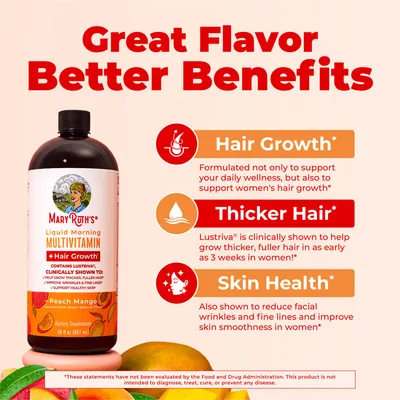
- Convenient liquid format — a full daily multivitamin with biotin and a hair-growth blend in one dose
- Vegan-friendly options available within brand line
- Good fit for women who prefer liquids over capsules
- Replaces a separate multivitamin, which offsets the price
- Biotin only helps if deficient — most women are not
- No collagen — pair with a stand-alone collagen if that is part of your plan
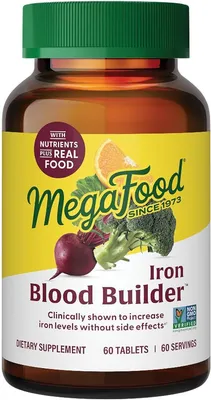
- 26mg elemental iron with vitamin C for absorption
- Gentle on digestion — far less constipation than ferrous sulfate
- Non-GMO, glyphosate-tested, whole-food-based formulation
- Well-tolerated for long-term use when ferritin is low
- Only useful if you actually have low ferritin — confirm with bloodwork first
- Iron supplementation without deficiency can cause harm
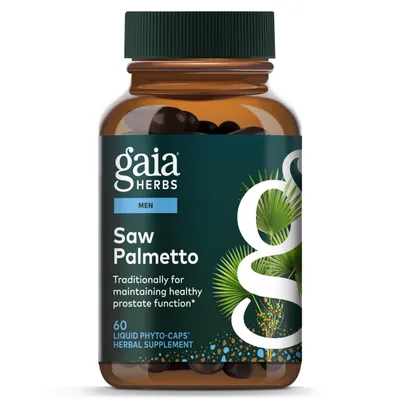
- Standardized to 85-95% fatty acids (active saw palmetto fraction)
- Targets the DHT pathway implicated in pattern hair loss
- Purity-Tested program with full traceability
- Well-tolerated; established safety record in men's health use
- Evidence for women's hair loss is weaker than for men's
- Avoid with blood thinners without medical clearance
Frequently Asked Questions
Does menopause really cause hair thinning?
Yes, for most women. Roughly 40% of women experience noticeable hair thinning during or after menopause — a condition called female pattern hair loss (FPHL) or androgenetic alopecia. The mechanism involves declining estrogen (which normally extends the hair growth phase) combined with relative androgen excess (which miniaturizes follicles over time). It's typically gradual thinning across the crown and top of the scalp rather than bald patches. It's not a sign of anything wrong — it's a normal hormonal shift. That doesn't make it less distressing, and effective approaches exist.
Does biotin actually work for hair loss?
Only if you are biotin deficient, which is uncommon. Most American women get enough biotin from a normal diet. A 2017 review found that while biotin deficiency does cause hair loss, supplementation in non-deficient women produces minimal or no benefit for hair. The biotin-for-hair marketing claims far exceed what the evidence supports. If you suspect deficiency (certain anticonvulsant medications, severe dietary restrictions, gastric bypass), ask your doctor for a serum biotin test before supplementing. For most women, the money is better spent on Nutrafol or collagen peptides.
How long until hair supplements show results?
Expect 3-6 months minimum before judging. Hair grows about half an inch per month, and the full hair cycle takes 3-6 years. You cannot see the effect of a supplement on hair density for at least one full growth cycle. Nutrafol clinical trials typically measure outcomes at 3 and 6 months. Collagen peptide studies use 3-4 month windows. Take photos of your scalp monthly in consistent lighting — photographic comparison at 6 months is far more reliable than your impression in the bathroom mirror.
Should I get my iron levels checked?
Yes, before supplementing. Iron deficiency without anemia (low ferritin with normal hemoglobin) is a common cause of hair shedding in women, and it's frequently missed because doctors check hemoglobin but not ferritin. Ask for a ferritin test. A ferritin under 70 ng/mL is associated with increased hair shedding — some dermatologists target 70-100 ng/mL for women with active hair loss. Iron supplementation without deficiency does not help hair and can cause constipation, nausea, and (at high doses) iron overload. Treat this as a targeted intervention, not a general supplement.
Can saw palmetto help menopausal hair loss?
Possibly, with weaker evidence than Nutrafol or collagen. Saw palmetto inhibits 5-alpha reductase — the enzyme that converts testosterone to DHT, the androgen most implicated in pattern hair loss. A 2020 review noted that small trials show saw palmetto produces modest improvements in hair density, though effects are less dramatic than finasteride (a prescription 5-alpha reductase inhibitor). It's a reasonable second-tier option, particularly for women who want to target the DHT pathway but prefer a supplement approach. Give it at least 6 months.
Is the hair shedding permanent?
Mostly not, if you address the underlying causes. Telogen effluvium (acute shedding from stress, illness, or nutrient gaps) is fully reversible once the trigger is fixed. Female pattern hair loss is progressive but treatable — the goal is to slow, stop, or partially reverse the thinning rather than prevent it completely. Hair density typically stabilizes 2-3 years after menopause. Early intervention (within the first 1-2 years of noticeable thinning) gives better results than waiting until hair is significantly thin.
Do I need to see a dermatologist?
Strongly recommend it if thinning is noticeable or rapid. A dermatologist can distinguish between female pattern hair loss, telogen effluvium, and other causes (thyroid issues, autoimmune alopecia, medication effects) that need different treatment. They can also prescribe minoxidil 5% (topical Rogaine), oral minoxidil, or spironolactone — all of which have stronger evidence than supplements for moderate-to-severe thinning. Supplements work best as part of a multi-modal strategy rather than standalone.