
Magnesium Glycinate vs Citrate vs Oxide: Which Form Is Best for Seniors?

Doctor's Best High Absorption Magnesium
Best magnesium glycinate overall — combines strong absorption, zero GI side effects, and an unbeatable price for a chelated form.
- Chelated glycinate/lysinate form with ~80% bioavailability
- No laxative effect — gentle on the stomach
- Affordable for a chelated magnesium (roughly $0.07/day)
For most adults over 50, magnesium glycinate is the best form of magnesium supplement. It absorbs at roughly 80% bioavailability, causes no laxative effect, and the glycine amino acid it is chelated to may support better sleep. Magnesium citrate is a reasonable second choice — it absorbs at about 25-30% and works well as a general-purpose supplement, though it can loosen stools at higher doses. Magnesium oxide, despite being the cheapest and most commonly sold form, absorbs at only about 4% — meaning most of what you swallow passes straight through your body without being used.
This matters more than you might think. Nearly half of adults over 50 fall short of the recommended daily magnesium intake, and the form you choose determines whether you actually correct the gap or just waste your money. We reviewed the clinical evidence on all three forms — plus two specialty options worth knowing about — to help you pick the right one.
What Is Magnesium and Why Does Form Matter?
Magnesium is the fourth most abundant mineral in your body and a cofactor in more than 300 enzyme reactions. It is essential for heart rhythm, blood pressure regulation, bone density, nerve function, muscle contraction, and blood sugar metabolism. After 50, these roles become more critical as cardiovascular risk, bone loss, and metabolic changes accelerate.
The problem is simple: most Americans do not get enough. The National Institutes of Health estimates that 50% of adults over 50 consume less than the Estimated Average Requirement for magnesium from food alone. Processed food, soil depletion, and certain medications (especially proton pump inhibitors and diuretics) make the gap worse.
So you take a magnesium supplement — but here is where it gets tricky. “Magnesium” on a supplement label tells you almost nothing. The form of magnesium determines how much of it your body actually absorbs and uses. Absorption rates vary from as low as 4% (magnesium oxide) to as high as 80% (magnesium glycinate). That is a 20-fold difference. Choosing the wrong form means paying for magnesium that ends up in your toilet, not your bloodstream.
What Is Magnesium Oxide?
Magnesium oxide is the simplest and cheapest form. It is made by combining magnesium with oxygen — basic chemistry, minimal processing cost. You will find it in most budget magnesium supplements and in over-the-counter products like Milk of Magnesia.
The Upside: Highest Elemental Magnesium Per Weight
Magnesium oxide contains approximately 60% elemental magnesium by weight — far more than any other form. A 500mg magnesium oxide capsule contains roughly 300mg of actual elemental magnesium. This is why supplement labels featuring oxide can advertise impressively large milligram numbers.
The Problem: Almost None of It Absorbs
A widely cited 2001 study by Firoz and Graber, published in the Journal of Clinical Pharmacology, compared the bioavailability of four magnesium preparations. Magnesium oxide had the lowest absorption — approximately 4% of the ingested dose. This means that from a 500mg capsule containing 300mg of elemental magnesium, your body actually absorbs and uses roughly 12mg.
For perspective, your RDA is 320-420mg. At 4% absorption, you would need to swallow an absurd amount of magnesium oxide to meaningfully raise your body’s magnesium levels through supplementation alone.
What It Is Actually Good For
Because magnesium oxide largely stays in the digestive tract, it works as an osmotic laxative — drawing water into the intestines to relieve constipation. If your primary reason for taking magnesium is regularity rather than systemic magnesium repletion, oxide can serve that purpose. It also works as a mild antacid. But if you are trying to support your heart, bones, muscles, or sleep, oxide is the wrong choice.
What Is Magnesium Citrate?
Magnesium citrate is magnesium bound to citric acid. It is a step up from oxide in both absorption and cost. You will find it in popular products like Natural Vitality Calm (a drinkable powder) and many mid-range capsule supplements.
How It Works
Citric acid is a small organic molecule that improves magnesium’s solubility in water. Better solubility means better absorption in the gut. Studies estimate magnesium citrate absorption at roughly 25-30% — significantly better than oxide’s 4%, though well below glycinate.
A 2003 study by Walker and colleagues, published in Magnesium Research, compared magnesium citrate to magnesium oxide and magnesium amino acid chelate in healthy volunteers. Citrate showed significantly higher bioavailability than oxide and comparable absorption to the amino acid chelate form.
Pros and Cons
Magnesium citrate is a solid general-purpose form. It is widely available, moderately priced, and absorbs reasonably well. The powder form (Natural Vitality Calm) dissolves in water, making it ideal for people who dislike swallowing pills.
The main drawback: at higher doses, magnesium citrate can cause loose stools and GI urgency. The citric acid component has a mild osmotic laxative effect, similar to — though gentler than — magnesium oxide. If you are sensitive to GI effects, or if you plan to take magnesium in the evening for sleep support, this laxative tendency can be a problem.
What Is Magnesium Glycinate?
Magnesium glycinate (sometimes labeled as magnesium bisglycinate) is magnesium chelated — chemically bonded — to the amino acid glycine. Chelation wraps the magnesium in an organic molecule that protects it through the digestive tract and enhances absorption.
How It Works
The chelation process gives glycinate two distinct advantages. First, the glycine molecule shields the magnesium from compounds in the gut (like phytic acid from grains) that would otherwise bind to it and prevent absorption. Second, glycinate uses amino acid transport pathways in the intestine — not just the standard mineral transport channels — giving it an alternative route into the bloodstream.
The result is dramatically better bioavailability. Research indicates magnesium glycinate absorbs at roughly 80%, making it the most efficiently absorbed common form. The Walker 2003 study found that chelated amino acid forms of magnesium produced significantly higher serum magnesium levels than either oxide or citrate in healthy volunteers.
The Glycine Bonus
Here is something most magnesium articles overlook: the glycine itself has therapeutic value. Glycine is an inhibitory neurotransmitter — it helps calm nervous system activity. Small clinical studies have shown that 3g of glycine taken before bedtime improved subjective sleep quality and reduced next-day fatigue in participants with sleep complaints. A standard serving of magnesium glycinate delivers roughly 1-2g of glycine, so you get a meaningful dose of this calming amino acid alongside your magnesium.
This makes glycinate particularly useful for the many adults over 50 who take magnesium specifically for sleep, anxiety, or muscle relaxation. You get the mineral and the calming amino acid in one supplement.
The Trade-Off: Cost
Magnesium glycinate is the most expensive of the three common forms. The chelation process adds manufacturing cost, and you get less elemental magnesium per capsule weight (roughly 14% elemental magnesium by weight, compared to oxide’s 60%). This means you need more capsules — or larger capsules — to reach the same elemental magnesium dose. Despite the higher per-capsule cost, the dramatically better absorption means you retain far more magnesium per dollar spent than with oxide.
Head-to-Head: The Evidence Compared
Bioavailability — The Numbers That Matter
| Form | Elemental Mg per 500mg | Approximate Bioavailability | Mg Actually Absorbed |
|---|---|---|---|
| Magnesium oxide | 300mg (60%) | ~4% | ~12mg |
| Magnesium citrate | 80mg (16%) | ~25-30% | ~20-24mg |
| Magnesium glycinate | 70mg (14%) | ~80% | ~56mg |
The table tells the story clearly. Despite containing the least elemental magnesium per capsule weight, glycinate delivers the most absorbed magnesium — roughly 4.5 times more than oxide and 2-3 times more than citrate from equivalent capsule sizes.
Key Studies
Firoz and Graber (2001). Published in the Journal of Clinical Pharmacology, this study compared four magnesium preparations (oxide, chloride, citrate, and lactate) for bioavailability. Magnesium oxide consistently showed the poorest absorption. Citrate and the organic acid forms performed significantly better. This study is one of the most frequently cited in discussions of magnesium form differences.
Walker et al. (2003). Published in Magnesium Research, this study compared magnesium oxide, magnesium citrate, and magnesium amino acid chelate (glycinate-type) in healthy volunteers. The chelated form and citrate both produced significantly higher serum magnesium levels than oxide. The chelated form showed the highest bioavailability overall.
Schwalfenberg and Genuis (2017). Published in Scientifica, this comprehensive review examined the clinical significance of magnesium deficiency and the importance of form selection in supplementation. The authors noted that organic forms (citrate, glycinate, taurate) are substantially better absorbed than inorganic forms (oxide, sulfate, carbonate) and recommended that clinicians specify the form of magnesium when making supplement recommendations — not just the dose.
GI Side Effects
This is a practical consideration that matters daily:
- Magnesium oxide: Strongest laxative effect. Commonly causes loose stools, cramping, and urgency. This is a feature for constipation relief but a problem for people trying to raise magnesium levels.
- Magnesium citrate: Moderate laxative effect, especially at doses above 300-400mg of elemental magnesium. The powder form (Calm) is somewhat more likely to cause GI effects because it dissolves rapidly.
- Magnesium glycinate: No significant laxative effect. The chelated form is absorbed through amino acid pathways, leaving very little unabsorbed magnesium in the intestinal tract to draw in water. This makes glycinate the best choice for people with sensitive stomachs, IBS, or those who need high-dose magnesium without GI distress.
Cost Comparison
Approximate 30-day cost at 200mg elemental magnesium daily:
| Form | Product Example | Monthly Cost | Cost per mg Absorbed |
|---|---|---|---|
| Magnesium oxide | Generic store brand | $4-6 | Highest (poor absorption) |
| Magnesium citrate | Natural Vitality Calm | $12-16 | Moderate |
| Magnesium glycinate | Doctor’s Best | $7-10 | Lowest (best absorption) |
When you factor in absorption, glycinate is often the best value despite the higher sticker price. You retain more magnesium per dollar with glycinate than with oxide.
Other Forms Worth Knowing About
Two specialty magnesium forms deserve mention because they solve specific problems:
Magnesium L-Threonate (Magtein)
Developed by MIT researchers, magnesium L-threonate is the only form shown in animal studies to significantly raise magnesium levels in the brain. A 2010 study by Bhatt and colleagues, published in Neuron, demonstrated that L-threonate effectively crossed the blood-brain barrier and improved learning and memory in aging rats — something other magnesium forms failed to do.
Human trials are still limited, but early results are promising for cognitive function. Life Extension’s Neuro-Mag is the leading L-threonate product. The drawback is that it provides only 144mg of elemental magnesium per serving — too little for full magnesium supplementation. Most people take it alongside a separate magnesium glycinate or citrate supplement for total body magnesium needs.
Magnesium Taurate
Magnesium bound to the amino acid taurine. Both magnesium and taurine support cardiovascular function, making this form potentially useful for heart-focused supplementation. Taurine may help regulate calcium channels in the heart muscle. Clinical research on this specific form is limited, but the theoretical rationale is sound. Some cardiologists recommend it for patients with arrhythmia concerns, though this is not based on large trials.
When to Choose Magnesium Glycinate
Glycinate is the best choice for most adults over 50 in these situations:
You want to actually correct a magnesium deficiency. With ~80% bioavailability, glycinate delivers far more usable magnesium than oxide or citrate. If blood work shows low magnesium, or you have symptoms consistent with deficiency (muscle cramps, poor sleep, irregular heartbeat), glycinate gives you the most efficient path to repletion.
You have a sensitive stomach or digestive issues. Glycinate causes essentially no laxative effect. If you have IBS, acid reflux, or a history of GI sensitivity to supplements, glycinate is the gentlest option. You can take it on an empty stomach without concern.
You want sleep support. The glycine component acts as a calming neurotransmitter. Taking glycinate in the evening may help you relax and fall asleep more easily. This makes it a natural choice for the many seniors who struggle with sleep quality.
You take other medications. Because glycinate is absorbed through amino acid pathways, it is less likely to interfere with the absorption of other minerals and medications compared to citrate or oxide. Still, take magnesium 2 hours apart from prescription medications as a general precaution, and consult your doctor if you take any prescription drugs.
When to Choose Magnesium Citrate
Citrate makes sense in these situations:
You dislike swallowing pills. Natural Vitality Calm dissolves in water as a fizzy, flavored drink. For anyone who dreads pill time — or who already takes multiple medications and does not want to add more capsules — the powder format is a genuine advantage.
You want a general-purpose magnesium at moderate cost. Citrate absorbs at 25-30%, which is far better than oxide. If you eat a reasonably magnesium-rich diet and just need a modest daily supplement to fill the gap, citrate delivers good value without the higher cost of glycinate.
You also deal with occasional constipation. The mild laxative effect of citrate is a drawback for some people but a benefit for others. Many adults over 50 experience occasional constipation, and magnesium citrate at moderate doses can help with both magnesium intake and regularity.
When to Choose Magnesium Oxide
Oxide has a narrow but legitimate role:
You specifically want a laxative. If constipation is your primary concern and magnesium supplementation is secondary, oxide’s poor absorption actually works in your favor — the unabsorbed magnesium draws water into the intestines and promotes bowel movements. This is essentially how Milk of Magnesia works.
Budget is your only consideration. If you cannot afford citrate or glycinate and the alternative is no magnesium at all, oxide is better than nothing. You will absorb very little, but some is better than none. We would still recommend reallocating toward glycinate if at all possible — Doctor’s Best Magnesium Glycinate costs roughly $7-10 per month, which is only a few dollars more than budget oxide.
Safety and Interactions
Magnesium supplementation is generally safe for most adults, but a few considerations are important:
Kidney function. Your kidneys regulate magnesium excretion. If you have impaired kidney function (GFR below 60), magnesium can accumulate to dangerous levels. Do not supplement magnesium without your doctor’s explicit guidance if you have kidney disease.
Medication interactions. Magnesium can reduce absorption of certain antibiotics (tetracyclines, fluoroquinolones), bisphosphonates (like alendronate for osteoporosis), and thyroid medications (levothyroxine). Take magnesium at least 2 hours apart from these medications. Consult your doctor about any potential interactions with your current medications.
Upper limit. The tolerable upper intake level for supplemental magnesium is 350mg of elemental magnesium per day (this does not include magnesium from food). Higher supplemental doses increase the risk of diarrhea and GI distress, even with well-absorbed forms. Start low and increase gradually.
Blood pressure medications. Magnesium may modestly lower blood pressure. If you take antihypertensive medications, monitor your blood pressure after starting magnesium supplementation and inform your doctor.
Our Product Recommendations
Doctor’s Best High Absorption Magnesium — Best Magnesium Glycinate
Doctor’s Best uses a patented chelated form (TRAACS magnesium glycinate/lysinate) that delivers 200mg of elemental magnesium per two-tablet serving with roughly 80% absorption. This means you actually retain about 160mg — far more than any oxide or citrate product at comparable doses. The tablets are large but score-marked for splitting. At roughly $0.07 per day, it is the most affordable chelated magnesium we have found.
Who it’s best for: Anyone who wants the highest-absorption form of magnesium at a reasonable price. Our top recommendation for adults over 50 correcting a deficiency or supplementing for heart health, sleep, or muscle cramps. Read our full review: Doctor’s Best Magnesium Glycinate
Natural Vitality Calm — Best Magnesium Citrate
Natural Vitality Calm is a magnesium citrate powder that dissolves in warm or cold water as a fizzy, gently flavored drink. You can start with half a teaspoon and gradually increase to a full dose, making it easy to find your GI tolerance level. The raspberry lemon and cherry flavors are pleasant without being overly sweet. Each full serving delivers 325mg of elemental magnesium — though remember that citrate absorption is around 25-30%, so you retain roughly 80-100mg per serving.
Who it’s best for: People who dislike swallowing pills or who want adjustable dosing. Also a good choice for those who want gentle regularity support alongside magnesium supplementation. Read our full review: Natural Vitality Calm
Life Extension Neuro-Mag — Best for Brain Health
Life Extension Neuro-Mag uses magnesium L-threonate (Magtein), the only magnesium form shown in research to effectively cross the blood-brain barrier and raise brain magnesium levels. The formulation is based on MIT research by Bhatt and colleagues demonstrating cognitive benefits in preclinical models. Each three-capsule serving provides 144mg of elemental magnesium from L-threonate plus 48mg from magnesium citrate.
Who it’s best for: Adults over 50 who are primarily interested in cognitive support and brain health. Because L-threonate delivers only 144mg of elemental magnesium, most people will want to pair this with a standard glycinate or citrate supplement for full-body magnesium needs. Read our full review: Life Extension Neuro-Mag
Frequently Asked Questions
Why do so many supplements use magnesium oxide if absorption is so poor? Magnesium oxide contains 60% elemental magnesium by weight — more than any other form. This lets manufacturers put a large milligram number on the label, which looks impressive to shoppers. A 500mg magnesium oxide capsule technically contains 300mg of elemental magnesium, while a 500mg magnesium glycinate capsule contains only about 70mg of elemental magnesium. But the oxide form absorbs at roughly 4%, meaning you actually retain only about 12mg from that 500mg capsule. The glycinate absorbs around 80%, giving you about 56mg retained. The labeling advantage of oxide is misleading, but it remains popular because it is cheap to manufacture and the high label number sells.
Can I take magnesium glycinate and citrate together? Yes, there is no safety concern with combining different forms of magnesium. Some people take glycinate in the evening for its calming properties and citrate earlier in the day. The important thing is to track your total elemental magnesium intake across all forms. Adults over 50 generally need 320-420mg of elemental magnesium daily from diet and supplements combined. Taking too much total magnesium can cause digestive issues regardless of form. Consult your doctor about the right dose for your situation.
Which magnesium form is best for sleep? Magnesium glycinate is the preferred form for sleep support. The glycine amino acid that it is chelated to has its own calming properties — glycine acts as an inhibitory neurotransmitter in the brain and has been shown in small studies to improve subjective sleep quality. Magnesium itself supports the parasympathetic nervous system and may help relax muscles. Magnesium L-threonate (Magtein) is another option that crosses the blood-brain barrier more effectively and may support cognitive function and sleep. Magnesium citrate and oxide are poor choices for sleep — citrate can cause GI urgency at night, and oxide absorbs too poorly to have much systemic effect.
How much magnesium should a person over 50 take daily? The Recommended Dietary Allowance (RDA) for magnesium is 420mg per day for men over 50 and 320mg per day for women over 50. Most people get 200-300mg from diet, leaving a gap of roughly 100-200mg that supplementation can fill. Because absorption varies dramatically by form, the amount you take matters less than the amount you absorb. For example, 200mg of elemental magnesium from glycinate delivers roughly 160mg absorbed, while 200mg from oxide delivers only about 8mg absorbed. Talk to your doctor about testing your magnesium levels — a serum magnesium test is standard, though it only reflects about 1% of total body magnesium.
Is magnesium oxide useful for anything? Despite poor absorption as a systemic magnesium supplement, magnesium oxide has legitimate uses. Because most of it stays in the digestive tract, it works as a mild osmotic laxative — it draws water into the intestines and can relieve occasional constipation. Milk of Magnesia is magnesium hydroxide, which works similarly. Some doctors also recommend magnesium oxide for short-term relief of heartburn and acid reflux (it acts as an antacid). But if your goal is to raise your body’s magnesium levels — for heart health, bone support, sleep, or muscle cramps — oxide is the wrong tool for the job.
The Bottom Line
The form of magnesium you choose matters far more than the dose printed on the label. Magnesium glycinate delivers the most absorbed magnesium per capsule, causes no GI side effects, and provides the bonus calming effect of glycine — making it our top recommendation for most adults over 50. Doctor’s Best High Absorption Magnesium gives you premium bioavailability at a budget-friendly price.
Magnesium citrate is a reasonable alternative if you prefer a drinkable powder format or want mild regularity support alongside your magnesium. Natural Vitality Calm makes this form easy and pleasant to take daily.
Magnesium oxide has its place — as a laxative or antacid — but it is a poor choice for anyone trying to correct a magnesium deficiency or support cardiovascular, bone, or neurological health.
If you take away one thing from this article: ignore the big milligram number on the front of the bottle. Look at the form of magnesium on the back. That single detail determines whether your supplement is working or wasting your money.
For related reading, see our guides on Best Magnesium for Heart Health, Best Magnesium for Sleep, Best Bone Health Supplements, and Melatonin vs Magnesium for Sleep.
All Products We Reviewed
- Chelated glycinate/lysinate form with ~80% bioavailability
- No laxative effect — gentle on the stomach
- Affordable for a chelated magnesium (roughly $0.07/day)
- 240 tablets per bottle — 4-month supply
- Requires 2 tablets per serving for full 200mg elemental dose
- Tablets are large — may be difficult for some to swallow
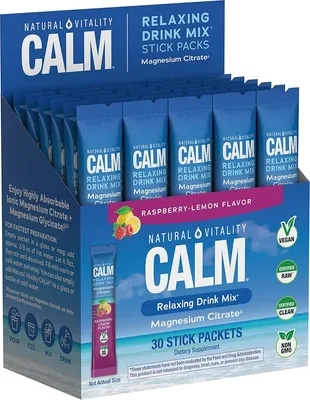
- Magnesium citrate powder dissolves in water — easy to drink
- No pills to swallow — ideal for those who dislike capsules
- Adjustable dosing — start small and increase gradually
- Pleasant flavors (raspberry lemon, cherry, unflavored)
- Citrate form may cause loose stools at higher doses
- Contains organic cane sugar and natural flavors in flavored versions
- Higher cost per serving than Doctor's Best
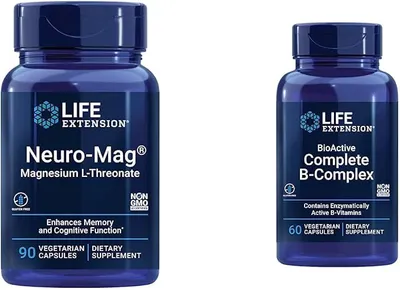
- Magnesium L-threonate (Magtein) — the only form proven to cross the blood-brain barrier
- Backed by MIT research on cognitive magnesium levels
- May support memory, focus, and sleep quality
- Third-party tested by Life Extension's in-house lab
- Only 144mg elemental magnesium per serving — not a full-dose magnesium supplement
- Requires 3 capsules per serving
- Most expensive option per milligram of elemental magnesium
Frequently Asked Questions
Why do so many supplements use magnesium oxide if absorption is so poor?
Magnesium oxide contains 60% elemental magnesium by weight — more than any other form. This lets manufacturers put a large milligram number on the label, which looks impressive to shoppers. A 500mg magnesium oxide capsule technically contains 300mg of elemental magnesium, while a 500mg magnesium glycinate capsule contains only about 70mg of elemental magnesium. But the oxide form absorbs at roughly 4%, meaning you actually retain only about 12mg from that 500mg capsule. The glycinate absorbs around 80%, giving you about 56mg retained. The labeling advantage of oxide is misleading, but it remains popular because it is cheap to manufacture and the high label number sells.
Can I take magnesium glycinate and citrate together?
Yes, there is no safety concern with combining different forms of magnesium. Some people take glycinate in the evening for its calming properties and citrate earlier in the day. The important thing is to track your total elemental magnesium intake across all forms. Adults over 50 generally need 320-420mg of elemental magnesium daily from diet and supplements combined. Taking too much total magnesium can cause digestive issues regardless of form. Consult your doctor about the right dose for your situation.
Which magnesium form is best for sleep?
Magnesium glycinate is the preferred form for sleep support. The glycine amino acid that it is chelated to has its own calming properties — glycine acts as an inhibitory neurotransmitter in the brain and has been shown in small studies to improve subjective sleep quality. Magnesium itself supports the parasympathetic nervous system and may help relax muscles. Magnesium L-threonate (Magtein) is another option that crosses the blood-brain barrier more effectively and may support cognitive function and sleep. Magnesium citrate and oxide are poor choices for sleep — citrate can cause GI urgency at night, and oxide absorbs too poorly to have much systemic effect.
How much magnesium should a person over 50 take daily?
The Recommended Dietary Allowance (RDA) for magnesium is 420mg per day for men over 50 and 320mg per day for women over 50. Most people get 200-300mg from diet, leaving a gap of roughly 100-200mg that supplementation can fill. Because absorption varies dramatically by form, the amount you take matters less than the amount you absorb. For example, 200mg of elemental magnesium from glycinate delivers roughly 160mg absorbed, while 200mg from oxide delivers only about 8mg absorbed. Talk to your doctor about testing your magnesium levels — a serum magnesium test is standard, though it only reflects about 1% of total body magnesium.
Is magnesium oxide useful for anything?
Despite poor absorption as a systemic magnesium supplement, magnesium oxide has legitimate uses. Because most of it stays in the digestive tract, it works as a mild osmotic laxative — it draws water into the intestines and can relieve occasional constipation. Milk of Magnesia is magnesium hydroxide, which works similarly. Some doctors also recommend magnesium oxide for short-term relief of heartburn and acid reflux (it acts as an antacid). But if your goal is to raise your body's magnesium levels — for heart health, bone support, sleep, or muscle cramps — oxide is the wrong tool for the job.